


Camouflaging the Corps
By: Chris KuhnsPosted on September 15, 2026
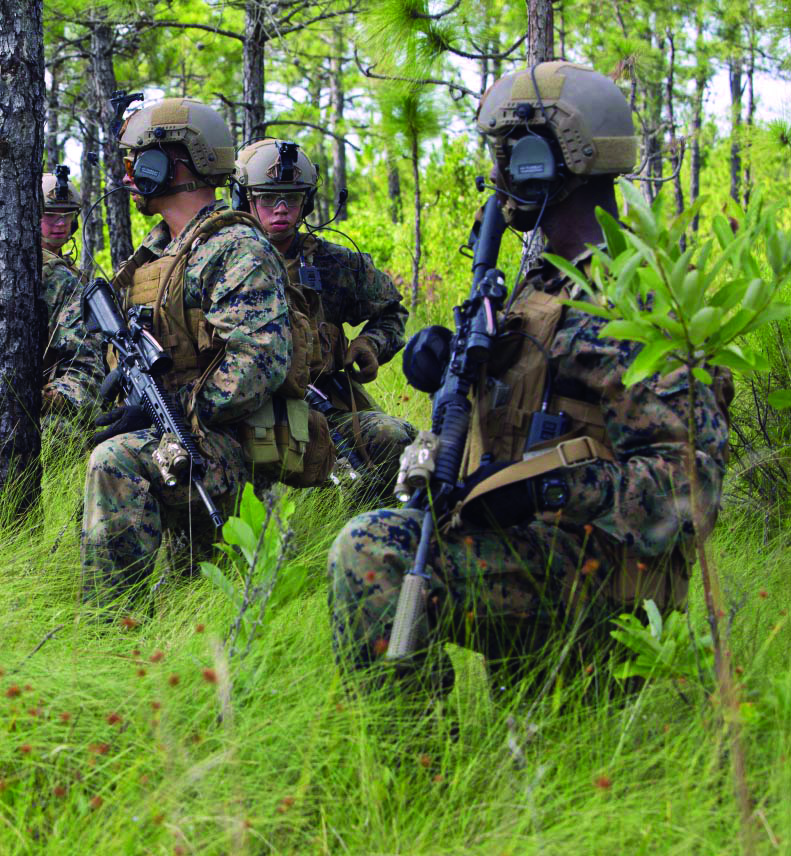
Surrounded by pines and oak trees on a range in Quantico, Va., a Marine crouches in the underbrush. Beneath his flak vest and atop his helmet, he wears a digital Marine Pattern (MARPAT) utility uniform. Tucked into proper concealment, he blends into his surroundings—an onlooker would see a distorted shape from a distance, nothing that would catch the untrained eye. As hand and arm signals silently flash from a squad leader yards away, several Marines morph from unassuming shapes into a rifle squad advancing on a patrol.
Like the generations preceding them, these Marines rely on the splotchy, multicolored camouflage to provide them with a slight edge within their surroundings. The earliest examples of camouflage in the U.S. military were products of artists who used colors and patterns to adapt to environments. Modern interpretations of camouflage take a scientific approach, with defined processes and methods to create specific patterns to blend colors and break up the distinctive outlines of a warfighter. In his article “Colour and Camouflage: Design Issues in Military Clothing,” Johannes Baumbach writes that camouflage should decrease the probability of detection, identify friend from foe and provide a corporate image.
From Blues to Drabs
At the turn of the 20th century, as the linear warfare practiced by Napoleon and General Grant faded away to be replaced by multidimensional modern war, Marine Corps uniforms adapted with it. Gone were the flashy shakos and bright brass buttons. Marines retained these for garrison and parade functions but entered combat with drab colors designed to blend into their surroundings.
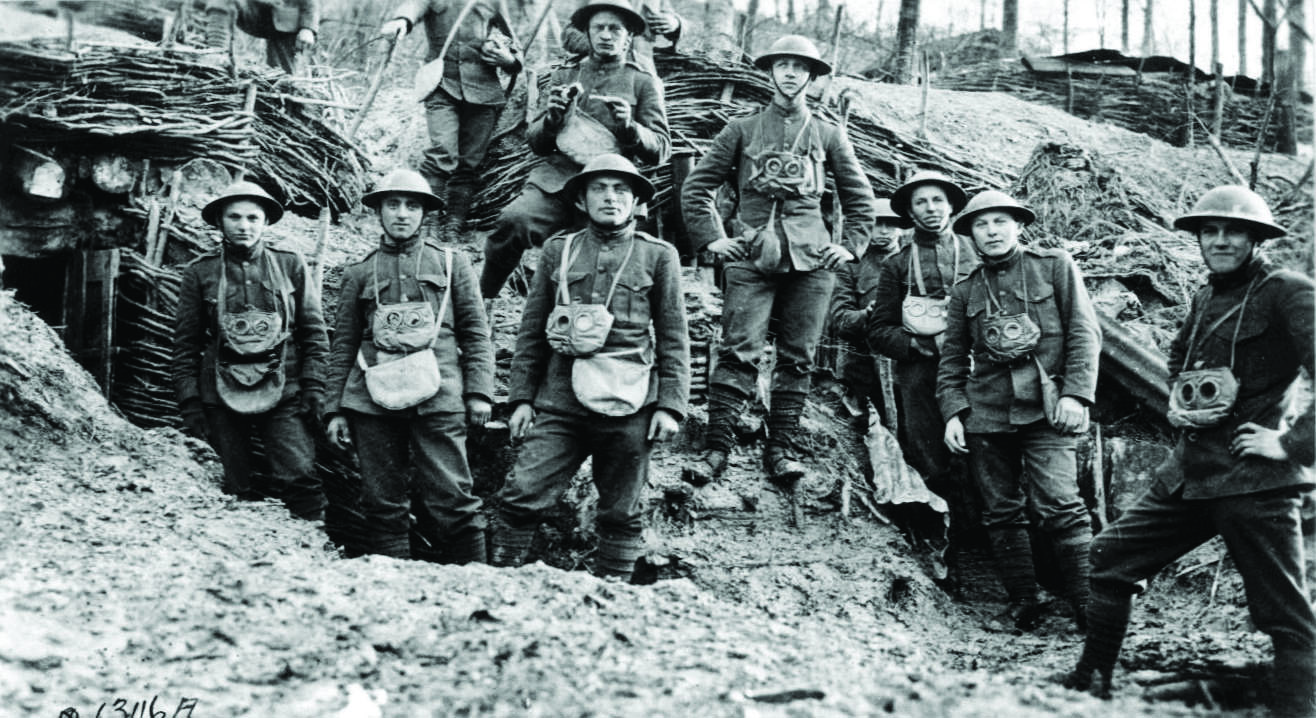
Fighting from mud trenches and dugouts, Marines in France during World War I wore forest green and olive drab uniforms. These uniforms were much better suited for combat than the blues that Marines previously wore. (Courtesy of USMC History Division)
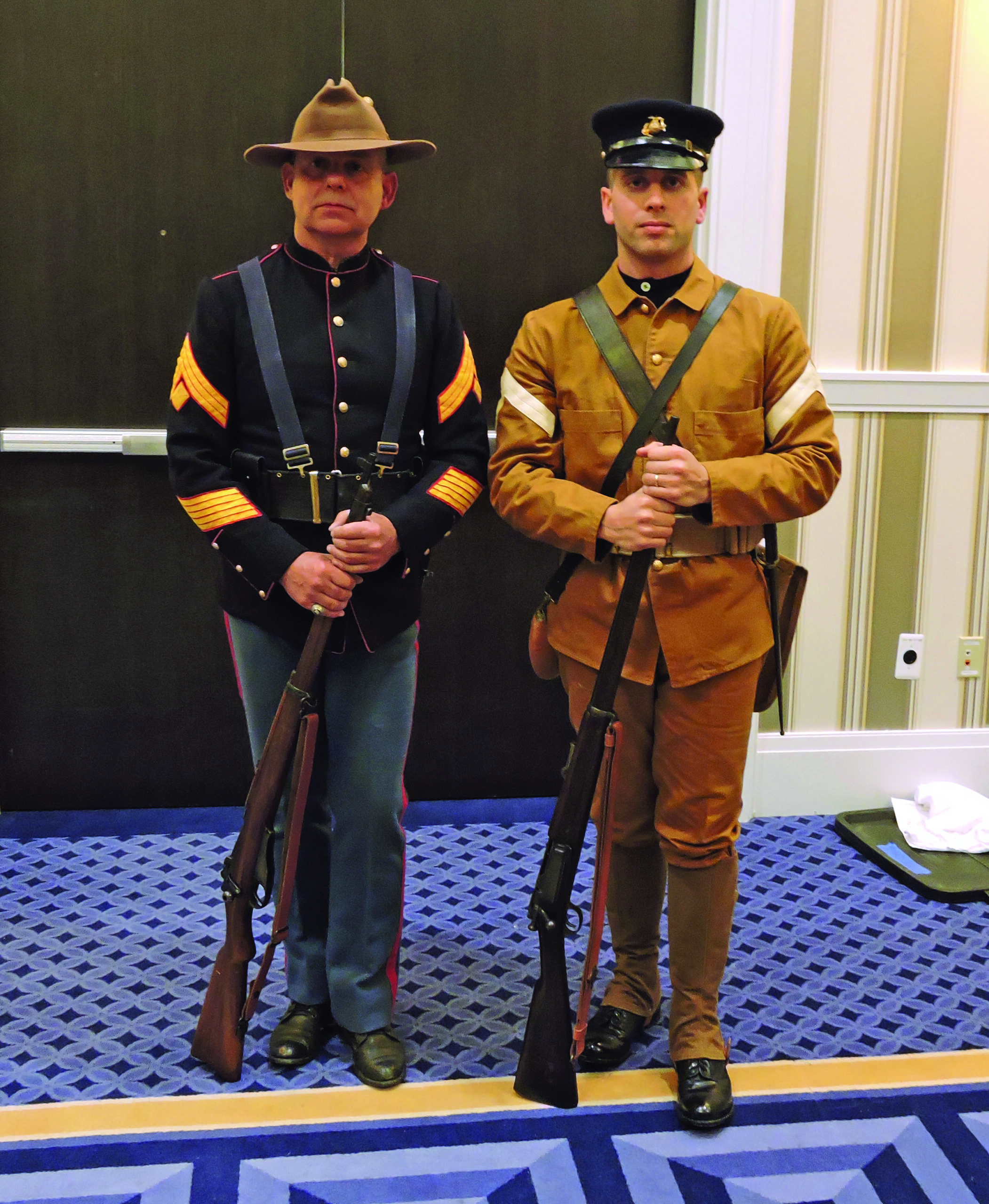
The Marines of the Spanish-American War and World War I started the drab color trend. During campaigns in Cuba and the Philippines beginning in 1898, Marines replaced their white linen with a light brown “campaign suit,” a precursor to the khaki summer service uniforms. In 1912, the Corps went a step further by introducing a wool forest-green uniform to replace the navy-blue jacket and sky-blue trousers. Up until this change, what modern Marines recognize as dress blues served as everyday wear, and they were frequently worn into combat.
The distinction between dress and combat clothing became more pronounced with the first utility uniform introduced in 1941, just prior to the United States’ entry into World War II. These sage green, herringbone twill (HBT) uniforms were designed to be worn over the khaki ones during manual labor and working parties but soon formed the foundation for all future Marine combat uniforms.
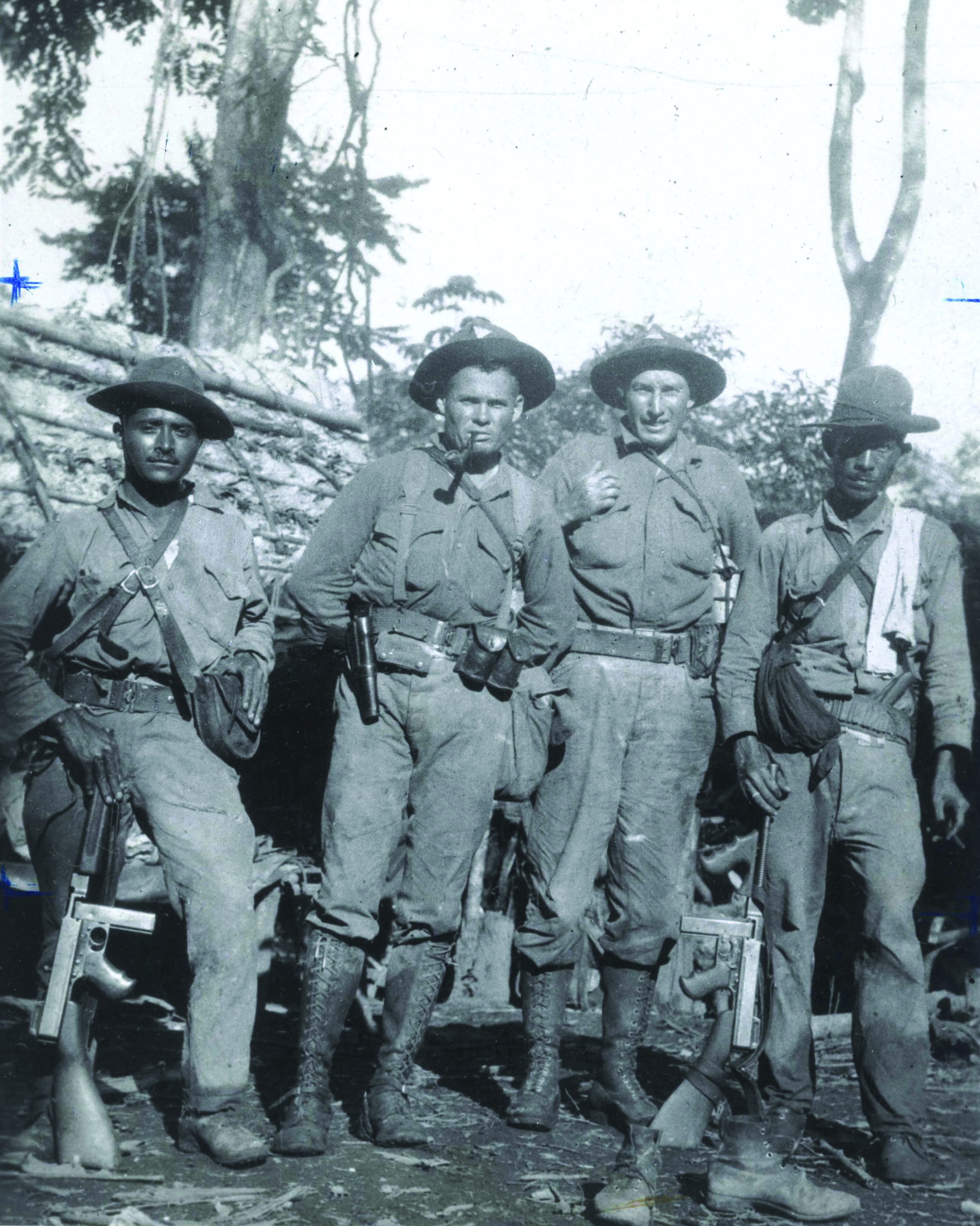
Marines Lewis B. “Chesty” Puller and William Lee pose for a photo with members of the Nicaraguan National Guard, Carlos Gutierrez and Carmen Torrez, circa 1931. They are wearing the khaki blouses and trousers that had been the combat uniform of Marines since the Spanish-American War. (Courtesy of USMC History Division)
World War II
At the beginning of WW II, the Army beat the Marine Corps to the punch in the development of camouflage uniforms. Taking note of the Japanese jungle camouflage, the Army pioneered a one-piece green coverall covered in irregular green and brown splotches. Besides limited instances in the Solomon Islands, it proved unpopular and saw little use.
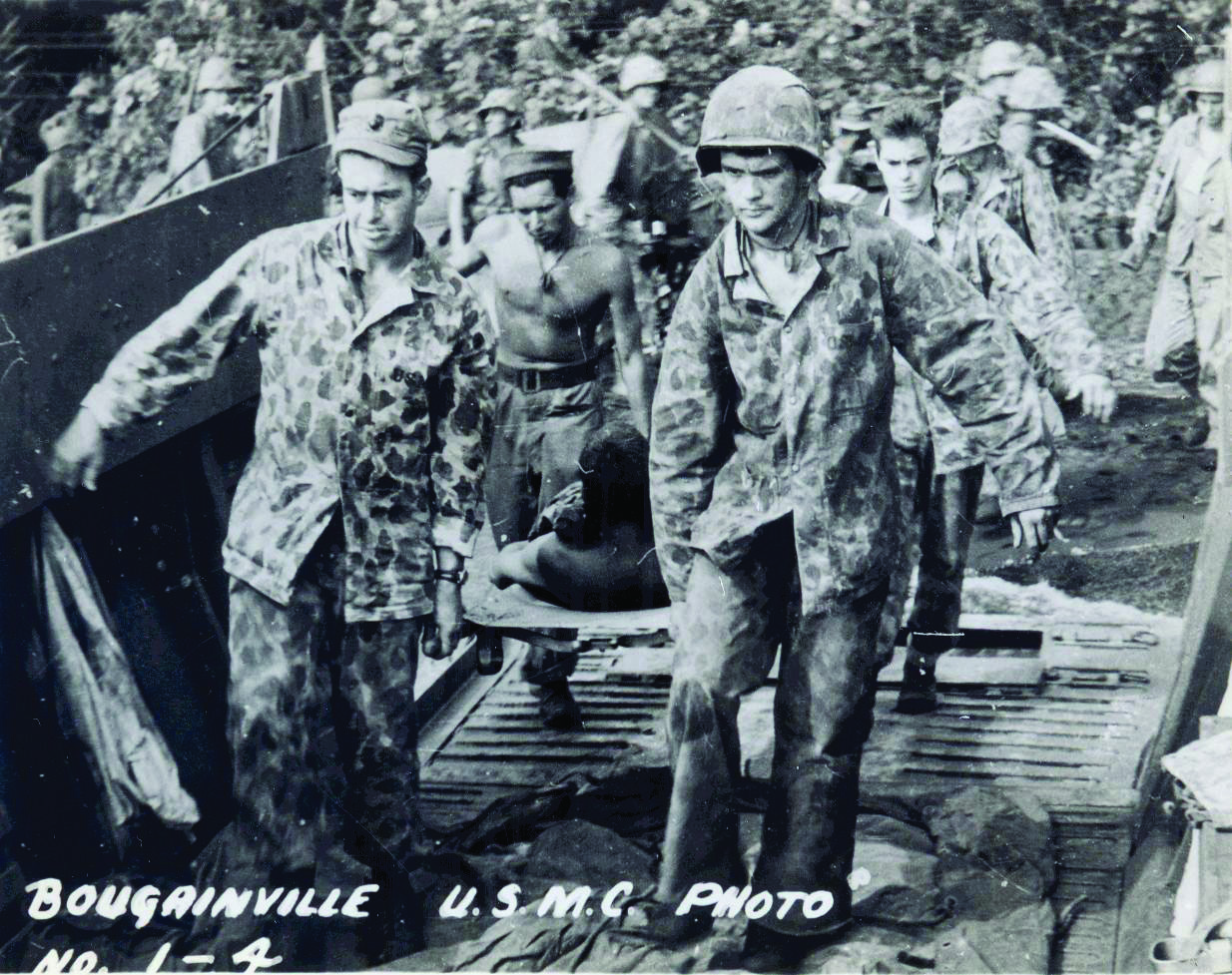
The Marines took inspiration from the development of these coveralls and released their own camouflage pattern that came to symbolize the Marine Corps in the Pacific. The first camouflage uniform was cut and fashioned similarly to the HBT utilities but was made to be reversible. One side featured splotches of brown, ranging in shade from sand tan to dark brown, to be worn on the beaches of Pacific islands. The reverse side was patterned primarily with shades of green, interspersed with mud brown, to blend into the jungle terrain. Reminiscent of a frog’s natural camouflage, these utilities were dubbed “frogskins.”
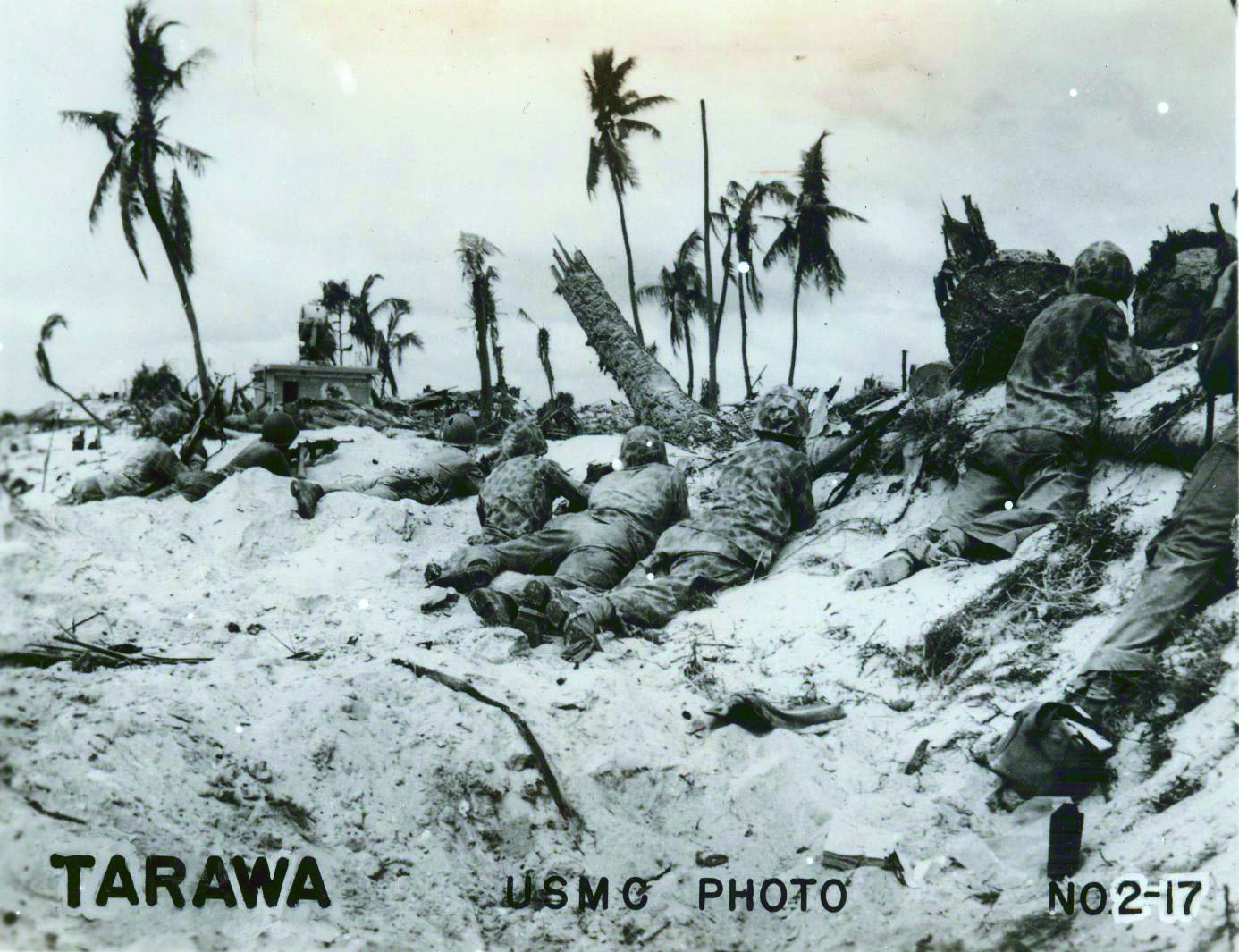
Frogskins made their widespread combat debut during the Bougainville campaign in November 1943. Many of the Marines in the 3rd Marine Division, with attached Raiders and Paramarines, trudged ashore wearing newly issued frogskin uniforms. Weeks after the invasion, 2nd Marine Division entered Tarawa nearly entirely uniformed in the utilities, with the “brown side” facing out.
Despite the modern association of frogskin camouflage with Marines in the Pacific, the Tarawa operation was the first, and only, campaign in which nearly every Marine was issued the uniform. Operationally, the “brown side” provided little concealment against the white, sandy Pacific beaches. Further experience revealed that the “green side” was equally ill-suited to the terrain of the Central Pacific islands. The only component to survive the war was the helmet cover, made with the same frogskin patterns as the utility uniforms.
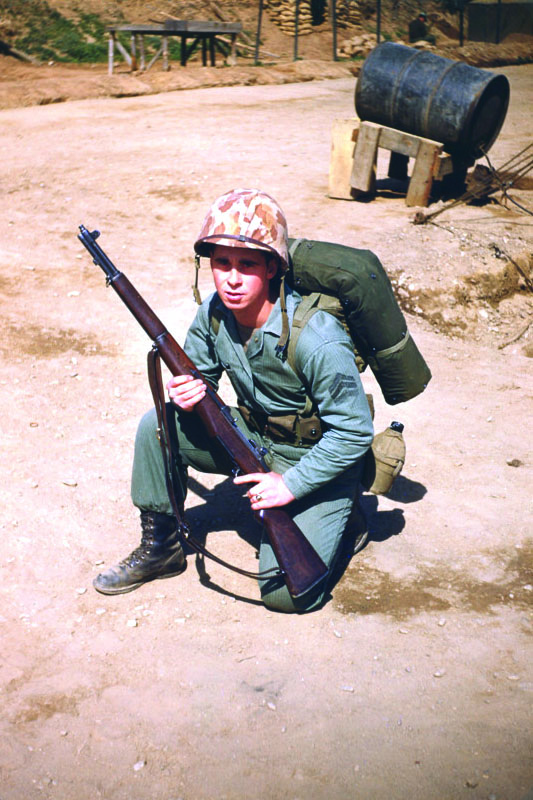
From the Mariana Islands to Okinawa, nearly every Marine’s helmet was covered with camouflage. While it offered little concealment in the surrounding environment, it effectively broke up the obvious silhouette of the American M1 steel helmet. This practice continued throughout the Korean War a decade later. With little technological development between the two wars, Marines were still fighting in sage green utilities and frogskin helmets in Korea.
Vietnam
The development of a new pattern was once again spearheaded by the Army in the 1950s. Their Mitchell pattern camouflage was designed to be reversible; however, both sides were significantly different than those seen during WW II. The green side of the Mitchell camouflage had varying leaf shapes in shades of green with brown sticks interspersed throughout. The brown side resembled clusters of brown and tan dots.
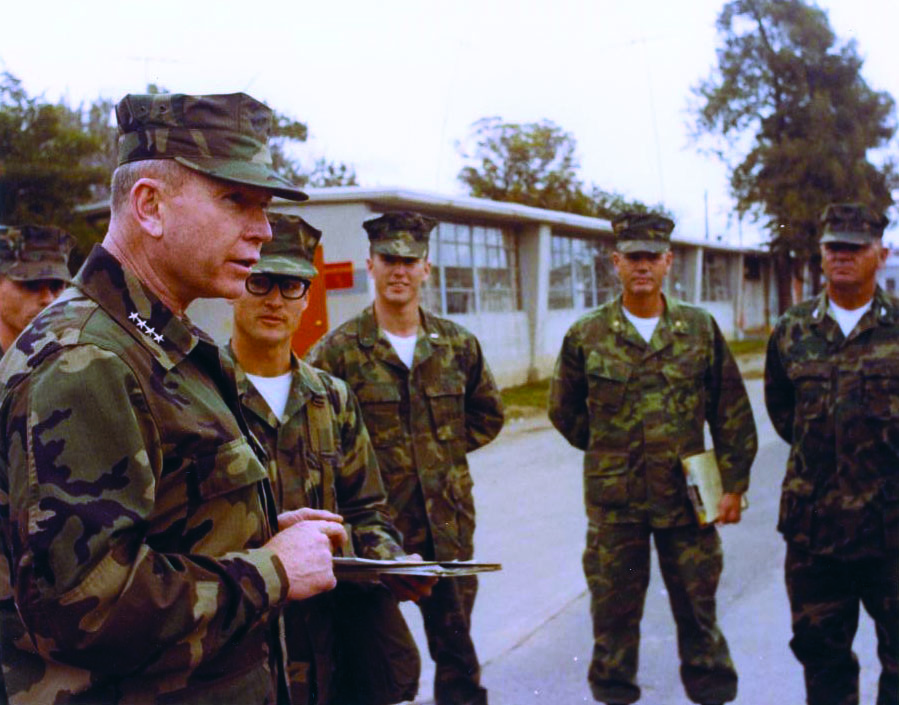
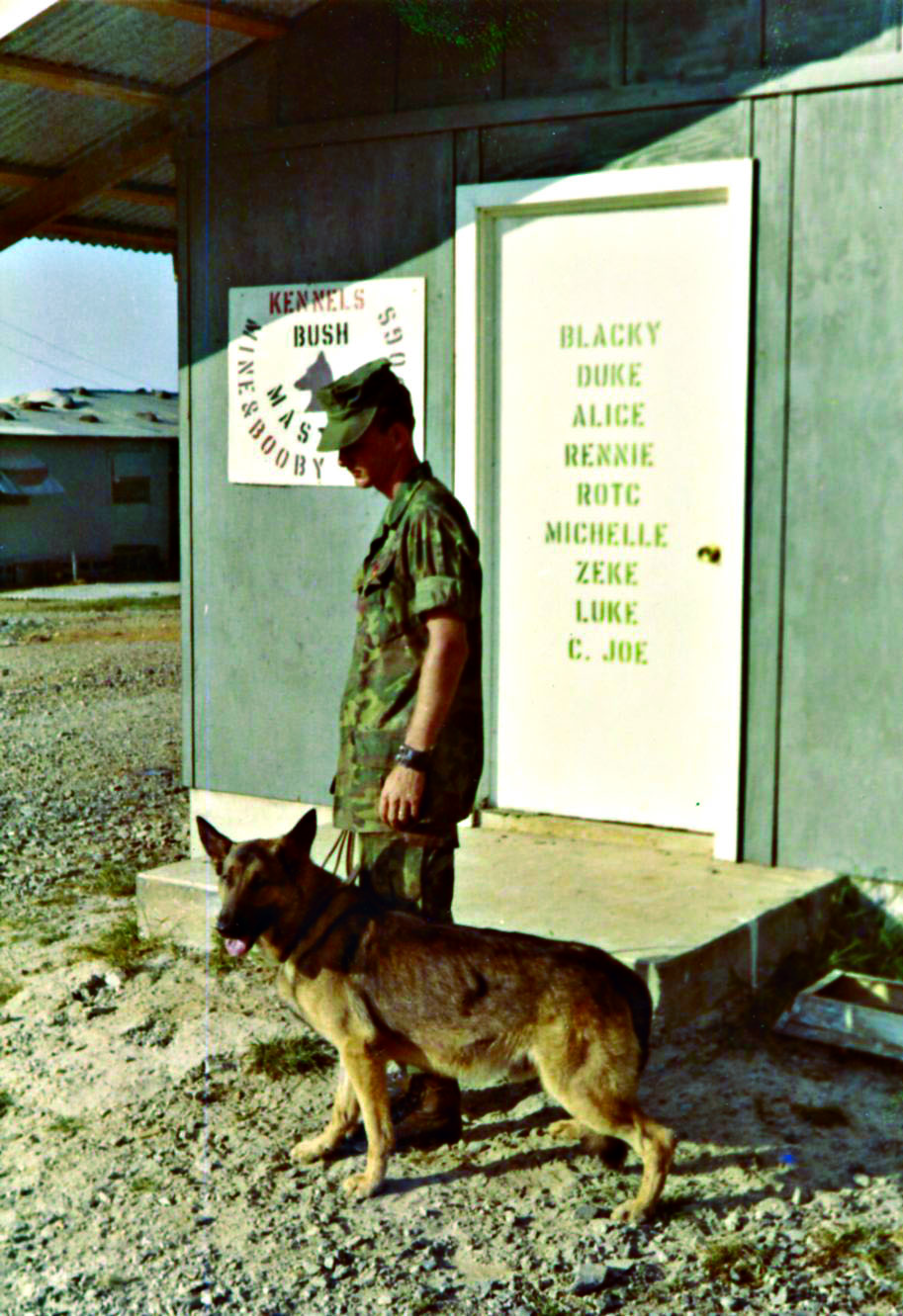
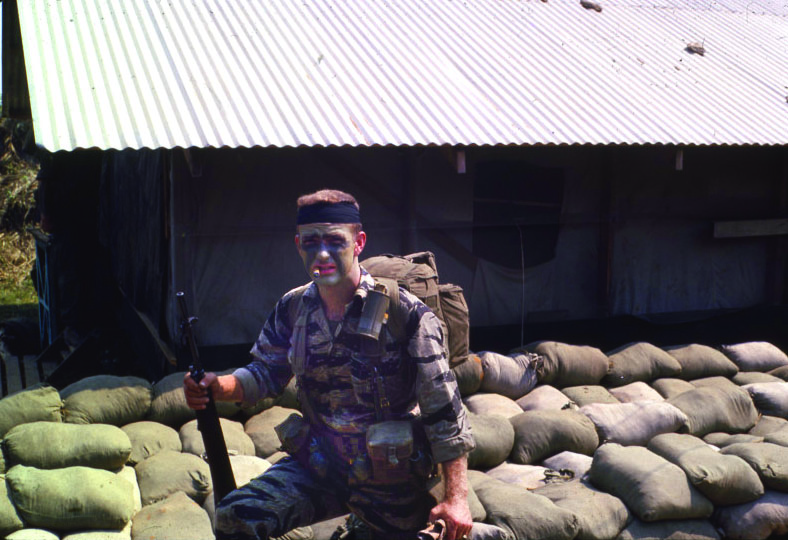
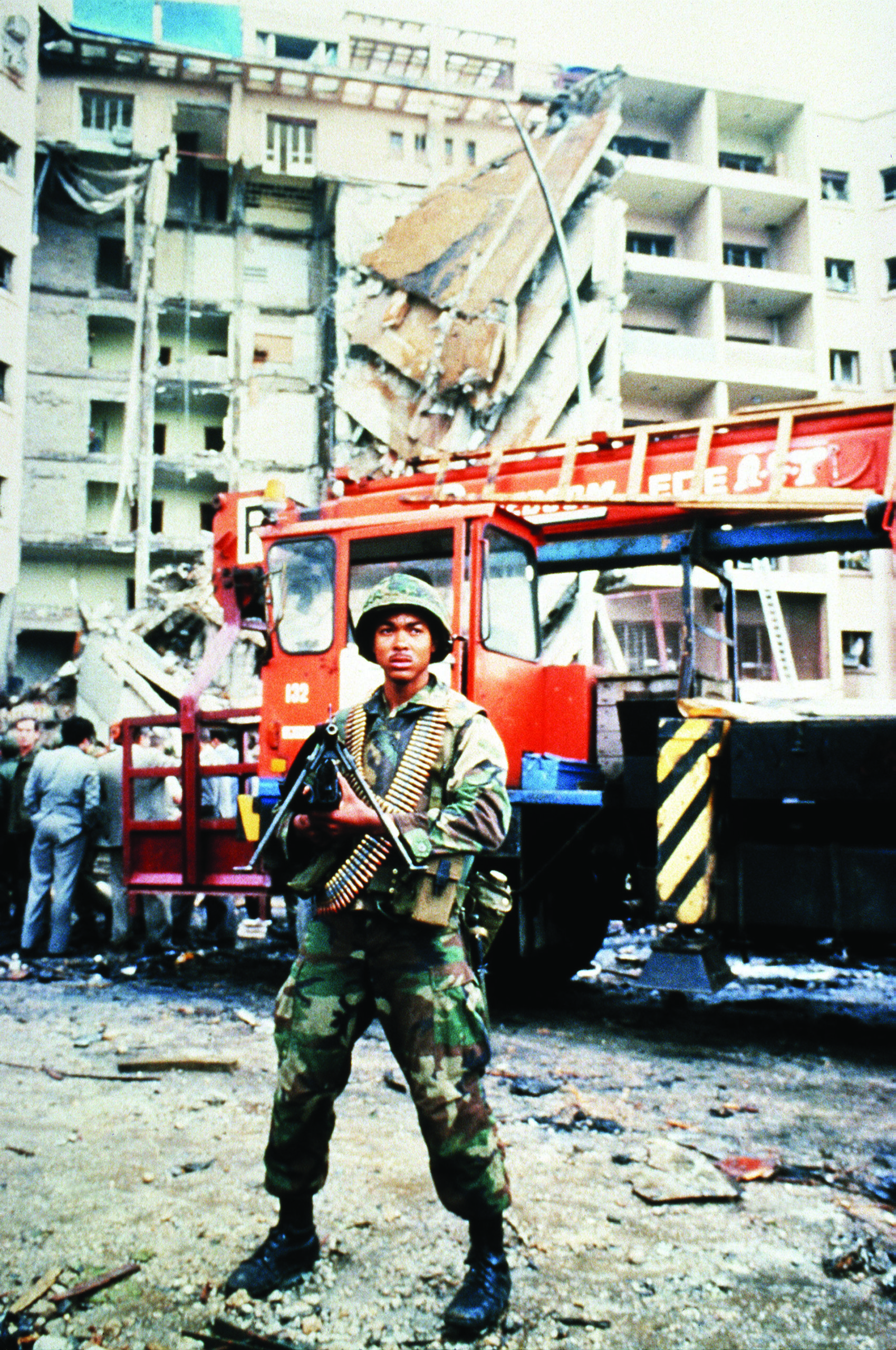
Continuing the previous practice, the only pieces of gear issued with Mitchell camouflage were the helmet cover and shelter halves. As Marines began to arrive in Vietnam in increasing numbers in the 1960s, each wore the iconic Mitchell camouflage helmet cover. At the same time, the Army’s Engineer Research and Development Laboratory (ERDL) resurrected a pattern it had designed in 1948 to meet the operational camouflage requirements of the Vietnamese jungles. Known as the ERDL pattern, it was first used by Marine recon and combined action platoons. By 1969, ERDL camouflage, patterned with dark green, light green, brown and black splotches, was widely issued to every Marine in Vietnam. This formed the foundation of the woodland camouflage worn by all branches of the Armed Forces in the latter half of the 20th century.
Into the Desert
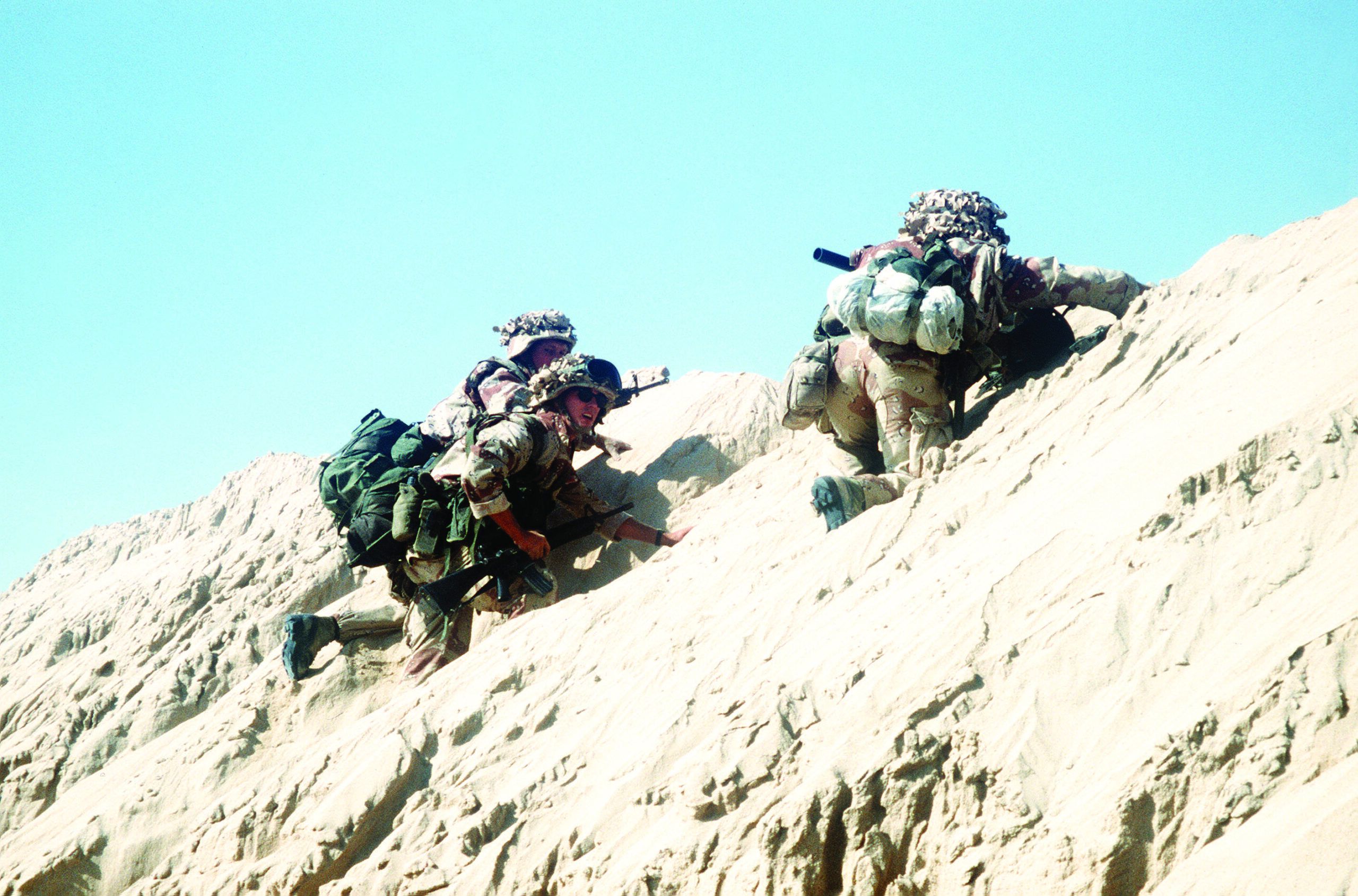
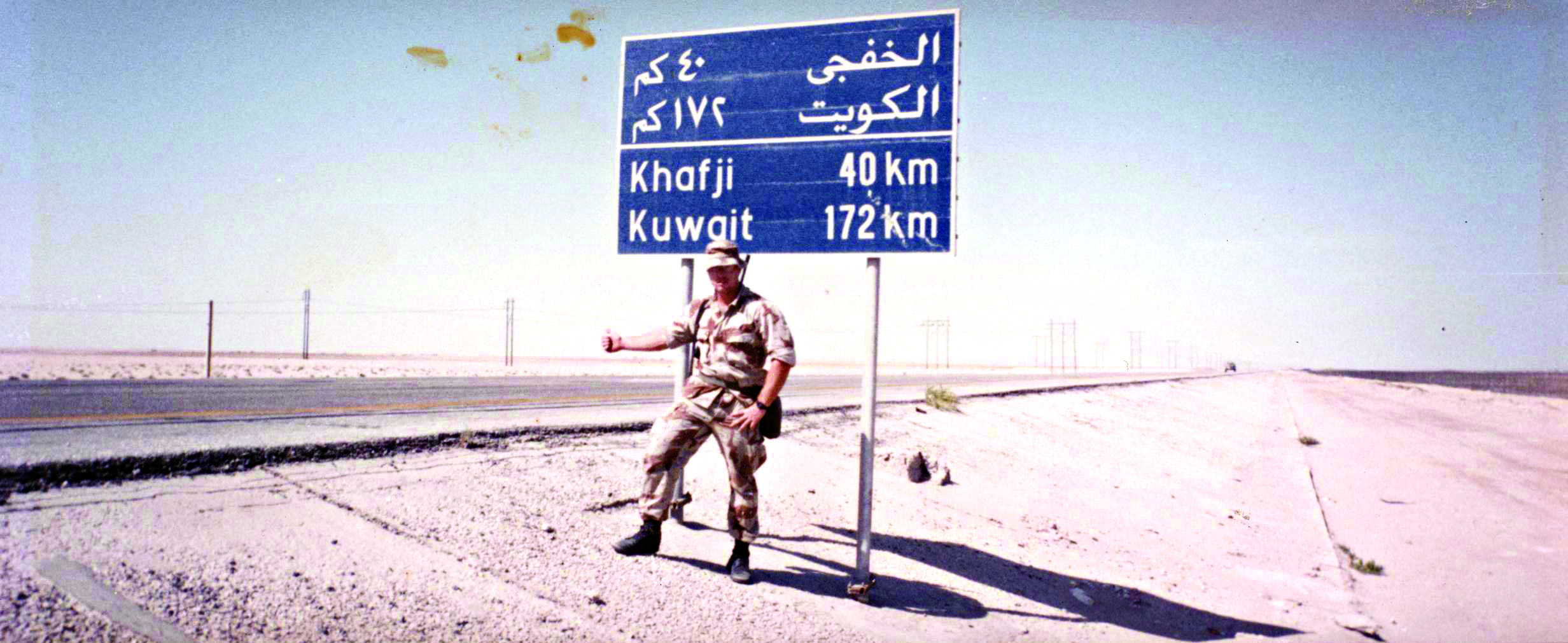
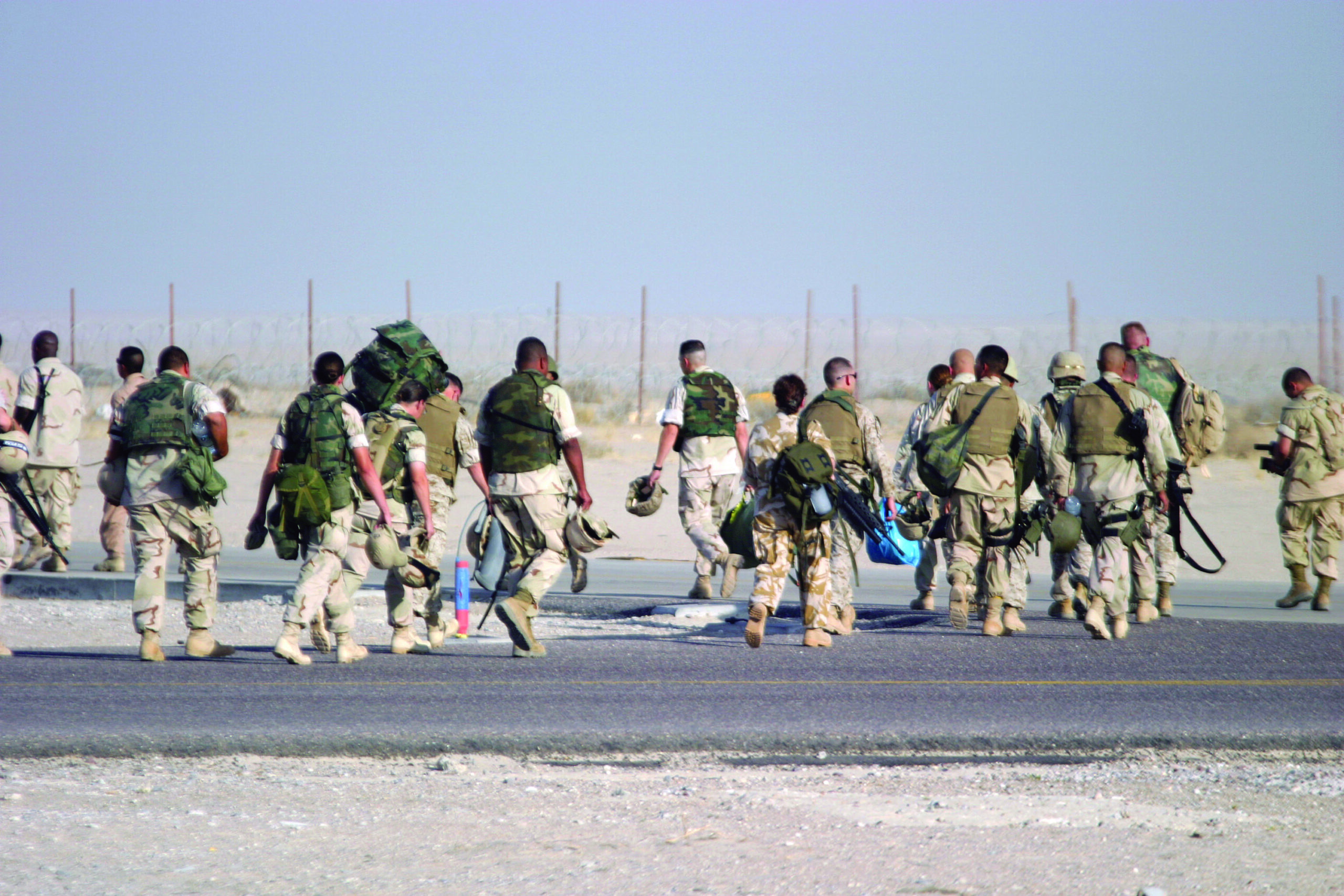
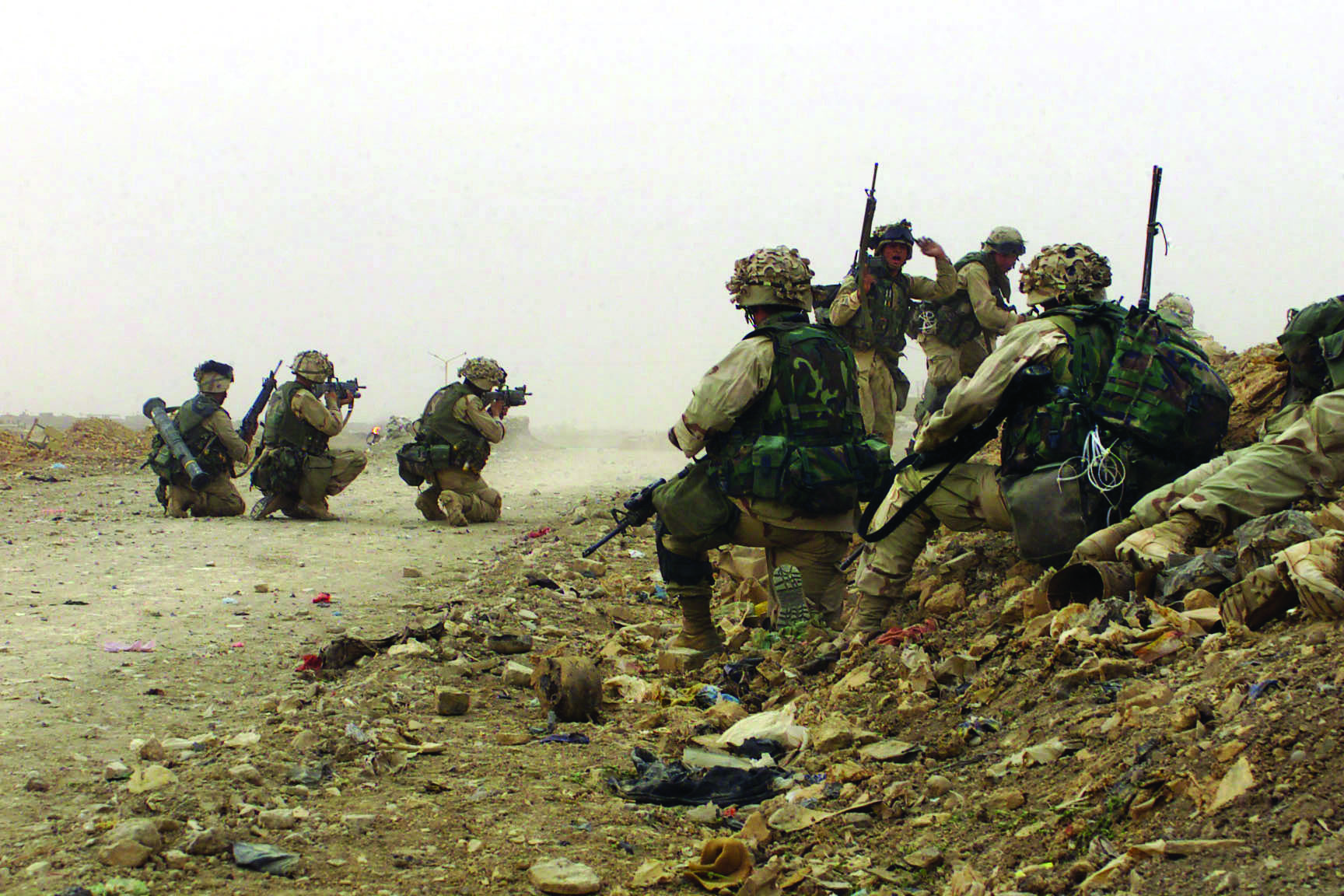
With conflicts erupting in the Middle East during the 1960s and 1970s, the Army pursued desert camouflage patterns as well. As a result of a series of trials in California, the six-color “chocolate chip” desert pattern was introduced. This pattern utilized four shades of brown and tan interspersed with specks of black and white “rocks.” The largest utilization of the chocolate chips was with I Marine Expeditionary Force during Operation Desert Storm and the 15th Marine Expeditionary Unit during Operation Restore Hope.
Several deficiencies were identified with the chocolate chip camouflage, however, leading to the development of the tri-color desert pattern. This was similar to its predecessor but eliminated the black and white “chips” and simplified the color palette to brown and two shades of tan. The goal of this change was to create a camouflage that was more adaptable to environments with both sand and vegetation.
Leading the Digital Age
Since the 1950s, the Marine Corps had not fielded a truly proprietary camouflage uniform. In 2000, still clad in the classic woodlands, Marines began pioneering a new pattern. Marine Corps Systems Command led the effort to develop a new utility uniform that was not only practical in combat and reduced detection but, above all, represented the Corps’ unique identity.
After exhaustive research, two patterns of camouflage were pitted against each other in final field testing. The first option was a tiger-stripe pattern, favored by the 32nd Commandant of the Marine Corps, General James Jones, and was based on the Republic of South Korea Marine pattern and the camouflage used by a few American units in Vietnam. The second pattern was a digital one, heavily influenced by the recently developed Canadian Disruptive Pattern. Departing from traditional designs of camouflage, the digital pattern featured straight lines and edges with no blurred transitions between colors.
As the patterns were tested, the Marines at Systems Command identified three color palettes. A set of woodland, desert and urban variants were selected, although the urban color scheme was ultimately abandoned. A progressive feature of the color choice was the inclusion of coyote brown in both woodland and desert palettes. Marine packs, boots, flaks and field gear could be manufactured in coyote brown and still remain compatible with both sets of colors.
(Photo courtesy of National Archives)
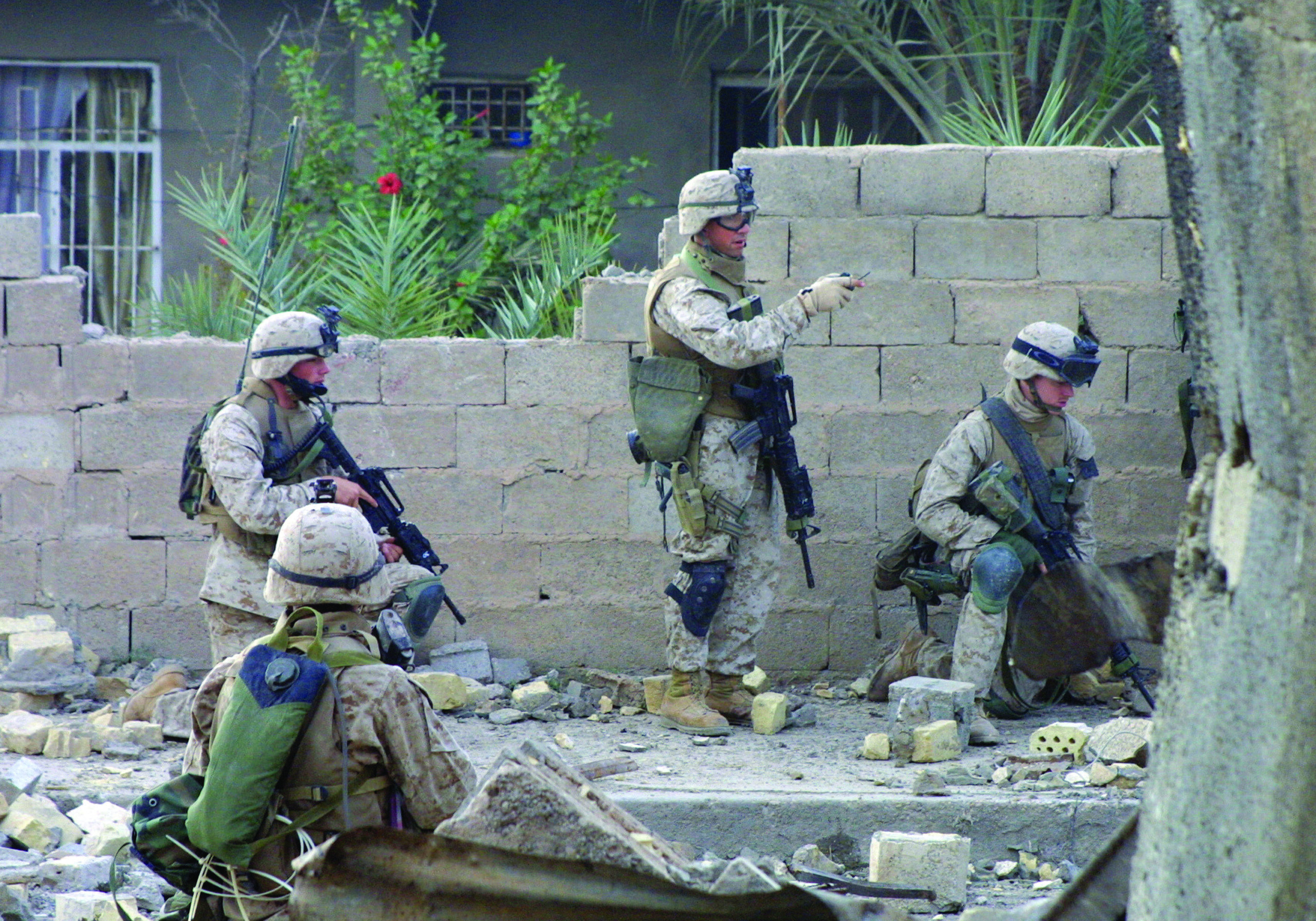
The digital pattern emerged as the superior camouflage following field testing. Dubbed Marine Pattern, or MARPAT, the new design was patented by the Marine Corps in 2001. Marines, regardless of clime or place, finally had a distinctive camouflage of their own. On Jan. 17, 2002, the new MARPAT uniform was officially adopted by the Marine Corps. Although nearly a year passed before the uniform was issued to the Fleet Marine Force, its popularity had already spread throughout the Department of Defense, igniting the interservice digital camouflage war. Soon after the adoption of MARPAT, the Army, Navy and Air Force began searching for their own distinctive camouflage. Despite contrary results during field testing, the Army implemented the Universal Camouflage Pattern in 2005. It used the same digital pattern as MARPAT but with a tan, gray and green palette intended for use in all field environments.
The Next Generation
In the last decade and a half, Congress became involved and called for an end to “force-specific” uniforms. Both the Army and Air Force subsequently adopted the new Operational Camouflage Pattern in 2014 and 2018, respectively. The Navy embraced their woodland camouflage and a traditional coverall while at sea.
The Marine Corps recently began exploring a next-generation uniform garment aimed at countering emerging threats, particularly the proliferation of drones and sensors. The Marine Corps has not indicated a desire to replace their MARPAT utilities but rather augment them with overgarments designed to reduce detection across multiple spectrums. This decision is likely influenced by the Ukrainian conflict’s saturation of drones with advanced sensors on the modern battlefield. As has been the case for centuries, technological developments will continue to drive innovation in warfare.
One thing is certain: Marines have proudly worn their uniforms across the globe, whenever and wherever the nation calls for them. From the decks of USS Constitution to the fields of Soissons, France, to the dusty streets of Ramadi, Iraq, Marines have worn their uniforms, emblazoned with insignia, with pride. The MARPAT uniform will not last forever, yet the Marines of the next generation will continue to serve and uphold the legacy of the Marine Corps, no matter their camouflage.
Executive Editor’s note: The International Spy Museum in Washington, D.C., currently has an exhibit called “Camouflage: Designed to Deceive.” The museum published an illustrated book by the same name to accompany the exhibit. It is available at the museum’s bookstore and through the publisher’s website, casematepublishers.com.
Featured Photo (Top): Marines conduct a field exercise with newly issued weapons and equipment. They wear the woodland MARPAT camouflage, which has served the Marines for nearly two decades. (Photo courtesy of Chris Kuhns)
About the Author
Chris Kuhns, a former Marine infantryman, separated from the Marine Corps to pursue his passion for military history, specializing in the history of the Marine Corps. He serves as the director of the Pennsylvania Military Museum in Boalsburg, Pa., and as the deputy director of the U.S. Marine Corps Historical Company, a nonprofit organization. He calls Gettysburg, Pa., home.
Enjoy this article?
Check out these similar Leatherneck and Scuttlebutt features:
The Dogs of War
Leatherneck
March 2026
By: Chris Kuhns
A Small Piece of Cloth
Leatherneck
November 2024
By: GySgt Chase McGrorty-Hunter
Revisiting America’s First Marines
Leatherneck
September 2022
By: Edward T. Nevgloski, Ph.D.