

Once a Marine: The 17 Who Died as New York’s Bravest
By: Kyle WattsPosted on August 14, 2026
INTRODUCTION
It’s spring 2026 near Richmond, Va. Everyone sits around the kitchen table. Most of us coming on duty arrived before dawn, swapping our gear on the trucks with the firefighters ending their shift. Now, those coming on and those going off pour coffee and begin the day together. For the majority present, the firehouse represents more than just a job, each other more than just coworkers. For me, to be here is to be home away from home—a defining place of brotherhood and purpose I’ve lacked since leaving the Marine Corps.
The aroma of sausage and eggs drifts through the day room as our probationary firefighter (probie) whips up breakfast. It’s hardly even light outside, yet more colorful conversations spring back and forth across the table than there are people sitting around it. Our ritual is abruptly cut off. Not by the alarms signaling us away to some call for service, but by our probie slamming utensil drawers and bolting around the kitchen. Smoke begins banking down from the ceiling. The range hood exhaust whirls at warp speed, desperately evacuating the fumes. The probie sprints out the front door, smoking skillet in one hand and a spatula in the other. A lingering haze hangs in his wake. The man beside me lifts his mug to his mustache and speaks into the morning brew before savoring a sip.
“Got the cast iron too hot. Again …”
The probie returns a minute later, the empty skillet a testament to his culinary inexperience, his breakfast another snack for creatures lurking outside. His face glows like a fresh sunburn, the color rising in his cheeks outpaced only by the defense mounting in his head. Our senior man breathes a heavy sigh and breaks the pregnant silence.
“Goddamit rookie.”
“Whatever man! That stove sucks and this pan sucks worse! I walk away for two seconds …”
The table around me explodes in an uproar. I spill my coffee, doubled over in gut-wrenching laughter. Everyone bombards the probie with a proprietary blend of sarcastic, expletive-enriched heckling. He hopelessly defends himself, the skillet in his hand a futile shield against the barrage.
Through the acrid cloud, I can still see the kitchen wall behind him, covered in pictures. The wall, seen by anyone who enters our firehouse, tells a story. Some photos show vehicles or structures on fire. Some show the very men seated around the table, years earlier when they were as young as our probie. Amidst them all, two larger frames stand out. The first is one of the most iconic photographs in modern times, captured by Thomas E. Franklin on 9/11, showing three New York City firefighters raising the American flag over Ground Zero. Beside it hangs the painting “Two Minutes of Silence” by Peter O’Neill, portraying a flag-draped firefighter kneeling in solitude amidst the World Trade Center wreckage.
Even in our most lighthearted or routine moments, the photos are intentionally inescapable. They serve as a constant reminder: 25 years ago, on a sunny Tuesday in September, 343 New York City firefighters started their morning just like us—just like any other morning. On that horrific morning, though, they did not come home. Tattoos cover our skin in their honor. Vinyl stickers adorn our pickup trucks and fire helmets. This morning, nearly 400 miles away and a quarter century removed, we can never forget.
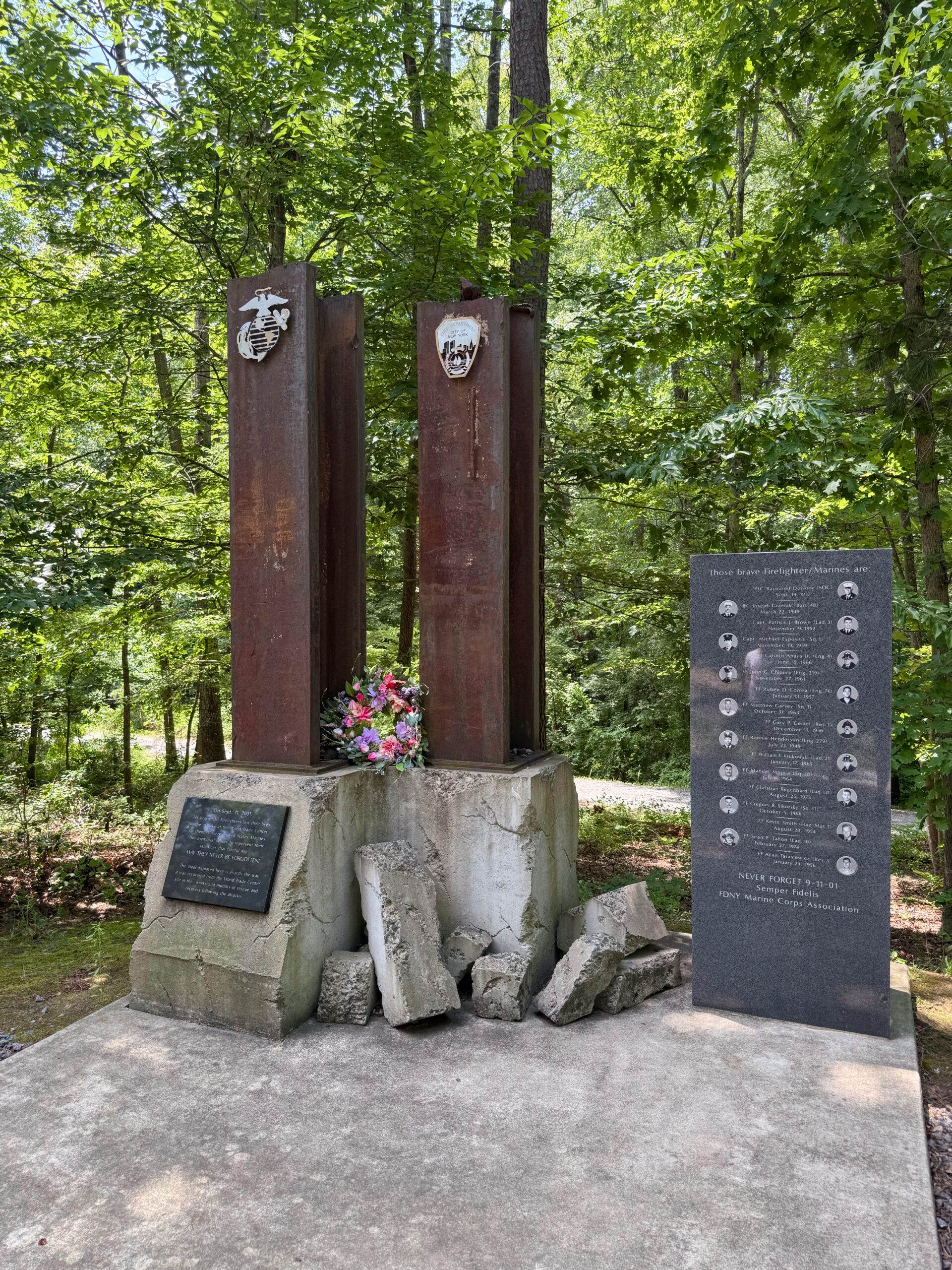
Of the men who perished, 17 wore a different uniform before donning bunker gear and air packs—17 proudly bore the dual identities as professional firefighters and United States Marines. A monument stands in their honor at the National Museum of the Marine Corps in Triangle, Va. Two beams of World Trade Center steel tower above the walkway leading through Semper Fidelis Memorial Park. One bears the Eagle, Globe and Anchor, the other the emblem of the New York City Fire Department (FDNY). The designers of this memorial understood one fundamental premise about these men: Their identities, like the twin towers, are inextricably bound.
They served their country from the 1950s through 2001. They served their city as newly minted probies to 39-year veterans on the job. Throughout their lives, the Marine Corps and the firehouse coexisted as a continuous expression of the same character. The Marine Corps does not produce men who wait to see how a situation may develop. Neither does the firehouse. These 17 men demonstrated that character over and over again.
PADDY BROWN
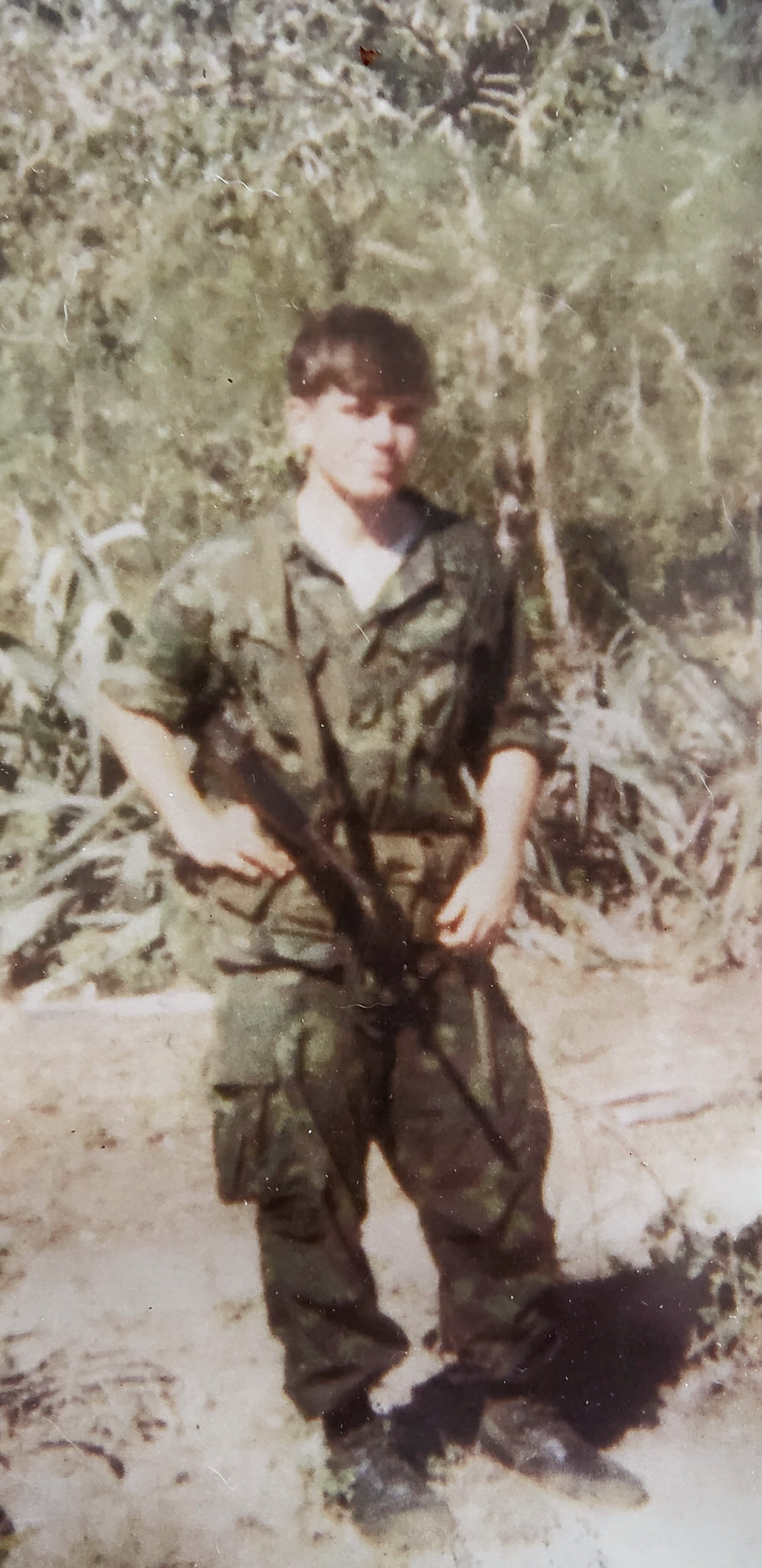
It’s summer 1972 in the Republic of South Vietnam. A 20-year-old Marine from Queens crawls through darkness with a flashlight in one hand and a pistol in the other. Dank earthen walls above, below and beside him restrict his movement. The Viet Cong somehow created this massive subterranean web. Now, it’s his job to ferret them out.
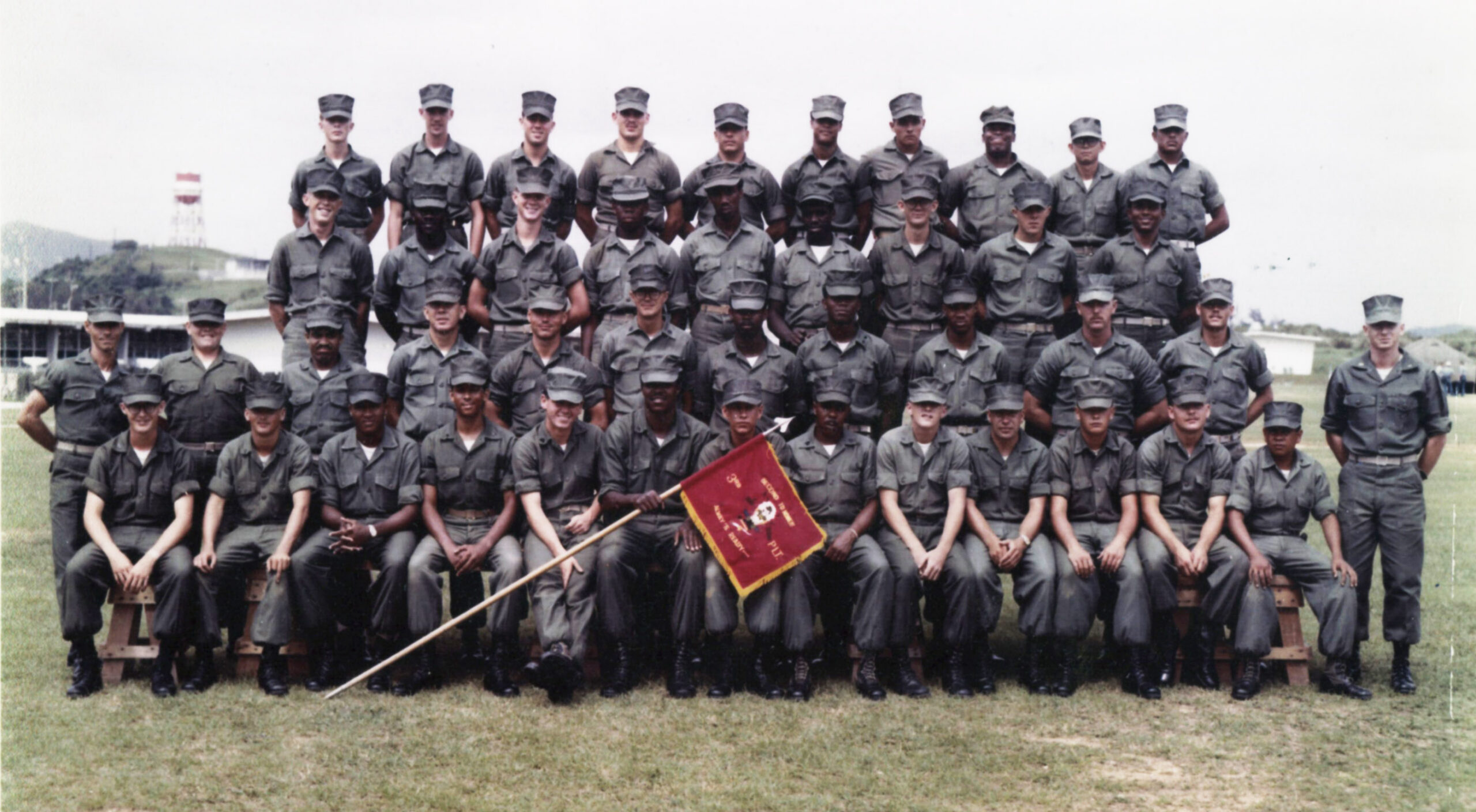
While many back home avoided the war in Vietnam, Patrick “Paddy” Brown sought to get into the fight. When the Corps told him he was too young to enlist, he convinced his father to sign the age waiver. When the Corps made him a clerk, Brown raised ever-living hell until he was reassigned as a combat engineer and shipped overseas. When his unit was tasked with one of the most terrifying assignments imaginable, Brown volunteered to shed his combat gear for “tunnel rat” duty and descend into the earth. He survived two tours overseas before returning home as a sergeant and leaving active duty in 1973.
The war affected him deeply. Brown turned to alcohol to ease the memories. Before it consumed him, though, Brown shifted his escape efforts into boxing. He excelled, eventually competing in the Golden Gloves tournament. His connection to the bottle endured in a markedly different fashion. Brown became a sponsor for Alcoholics Anonymous, helping others through their addictions and setting them on a new path.
Brown joined the New York Fire Patrol, an insurance-supported salvage company, upon his exit from the Marines. He had tested for a spot with FDNY before he left for Vietnam and continued working toward that goal upon his return. Finally, in 1977, FDNY appointed Brown as a probationary firefighter.
Within the first 10 years of his career, Brown established himself as one of the most decorated firefighters in the department. FDNY awarded him numerous citations or medals for individual valor, including five Medal Day medals—specifically named valor medals, with individual criteria, presented annually at a department-wide ceremony to an elite few. By the time he was promoted to lieutenant, the entire fire department knew Paddy Brown.
Somehow, his fame had yet to peak.
The entire nation knew Paddy Brown after May 14, 1991. That morning, Brown was the lieutenant riding in charge of Rescue 1. A fire broke out on the top floor of a 12-story building on Times Square. When he arrived on scene, Brown sized up the building. Thick black smoke pulsed out of numerous 12th-floor windows. Two civilians were trapped in separate rooms on different sides of the building, both seated precariously in the windowsills as smoke poured out over their heads. Ladder trucks on the street shot their aerials as high as they could up each building side, but they fell several stories short. Brown and his company grabbed their tools and sprinted inside. Above the shouting, whistling and clamor of the trucks, a commanding voice boomed through a loudspeaker.
“We’re on our way up. Just stay there!”
While other firefighters forced entry into the fire floor and attempted to reach the victims, Brown’s crew doffed their gear on the roof. Brown leaned over the parapet wall. Ten feet below, one of the victims stood on the windowsill, barely holding on. Fire encroached on his room. Toxic smoke enveloped him. Whether he burned, inhaled the lethal fumes or jumped, certain death threatened only seconds away. Down on the street, 150 feet below, a host of cameras recorded every angle while a growing crowd held its breath.
Brown evaluated the options and ordered his team to execute a rope rescue. While firefighter Patrick Barr slid his legs through a makeshift harness on the end of a rescue rope, firefighter Kevin Shea tied the rope through his own harness to control Barr’s descent. Due to the unique construction of the roof, there was not a single anchor point anywhere for the firemen to securely tie the rope. Shea braced his feet against the base of the parapet and leaned back against another firefighter, who wrapped his arms and legs around him. A third man lay his full body on top of Shea’s torso. With three of his men acting as a human anchor, Brown lay on top of the parapet guiding the team as they slowly lowered Barr down to the victim.
As soon as Barr dropped into view, the victim fell out of the window into his arms. The crowd below went wild, like a grand slam at Yankee Stadium. The sudden weight increase lifted all three men of the human anchor into a half-standing position. Brown kept his men steady and directed the lowering to the next floor down. Firefighters within busted out windows, hooked the rope and pulled the men inside.
“It’s like in a movie! It’s exactly like a movie! They got him!” someone can be heard exclaiming in one video of the rescue, amidst the cheering and applause.
Brown’s momentary elation ended the second after Barr disappeared inside the window. The team sprinted to the other side of the building where the remaining victim waited. Shea moved up and assumed the role as the man on the end of the rope. Again without anchor points, three firefighters created the human anchor. Brown straddled the parapet once more, feeding the rope down over the edge, now frayed from rubbing the edge on the previous rescue. The team lowered Shea to the victim. He intertwined his arms and legs with the victim and pushed out of the smoke-filled opening. Firefighters on the floor below again pulled the pair safely inside.
Ambulances rushed both victims to the hospital. The Rescue 1 crew descended to the street. For another hour, more than 100 firefighters battled the blaze. Not a single life was lost.
For their actions in the spectacular rescue, famously remembered as “hope on a rope,” Barr and Shea received medals for valor. President George H.W. Bush sent Brown a personal letter of recognition for his decisive leadership through the event.
The 38-year-old fire lieutenant proved the same man as the 20-year-old Marine clearing enemy tunnels in Vietnam. The problems, situations and dangers he faced changed wildly throughout the years. His instinct did not. Another decade later, as a 48-year-old captain in charge of Ladder 3, he remained exactly the same.
Ladder 3 arrived at the World Trade Center on 9/11 shortly after the first airplane struck the north tower. Brown entered the building without waiting for an assignment and headed toward the stairs. At 9:21 a.m., Brown located a working telephone and dialed fire dispatch.
“Dispatch, Captain Brown Ladder 3, I’m at the World Trade Center. I’m on the 35th floor, OK? Just relay to the command post we’re trying to get up. There’s numerous civilians at all stairwells, numerous burn injuries are coming down. I’m trying to send them down first. Apparently, it’s above the 75th floor. I don’t know if they got there yet, OK? Three Truck and we are still heading up. OK? Thank you.”
At 9:59 a.m., the south tower collapsed. All firefighters remaining in the north tower were ordered to evacuate. Those near the command post outside overheard the radio exchange with Brown.
“This is the officer of Ladder Company 3. I refuse the order! I am on the 44th floor and we have too many burned people with me. I am not leaving them!”
Less than 30 minutes later, the north tower fell. Brown and 11 other members of Ladder 3 remained inside.
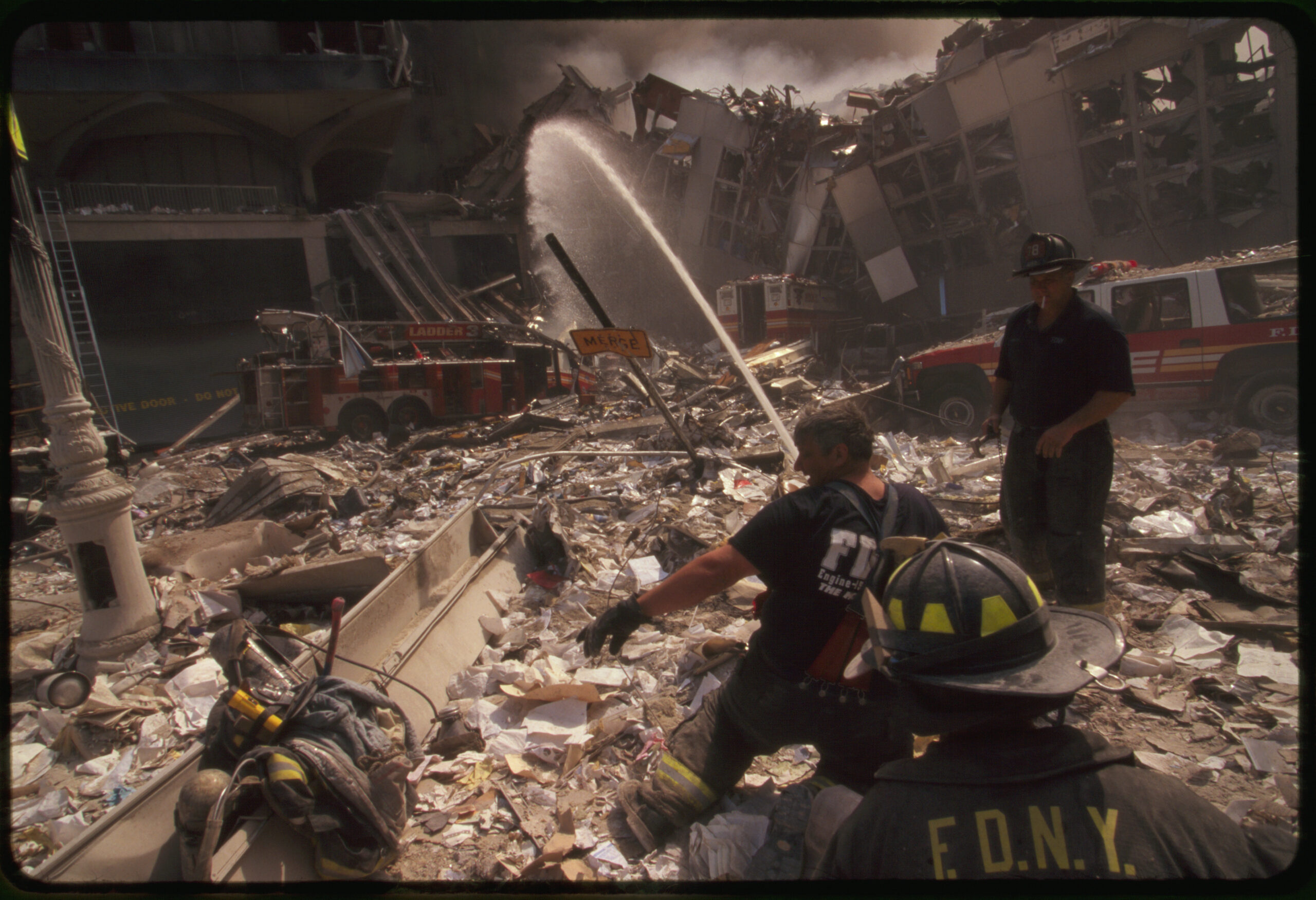
On Nov. 10, 2001—the Marine Corps Birthday and just one day after what would have been Brown’s own 49th birthday—Brown’s family held his memorial service. In his locker at the firehouse, he left a note to be opened in the event of his death. The note included a map of Central Park with an “X” marking a spot along his favorite jogging path. His remains were recovered on Dec. 14, and later that month, his ashes were spread near the area he indicated on the map. The remains of Brown’s firetruck were also recovered from the World Trade Center. Today, Ladder 3 lives as a sobering and jarring addition to the permanent display of the 9/11 Museum in New York City.
CHIP CHIPURA
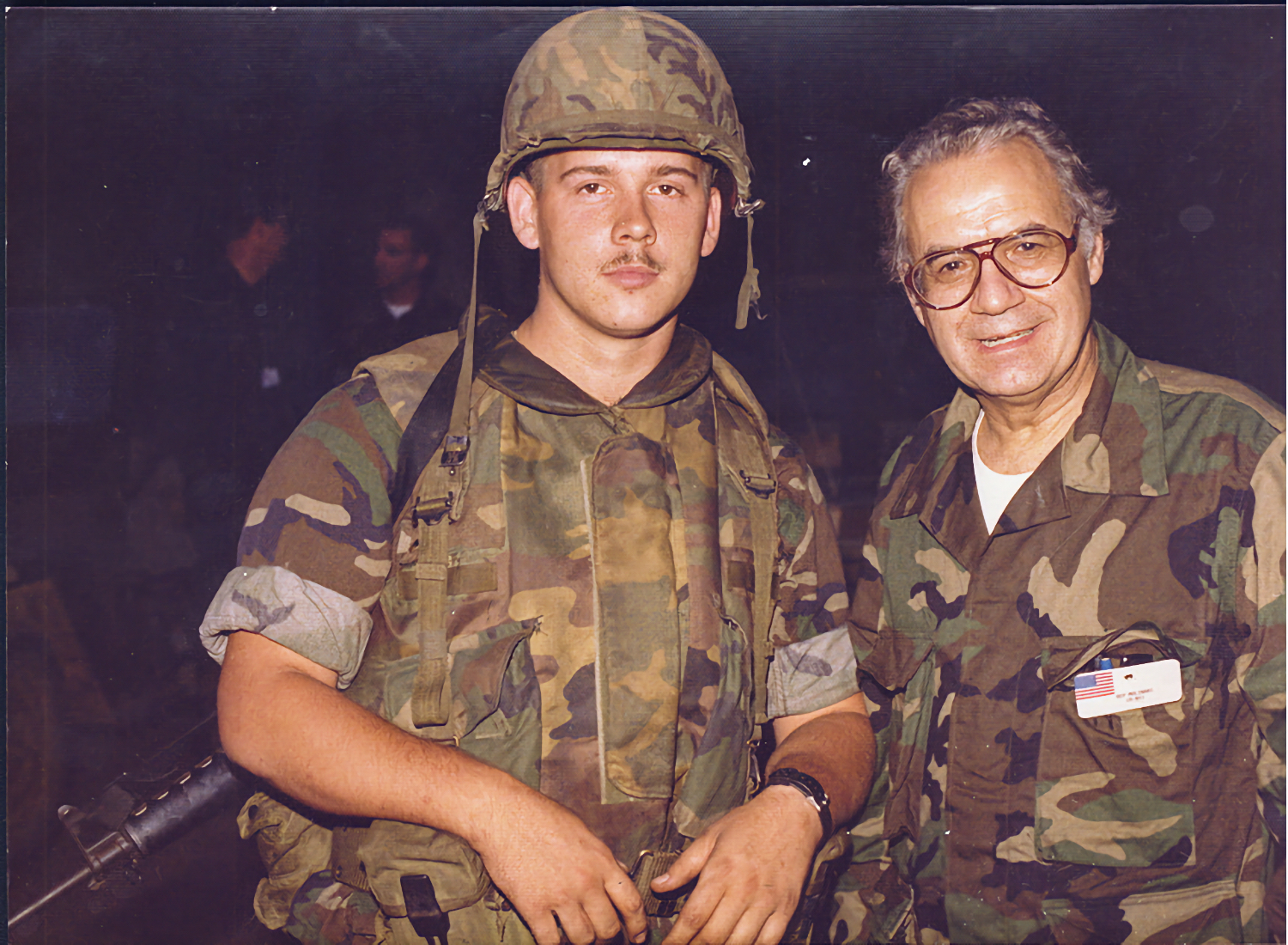
It’s fall 1983 in Beirut, Lebanon. A 21-year-old Marine from Staten Island walks toward his battalion headquarters to begin his shift as a radio operator. It’s only 6:15 a.m.—an early start for a Sunday by anyone’s standard. Most of his buddies are still sound asleep in the four-story building looming ahead. By chance, one of those Marines exits the building. They pause to chat as their paths cross barely 50 yards from the barracks. Without warning, at 6:22 a.m., the entire building explodes.
The headquarters and barracks of Battalion Landing Team, 1st Battalion, 8th Marines, was instantly reduced into a pile of rubble with hundreds of men trapped inside. John “Chip” Chipura, standing so close outside the structure, miraculously survived. The explosion threw Chipura off his feet and knocked him unconscious. The Marine he stopped to speak with was killed. When he came to, Chipura awoke to a scene of unfathomable carnage. He did not seek treatment or run away from the danger. He ran toward it. Chipura battled a choking dust cloud and a chaotic maze of concrete, searching for survivors. Hundreds more joined him in the race against the clock to exhume the living, their cries a dreadful chorus rising from the wreckage.
Back in Staten Island, Chipura’s family spent three days without any information. Seeing the destruction broadcast on national TV, they were sure he was lost. It was not until their congressman traveled to Beirut to assess the situation that they heard anything.
“I’m in Beirut right now,” the politician stated triumphantly to Chipura’s distraught mother over the phone. “I have your son here, and he’s safe.”
Chipura left active duty the following year. Oct. 23, 1983, left an indelible scar. How could anything ever be worse than what he witnessed in Beirut? Two hundred and forty-one of his fellow servicemembers died all around him. A chance conversation was all that spared him from the death toll. If he’d held that Marine outside the building in conversation just one minute longer, might his life have been spared too? Never again would Chipura allow an opportunity to pass for him to stop, get to know someone and try to help them out.
As soon as he returned to Staten Island, the Marine who witnessed firsthand the deadliest terrorist attack Americans had ever experienced decided to hold the line between his fellow New Yorkers and those who would seek to do them harm. Chipura joined the New York City Police Department. The job carried great personal weight, as Chipura was assigned to protect the same neighborhood in which he was born and raised. He worked for seven years before earning the gold shield of a narcotics detective. After 12 years of distinguished service, Chipura decided it was time for another career change.
“He always thought people call the police department when there’s a problem, to get somebody bad, but you call the fire department when people needed help,” recalled Chipura’s younger brother, Gerard, in the years after 9/11.
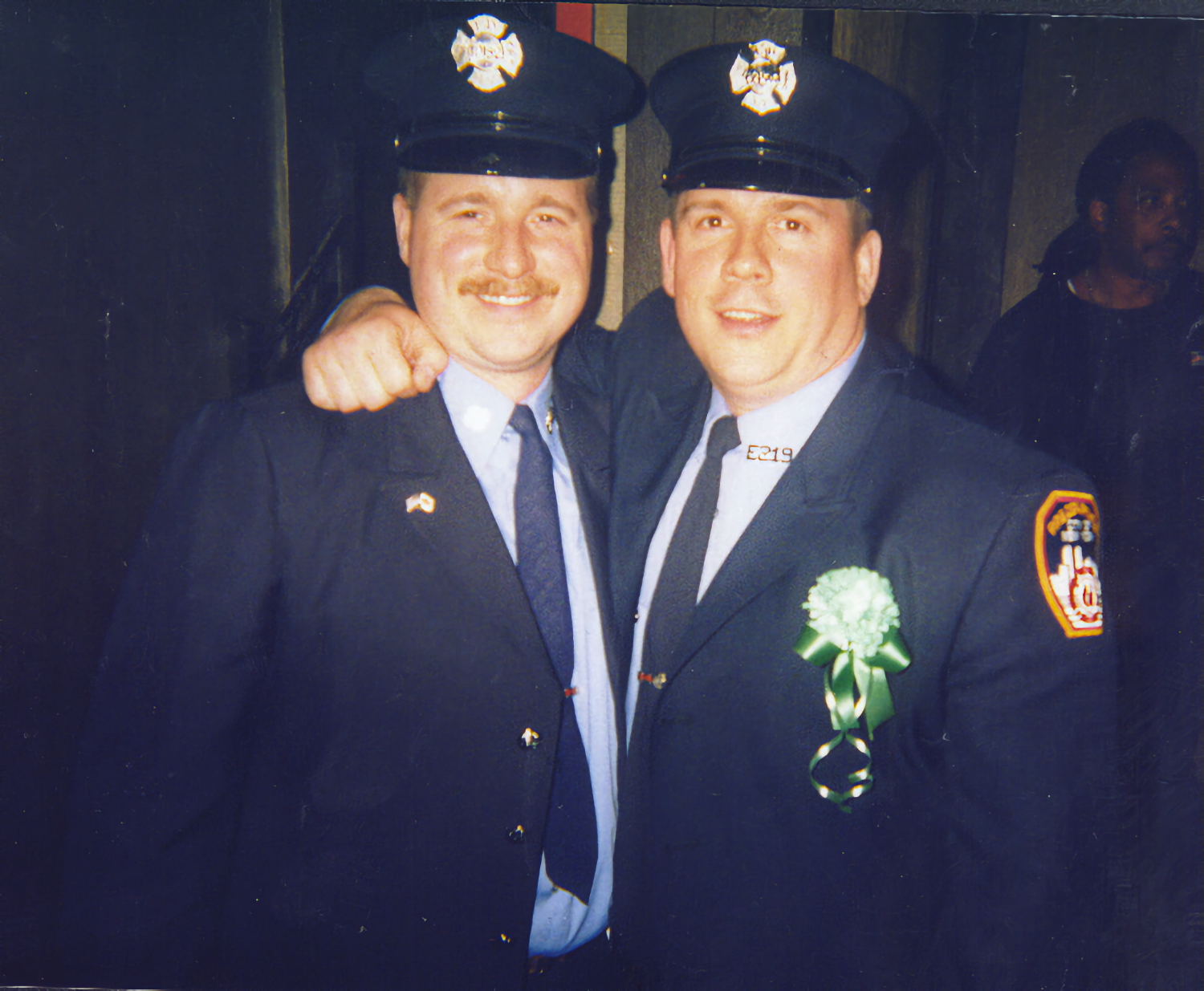
The fire service became a Chipura family tradition. John’s father, Anthony, retired from FDNY in 1971 and Gerard served with the department beginning in 1991. At the age of 37, John entered the fire academy. He graduated in 1998.
By the end of summer in 2001, Chipura found new heights of hope and happiness. He achieved his dream of becoming a firefighter. He met the girl of his dreams and set a date for their wedding that October. His 40th birthday was right around the corner.
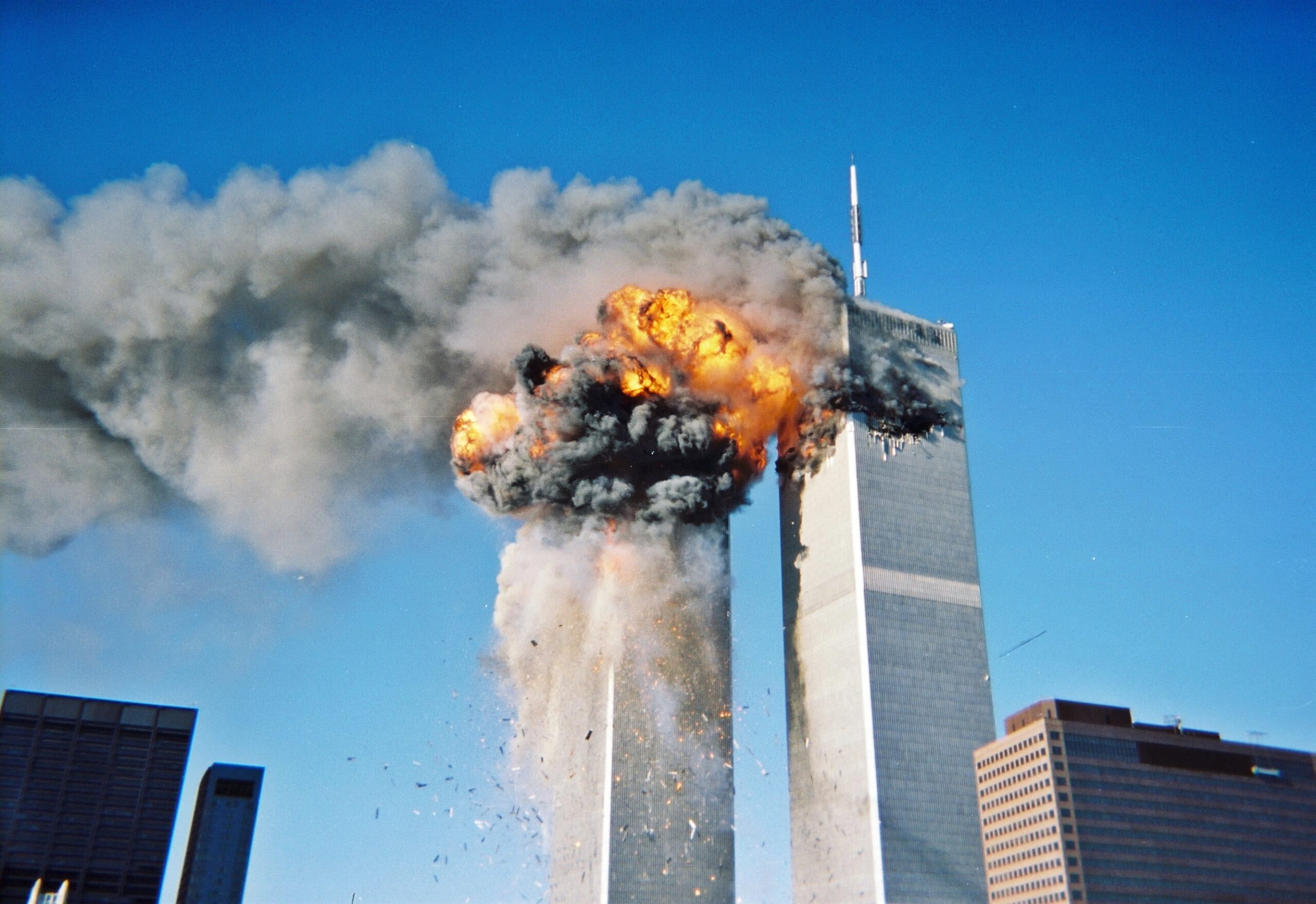
On Sept. 11, Chipura arrived at the firehouse, assigned to Ladder 105 for the day. At 8:54 a.m., his company responded to the World Trade Center. Before he left the station, Chipura phoned his fiancée at her office, just five blocks from the towers. He asked if she had heard any news regarding his sister, Nancy. Nancy worked for the Port Authority on the 39th floor of the north tower—the only tower so far struck by an aircraft. By the time Chipura’s fiancée learned Nancy was safe and called back to tell him, Ladder 105 was already gone.
The ladder company responded to the south tower. Even as his sister evacuated from the adjacent tower, Chipura was last seen helping rescue civilians in the wake of the second attack. The south tower collapsed just 56 minutes later. Chipura and the five other firefighters of Ladder 105 were not heard from again.
Gerard Chipura was at home with his children on 9/11. His sister, Nancy, made it home safely. Gerard’s wife, also in Manhattan when the airplanes struck, made it off the island. John’s fiancée, too, had returned. His brother was the only one missing.
September 11th became an anguished echo of Oct. 23, 1983. The Chipura family waited in agony for news. Mercifully, both of John’s parents preceded him in death. To lose him once nearly crushed them. To lose him twice would be more than they could bear. Gerard first arrived at Ground Zero on Sept. 13 and began a nightly routine of digging through the wreckage. He returned to the rubble time after time for months.
“One night I was working with one other friend of mine,” Gerard recalled recently. “Someone hung this massive banner on one of the buildings next to Ground Zero that said, ‘Never forget.’ I said to my friend, ‘You know, this is crazy. My brother did this same thing in 1983. He was digging for his friends and comrades in arms in Beirut. What are the chances we would both have this experience?’ It was surreal to me that I was doing the same thing my brother did 18 years before. I knew forgetting him would never be an option for me. I would always remember my brother and who he was.”
Not until the spring of 2002 was the family notified that a portion of John’s remains had been identified at a landfill outside the city sifting through World Trade Center debris. John Chipura is buried at Long Island National Cemetery in East Farmingdale, N.Y. His life unfolded in chapters, depending on the uniform he wore—an Eagle Scout, a Marine, a police officer and finally a firefighter. Throughout it all, a singular defining purpose drove his every decision.
“John was always helping people, and we wanted to do the same,” said Gerard today. “We created the John G. Chipura Foundation in his memory. We tell people we’re a tiny foundation and we’re not going to change your life, but we might change your life today. Every person we can help, we do it in his memory.”
Charlie Anaya
It’s January 1991 in New York City. A 24-year-old Marine from Manhattan walks into the recruiter’s office. He’s got a problem. He stood on yellow footprints years ago, the Eagle, Globe and Anchor now forever seared upon his soul. The problem, though, is one of unfortunate timing. He’s not actually in the Marine Corps anymore. After four years of peacetime service, he left active duty. Now, just a few short years later, a war is raging without him in the Persian Gulf. To him, patriotism looks a lot more like action than a T-shirt or a bumper sticker. To him, reenlisting is the answer to honor the voice inside him, compelling him to do more.
Calixto “Charlie” Anaya Jr. first enlisted as a teenager in 1984. He spent four years with 3rd Landing Support Battalion (LSB), 3rd Force Service Support Group, in Okinawa, Japan.
“Chucky, as we called him back then, was always a smiling Marine,” stated a fellow 3rd LSB veteran in an online memorial page dedicated to Anaya. “To know Chuck was to know that big smile he always had!”
Like any good Marine, Anaya wouldn’t hesitate to put himself at risk in defense of those he loved or what he thought was right. The same veteran tells a story from 1985 in which Anaya wound up in a fist fight with a Sailor where one of his front teeth was knocked out. The Marines rescued the tooth from the pavement and drove Anaya to the emergency room. Doctors managed to fix the missing chiclet and salvage his trademark smile.
He left the Marines in 1988. He met his future bride, Marie, and they married in 1990. A simple, civil ceremony wed them together at first, but Anaya was a man insistent on finishing what he started and doing things the right way. They wanted a large wedding in a grand church but could not afford to do so. The Anayas saved their money for six months before finally walking down the aisle in a formal ceremony at St. Rita’s Roman Catholic Church in Brooklyn.
In December 1990, the 6th Communication Battalion, a reserve unit headquartered out of Brooklyn, activated and deployed in support of Operation Desert Storm. Anaya felt the pull to join his hometown unit overseas. He remained on the Corps’ roster as part of the Individual Ready Reserve. He took advantage of this status and voluntarily reenlisted with the battalion. He arrived in Saudi Arabia on Feb. 13, 1991, less than two weeks before the ground offensive kicked off. He remained on active duty with the battalion until he returned home at the end of May. Anaya’s reserve obligation ended the following year. He settled with his family in Suffern, N.Y., 30 miles north of the city.
Anaya transitioned into civilian life as an employee of UPS and an active member of the community. He coached youth sports with his three young children. He served as a volunteer firefighter with Suffern Volunteer Hose Company No. 1. His patriotic fervor never waned. An American flag flew every day outside his home. Another flag traveled with him to be set up wherever the family went, whether camping in the woods or taking a trip to the beach.
After nearly a decade, Anaya sought another return to service. Working in the volunteer world gave him a taste, but he desired the camaraderie, challenge and profession of service that he loved and missed about the Marine Corps. In 2001, FDNY appointed the 35-year-old as a probationary firefighter. He began the course of instruction at the fire academy.
By that fall, Anaya and his fellow classmates were rotating through temporary assignments at operational firehouses. Anaya was assigned to Engine 4, less than half a mile away from the World Trade Center. Shortly after the first plane struck the north tower on 9/11, Engine 4 responded. As an academy probie, Anaya held no official role or responsibility within the engine company. Even so, he joined his fellow firefighters as they entered the north tower. Incredibly, photos of Anaya survived the day. They show him ascending a cramped staircase inside the tower against a descending line of civilians, heavily laden with gear and firehose. The photographer who captured these moments escaped the tower before it collapsed. Anaya and the rest of Engine 4 did not.
Less than two months later, FDNY conducted its first fire academy graduation since the terrorist attacks. More than 200 newly minted firefighters filled row after row of seating, awaiting their turn to come forward and receive their diploma. More than 2,000 spectators joined them in marking this monumental step forward in rebuilding their beloved city. Six chairs remained vacant in stark contrast to the crowd. These six most important seats were reserved for Charlie Anaya and five other probationary firefighters who died on 9/11, killed in the line of duty before completing the academy graduation requirements. During the ceremony, when his father’s name was called, 6-year-old Brandon Anaya walked to the stage to accept the posthumous diploma, dressed in his father’s oversized FDNY uniform hat.
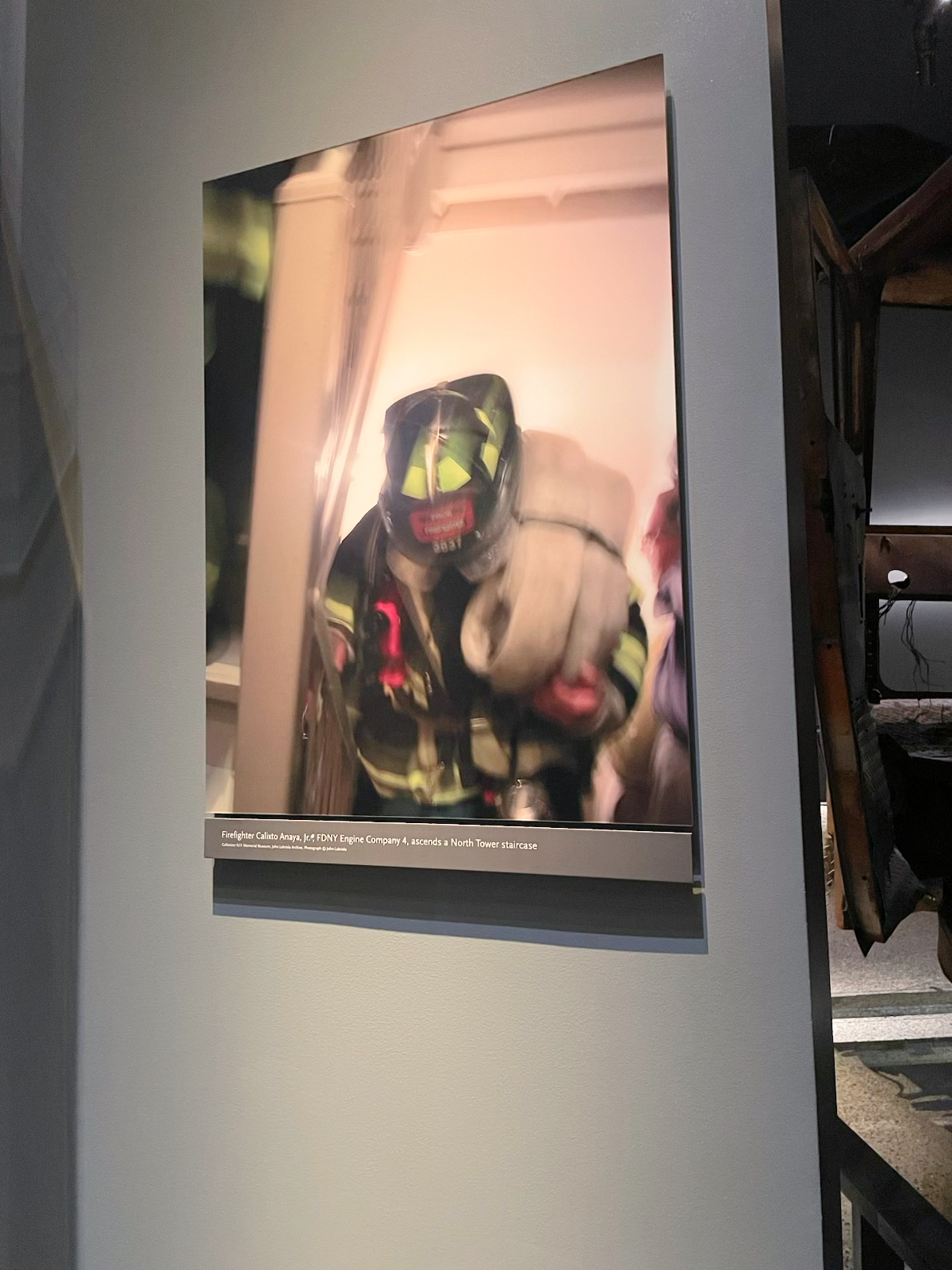
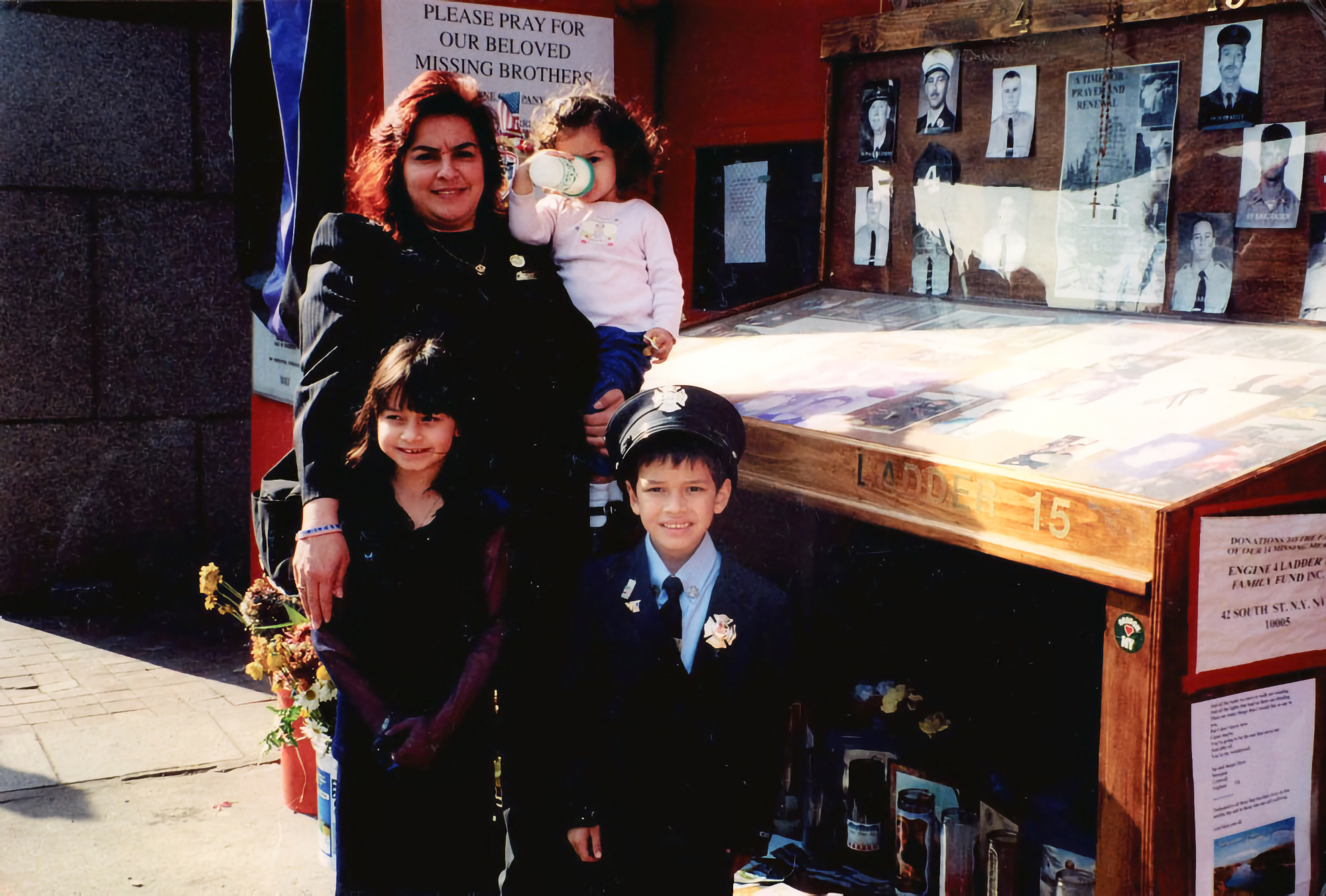
“I wasn’t really aware of what was going on or the impact it had,” Brandon reflected in a recent interview. “My father’s death didn’t really hit me until I was an adult, and I realized how much time was robbed from me that I could have spent with him.”
Now 30 years old, Brandon Anaya works as an employee of Tunnel to Towers Foundation, a nonprofit founded in 2001 to benefit first responders, veterans and families of those killed on 9/11.
“I remember before my dad died, when we moved to upstate New York, before any furniture made it into the house, my dad had to put up an American flag outside. There is a video my mom recorded of him talking about it to me and my sisters. It’s tough for me to watch that video. He talks about the American dream and how to keep it alive and how to keep the legacy alive. Sometimes I wonder why am I putting myself through the emotions of working here where I am so personally connected when I could just go work another job. But at the same time, I want to be here and keep the legacy alive. I want to make my father proud.”
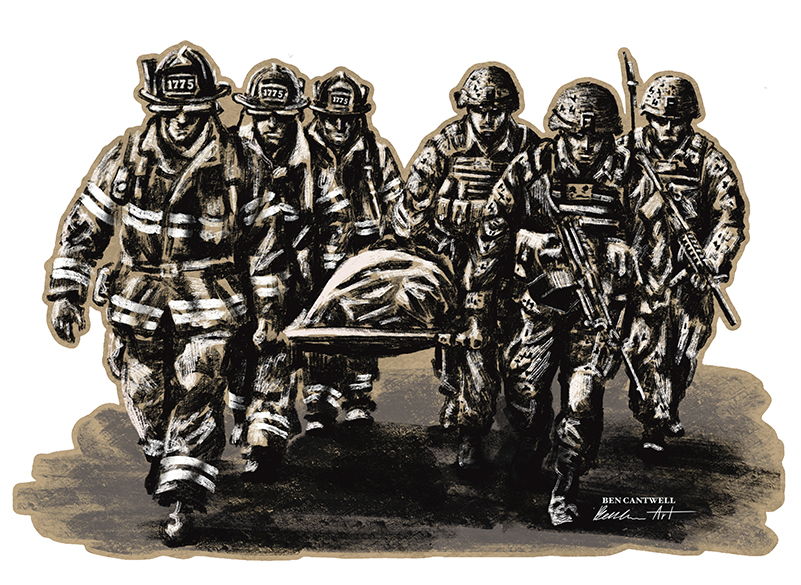
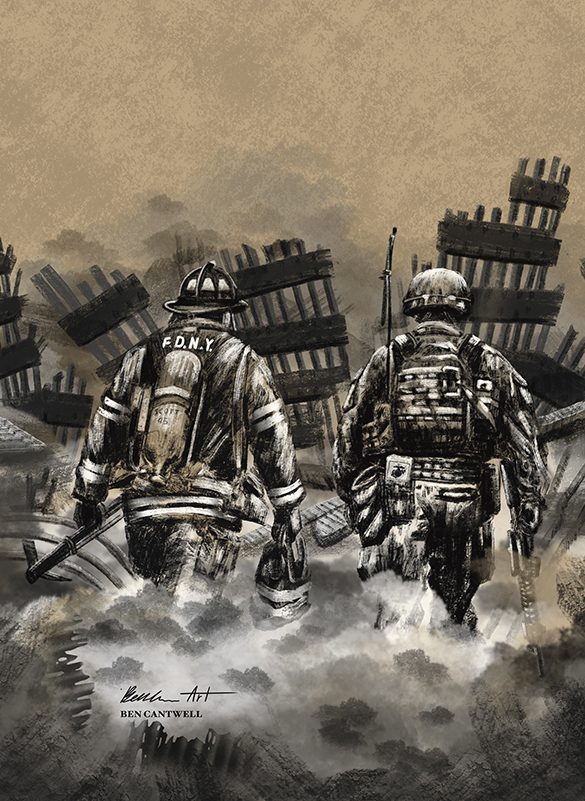
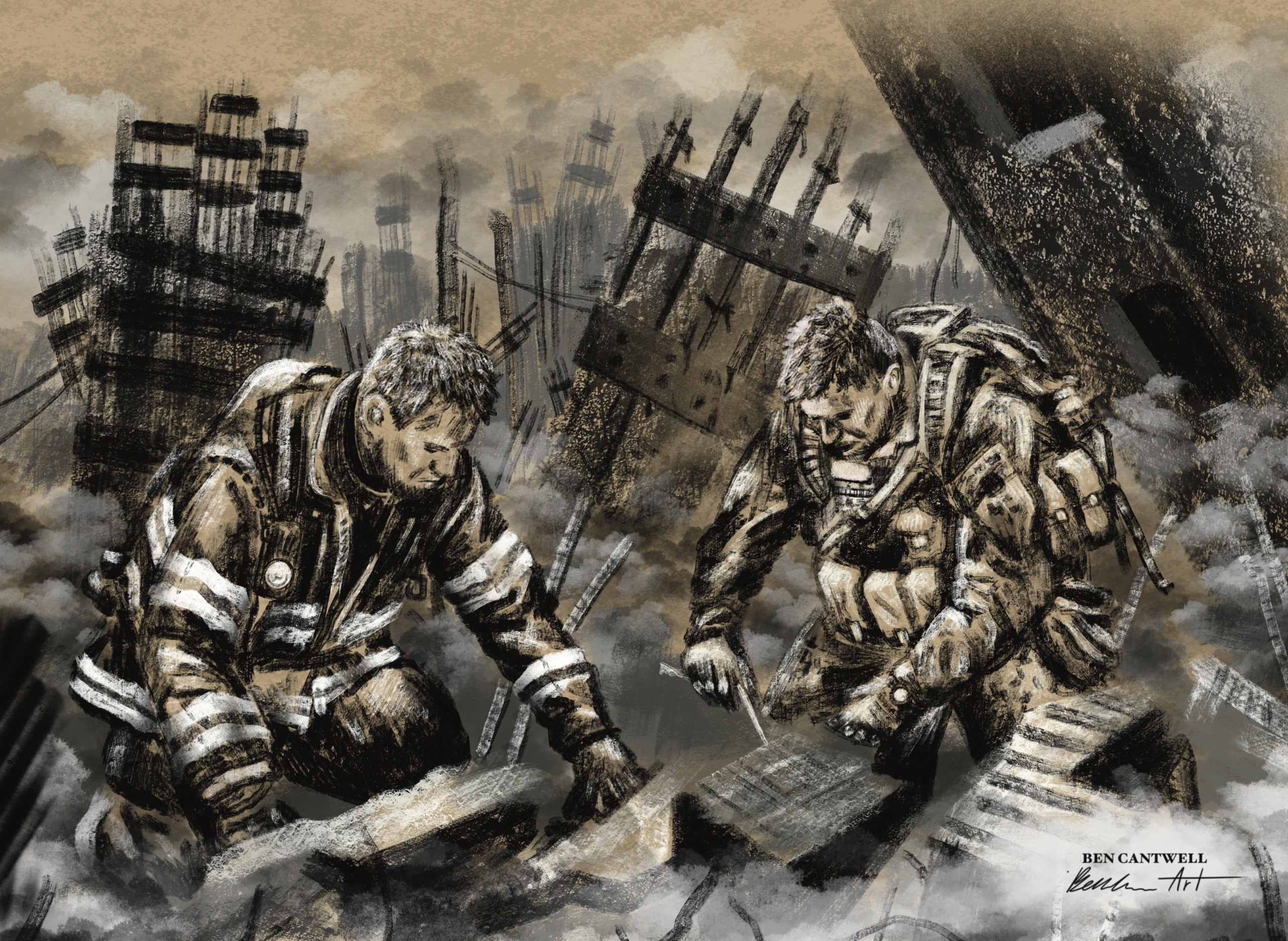
These images represent Marine firefighters at Ground Zero, created by Ben Cantwell, Marine veteran and professional firefighter.
FIREFIGHTERS AND MARINES
It’s Sept. 11, 2001. The sun ascends to silhouette the Manhattan skyline. The morning begins just like any other. As the clock passes 8:46 a.m., a passenger aircraft flies into the World Trade Center’s north tower and explodes. The attack immediately triggers the largest FDNY response in history. Injured, burned and terrified civilians rush down the stairs and flood the streets below as fire units arrive on scene. While a second terrorist plane strikes the south tower directly over their heads, even while dozens of civilians fall or jump to their deaths to escape the unimaginable horror inside, hundreds of New York’s bravest push into the towers and up.
Deputy Chief Raymond Downey, a Marine in the 1950s and 39-year veteran of FDNY, ran into the Marriott Hotel between the towers when the south tower collapsed. He remained inside rescuing civilians when the north tower fell.
Battalion Chief Joseph Grzelak, a Vietnam veteran and 28-year member of FDNY, brought with him to the towers a binder full of research he had conducted over the years about fighting high-rise fires. He was last seen outside the north tower, admonishing firefighters to put their helmets on before entering the structure.
Captain Michael Esposito, who enlisted in 1978 prior to his 20-year career with FDNY, rode in charge of Squad 1 to the World Trade Center. All 12 members of his company were last seen inside the south tower. Fellow Marine and firefighter Matthew Garvey was with Esposito on Squad 1. Garvey was a gunnery sergeant in the Marine Corps Reserve and a veteran of Beirut and Operation Desert Storm.
Firefighter Gary Geidel served 20 years in the FDNY after his time as an active-duty aircraft mechanic. His retirement date was set for that October. He perished with 10 other members of Rescue 1.
Firefighter Gregory Sikorsky, a former rifleman and five-year FDNY veteran, worked with members of Squad 41 to rescue civilians trapped in an elevator on the 43rd floor of the south tower when the building collapsed.
Firefighter Kevin Smith was a Marine noncommissioned officer, a 23-year veteran of FDNY and a founding member of Hazardous Materials Company 1. Smith and 10 other members of HAZMAT 1 were killed.
Firefighter Ronnie Henderson served more than 10 years in the Marines and 22 years with FDNY assigned to Engine 279. Firefighter Christian Regenhard, a former Recon Marine, graduated from the fire academy in July 2001 and was a probie assigned to Ladder 131 at the same firehouse as Henderson. Both responded for the last time to the World Trade Center.
Firefighter William Krukowski, a former mortarman, served approximately three years with Ladder 21 in Manhattan. Firefighter Manuel Mojica, a former military police officer, served 11 years with Squad 18 in Manhattan. Firefighter Allan Tarasiewicz, a former shore party man, had 12 years, earning his way into Rescue 5 in Staten Island. All three perished when the towers fell.
Firefighter Sean Tallon, an active Marine reservist and assaultman, was a probie with 11 months on. He was last seen pausing in the stairwell of the north tower to help a brother firefighter having a medical emergency before continuing up with the rest of his crew deeper into the chaos.
Firefighter Ruben Correa, a former assaultman now 13 years on the job, responded to the Marriott with Engine 74. He was overheard encouraging the junior men with him before they went inside.
“Stay close to me, loosen your coat, don’t overheat,” he told them. “Look, I’m scared too. We have to put that in the back of our minds.”
Several of the 17 Marines were recovered from the rubble alongside their fallen brethren over the following weeks and months. Some were identified only through DNA testing. Others were never recovered or identified in any form. For a few, such as Ruben Correa, Gary Geidel, Ronnie Henderson and Christian Regenhard, their names etched in panels of the National September 11 Memorial serve as the closest thing to a gravestone they have today.
EPILOGUE
It’s summer 2026 in Triangle, Va. I park my truck and begin walking toward the distant tree line. At the woods’ edge, a massive concrete circle dominates the hillside above me, like a redoubt constructed to guard the entrance. Gleaming letters in polished silver around the fortification reveal its purpose, standing not to bar entry into this hallowed ground, but to safeguard the thread that unifies all those remembered here.
“ONCE A MARINE … ALWAYS A MARINE”
The endpoint of my journey lies a half mile away, deep inside the manicured forest. Golden rays of sun weave through the trees to dance along the sidewalk. Beautiful pillars of granite jut from the earth at regular intervals with names etched in mirrored stone.
Around the final corner, my destination stands. Two beams of World Trade Center steel soar above the walkway. Far from polished granite, they carry hideous scars. One bears the Eagle, Globe and Anchor, the other the emblem of FDNY. They resolutely rise in the same unmistakable fashion as the buildings from which they came. I was only 14 when I watched those towers fall, but I feel it now as tangibly as the breeze against my face. In fact, I feel it more.
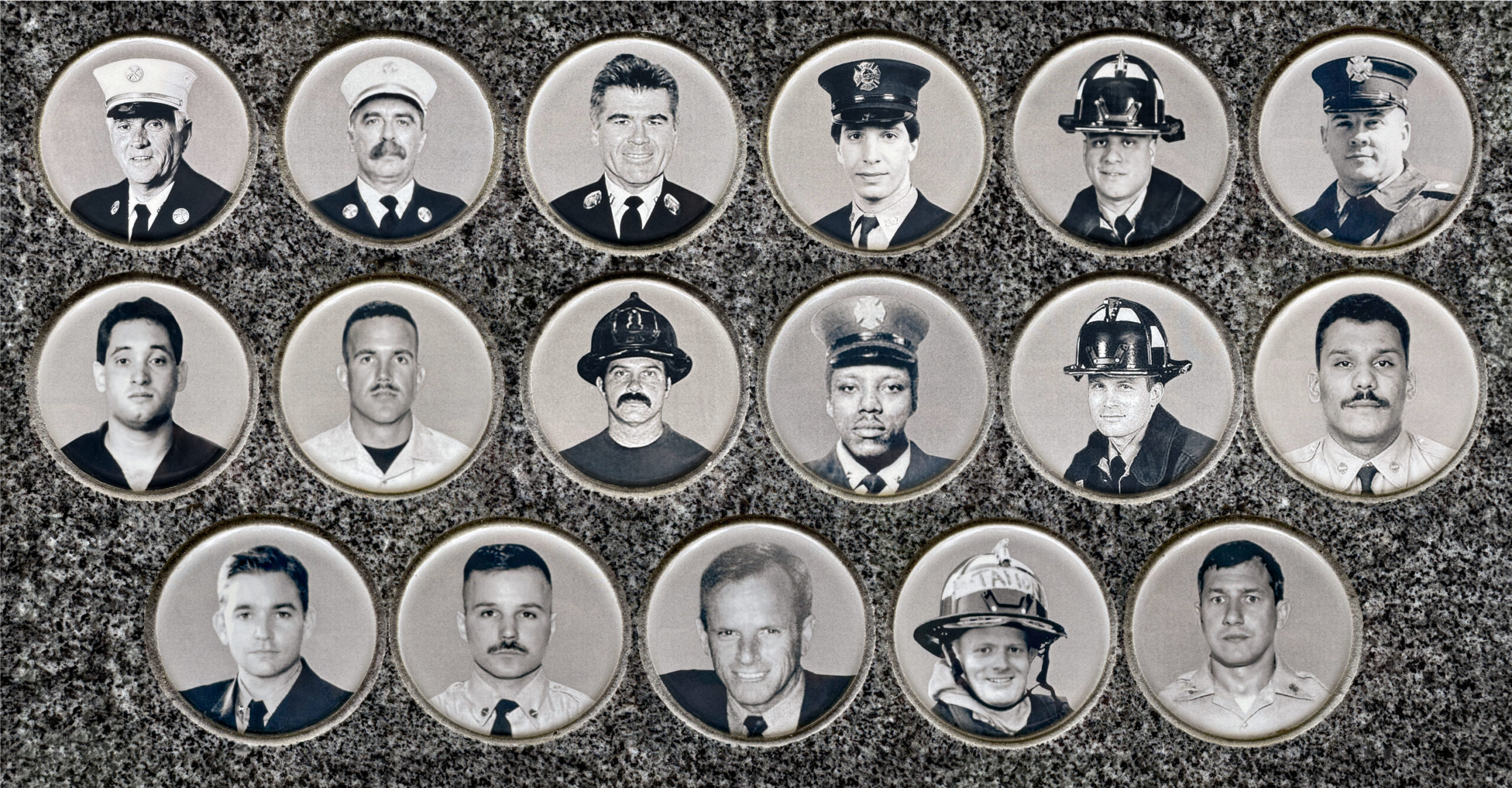
Beside the rusted, cold steel sits a black granite memorial, inscribed with 17 names—17 faces staring back at me. I never knew these men. I truly wish I had. We hold each other’s gaze for a while. I turn and walk back the way I came, through the trees and dancing light and granite pillars, each shaped as uniquely as the Marines they honor.
THE 17
A Record of Service
The following profiles honor the 17 Marines who died as members of the New York City Fire Department (FDNY) on Sept. 11, 2001. Their service is further recognized in the main story, “Once A Marine: The 17 Who Died as New York’s Bravest.” All wore two uniforms and gave everything they had to both.
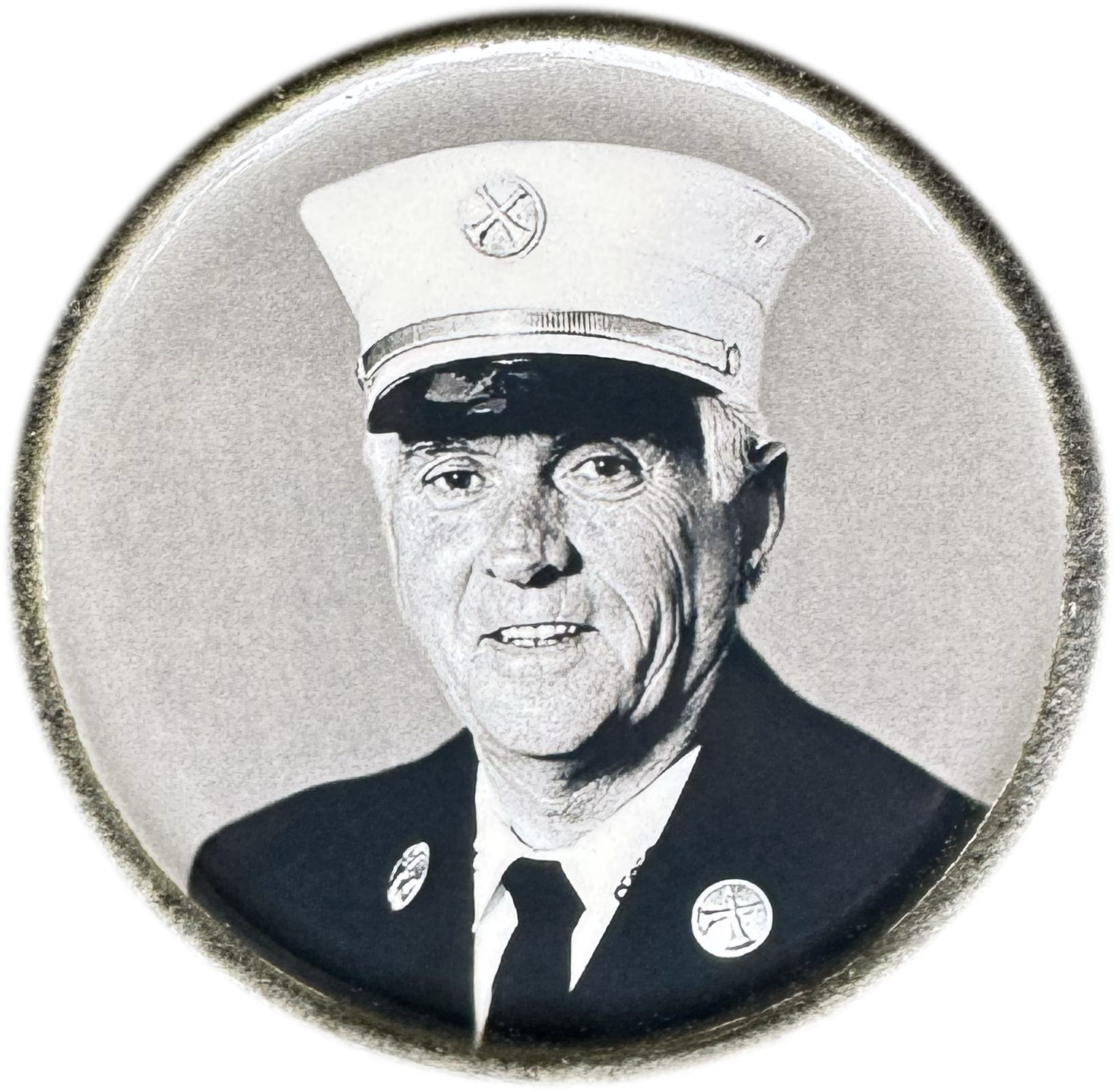
Deputy Chief Raymond M. Downey Sr.
Marine Corps Service:
On active duty from 1956 to 1959. Served as an 0141 administrative man with 2nd Battalion, 10th Marines, and left the Corps as a corporal.
FDNY Career:
Appointed a probationary firefighter in 1962 and rose through the ranks to battalion chief after 39 years of service. He was posthumously promoted to deputy chief. Downey was widely regarded as a legend within the department. He was a founding member of the Federal Emergency Management Agency’s Urban Search and Rescue (USAR) Teams. Throughout his career, he responded with USAR to the 1993 World Trade Center bombing, the 1995 Oklahoma City bombing, the 1996 Atlanta Olympics bombing and six hurricanes. He was a member of the presidential committee on terrorism response known as the Gilmore Commission and received individual valor medals for previous rescues. At the time of his death, Downey served as the chief of all FDNY Special Operations Command.
Additional:
Downey joined FDNY alongside two of his brothers. Two of his sons also became FDNY chiefs. Even in his 60s, Downey ran several miles every day around his home in Deer Park, Long Island. He served as the FDNY hockey team’s first captain.
In Memoriam:
On Sept. 11, Downey was coordinating evacuations at the Marriott Hotel between the towers when the south tower collapsed. He was last seen pushing deeper into the hotel wreckage to rescue civilians when the north tower collapsed. His remains were recovered and identified by DNA eight months later. He is buried at St. Charles Cemetery, East Farmingdale, N.Y. He is remembered on panel S-9 of the 9/11 Memorial. He was 63 years old.
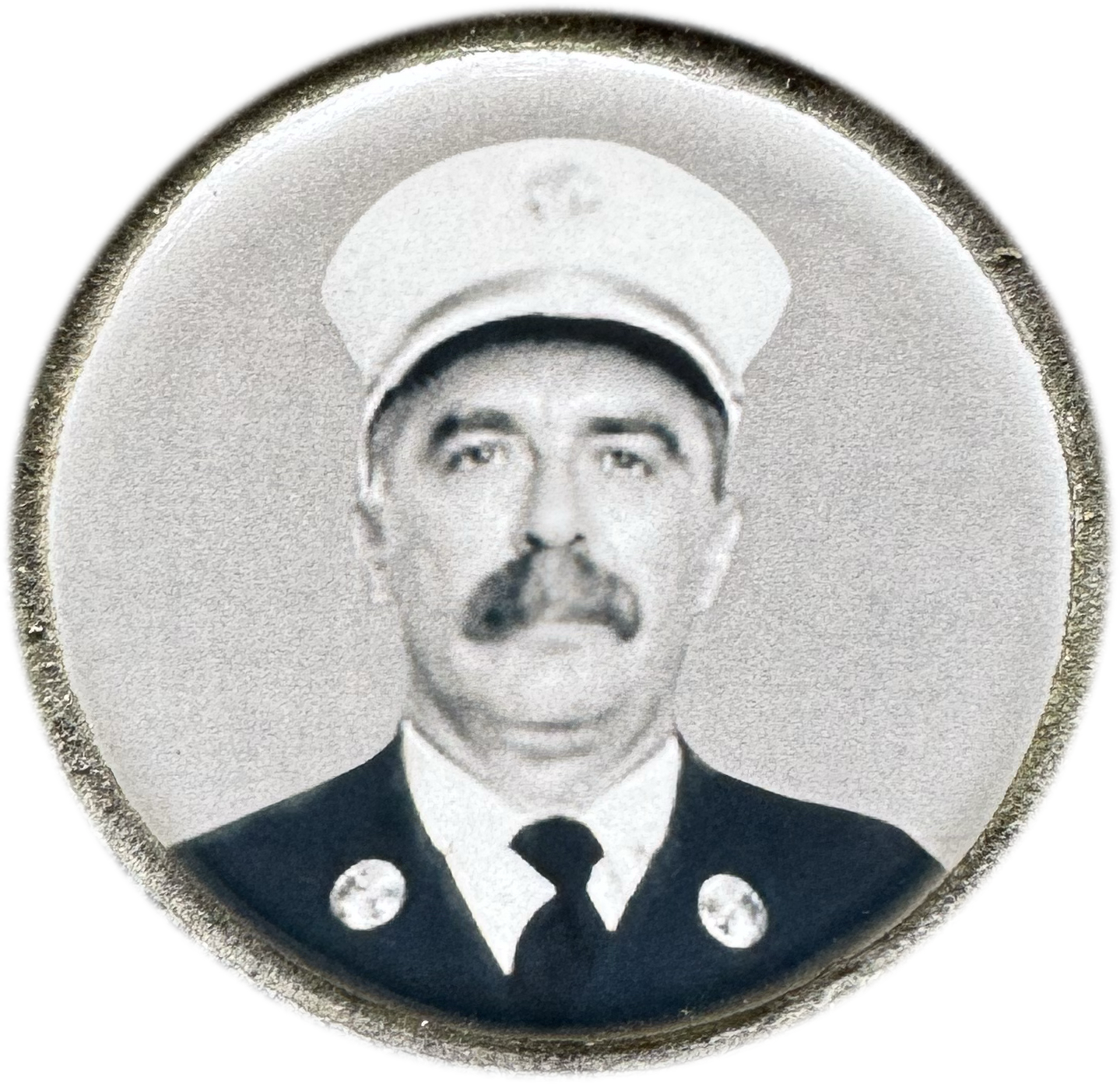
Battalion Chief Joseph Grzelak
Marine Corps Service:
On active duty from 1966 to 1970. Served as a 6212 aircraft mechanic. Deployed to Vietnam with Marine Observation Squadron 6 from 1968 to 1969, where he earned five Air Medals and the USMC Combat Aircrew insignia with three gold stars. He left the Marines as a sergeant.
FDNY Career:
Appointed in 1973 and served for 28 years. He received two individual citations for life-saving actions while off duty. At the time of his death, he served in command of Battalion 48 in Brooklyn.
Additional:
Grzelak’s nickname at the firehouse was “Joe Knows,” due to his extra-ordinary appetite for information and ability to retain it. He consumed multiple newspapers daily, completed crossword puzzles and read all sorts of books. His family encouraged him to try out for Jeopardy. He was known as “a firefighter’s chief,” always looking out for his subordinates. He was a sports enthusiast, fervently cheering on the New York Yankees and Giants, playing weekly in bowling and softball leagues and coaching both his daughters’ softball teams as they grew up.
In Memoriam:
On Sept. 11, On Sept. 11, Grzelak brought with him to the World Trade Center a binder of research he had compiled over years about fighting high-rise fires. It was later discovered inside of his crushed command vehicle. He was last seen instructing firefighters outside the north tower to put their helmets on before going inside. His remains were recovered in March 2002. He is buried at Cemetery of the Resurrection, Pleasant Plains, Staten Island, N.Y. He is remembered on panel S-19 of the 9/11 Memorial. He was 52 years old.
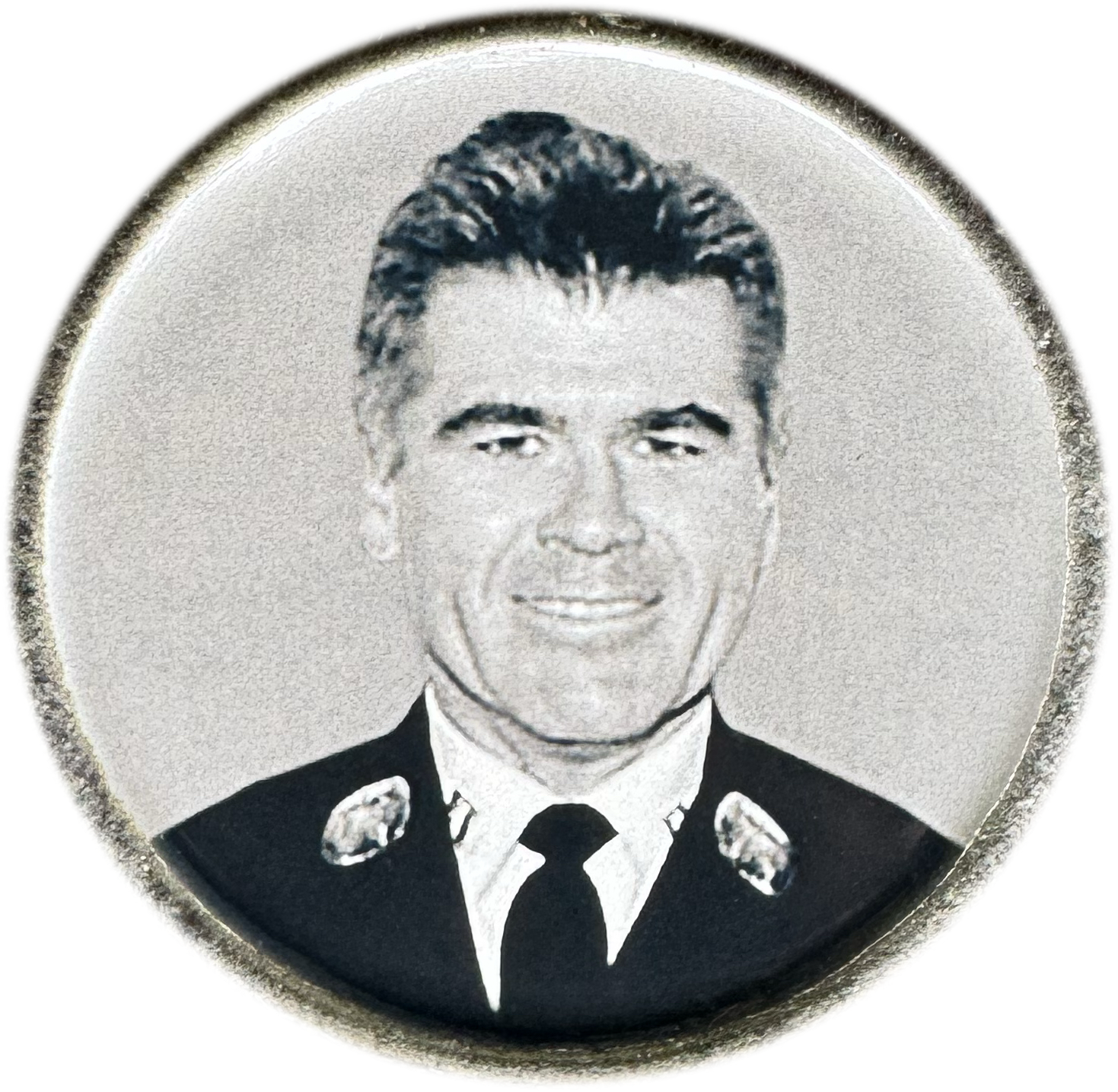
Captain Patrick J. Brown
Marine Corps Service:
On active duty from 1969 to 1973. Initially assigned as an administrative clerk, then changed to 1371 combat engineer to go to Vietnam. Deployed twice to combat with 3rd Combat Engineer Battalion, where he operated as a “tunnel rat.” Earned the Combat Action Ribbon, meritorious promotion to corporal and meritorious promotion to sergeant before leaving the Marines.
FDNY Career:
Appointed in 1977 and served for nearly 25 years. Brown was one of the most decorated firefighters in the department. His long list of individual awards include five prestigious FDNY Medal Day decorations, awarded in 1981, 1985, 1986 and two in 1988. He gained national recognition for his role in the improvised rope rescue in Times Square on May 14, 1991, featured on the CBS TV series “Rescue 911.” He was promoted to captain in 1993 and assumed his final role in charge of Ladder 3 in 2000.
Additional:
Brown’s brother, Michael, also served as a FDNY firefighter before becoming a medical doctor. In the immediate aftermath of 9/11, while all flights were grounded, Michael drove 2,500 miles from Las Vegas, Nev., to Ground Zero in New York. He spent weeks searching for his brother. Michael later developed cancer directly attributed to his time in the rubble and died in 2020.
In Memoriam:
On Sept. 11, Brown responded with Ladder 3 to the north tower. At 9:21 a.m., he placed a now-famous phone call from the 35th floor: “Three truck and we are still heading up.” His final words heard over the radio came from the 44th floor, where he refused to evacuate the tower and leave the injured and burned civilians with him. His remains were recovered in December 2001. He is remembered on panel S-8 of the 9/11 Memorial. He was 48 years old.
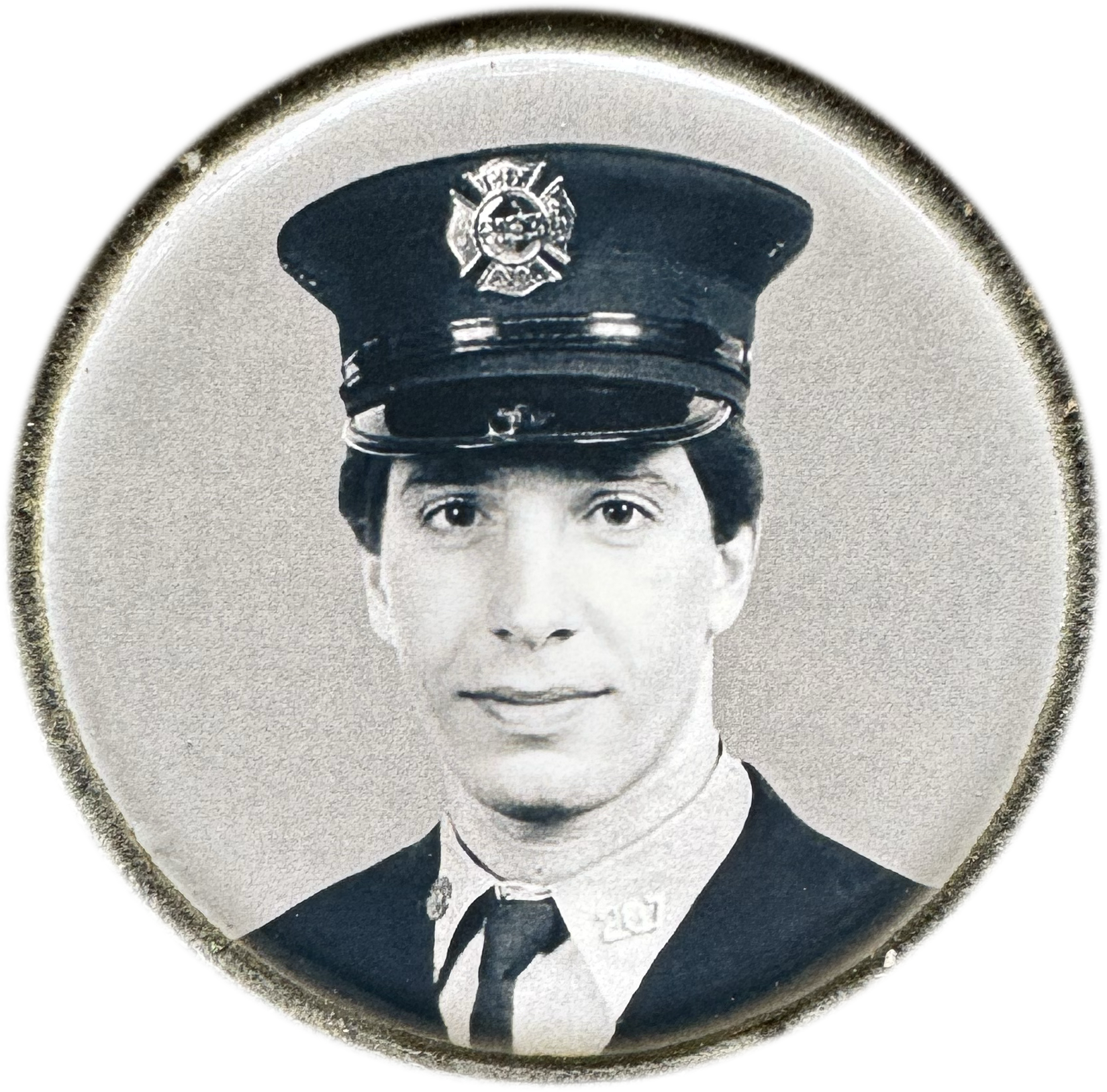
Captain Michael A. Esposito
Marine Corps Service:
Enlisted in 1978. Honorably discharged as a private, 9900 basic Marine, from MCRD Parris Island, S.C.
FDNY Career:
Served approximately 20 years with FDNY. He served as the lieutenant in charge of Squad 1 at the time of his death and was posthumously promoted to captain. Esposito was a member of FDNY’s Urban Search and Rescue Team. He deployed in support of the 1995 Oklahoma City bombing. He also deployed to upstate New York during the January 1998 ice storm.
Additional:
Esposito is remembered as a “regular guy” who led men, helped people and asked for nothing in return. His cousin, firefighter Frank Esposito of Engine 235, also died on Sept. 11. His brother, Joseph, was a firefighter with Rescue 5 who spent months working in the recovery operation at Ground Zero. His two sons also later became FDNY firefighters.
In Memoriam:
On Sept. 11, Esposito arrived to the World Trade Center in charge of 11 firefighters on Squad 1. They were last seen inside the south tower. All 12 were killed. One of the cab doors from Squad 1 was recovered from the rubble at Ground Zero. It is now part of the permanent display at the Smithsonian National Museum of American History in Washington, D.C. Esposito’s remains were recovered and buried at Cemetery of the Resurrection, Pleasant Plains, Staten Island, N.Y. He is remembered on panel S-7 of the 9/11 Memorial. He was 41 years old.
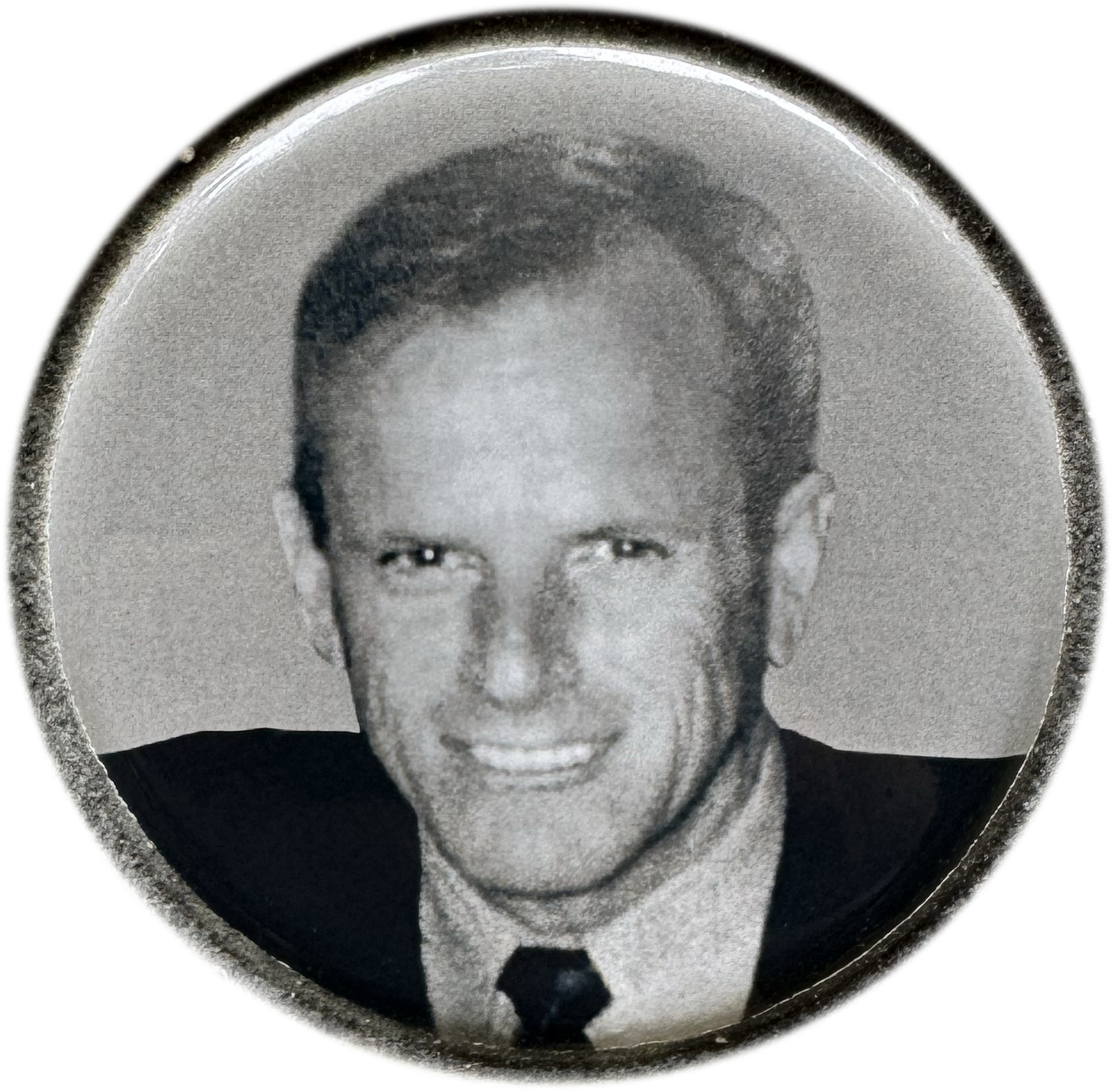
Firefighter Kevin J. Smith
Marine Corps Service:
On active duty from 1972 to 1974. Served as a 3531 motor vehicle operator with the 6th Marine Regiment and left the Marines as a corporal.
FDNY Career:
Appointed in approximately 1978 and served 23 years. In 1984, he served as a founding member of Hazardous Materials Company 1, still today the department’s only dedicated HAZMAT unit. He remained with the company throughout his career, responding to many of the worst disasters in the city.
Additional:
Smith and his wife, Jerri, had eight children. The entire family, including all eight children, volunteered with local fire and EMS companies. Smith’s daughter, Josephine, was 21 when her father was killed. She followed in her father’s footsteps and joined FDNY in 2014. One son, Brian, served as a fire department EMS officer at the World Trade Center on 9/11 and survived when the towers fell.
In Memoriam:
On Sept. 11, Smith responded to the World Trade Center with HAZMAT 1. Eleven members of the company entered the south tower and were killed when it collapsed. Squad 288, stationed at the same firehouse as HAZMAT 1, suffered eight members killed. The combined total, 19 lives lost, represented the largest loss from a single firehouse on 9/11. The loss of these men alone left 51 fatherless children. Smith’s remains were not recovered. He is remembered on panel S-9 of the 9/11 Memorial. He was 47 years old.
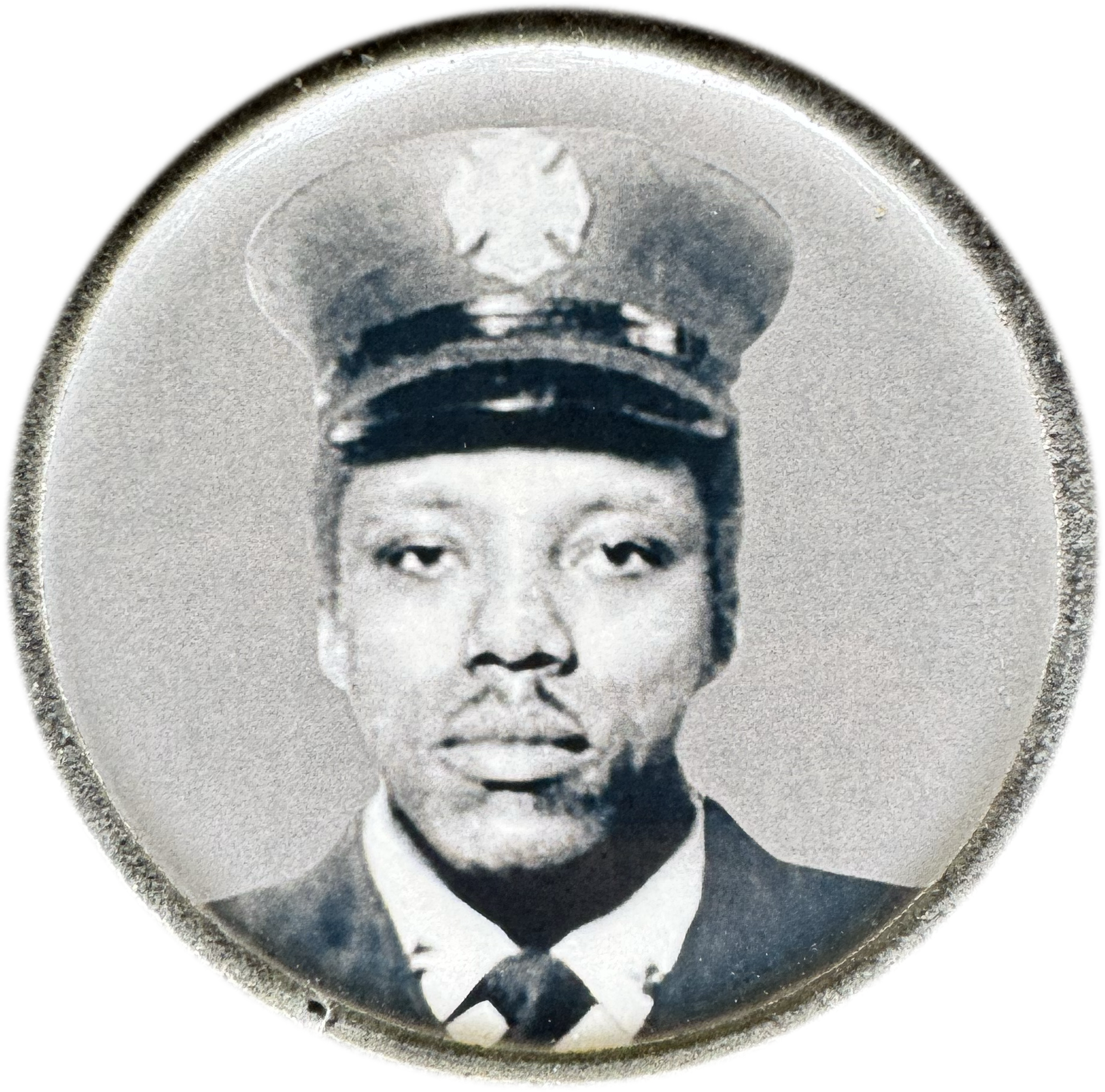
Firefighter Ronnie L. Henderson
Marine Corps Service:
On active duty from 1971 to 1973. Served as a 3531 motor vehicle operator with 9th Motor Transport Battalion and left active duty as a corporal. Continued his service in the Marine Corps Reserve for more than 10 years.
FDNY Career:
Appointed in approximately 1979 and served for more than 22 years. He spent his entire career with Engine 279 and Ladder 131 in Red Hook, Brooklyn.
Additional:
Henderson was an avid student of personal finances and financial responsibility. He and his wife of 18 years, Shirley, raised four children. He also helped raise five siblings from an early age. He was active in his home community and a member of the Church of God by Faith in Newburgh, N.Y.
In Memoriam:
On Sept. 11, Henderson responded to the north tower with Engine 279. Only one of the six firefighters in the company survived when the tower collapsed. His remains were never recovered. He is remembered on panel S-23 of the 9/11 Memorial. He was 52 years old.
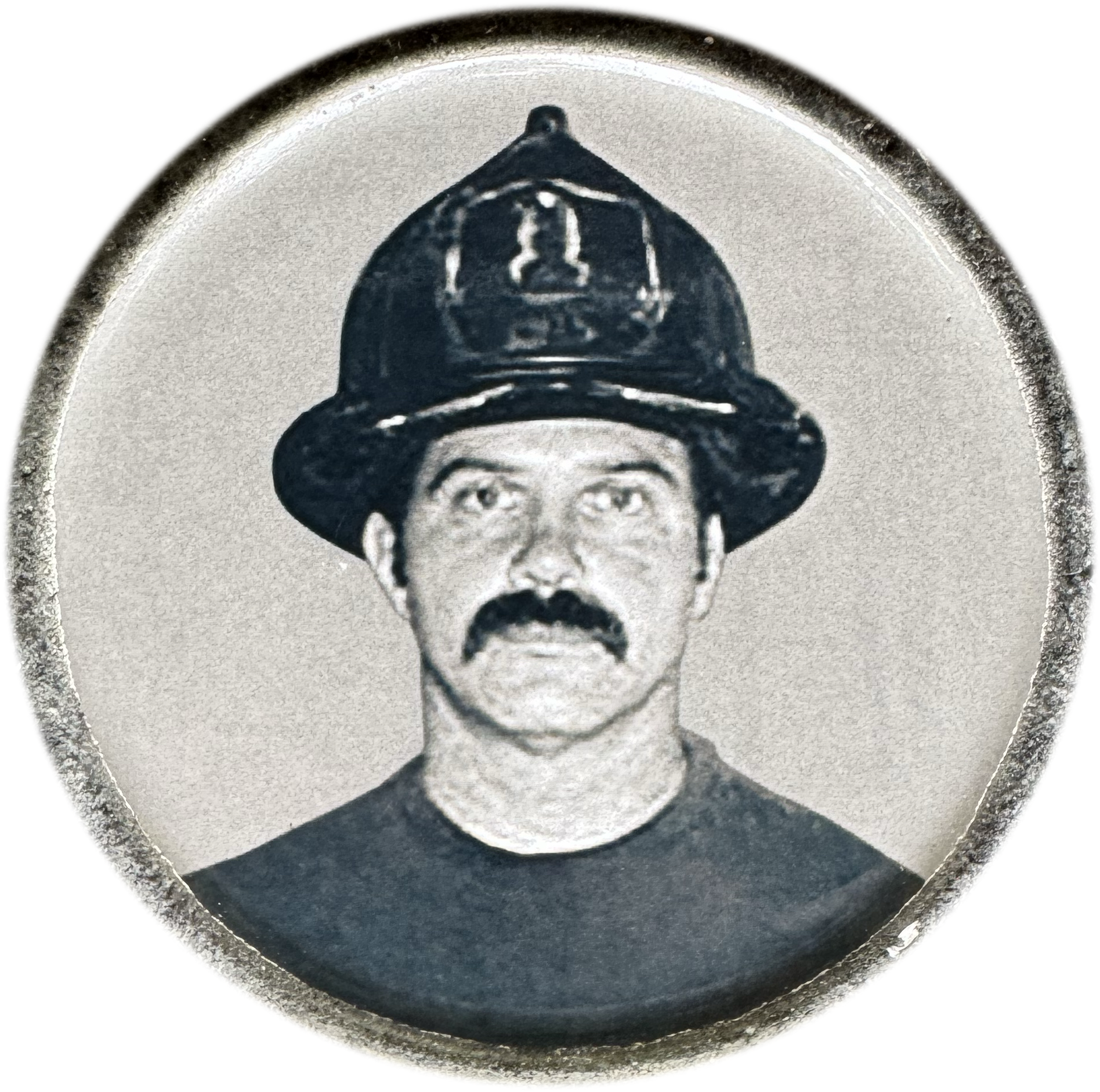
Firefighter Gary P. Geidel
Marine Corps Service:
On active duty from 1975 to 1979. Served as a 6064 flight equipment man with Marine Heavy Helicopter Squadron 361 at Marine Corps Air Station (MCAS) El Toro, Calif. He left the Marines as a corporal.
FDNY Career:
Appointed in 1981 and served approximately 20 years. His final assignment was with Rescue 1. He earned seven citations for valor over his career, including one during his response to the 1993 World Trade Center bombing. At the time of his death, his retirement date was set just weeks away in October 2001.
Additional:
Geidel came from a family history of FDNY service. His father, Paul, a U.S. Air Force veteran who flew in 43 combat missions during the Korean War, was a retired lieutenant at Rescue 1. He had two brothers, Ralph and Michael, who also served in the department. He was survived by his wife, Mathilda, and daughter, Tillie, 6 years old at the time of his death.
In Memoriam:
On Sept. 11, Geidel came to work on overtime. He responded to the north tower with Rescue 1. All 11 members of the crew were killed. His father Paul and brother Ralph spent months scouring the World Trade Center wreckage, but no trace of him was ever found. Ralph Geidel, also a Marine Corps veteran, died from 9/11-related illness in 2014. Paul Geidel died from 9/11-related cancer in 2017. Gary Geidel is remembered on panel S-10 of the 9/11 Memorial. He was 44 years old.
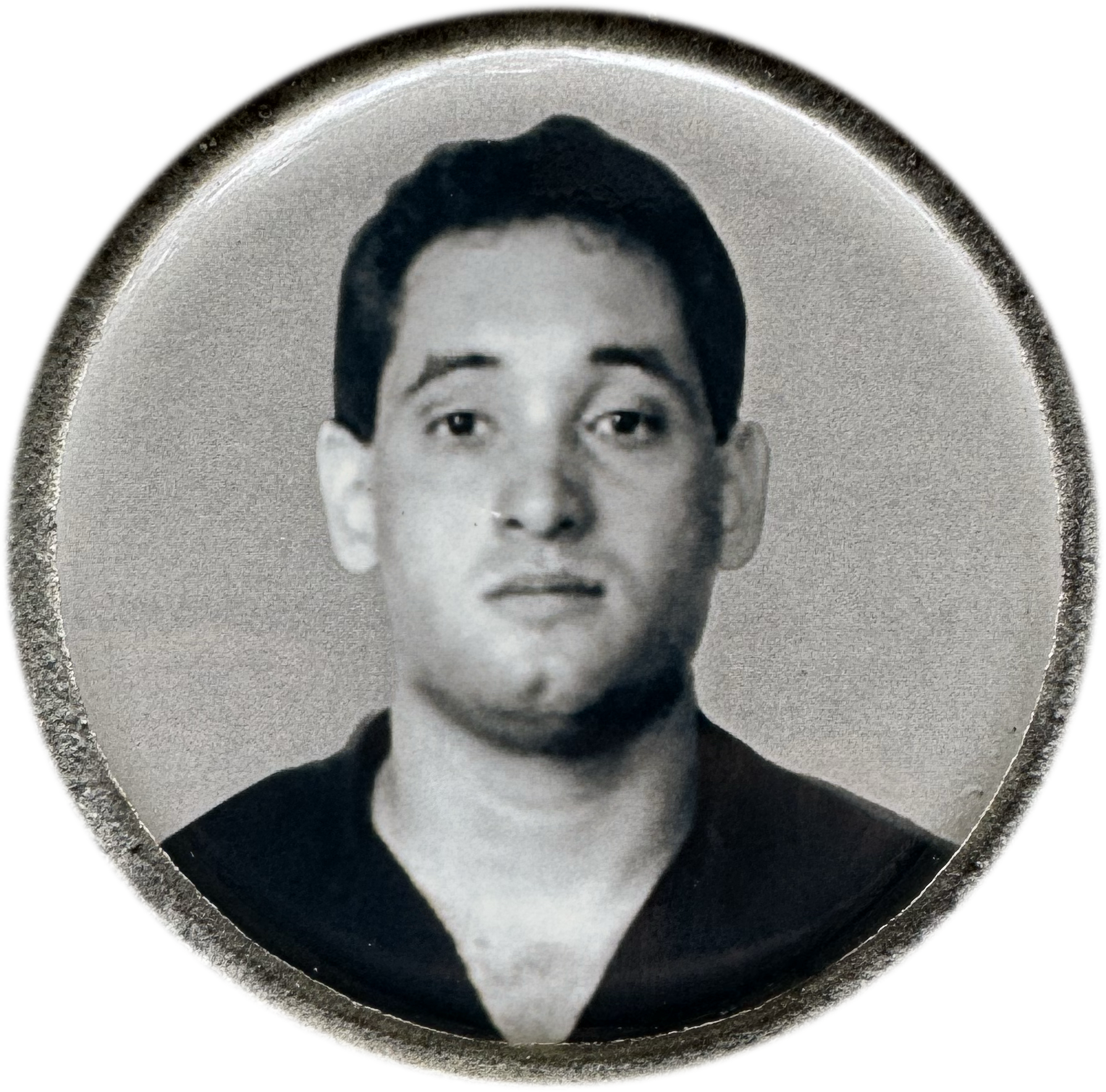
Firefighter Ruben D. Correa
Marine Corps Service:
On active duty from 1974 to 1978. Served as an 0351 assaultman and left the Marines as a lance corporal.
FDNY Career:
Appointed 1988 and served approximately 13 years. He spent his entire career with Engine 74, on the upper west side of Manhattan, becoming one of the senior firefighters in the company.
Additional:
Correa lived in Staten Island with his wife of 21 years and their three daughters. He loved mountain biking, fishing and cooking for his fellow firemen. He played catcher for the firehouse softball team, earning his nickname “Yogi,” after the Yankees’ all-star catcher Yogi Berra. After 9/11, the firehouse’s Dalmatian mascot was named Yogi in his honor.
In Memoriam:
On Sept. 11, Correa arrived to the World Trade Center with Engine 74. A fellow firefighter remembered his final admonition to the crew before they went inside: “Stay close to me, loosen your coat, don’t overheat. … Look, I’m scared too. We have to put that in the back of our minds.” Correa entered the Marriott Hotel between the towers to aid in evacuating civilians. He remained inside when the towers collapsed. He was the only member of Engine 74 killed. His remains were never recovered. He is remembered on panel S-9 of the 9/11 Memorial. He was 44 years old.
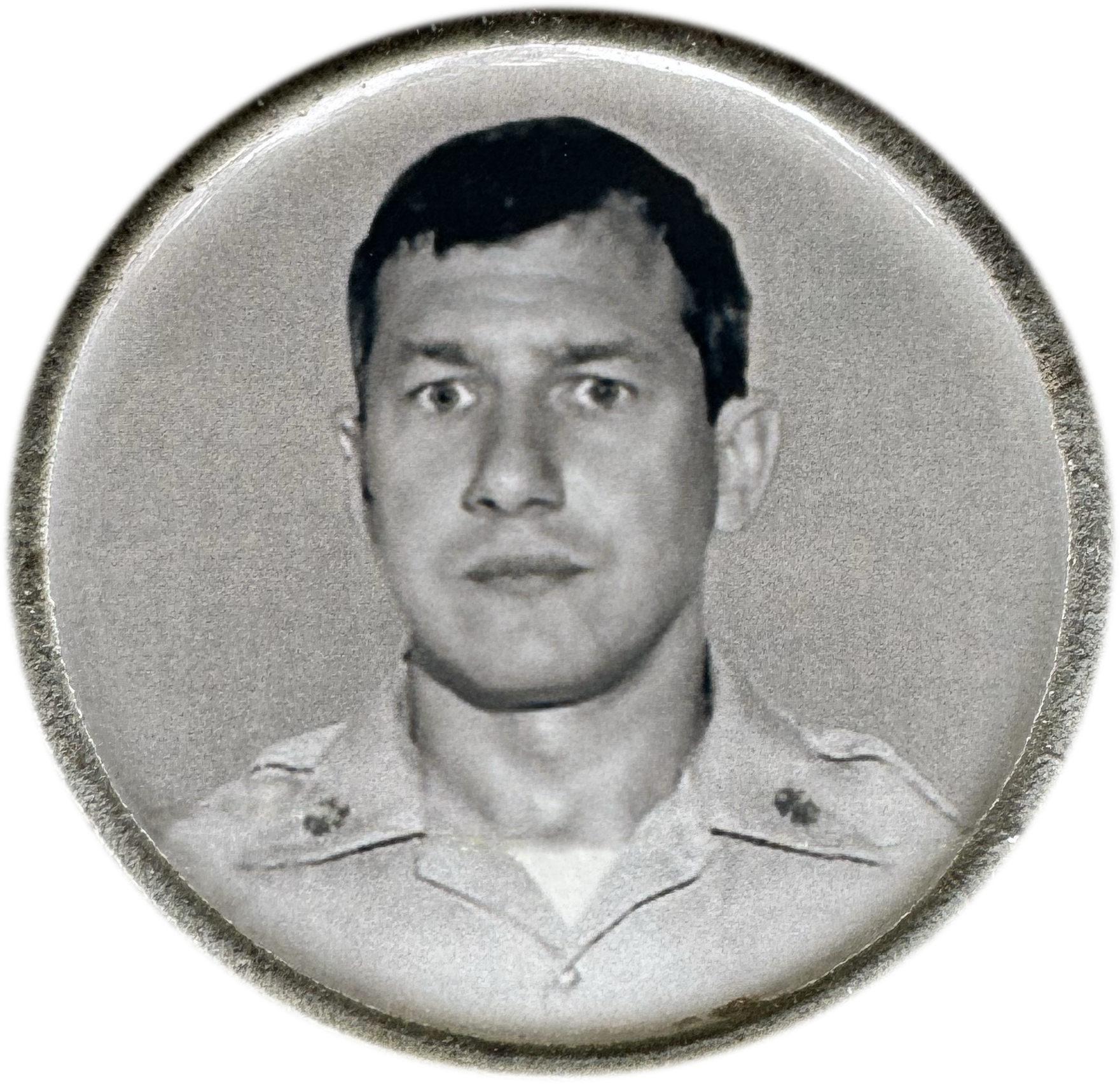
Firefighter Allan Tarasiewicz
Marine Corps Service:
On active duty from 1974 to 1977. Served as a 1381 shore party man with Landing Support Company, Headquarters and Service Battalion, 1st Direct Support Group. He left the Marines as a lance corporal.
FDNY Career:
Appointed in 1989 and served approximately 12 years. He served with various companies over the years, earning his way to an assignment with Rescue 5 on Staten Island.
Additional:
Tarasiewicz joined FDNY at the age of 33. He met his wife of 24 years, Patricia, while serving as an 18-year-old lance corporal in Italy. Before returning to his native Staten Island, he was also a sheet metal worker in California and a coal miner in Colorado. He and Patricia bought a 100-year-old home on Staten Island, just a block away from his firehouse, and were in the process of restoring it when he was killed. They had two children, Melissa and Allan Jr.
In Memoriam:
On the evening of Sept. 10, Tarasiewicz received a phone call that he would be required to report for mandatory overtime on the morning of Sept. 11. He and his wife had planned a vacation beginning Sept. 12 to celebrate her birthday. Tarasiewicz reported for duty, assigned to Rescue 4 for the day. Eight firefighters responded to the World Trade Center on Rescue 4. All were killed. Ten of Tarasiewicz’s fellow firefighters from his home station at Rescue 5 died. His remains were not recovered. He is remembered on panel S-7 of the 9/11 Memorial. He was 45 years old.
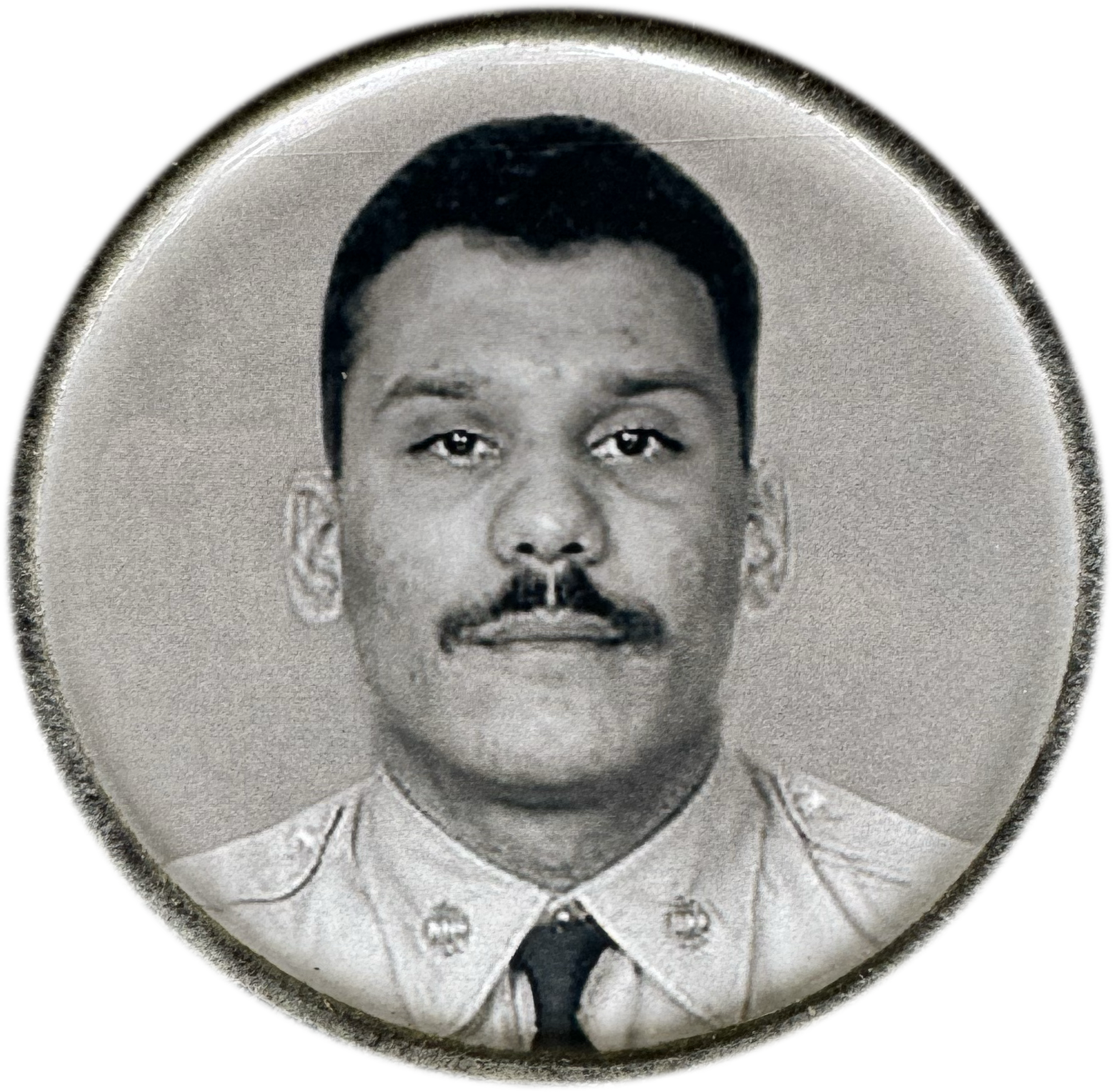
Firefighter Manuel Mojica Jr.
Marine Corps Service:
On active duty from 1983 to 1987. Served as a 5811 military police officer with Marine Wing Support Squadron 274 at MCAS Cherry Point, N.C. He left the Marines as a lance corporal.
FDNY Career:
Appointed 1990 and served approximately 11 years assigned to Squad 18 in West Village, Manhattan.
Additional:
Mojica was large and muscular, known for his tattoos, his Harley and his impressive mustache. One of his firehouse rituals included a bedtime snack of milk and cookies at the end of every day, no matter the hour he finally got to hit the rack. He was also known for his astounding whistle. While dating his wife, he could stand at the front door of her apartment complex and whistle so forcefully that she knew he had arrived, even from her sixth-floor apartment. They were married for 10 years and had two children. Mojica’s son, “Little Manny,” followed in his father’s footsteps and joined FDNY in 2019.
In Memoriam:
On Sept. 11, Mojica responded to the World Trade Center with Squad 18. He was one of seven members of the company killed. His remains were recovered and buried at the Cemetery of the Holy Rood, Westbury, N.Y. He is remembered on panel S-21 of the 9/11 Memorial. He was 37 years old.
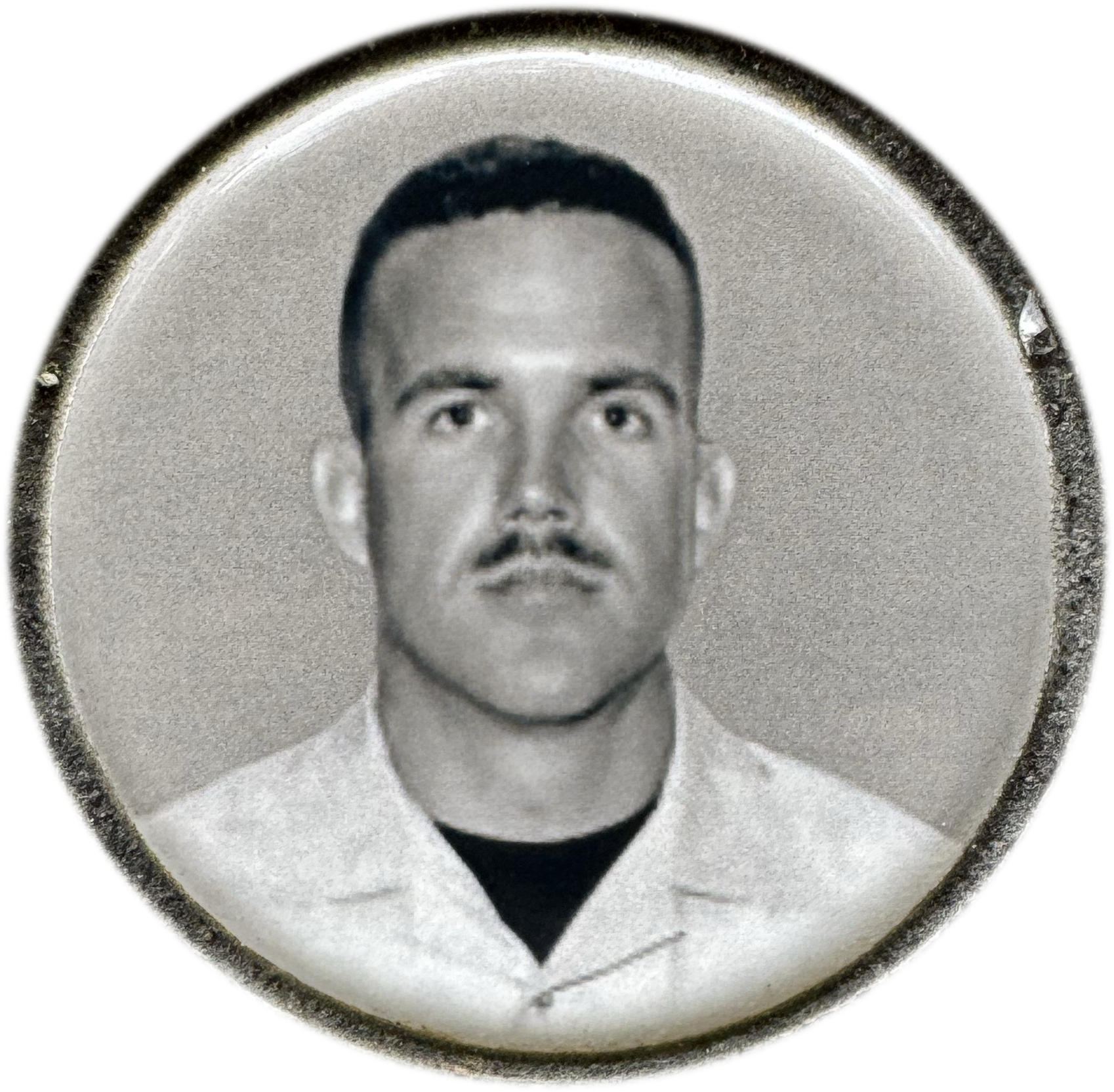
Firefighter Matthew D. Garvey
Marine Corps Service:
Active and reserve service from 1981 to 2001. Enlisted as a 2531 field radio operator and served 10 years on active duty. Deployed in support of combat in Beirut and Kuwait. Remained an active Marine reservist until his death, assigned to Alpha Company, 6th Communications Battalion. He attained the rank of gunnery sergeant.
FDNY Career:
Appointed in 1995 and served six years, earning his way into a special operations role with Squad 1 in 1999. He served as an instructor at the FDNY Fire Academy Rescue School.
Additional:
During his time in the Marines, Garvey earned three Navy and Marine Corps Achievement Medals, the Southwest Asia Medal, the Kuwait Liberation Medal and the Navy Arctic Service Ribbon. He was a certified jump master. He studied kung fu, played guitar and had just been accepted to law school at the time of his death.
In Memoriam:
On Sept. 11, Garvey responded to the World Trade Center as a member of fellow Marine veteran Michael Esposito’s company on Squad 1. He entered the south tower and was killed with his entire company in the collapse. His remains were recovered and buried at Long Island National Cemetery, East Farmingdale, N.Y. He is remembered on panel S-6 of the 9/11 Memorial. He was 37 years old.
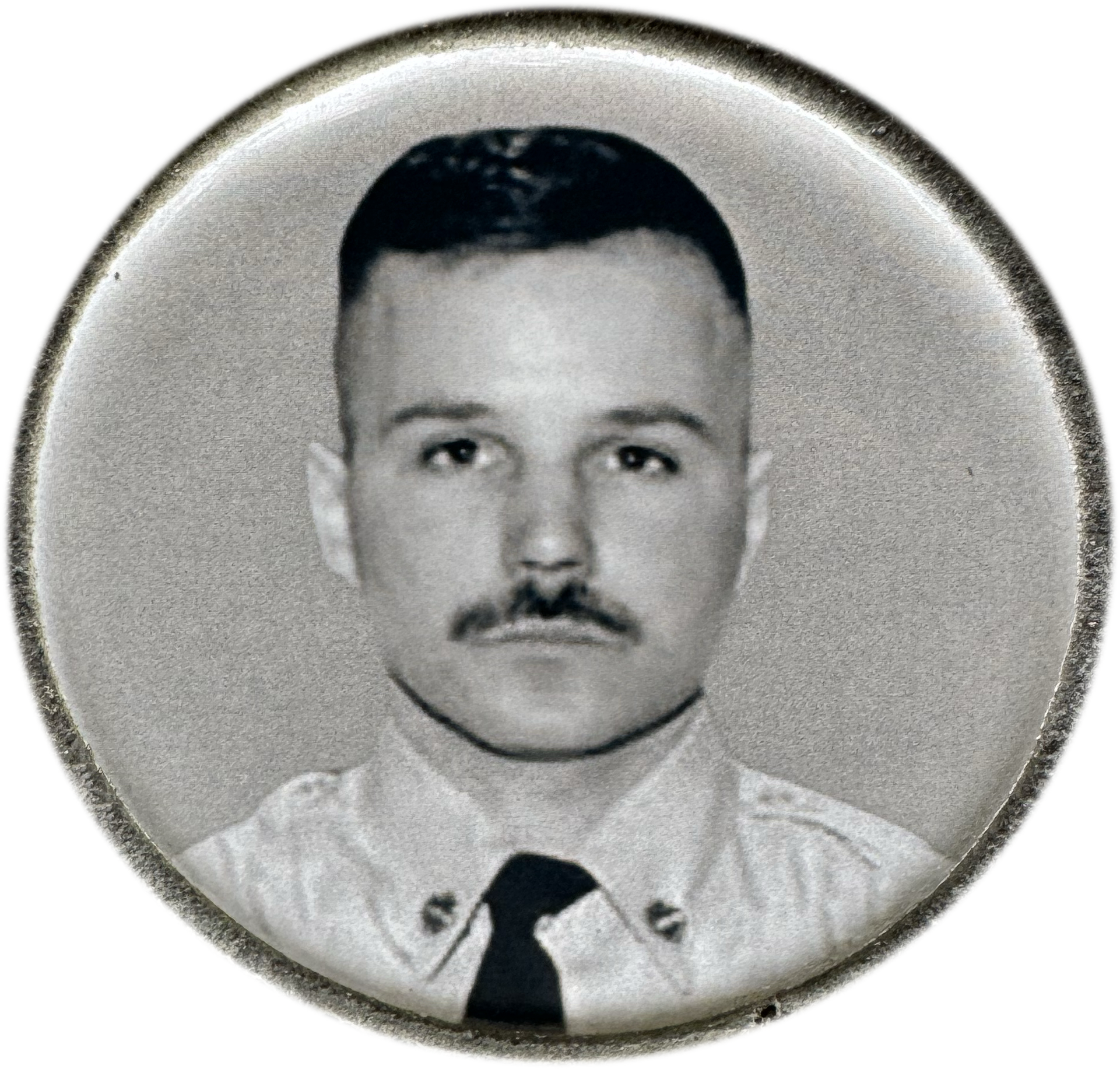
Firefighter Gregory R. Sikorsky
Marine Corps Service:
In the Marine Corps Reserve from 1990 to 1994. Served as an 0311 rifleman. He left the Marines as a corporal.
FDNY Career:
Appointed in 1996 and served five years. In 2000, Sikorsky earned an assignment with Squad 41, part of FDNY’s Special Operations Command.
Additional:
Sikorsky was an avid sportsman and thrill seeker. He also served as a volunteer firefighter with Hillcrest Fire Department in Rockland Coun-ty, N.Y., for 16 years. He was a licensed pilot, tractor trailer driver and auto mechanic. He owned a 1939 Mack firetruck and was in the process of completely restoring it. He was survived by his wife, Marie, and 3-year-old son Steven.
In Memoriam:
On Sept. 11, Sikorsky responded to the World Trade Center with Squad 41. Six members of the company ascended to the 43rd floor of the south tower and were attempting to rescue civilians trapped in an elevator when the tower collapsed. Sikorsky’s beloved Dalmatian, Dominic, was brought to Ground Zero and searched the wreckage for his master, refusing to stop even when his paws bled from scouring the debris. Sikorsky and other members of Squad 41 were finally located in March 2002. His local community completed the restoration of his Mack firetruck and used the truck to carry Sikorsky’s flag-draped casket to the church for his funeral. He is buried at Ascension Cemetery, Airmont, N.Y. He is remembered on panel S-12 of the 9/11 Memorial. He was 34 years old.
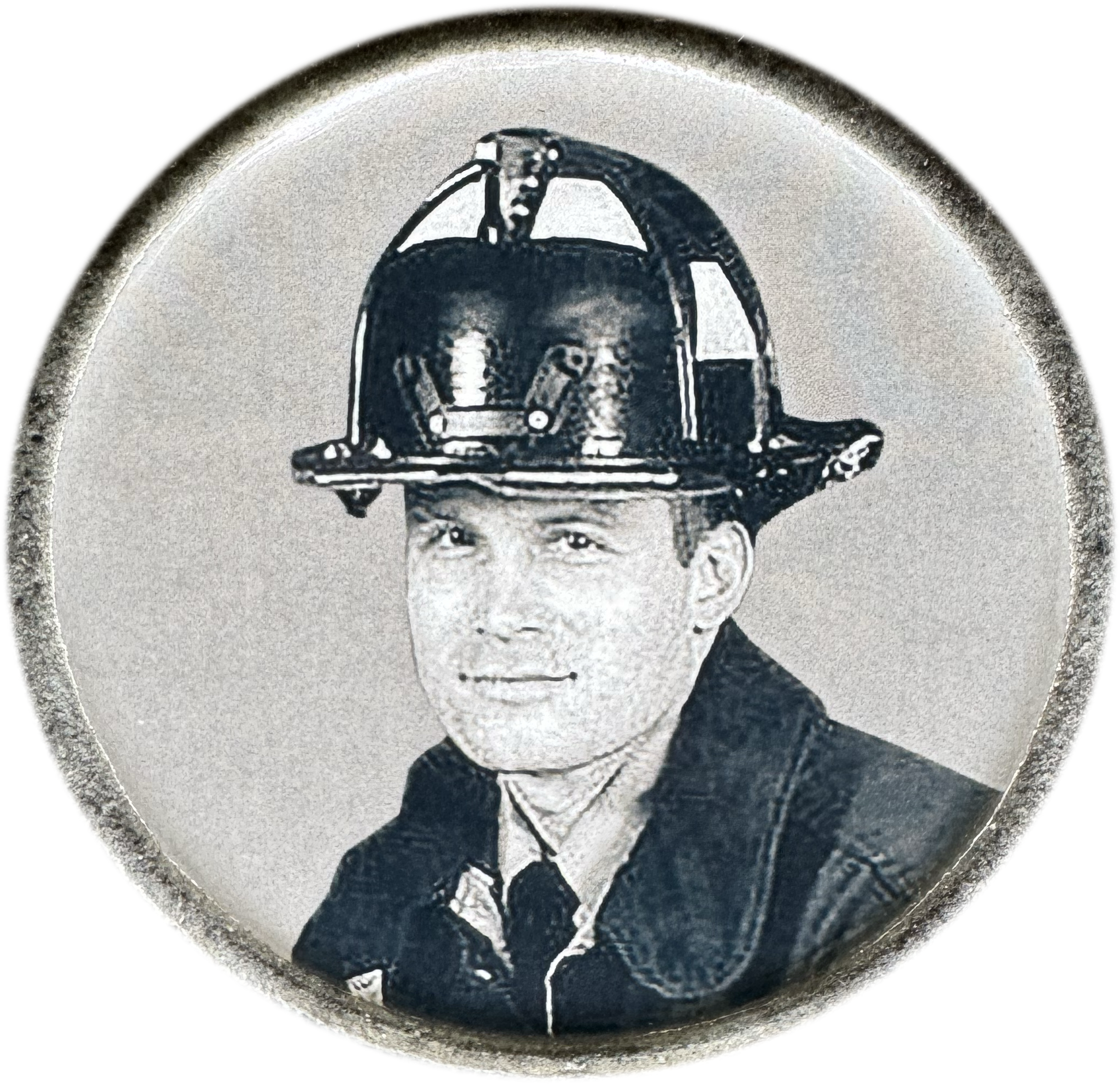
Firefighter William E. Krukowski
Marine Corps Service:
In the Marine Corps Reserve from 1984 to 1989. Served as an 0341 mortarman with Weapons Company, 2nd Battalion, 25th Marines.
FDNY Career:
Appointed in 1998 and served three years. Krukowski had just completed his probationary period and was serving with Ladder 21.
Additional:
Known as “Super Probie” by his crew. He gave up his motorcycle and skydiving when he became a father and regularly rode his bicycle from his home in Queens to the firehouse in Manhattan—a 17-mile trip one way. His son was 10 years old at the time of his death.
In Memoriam:
On Sept. 11, Krukowski responded to the north tower with Ladder 21. He and three other members of his crew died in the collapse. His remains were not recovered. He is remembered on panel S-11 of the 9/11 Memorial. He was 36 years old.
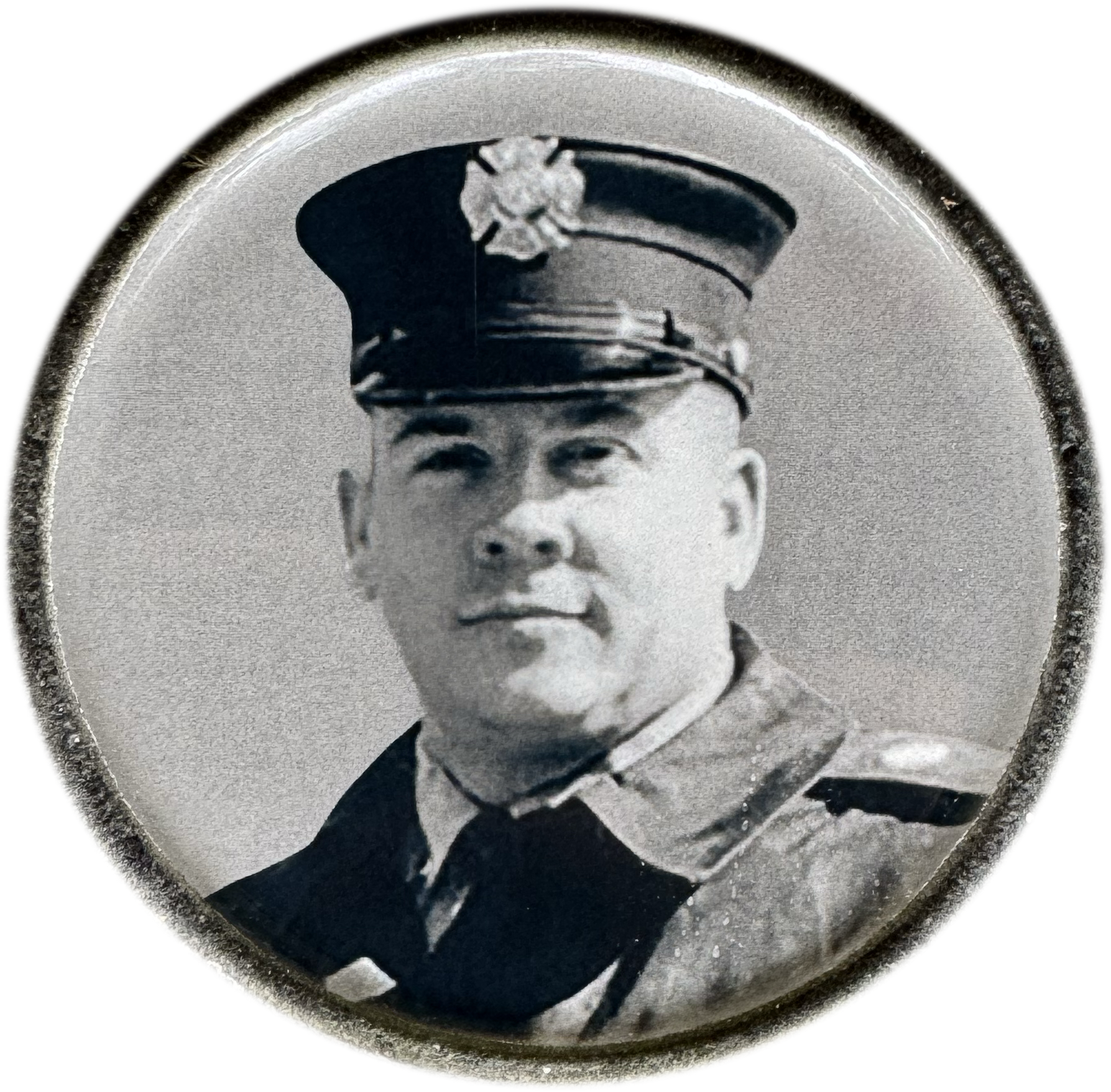
Firefighter John G. Chipura
Marine Corps Service:
On active duty from 1980 to 1984. Served in Beirut, Lebanon, as a 2531 field radio operator with Battalion Landing Team 1st Battalion, 8th Marines, 24th Marine Amphibious Unit. He was a survivor of the Oct. 23, 1983, Beirut barracks bombing and a member of the Beirut Veterans Memorial Association. He received the Combat Action Ribbon. He left the Marines as a corporal.
FDNY Career:
Appointed in 1998 and served three years. Chipura had just completed his probationary period and was serving with Engine 219.
Additional:
Prior to joining FDNY, Chipura served 12 years as a police officer and detective with the New York Police Department. He earned the rank of Eagle Scout as a youth. His wedding was scheduled for October 2001. His brother, Gerard, also served with FDNY and responded to the terrorist attacks after 9/11 to comb the wreckage in search of his brother.
In Memoriam:
On Sept. 11, Chipura responded to the World Trade Center assigned to Ladder 105 for the day. He was last seen helping rescue civilians from the south tower. His remains were identified in spring 2002. He is buried at Long Island National Cemetery, East Farmingdale, N.Y. He is remembered on panel S-21 of the 9/11 Memorial. He was 39 years old.
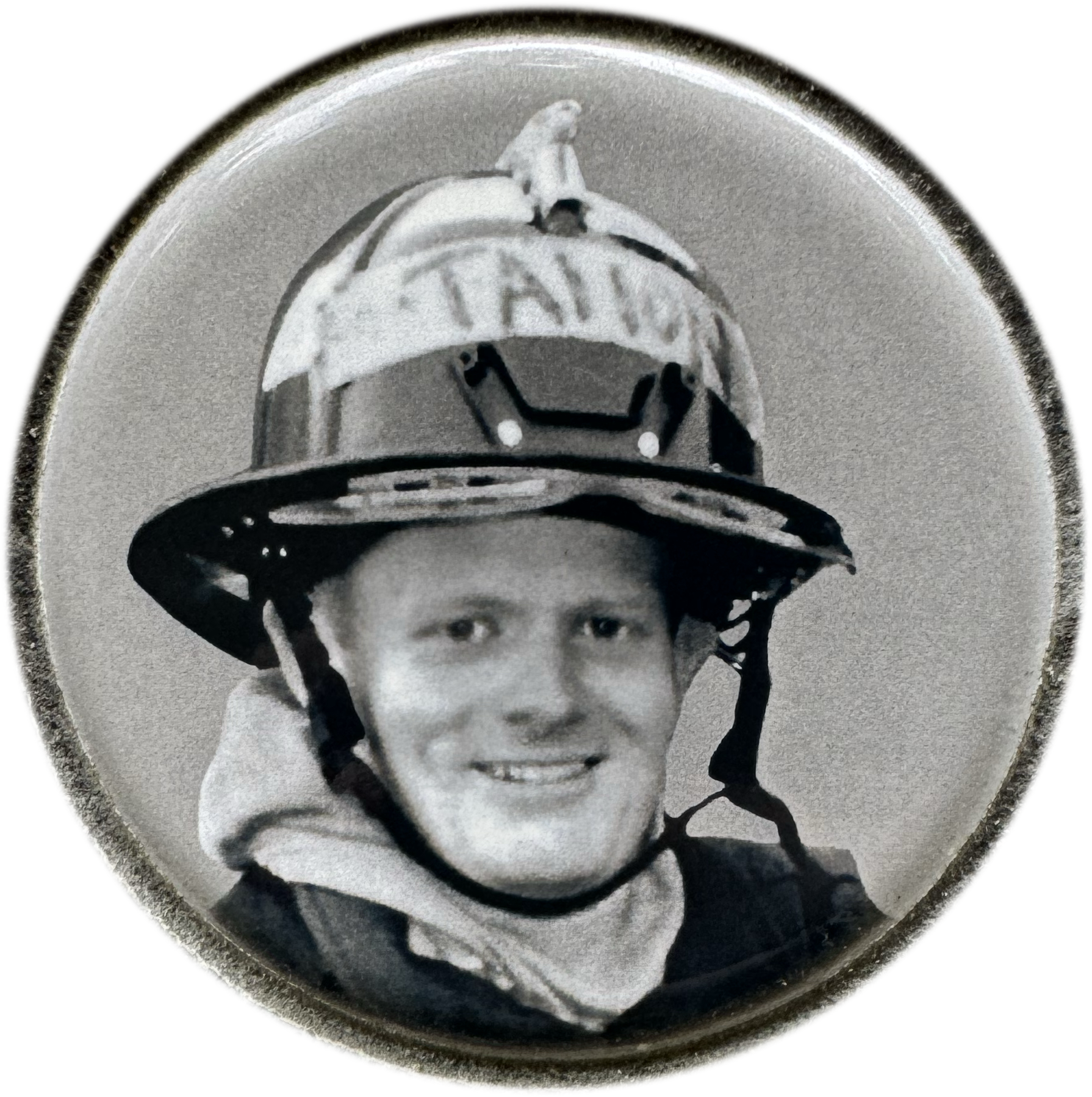
Firefighter Sean P. Tallon
Marine Corps Service:
In the Marine Corps Reserve from 1996 to 2001. Served as an 0351 assaultman with Weapons Company, 2nd Battalion, 25th Marines. He remained an active Marine reservist at the time of his death.
FDNY Career:
Appointed in 2000 and served approximately 11 months as a probationary firefighter assigned to Ladder 10 at “Ten House,” 124 Liberty Street—directly across the street from the World Trade Center.
Additional:
Tallon was a first-generation American, whose parents emigrated from Ireland. He earned a degree in criminology before joining the Marines and worked as an EMT for FDNY EMS before becoming a firefighter. He enjoyed playing traditional Irish music on a button accordion and would practice many evenings at the firehouse.
In Memoriam:
On Sept. 11, Tallon and the firefighters from Ten House were among the first to respond to the World Trade Center. While climbing the stairs of the north tower, Tallon was seen stopping to aid a fellow firefighter experiencing a medical emergency as they ascended. He helped care for the firefighter before continuing up with the rest of his crew. They remained inside when the building collapsed. His remains were recovered and buried at St. Mary’s Cemetery in Yonkers, N.Y. He is remembered on panel S-5 of the 9/11 Memorial. He was 26 years old.
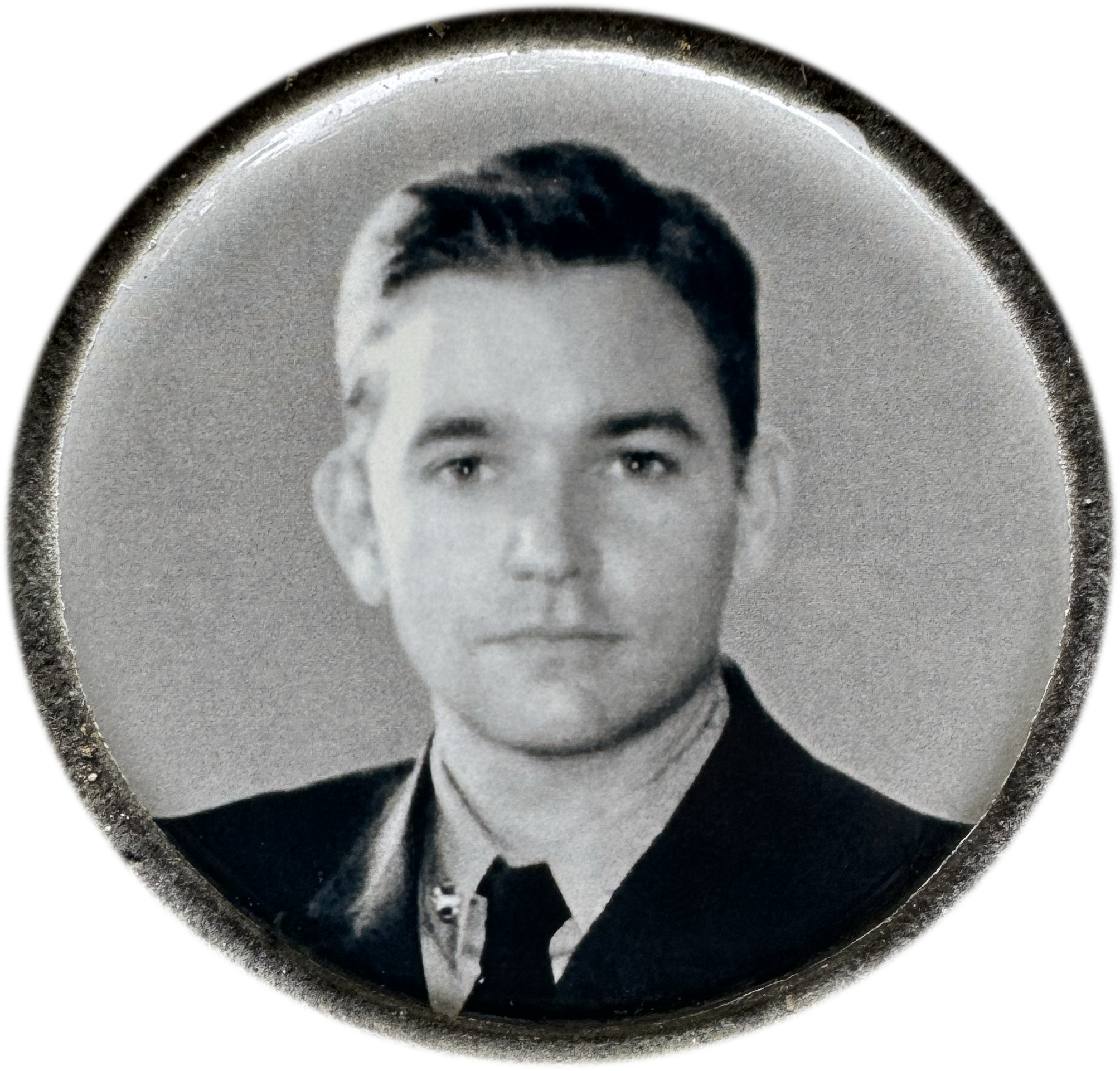
Firefighter Christian Michael Otto Regenhard
Marine Corps Service:
On active duty from 1992 to 1997. Enlisted as a 2531 field radio operator before earning the elite designation as an 0321 reconnaissance Marine. He was a qualified USMC parachutist and combatant diver. He left active duty as a sergeant.
FDNY Career:
Appointed in January 2001 and graduated the fire academy in July 2001. He had just begun his probationary period assigned to Ladder 131 in Red Hook, Brooklyn.
Additional:
During his time in the Marines, and afterward, Regenhard traveled extensively. He visited 22 countries around the world and lived in San Francisco while attending college. He eventually returned to New York to be with his family and pursue appointment as a New York City firefighter.
In Memoriam:
On Sept. 11, Regenhard responded to the World Trade Center with Ladder 131. He was killed in the collapse along with four other firefighters from his firehouse, including fellow Marine veteran firefighter Ronnie Henderson. His remains were never recovered. He is remembered on panel S-23 of the 9/11 Memorial. He was 28 years old.
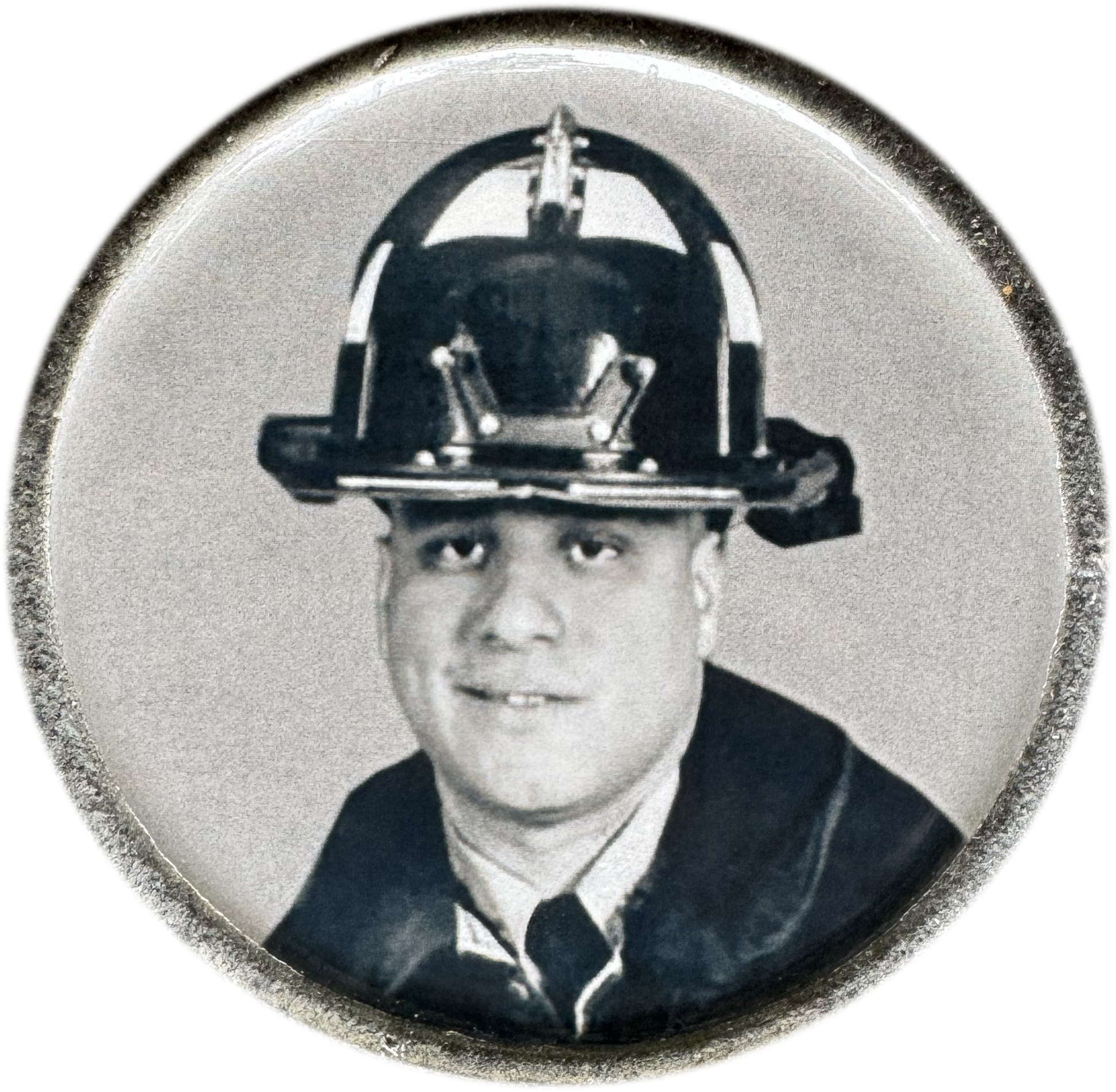
Firefighter Calixto Anaya Jr.
Marine Corps Service:
On active duty from 1984 to 1988. Served as an 0481 landing support specialist with 3rd Landing Support Battalion, 3rd Force Service Support Group, at Camp Kinser, Okinawa, Japan. Reenlisted in the Marine Corps Reserve from February to May 1991 with 6th Communications Battalion to deploy in support of Operation Desert Storm.
FDNY Career:
Appointed a probationary fire-fighter and entered the fire academy in summer 2001. On Sept. 11, Anaya was serving on a temporary assign-ment at an operational firehouse. He died in the line of duty before completing the academy’s graduation requirements.
Additional:
Anaya was widely known for his fervent patriotism. Prior to joining FDNY, he worked for UPS while also serving as a volunteer firefighter in Suffern, N.Y. He coached little league baseball and flag football. He voluntarily reenlisted to serve during Operation Desert Storm and pursued appointment with FDNY a decade later as a second return to full-time service.
In Memoriam:
On Sept. 11, Anaya responded to the World Trade Center with Engine 4. The company was last seen inside the north tower when it collapsed. On Nov. 2, 2001, Anaya was one of six probationary firefighters posthumously awarded a fire acad-emy diploma. His 6-year-old son, Brandon, accepted the diploma on his behalf. Anaya was recovered and is buried at Frederick Loescher Veterans Memorial Cemetery, New Hempstead, N.Y. He is remembered on panel S-21 of the 9/11 Memorial. He was 35 years old.
Featured Photo (Top): Memorial Collage of The 17. (Photos courtesy of FDNY Marine Corps Association)
About the Author
Kyle Watts is the staff writer for Leatherneck. He served on active duty in the Marine Corps as a communications officer from 2009-13. He is the 2019 winner of the Colonel Robert Debs Heinl Jr. Award for Marine Corps History. He lives in Richmond, Va., with his wife and three children.
Enjoy this article?
Check out these similar Leatherneck and Scuttlebutt features:
Sept. 11, 2001: A Morning Unlike Any Other
Leatherneck
September 2024
By: LtCol Robert J. Darling, USMC (Ret)
The National Museum of the Marine Corps Remembers September 11, 2001
Leatherneck
September 2011
By: Gretchen Winterer & Carrie Bowers
Saved Round: The Colors of Resolve
Leatherneck
September 2026
By: Kayla Workman