


Ortiz’s War: The Allies’ Secret Weapon Against the Nazis in France
By: Nicholas Reynolds and Katie S. SandersPosted on September 15, 2026
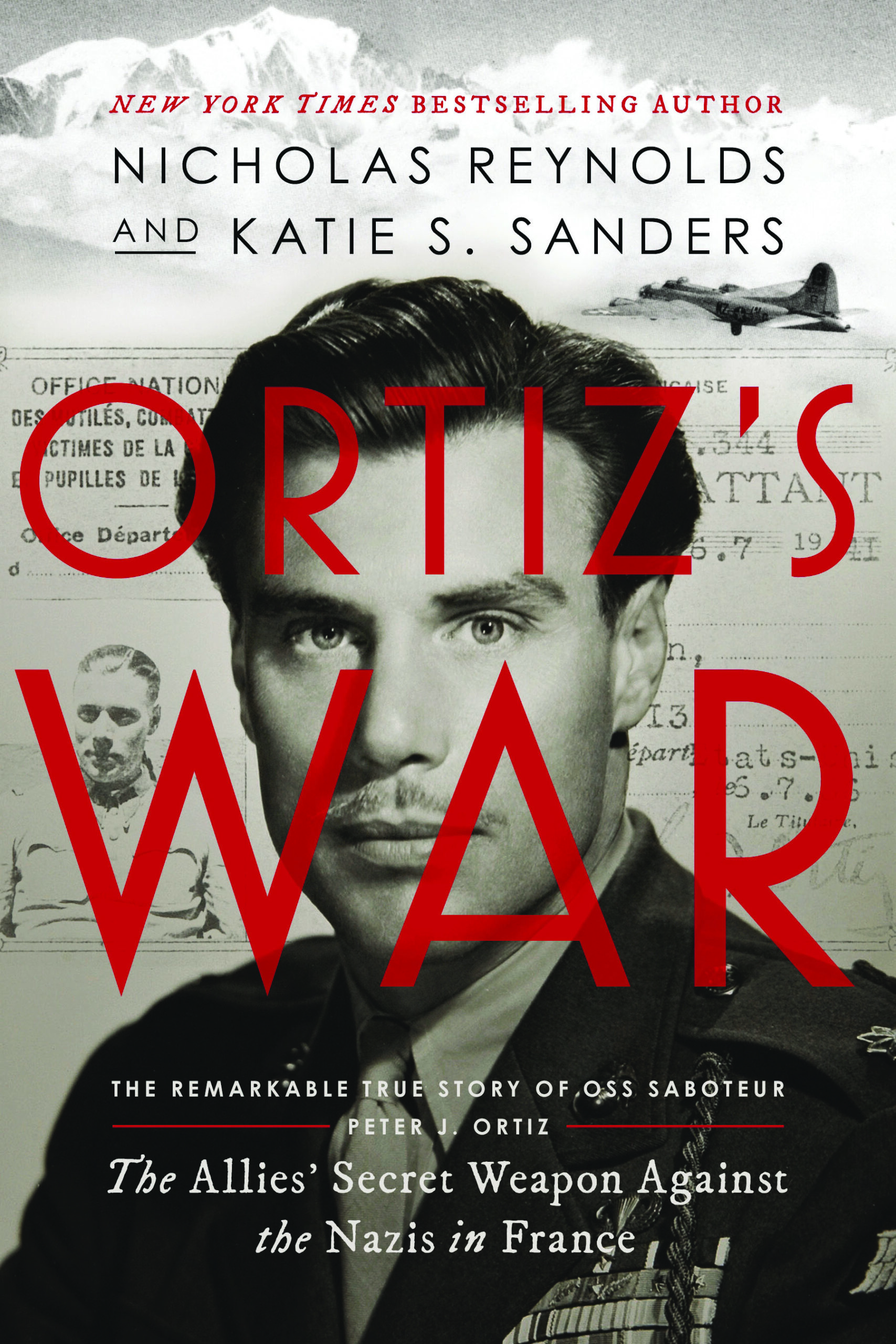
Executive Editor’s note: The following selection was taken from the newly released book, “Ortiz’s War: The Allies’ Secret Weapon Against the Nazis in France.” Col Peter Ortiz, twice the recipient of the Navy Cross, is among the most colorful, swashbuckling characters in Marine Corps history. Before becoming a Marine and being assigned to the Office of Strategic Services during World War II, he served with the French Foreign Legion. This excerpt, from chapter 4 of the book, opens with Ortiz’s return to America and enlistment in the Marine Corps. For more about the book and the incredible life of Peter Ortiz, you can listen to a conversation with the book’s authors on episode 257 of the Marine Corps Association’s Scuttlebutt podcast.
On Dec. 7, 1941, as American sailors were getting ready to sound morning colors and salute the Stars and Stripes, Japanese fighters and bombers unleashed their surprise attack on the U.S. Naval base at Pearl Harbor. They put five battleships and hundreds of airplanes out of commission, killing about 2,400 Sailors, Marines, and soldiers. That made Dec. 7 “a date which will live in infamy” in President Roosevelt’s immortal words, spoken when he called for Congress to declare war against Japan. The motion sailed through both houses of Congress with only one vote against. The United States was finally at war, at first with Japan and then a few days later with Germany and Italy too.
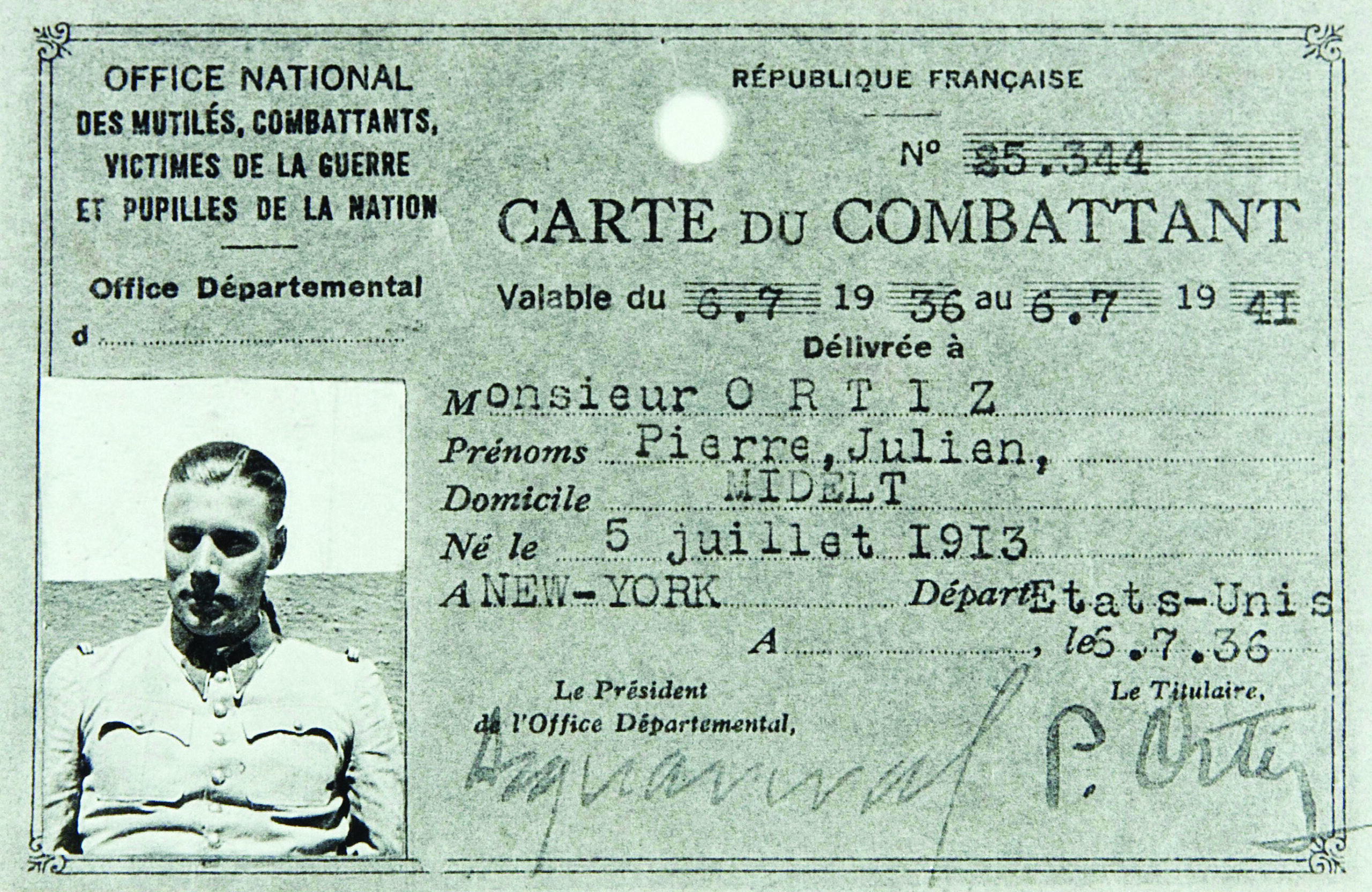
When the Japanese attacked, Pierre Ortiz was at sea on the steamship Exeter. From France, he had made his way to Lisbon, passing over the rugged Pyrenees Mountains and through fascist Spain. The Portuguese capital was one of the few neutral ports in Europe where travelers could board a seaplane or a boat for America—and find a hot mix of spies and proxies from both sides, Allied and Axis. Ortiz talked to one of de Gaulle’s Free French officers as well as a British representative. Both offered to take him on as a captain, a promotion from his last rank of acting lieutenant. His mind made up, he declined their offers. He was going to America, more confident than ever that the country was approaching active participation in the conflict. A week after Thanksgiving, Ortiz talked his way onto the crew of the American Export Lines steamer about to depart for New York. Rather than pay for comfort, he would earn his passage across as a deckhand.
As Exeter steamed into New York harbor on Dec. 8, Ortiz leaned nonchalantly on the ship’s railing in a double-breasted navy-blue pinstripe suit, smoking a cigarette. A ribbon sewn into his lapel marked him as a military man. A signet ring on his pinky finger and a stylish watch on his wrist hinted he was no ordinary deckhand.
Ortiz could see the signs that the country was shifting from peacetime to wartime. Military and naval intelligence officers scurried up the gangplank to interview the passengers before they disembarked. Intrigued by the story Ortiz told, they invited him to Washington, D.C., for a thorough debriefing. Before leaving New York, he registered for the draft at 331 Madison Avenue, a block from Manhattan’s Grand Central Station. His status was “unemployed,” and his last place of employment was “Foreign Legion.” The registrar noted his ruddy complexion and the scars on thigh, hip, and shoulder, where the wars in Morocco and France had left their marks.
Once in Washington, Ortiz appeared at the Munitions Building, the white concrete World War I “temporary” that took up most of the space between the Washington Monument and the Lincoln Memorial on the National Mall, along with its equally ungainly twin, Main Navy. Inside the Army headquarters, Ortiz answered the military intelligence officers’ questions, amazed at how little they knew about the war in Europe. Then he told them his goal was to join the American military and get back into the war. One intelligence officer suggested he might make a good aerial observer. But progress toward a commission in the U.S. Army Air Forces quickly foundered. He seemed too thin and weak after a year of “semi-starvation,” not to mention his recent bout of pneumonia. The doctors’ advice was for him to go to his mother’s place and put on some weight before reapplying.
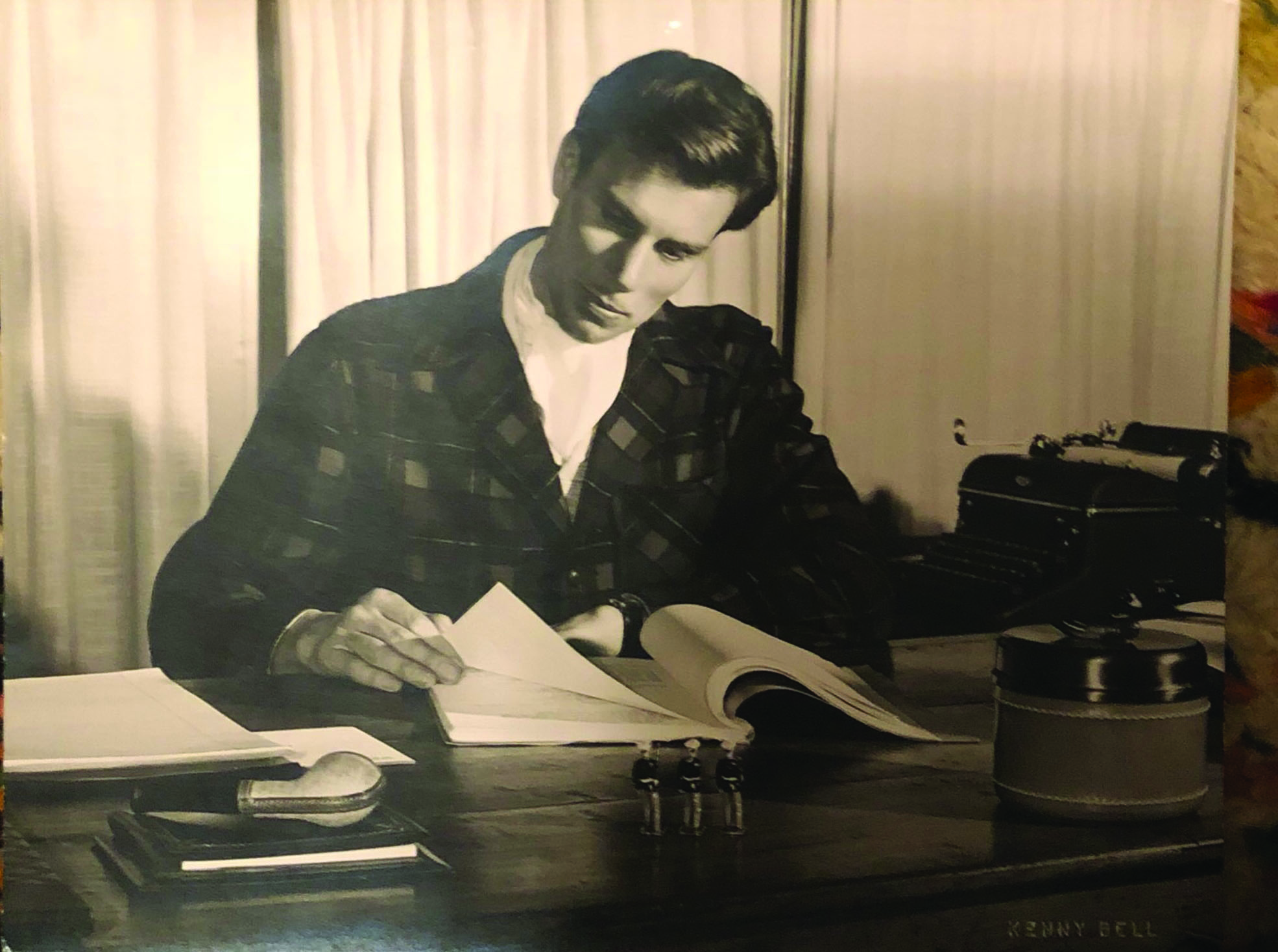
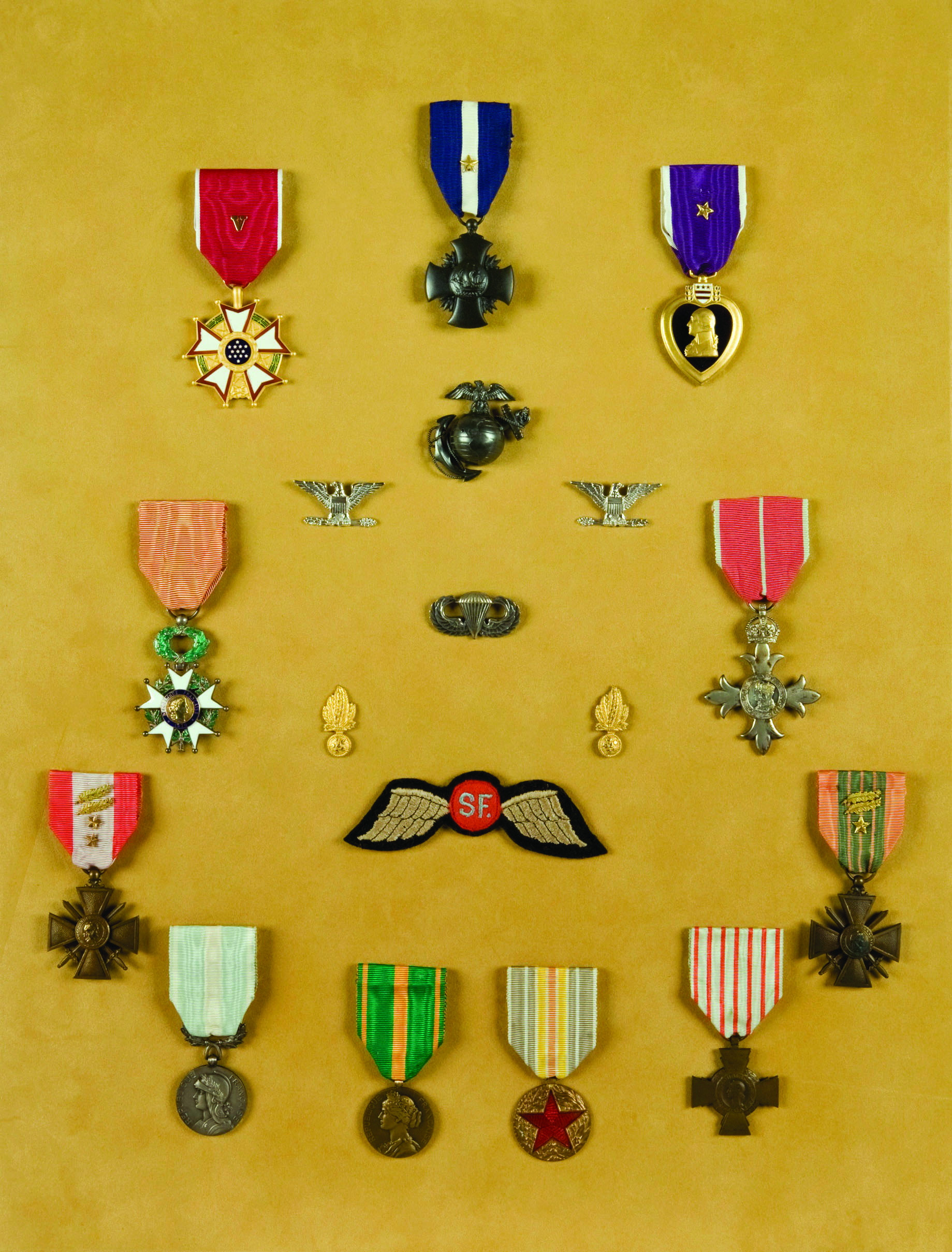
actions in WW II. (Courtesy of The Ortiz Family)
Three months later, Ortiz tried again. He filled out a never-ending series of forms and wrote letters, reciting his military résumé, his tone polite but insistent. At 28, he had a lot of experience in small wars and one major campaign, having held every rank from private to first lieutenant and earned a host of awards. A bureaucrat found an obscure regulation that blocked his way forward. Ortiz’s service was for France, overseas; “a person [who] had been out of the country for a certain length of time was not eligible to become an officer.” An increasingly exasperated Ortiz did not care whether he started out as an officer; he could once again earn a commission on the battlefield. What he wanted now was action: “I, who have been a professional soldier practically all my adult years, am not content to sit back and watch others fight when, at last, I have an opportunity to serve my country.”
When the military bureaucrats failed to oblige him, Ortiz decided “to hell with all that.” He would simply enlist, picking the Marines because an old Legionnaire who had served in both outfits told him that their merits were about equal. This was true enough. They had been about the same size; the strength of the Corps in 1939 was about 19,000. They were both tough military elites with fighting traditions going back over 100 years.
Just as the infantry was the backbone of the Legion, every Marine was a rifleman first. Both services included loyalty in their mottos. Each had a training program celebrated for turning troubled youths, including those who might have run afoul of the law, into disciplined men. It was as good a fit as Ortiz was likely to find in the United States.
Saying nothing about his background, Ortiz signed the papers at a recruiting station in Baltimore like any other recruit and, being east of the Mississippi, soon found himself at the Marine Corps Recruit Depot at Parris Island, S.C.
Parris Island was nowhere near a city. Isolated on the coast, it lacked the reflected glory of Sidi-Bel-Abbès. Sandy, hot, and humid most of the year, it was just a place to make Marines. Recruits lived in Quonset huts—rudimentary half circles of corrugated steel with doors and windows. They learned to tolerate the ubiquitous sand fleas and obey their drill instructors, who had up to eight weeks
to turn a civilian into a Marine. Basic indoctrination, physical conditioning, and marksmanship were on the training schedule. To graduate, recruits had to absorb the ways of this branch of the sea service, especially its strict discipline and loyalty to each other and to the Corps. That the country was now at war helped motivate the young men, who were homogeneous compared to the Legion’s recruits. With the right attitude, everything else became easier.
Ten years older than the average recruit, Ortiz was not the oldest, a distinction earned by the 50-year-old college professor Paul H. Douglas, who enlisted in May 1942. With waivers for his eyesight and his teeth, Douglas had to put in a little extra effort to graduate. Not so Ortiz. He had already met many of the requirements. The Corps insisted that a man abandon his previous identity and embrace a new set of stories and priorities, things Ortiz had literally done in the Legion even before the physical toughening had begun; each service wanted to possess “the souls of its personnel as earnestly as it strive[d] to condition their bodies.” Ortiz concluded that Marine boot camp was “not as hard as Legion training,” which was usually twice as long.
Word spread about this amazing recruit. On July 1, Ortiz applied for a commission; Headquarters Marine Corps inquired about him; Colonel H. L. Smith of Parris Island replied that “we spotted him shortly after his arrival,” adding, “The Marine Corps would be unbeatable if all our men were like him.” After deciding to see for himself what Ortiz was like, the chief of staff of the recruit depot placed Ortiz above the level not only of the trainees, but also of the trainers. On July 14, Col Louis R. Jones wrote to the Commandant of the Marine Corps that the young man’s “knowledge of military matters is far beyond that of the normal recruit instructor.”
That assessment made the process flow smoothly. Less bureaucratic than its sister services, the Corps proved downright nimble. Ortiz went to Washington to meet with the Commandant, then-Lieutenant General Thomas Holcomb, the stern-looking gentleman who was presiding over the expansion of the Corps from 17,000 to 385,000 Marines. Holcomb saw a future intelligence officer in Ortiz. When Ortiz asked about the regulation that had barred his way, Holcomb laid down the law: He was “head of the Marines,” and if he said Ortiz would be a Marine officer, Ortiz would be a Marine officer.
When he finished boot camp, Ortiz went from being Private Pierre J. Ortiz, former Legionnaire, to Second Lieutenant Peter J. Ortiz, USMCR. But that did not settle his future in this war. Since he did not fit any of their existing molds, it took the Marines a few months to figure out what to do with Ortiz. Giving him a commission was the right step after boot camp. But where exactly should this unique officer serve and in what capacity?
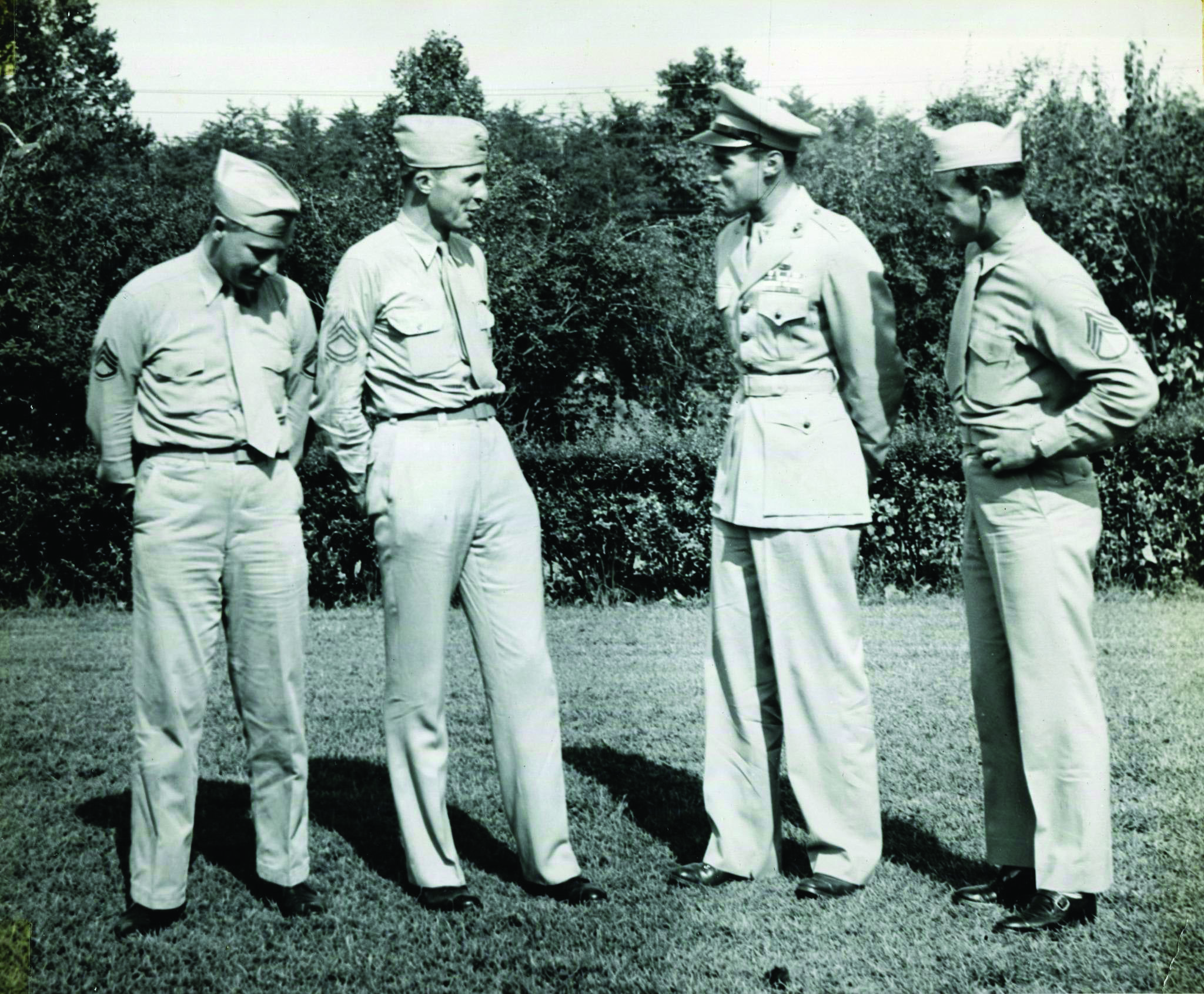
The Marines were planning campaigns in the Pacific; Ortiz wanted to get back to Europe, where they were a rarity. In August, he echoed Commandant Holcomb’s suggestion that he belonged in intelligence. He spoke foreign languages and could thrive in odd corners of the globe, especially French North Africa. He did not need many comforts and had a lot of stamina. “I have had unlimited experience in swimming, alpinism, and rugby,” he reminded everyone.
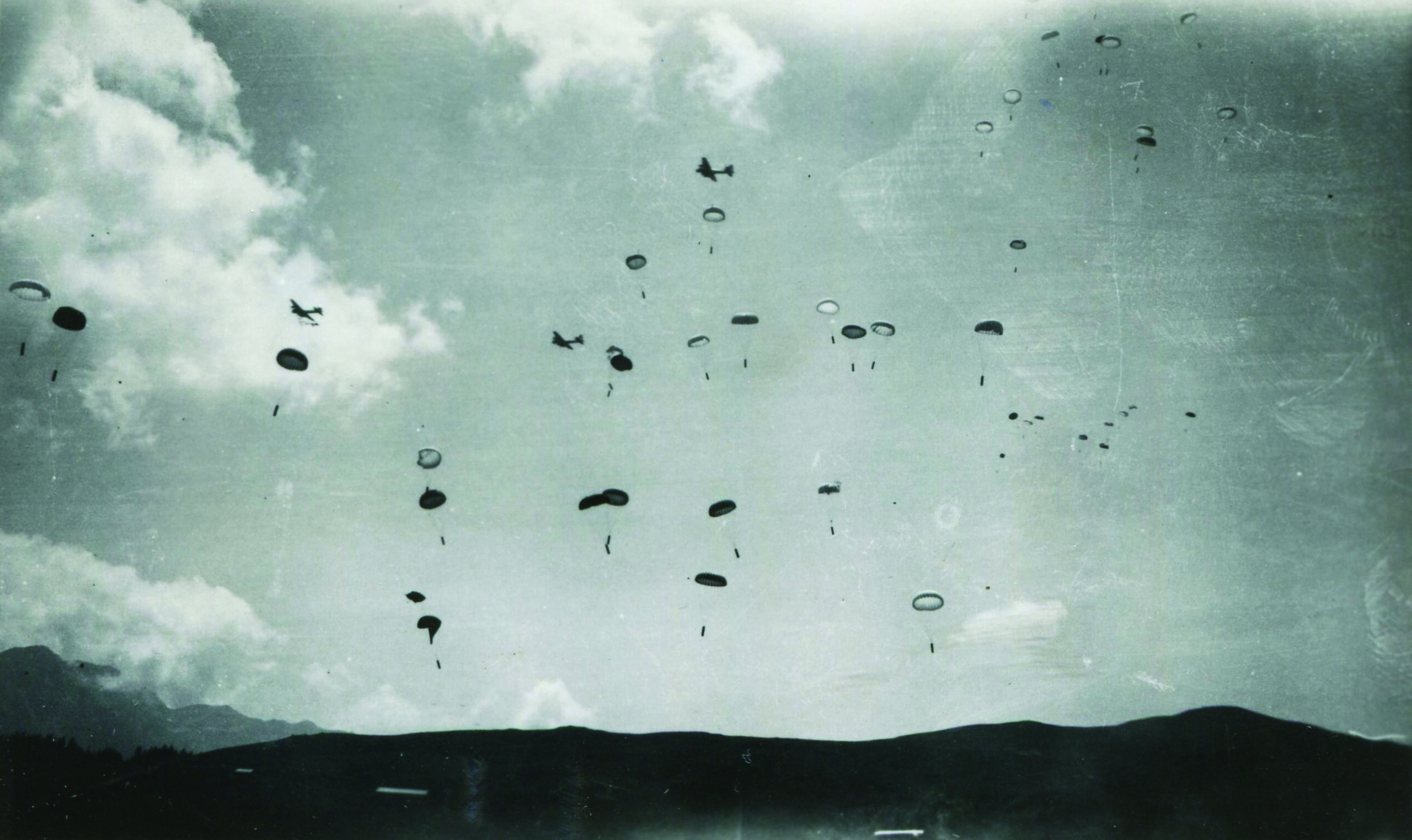
But the Marine Corps did not have a robust intelligence branch; if he became an intelligence officer, he would have to serve outside the Corps to realize his full potential. He suggested another, even better possibility: becoming a Paramarine, a specialty that sprang to life after the Germans showed what a few paratroopers could do in May 1940. In a surprise attack from above, a handful of Fallschirmjäger had disabled the supposedly invincible forts guarding the Belgian frontier. For a while, that seemed the wave of the future. Within a week, LtGen Holcomb had decreed that the Marine Corps, which had no paratroopers, would enter the field. The Marines had moved fast, setting up jump schools on the East and West Coasts. Two years later, the Corps approved Ortiz’s request to become a Paramarine after he messaged headquarters to lay out his qualifications and interest in this new kind of warfare.
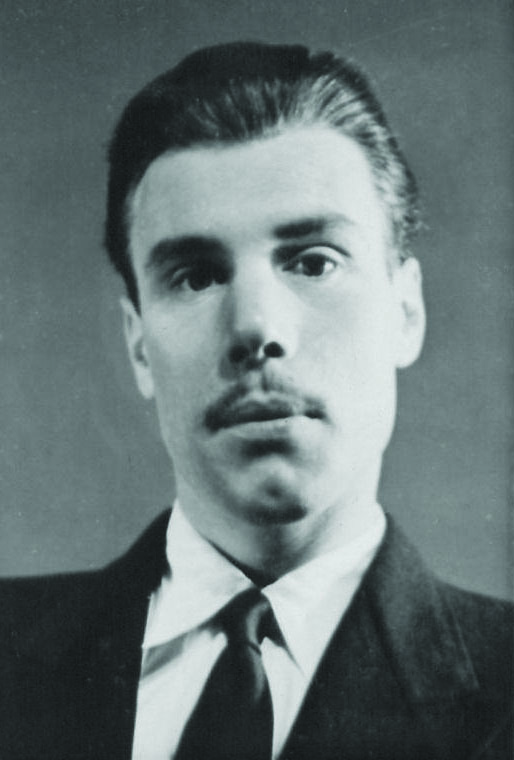
In the fall of 1942, Ortiz moved up from South to North Carolina, where the Marines had been building a vast base that would be called Camp Lejeune. Beautiful beaches were ideal for rehearsing amphibious landings, the Marines’ evolving specialty. The base also had the dubious distinction of having more swampland and insects and reptiles than Parris Island, making it a good place to train for fighting in the jungle on Pacific Islands, but less so for European climes. On a part of the base known as Hadnot Point, the Marines built the East Coast parachute school on sandy soil among pine trees.
Americans qualified with just five jumps. No one cared that Ortiz had already jumped well over 100 times in the Legion. He needed to learn the Marine Corps way at Hadnot Point. He was among the first students in the summer of 1942. It was like going to boot camp again, only with more, and harder, physical training: practice jumps and landings at ground level followed by jumping from a tower and finally jumping from old cargo planes. It was a school where officers and enlisted trained together, and where he met other Paramarines of all ranks. When he graduated, Ortiz was again a member of an elite within an elite. Along with the title “reconnaissance officer,” the Marine Corps rewarded him with a promotion to captain in December.
Ortiz was in North Carolina waiting for jump school to start on Nov. 8, 1942, when 110,000 Allied soldiers landed in French Morocco and Algeria. Commanded by U.S. Army LTG Dwight D. Eisenhower, Operation Torch was part of a campaign to drive the Axis from the African continent and set the stage for a return to the European continent. But Ortiz would not miss the campaign for which he was so well prepared. The fighting in North Africa would drag on into the spring of 1943 as Eisenhower advanced east from Morocco and Algeria toward Tunisia, and British Gen Bernard L. Montgomery kept at the monthslong task of pushing the Afrika Korps west from Egypt to Tunisia.
Ortiz received orders to report to the U.S. Naval attaché in Tangier, Morocco, then to observe operations and logistics to glean anything of interest to the Marine Corps. He found that the Naval attaché was not another military bureaucrat but, like himself, an exceptional reservist who knew his way around the Arab world. As the intelligence officer for the 6th Marine Regiment in World War I, William A. Eddy crawled out into no-man’s-land between the trench lines on his belly to find out what the Germans were up to. The tall, once athletic man had returned home with a long row of decorations and a permanent limp. Between the wars, Eddy earned a Ph.D. from Princeton, taught at the American University in Cairo, and wrote the first guidebook to baseball in Arabic. For a while he was president of Hobart College in New York. In 1941, Eddy had volunteered to return to active duty despite his injury because, he said, he would rather be among Marines than put up with bickering professors. The reserve lieutenant colonel appeared to work for the Office of Naval Intelligence, but his primary allegiance was to the Office of Strategic Services, abbreviated OSS, America’s brand-new intelligence outfit. Tasked with preparing for Operation Torch, Eddy had gathered practical and political information that made a difference: everything from the topography of the beaches to the allegiances of the local chieftains.
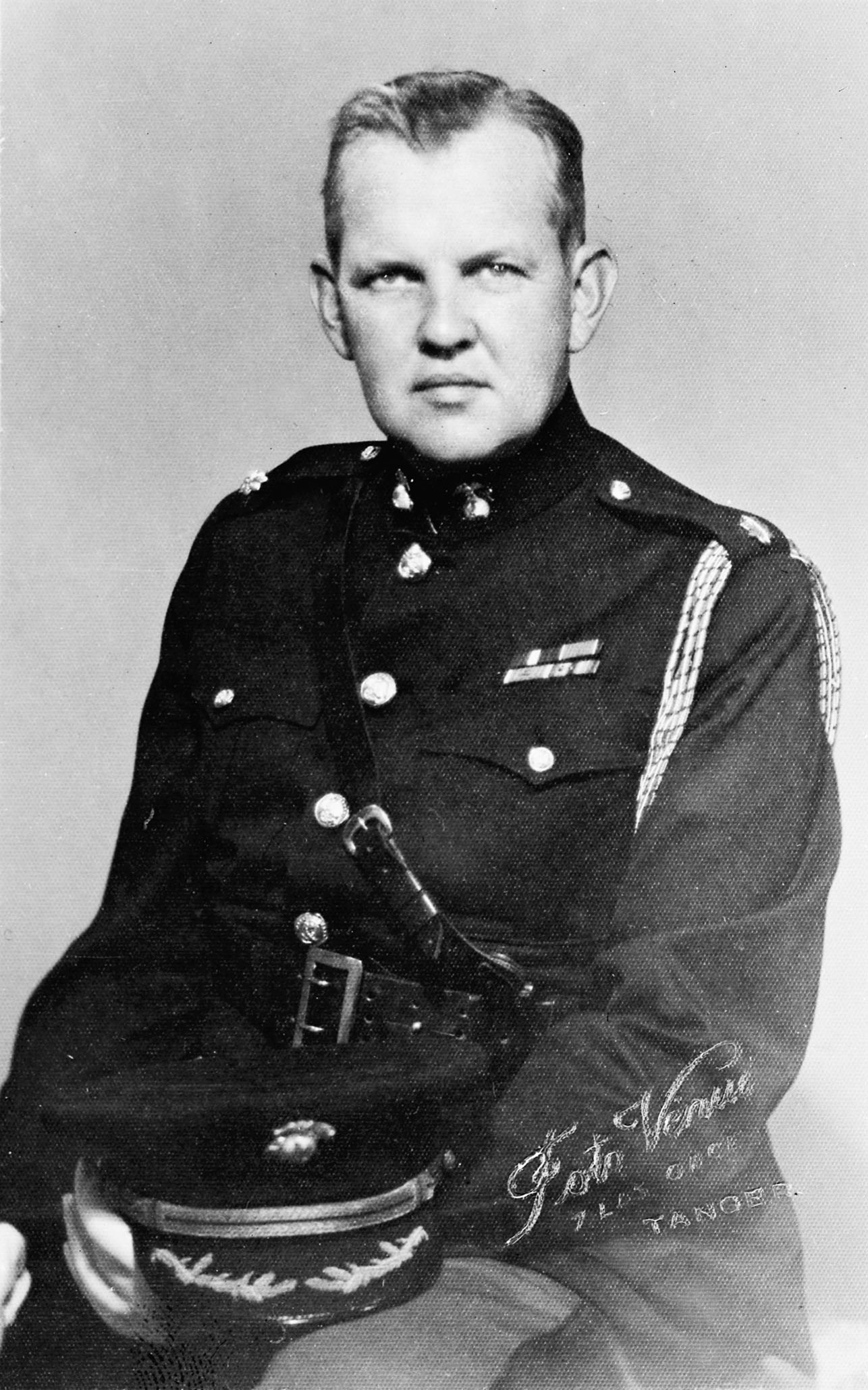
(Leatherneck File Photo)
For all his accomplishments, Eddy was soft-spoken and approachable. Upon arriving in Morocco, it was not hard for Ortiz to get his permission “to roam about at will, attaching myself to and serving with units of my choice.” To be on familiar turf with a nearly blank check was a dream assignment. He knew he “was for excellent personal reasons and as a representative of the Marine Corps, particularly desirous of … taking part in action against the Germans.” After experiencing defeat in 1940 and being held as a prisoner of war for 15 months, he was ready to hit back even though his primary mission was to observe.
Ortiz proceeded to the Tunisian high desert in time for the Battle of Kasserine Pass in February 1943. This extension of the Atlas Mountains was barren country, little more than rocky plains and sand that looked like the American Southwest. In winter, troops had to endure snowstorms as well as sandstorms; they slept cold and could not escape the sand that got into everything: the weapons, the food, the sleeping bags. It made for a tough proving ground.
tiz watched the U.S. Army fail its first test of arms against the Wehrmacht. News that the famed Field Marshal Erwin Rommel, victor of countless desert bat-tles, was coming their way was enough for many American soldiers. Others waited until German artillery shells started to burst around them, or until they could hear and see German tanks and infantry. Battalions of green troops abandoned their gear and fled 50 miles west. Ortiz saw an anticipatory evacua-tion order spark panic. A few Messer-schmitt BF-109 fighters and Junkers Ju-88 light bombers came out of nowhere at dusk and destroyed the truck carrying his bedroll, a loss that he simply shrugged off. For an experienced soldier, it was nothing to worry about.
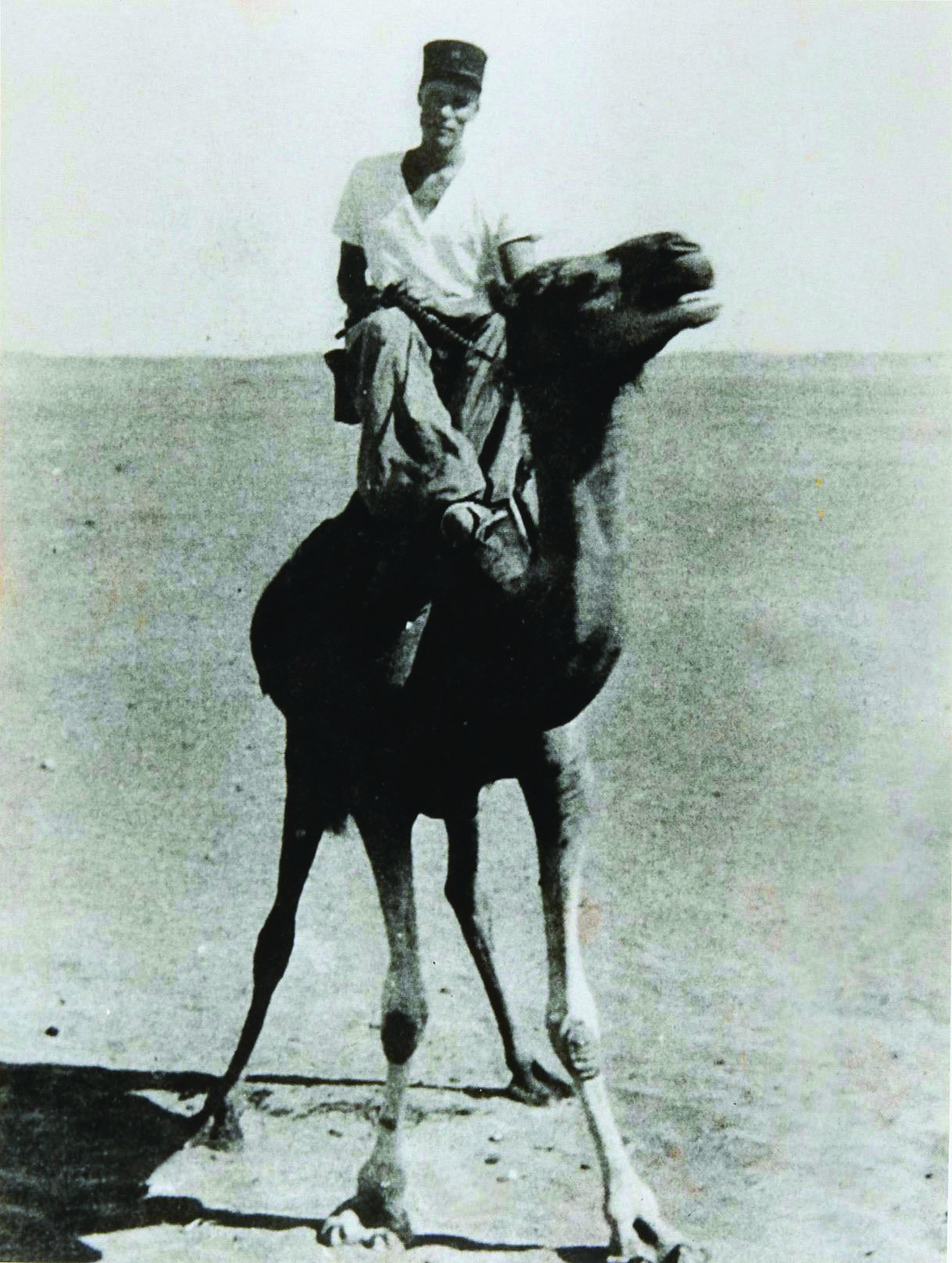
Ortiz mustered “a group of Arabs … to find out what the Germans were doing” and help the Allies fight back. Since his time in Morocco in the 1930s, he had known the ways of the tribesmen and was comfortable working with them. “My Arab boys and I wandered around the [Tunisian] desert and had a pretty good time,” he noted. He provided headquarters with “a good deal of useful information.”
Once, they were “captured” by U.S. Army troops who doubted Ortiz’s story. By then he and the Arabs looked alike—deeply tanned, windburned, sharing bits of clothing, perhaps checkered headscarves. Having never heard of any U.S. Marines operating in North Africa, let alone an American officer leading a camel train, the soldiers suspected him of being a spy. “If this fellow is a Nazi, we can shoot him,” one soldier mused. “On the other hand, if he is a Marine, we should shoot him.” It was a dangerous joke. The interservice rivalry ended when a higher headquarters confirmed they were all on the same side.
Continuing his tour of the battlefield, Ortiz was delighted to encounter a comrade from the Legion, a captain who was busy reinforcing the almost completely encircled remnants of the 3rd Foreign Infantry Regiment, which had served alongside Ortiz’s 2nd Regiment in Morocco. Ortiz could not resist riding to the sound of the guns with the 3rd. He was there as the Legion forced the Germans to pay “a high price for every inch of terrain.” If true to form, he fired a few rounds himself. He left the Regiment only when it was withdrawn to rest and refit. The lesson he recorded was that old-fashioned military virtues still made a difference: These Legionnaires had “demonstrated conclusively that seasoned and determined troops can, albeit with very inferior equipment and armament, hold out against a numerically superior and better armed enemy.”
Every so often, Ortiz remembered he was not entirely a free agent and reported back to Eddy in Algiers, who had proven remarkably tolerant of his wandering observer. No longer a young daredevil himself, Eddy was now ready to pull in the reins—while Ortiz wanted more rein. Ortiz had heard about an unusual opportunity. Eddy was collaborating with the British on an operation codenamed “Brandon” to support Eisenhower’s forces. Under Brandon, small teams of commandos operated behind and between the lines. The mission was “reconnaissance patrolling,” which meant keeping an eye out for the enemy on unguarded flanks, reporting back to the nearest Allied command, and, not least, harassing the Germans by conducting hit-and-run attacks, laying mines, or blowing bridges.
The officers were largely British and from the Special Operations Executive, or SOE. The men were a mix of nationalities, including Spaniards and Frenchmen who hated fascism. Rounding out the picture was a sprinkling of Americans from OSS—among the first OSS officers and men to face the enemy in battle. They included Carleton Coon, the 42-year-old Harvard anthropologist who, like Eddy, was a seasoned Arabist. He spoke the language and had excellent rapport with the tribesmen he was now trying to harness for the Allied cause. (He wanted to go down in history like the multitalented British guerrilla leader T.E. Lawrence of World War I fame.) Coon thought highly of Marines and particularly of Ortiz, who knew the region and knew how to fight.

Ortiz learned that one of Eddy’s officers detailed to Brandon, Captain Elmer “Pinky” Harris, also a Marine, had been wounded by a mine that morning. Ortiz argued he was just the man to take Harris’ place. It would be like for like. But Eddy had his doubts about letting Ortiz go on the assignment. Strictly speaking, he was supposed to be a pseudo-diplomat, more of an observer, less of a combatant. He even had a bona fide diplomatic passport that conferred protected status. The middle-aged Eddy did not want to abuse the privilege. But Ortiz was so eager that Eddy gave in.
In early March 1943, Ortiz took charge of five Spanish commandos and a British radio operator and ventured into the unknown. He made it his personal goal not only to find the enemy but also to bag “a German tank or two” himself.
By now, the American and British armies were facing off against the German and Italian armies in the eastern third of Tunisia, a battleground stretching 300 miles north to south and 50 miles east to west. The terrain ran the gamut from high desert to rocky foothills to valleys fertile enough for olive trees. On March 17, Ortiz presented himself to U.S. Army Brigadier General Paul M. Robinett, commander of an armored task force known as Combat Command B. The 48-year-old was an unusual career officer—5 foot 4 inches of swagger, aggression, and intelligence. He and Ortiz had some common ground. Robinett had studied at the University of Paris, attended the French cavalry school, and competed at the Paris Olympics in 1924 on the U.S. equestrian team. The general explained his plan to Ortiz and asked him to help guard his exposed left flank. He wanted advance notice of any Germans coming at him from the east.
That evening, Ortiz set up a lookout post on a small mountain called Garet Hadid—about 2,000 feet at the summit—that overlooked one of the few roads in the area. But he himself did not stay put. Leaving his second-in-command in charge, he set out by himself to reconnoiter places that might harbor tanks, to get close enough to do “a little something” to the enemy.
The night was inky black. Rain had been falling steadily for three days and showed no signs of abating. It reduced visibility to a few yards. A seasoned infantryman will tell you that this was good weather for reconnaissance, the enemy being less likely to expect a probe when it makes more sense to stay in your tent. He will also tell you that going alone, especially without a radio, is seldom the best plan.
Loaded with grenades, Ortiz inched his way forward for hours, looking and listening. When he crossed a low-lying valley, he sank into mud up to his knees, slowing him down even more. Well past midnight, he spotted tank tracks but no tanks. He neither saw nor heard any other sign of the enemy. Then, without warning, machine-gun fire blazed through the darkness at him from the front and the right. A bullet went through his right hand, near the thumb and forefinger. Another bullet grazed his right leg.
Ortiz fell to the ground and rolled to the left, looking for cover. There was not much. Some 30 yards to the front, he could now make out the dim silhouette of a vehicle. He aimed and threw a Mills bomb—a standard British hand grenade—that fell short. Making a supreme effort, he aimed again, launching a petard. He watched it explode “with a terrific blast,” stopping the automatic fire from that direction. For a man who had just been hit in his throwing hand, it was a remarkable pitch, half again the maximum range of 20 yards for the British antiarmor grenade. The “sticky bomb” designed to latch on to metal until it exploded must have hit home. Ortiz heard men crying out in pain. “With extreme caution,” he crawled one hundred yards to the rear while dodging fire from the right. Then he stood up and walked, bleeding and in shock, slowly back to his men at the lookout post on Garet Hadid.
It took until 8 a.m. to cover the few miles back to Robinett’s command post. The general was delighted with the team’s performance. In his own way, Ortiz had located the enemy. Robinett put Ortiz’s information on the wire and awarded him a Purple Heart on the spot for being wounded in combat, before personally escorting him to a well-equipped aid station. The doctors put Ortiz under and operated immediately. When he came to, he was upset to discover that Robinett had reassigned his scouts. Even worse, the doctors planned to send him to a better equipped field hospital over the border in Algeria. He protested, but to no avail. The surgeon at Tébessa proposed another operation and foresaw months of convalescence.
The war might be over before Ortiz could return to the front, a prospect he could not accept. Ortiz messaged a friend at the nearby French airfield outside Youk-les-Bains to get him quietly out of the hospital and onto a plane to Algiers. On March 22, he reported to Eddy, who let Washington know that the captain had been wounded while engaged “in a personal encounter” with a German patrol that he dispersed with grenades.
The colonel barely resisted saying, “I told you so.” Against his better judgment, he had allowed Ortiz to go into battle. Now there was concrete proof that he had violated the rules for “observers.” It would be best to get him out of the country until things quieted down. Ortiz protested. He wanted to stay and fight. But this time he could not sway the colonel and was soon on his way to Washington by air, reporting to Headquarters Marine Corps on April 28.
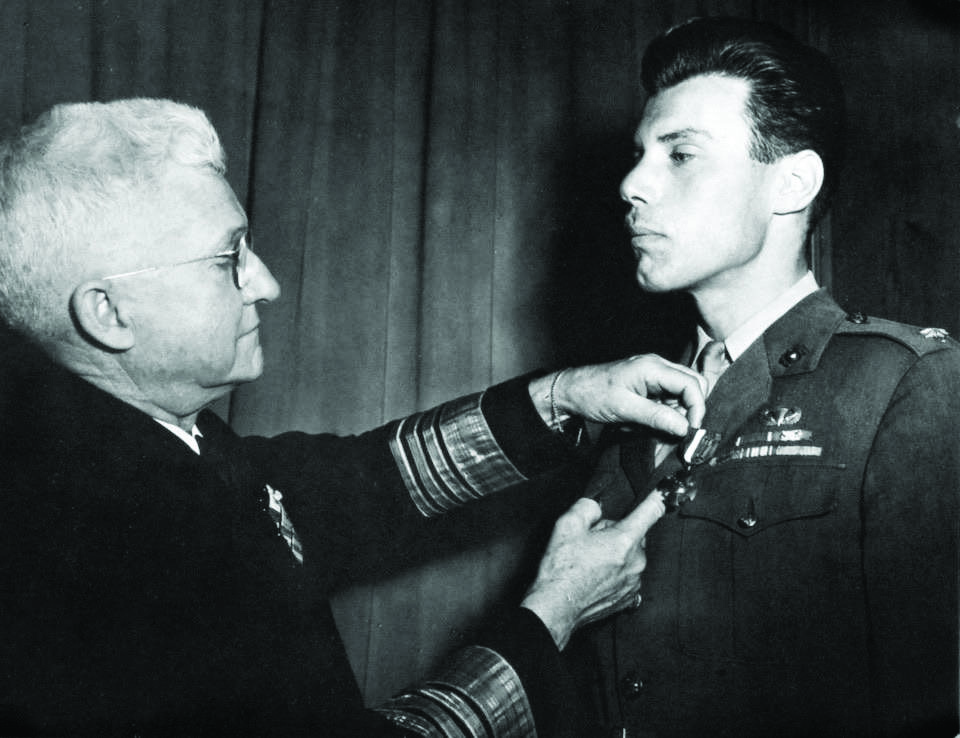
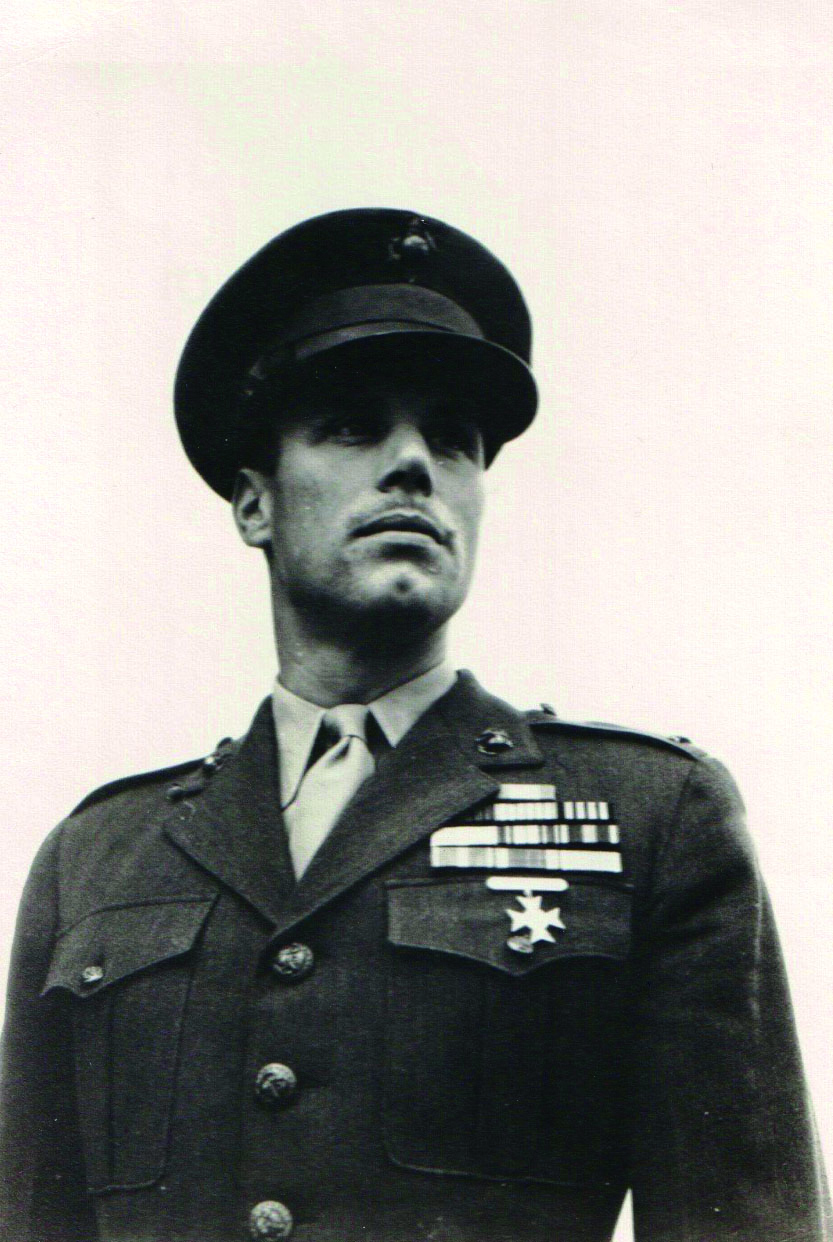
Featured Photo (Top): Col Pierre J. “Peter” Ortiz receives the first of his two Navy Crosses, awarded for extraordinary heroism during WorldWar II after a career that took him from the French Foreign Legion to the U.S. Marine Corps and the Office of Strategic Services (OSS).
Taken from “Ortiz’s War” by Nicholas Reynolds and Katie S. Sanders. Copyright © 2026 Nicholas Reynolds and Katie S. Sanders. Used by permission of Harper Horizon, an imprint of HarperCollins Focus, LLC. www.harpercollinsfocus.com.
Enjoy this article?
Check out these similar Leatherneck, Gazette, and Scuttlebutt features:
Leathernecks in Overlord
Leatherneck
June 2026
By: Paul Westermeyer
Five Marine Aretakis Brothers of World War II
Leatherneck
November 2013
By: John Aretakis
Senator Howell Heflin: World War II Marine
Leatherneck
October 2003
By: Cyril J. O’Brien