


Father of the Navy, Godfather of the Marines: John Adams’ Legacy of Expeditionary Courage
By: MSgt Christopher A. MendezPosted on June 15, 2026
FIRST PLACE WINNER: Leatherneck Magazine Writing Contest
Executive Editor’s note: The following article received 1st place in the 2026 Leatherneck Magazine Writing Contest. The award is provided through an endowment by the Colonel Charles E. Michaels Foundation and is being given in memory of Colonel William E. Barber, USMC, who fought on Iwo Jima during World War II, and was the recipient of the Medal of Honor for his actions at the Battle of Chosin Reservoir during the Korean War. Upcoming issues of Leatherneck will feature the second- and third-place winners and honorable mentions.
The Revolutionary War required leaders who could think beyond traditional paradigms of conflict. Arriving at the Continental Congress in 1774, John Adams quickly emerged as one of the most influential voices on matters of defense. The skirmishes at Lexington and Concord in the spring of 1775 galvanized the colonies, but they also exposed critical vulnerabilities. The British navy controlled vital waterways, threatening supply lines and isolating resistance. Adams, drawing from his New England heritage, understood the peril facing coastal communities and anticipated that a purely land-based military response would be insufficient.
His insight was rooted in personal experience and shrewd analysis. In his autobiography, Adams recognized the seas as a vital but dangerous highway, an observation that encapsulated his appreciation of maritime strategy. He argued forcefully for the establishment of a fleet that could challenge British naval supremacy and disrupt enemy logistics. This argument was not merely theoretical;

Adams grounded his advocacy in the practical needs of defense, emphasizing the importance of rapid response, shipboard security and the ability to strike at enemy positions from multiple directions.
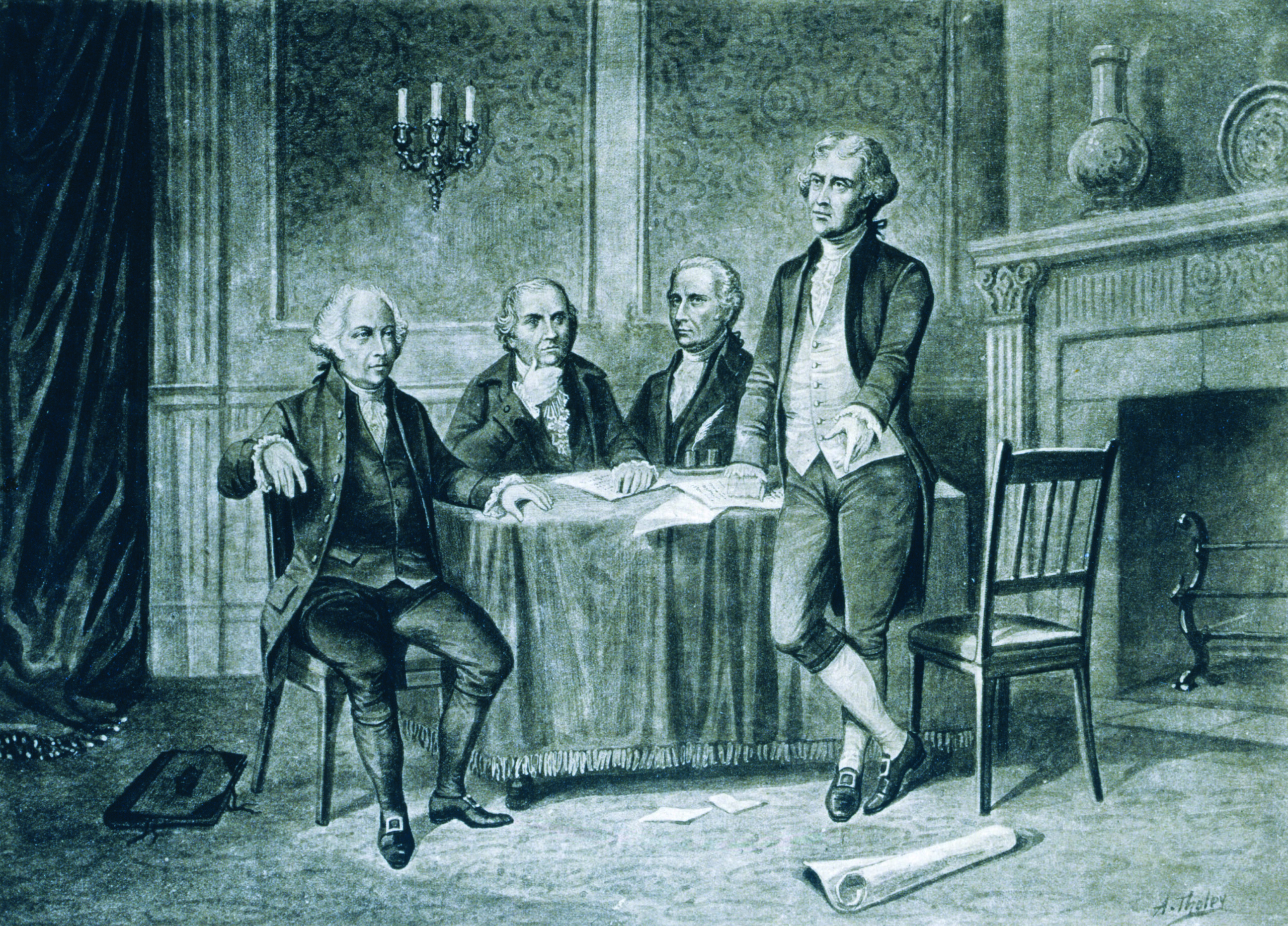
Adams joined the Naval Committee in 1775, working alongside critical committee allies such as Silas Deane and John Langdon. Here, his influence was decisive. While others debated the feasibility of building a Navy from scratch, Adams pressed the urgency of the moment and the necessity of bold action. He articulated a vision for a hybrid force—a corps of “soldiers of the sea” capable of operating on ships and executing amphibious raids. Major General Jason Q. Bohm, USMC, (Ret), in his work “Washington’s Marines: The Origins of the Corps and the American Revolution, 1775-1777,” underscores Adams’ under-standing that military success required a blend of land and naval capabilities, and that the new nation needed a force prepared for operations not only on the open sea but also on rivers and coastal waters, and through rapid amphibious landings.
Founding the Continental Marines: Adams’ Defining Moment
Adams’ advocacy reached its most crucial moment on Nov. 10, 1775. Despite resistance from delegates concerned about the costs and risks of naval initiatives, Adams remained steadfast, marshaling support through his eloquent correspondence, committee work and personal appeals. The resolution passed by the Continental Congress that day, recorded in the Journals of the Continental Congress and shaped by Adams’ leader-ship, was explicit: “Resolved, That two Battalions of Marines be raised, consist-ing of one Colonel, two Lieutenant Colonels, two Majors, and other officers as usual in other regiments; and that they consist of an equal number of privates with other battalions; that particular care be taken, that no persons be appointed to office, or enlisted into said Battalions, but such as are good seamen, or so acquainted with maritime affairs as to be able to serve to advantage by sea when required.” This directive did more than authorize a new branch of service; it established the unique amphibious identity that still defines the Marine Corps today. Adams’ insistence on recruiting men “acquainted with maritime affairs” reflected his belief in adaptability and versatility—qualities essential for expeditionary operations. Documentation from the Marine Corps History Division at Marine Corps University confirms Adams’ central role in shaping both the structure and spirit of the Corps. His active and principled involvement set a precedent for the Marine Corps’ core values: honor, courage and commitment.
Adams pressed the urgency of the moment and the necessity of bold action. He articulated a vision for a hybrid force—a corps of “soldiers of the sea” capable of operating on ships and executing amphibious raids.

From Tun Tavern to Nassau: The Marines’ First Actions
The impact of Adams’ vision became tangible almost immediately through his influence on personnel and doctrine. Recruitment began at Philadelphia, Pa.’s historic Tun Tavern under the supervision of Samuel Nicholas. As Nicholas was a proven leader with maritime experience, this choice further demonstrated Adams’ commitment to building a force specif-ically tailored for the complexities of the era. By securing “good seamen” in leader-ship positions, Adams ensured the new branch would be not merely an extension of the Army but a specialized tool for maritime power.
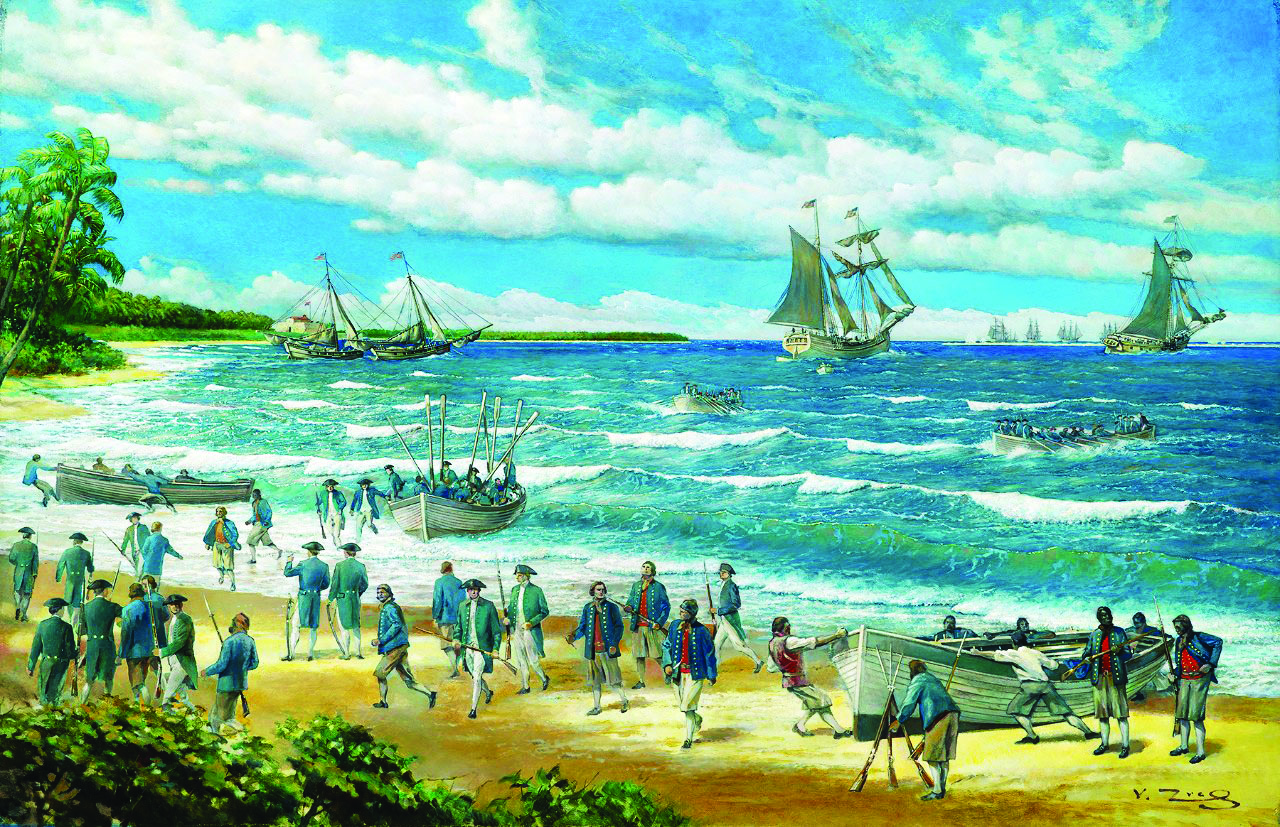
Within months, the Continental Marines validated this institutional design. In March 1776, a Marine detachment led the first major American amphibious assault on Nassau in the Bahamas. The mission, aimed at seizing gunpowder and supplies for George Washington’s army, was a resounding success. The Marines’ ability to move swiftly from ship to shore to capture strategic objectives proved that Adams’ “soldiers of the sea” were a practical necessity, not just a theoretical concept. As MajGen Bohm notes, these early actions were foundational moments that enhanced America’s operational capacity and set the standard for future expeditionary missions.
His approach anticipated the needs of future generations, ensuring that the Marine Corps would remain relevant and effective as the nation evolved.would remain relevant nation evolved.
Adams’ support for the Marines was not limited to policy and organization. In 1778, during his diplomatic voyage to France aboard USS Boston, Adams faced direct threats from British warships. Rather than retreat to safety, he famously chose to remain on deck during a naval engagement and exchange gunfire, exemplifying resolve and bravery. This personal example reinforced the values he championed—courage under fire and a dedication to duty, even risking his life alongside those who served.
Leadership Qualities: Foresight, Decisiveness and Innovation
Adams’ leadership was characterized by several defining traits. His foresight allowed him to recognize the necessity of an integrated military force long before others embraced the concept. He saw that success depended on the ability to adapt to shifting circumstances, by deploying forces rapidly and exploiting opportunities wherever they arose.
His decisiveness was evident in the face of adversity. The debates within Congress were often contentious, with many delegates wary of the expense and logistical challenges of building a Navy and Marine Corps. Adams, however, pressed forward, using his rhetorical skills, personal relationships and deep-seated conviction to overcome opposition. His determination ensured that the resolution of Nov. 10, 1775, was not just passed but implemented with urgency.
Innovation was also central to Adams’ approach. He understood that the demands of the Revolutionary War were unprecedented, requiring new methods of warfare and organization. By advocating for the recruitment of men with maritime experience and emphasizing expeditionary capabilities, Adams laid the groundwork for a force that could meet the complexities of modern conflict. His approach anticipated the needs of future generations, ensuring that the Marine Corps would remain relevant and effective as the nation evolved.
Enduring Legacy: Adams and the Modern Marine Corps
The influence of John Adams endures within the Marine Corps and the broader American military tradition. The expeditionary ethos he helped instill is evident in the Corps’ performance across two and a half centuries, from the iconic flag raising at Iwo Jima to rapid deployments in Afghanistan, Iraq and humanitarian missions worldwide.
Marines today are trained to operate in diverse environments—on land, at sea and in the air—fully realizing the flexibility and readiness that Adams originally envisioned. The principles of loyalty (commitment), adaptability under fire (courage) and selfless service (honor) remain at the heart of Marine Corps culture. Each Nov. 10, Marines celebrate the Corps’ birthday by recalling the exploits of legendary figures like “Chesty” Puller and Smedley Butler—and the often-overlooked foundational leadership of John Adams, whose vision made their service possible.
Adams’ legacy is further reflected in the institutional resilience of the Marine Corps. Despite periods of uncertainty and reorganization, including its temporary disbandment after the American Revolution, the Marine Corps was re-established as a permanent force on July 11, 1798, during Adams’ presidency. His signature on the act that restored the Corps solidified that the values and capabilities he had championed would continue to serve the nation in peace and war.
U.S. Semiquincentennial: Adams’ Enduring Charge
The approaching 250th anniversary of American independence provides an occasion to reflect on the qualities that have sustained the nation through adversity. Adams’ example is instructive: He combined intellectual rigor with practical action, and visionary thinking with operational effectiveness. His ability to navigate the political complexities of Congress, persuade colleagues and drive institutional change speaks to the importance of leadership in times of crisis.
The legacy of the Continental Marines—and their modern descendants—is a testament to the enduring power of determination and innovation. Adams did not merely respond to the challenges of his era; he anticipated the needs of generations to come. His contributions remind us that institutions built on principle and adaptability are best equipped to meet the uncertainties of the future.
The story of John Adams and the founding of the Marine Corps offers lessons in courage, foresight and the relentless pursuit of excellence. Adams’ willingness to challenge conventional wisdom and lead by example shaped the course of history. Today’s Marines, whether serving in distant lands or safeguarding the homeland, honor his legacy through their commitment to expeditionary readiness and the institutional values he helped establish.
This reflection underscores the enduring relevance of Adams’ leadership. The challenges facing the nation may have evolved, but the spirit of innovation and resolve that Adams embodied remains vital. As the Marine Corps celebrated its own 250th anniversary in 2025, and the United States stands on the threshold of its 250th year, the example of John Adams stands as a beacon for all who seek to build institutions capable of withstanding the tests of time.
Featured Photo (Top): As a leading voice in the Continental Congress, John Adams’ tireless advocacy for a maritime force led to the establishment of the Continental Marines on Nov. 10, 1775. (Courtesy of Library of Congress)
About the Author
MSgt Christopher A. Mendez is a senior enlisted advisor as-signed to Intelligence Support Battalion in Aurora, Colo. MSgt Mendez’s personal awards include the Meritorious Service Medal, Navy and Marine Corps Commendation Medal (with a gold star in lieu of a second award) and the Navy and Marine Corps Achievement Medal (with a gold star in lieu of a second award). He is married to Shana Metzger of Allentown, Pa., and they have three children.
Enjoy this article?
Check out these similar Leatherneck and Scuttlebutt features:
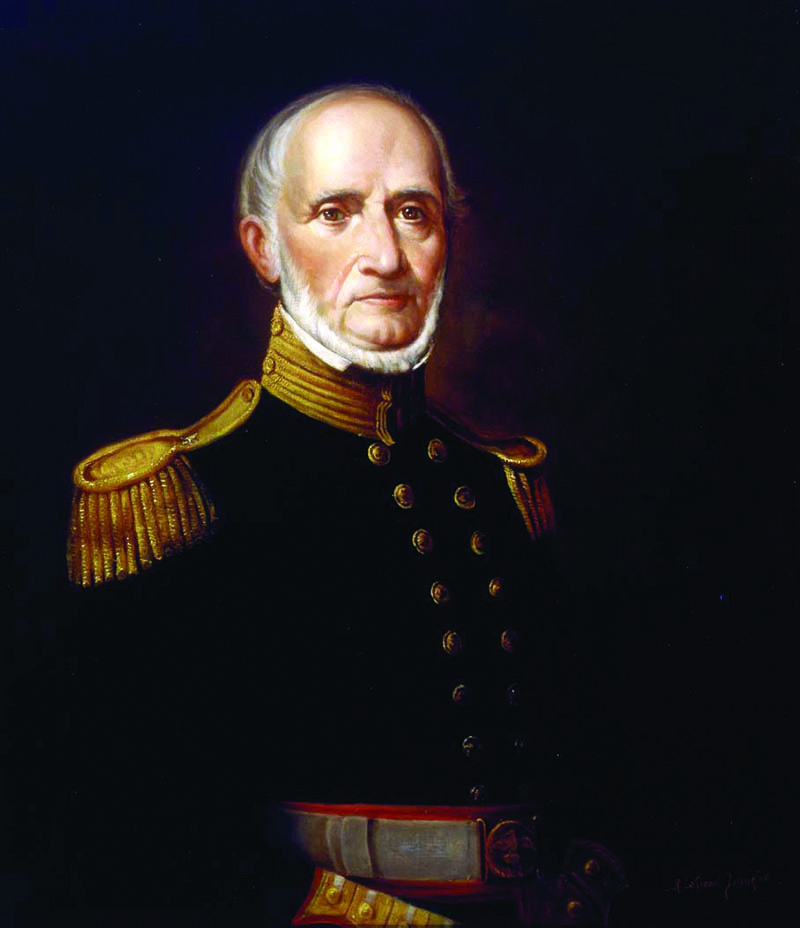
Giants of the Corps: Archibald Henderson
Leatherneck
January 2025
By: Karl Schuon and Tom Bartlett
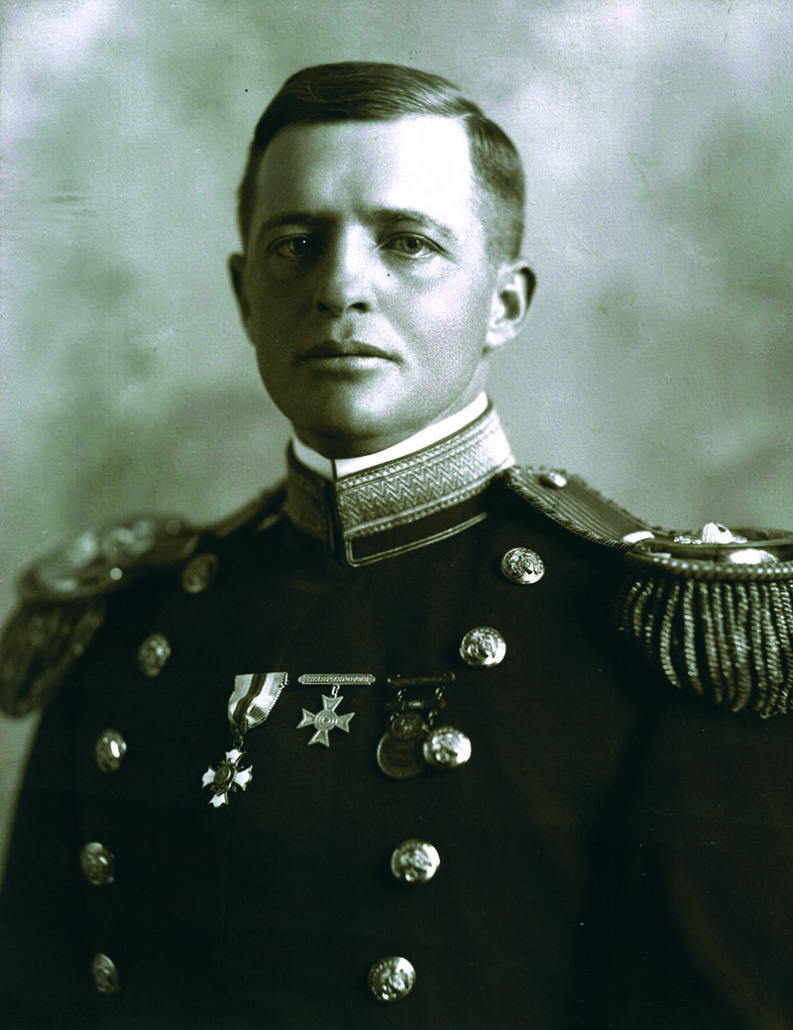
Alfred A. Cunningham: Father of Marine Corps Aviation
Leatherneck
May 2025
By: Dr. Laurence M. Burke II
The Ring: A Tale of Tragedy, Love, and Serendipity
Leatherneck
September 2025
By: Kipp Hanley