

Robert Morris: A Little-Known Founding Father and Creator of Our Corps
By: Cpl Alistair WatsonPosted on July 15, 2026
SECOND PLACE WINNER: Leatherneck Magazine Writing Contest
Executive Editor’s note: The following article received second place in the 2026 Leatherneck Magazine Writing Contest. The award is provided through an endowment by the Colonel Charles E. Michaels Foundation and is being given in memory of Colonel William E. Barber, USMC, who fought on Iwo Jima during World War II and was the recipient of the Medal of Honor for his actions at the Battle of Chosin Reservoir during the Korean War. Upcoming issues of Leatherneck will feature the third-place winner and honorable mentions.
Under a moonless sky on Oct. 14, 1781, 400 Continental Marines and soldiers crouched silently on the coastal plains near Yorktown, Va. Before them loomed the British stronghold known as Redoubt 10. Each man understood that the coming moments could determine the fate of a fledgling nation. General George Washington’s orders were explicit: absolute silence to preserve surprise while encircling this modest yet vital position. Not a single shot could be fired until they reached the enemy.
Sappers wielding axes hacked relentlessly to clear a path through the abatis and fraises. A British sentry heard a sharp crack of wood and issued a challenge. No response came. A musket fired. The night erupted into chaos.
The Marines and soldiers formed human ladders, enabling their comrades to climb atop their shoulders and vault over the earthworks. The clash began sooner than the Americans intended, yet their discipline rivaled their British foes. By this late stage of the war, the patriots were well trained, well equipped and recently had been paid their long-overdue wages. Sites where British soldiers had slept or dined moments earlier turned into battlegrounds—and graves. With the redoubt captured, Washington secured the vantage point needed to unleash a third artillery front, dooming the main British lines.
But Morris didn’t take up battlefield command; instead he excelled in audacious financial stewardship that bolstered the American war machine.
That triumph stemmed not only from valorous combat and masterful strategy but also from leadership distant from the front lines—leaders who secured weapons, supplies and pay to enable victory. A pivotal figure in this realm was Robert Morris.
Born in Liverpool, England, Morris immigrated to the colonies as a child. He amassed wealth through success in shipping and the tobacco trade—though some of his profits derived from the abhorrent slave trade. By the Revolution’s outset, he ranked among the colonies’ richest men. He backed the patriot cause partly because he was outraged over Britain’s unjust taxes, including the notorious Stamp Act. But Morris didn’t take up battlefield command; instead he excelled in audacious financial stewardship that bolstered the American war machine.
Beyond the wartime demands of the 1781 Yorktown campaign and the Revolution writ large lay a critical, complex financial dimension. The nascent country lacked a robust economy and grappled to finance the war. Even the most devoted soldiers endured the privations of unpaid wages, fostering despair. Indeed, mere months before Yorktown—even as victory’s tide turned favorably for the American side—nearly 2,500 Pennsylvanian troops stationed in New Jersey mutinied, marching perilously close to the Continental Congress in Philadelphia, Pa., to demand back pay. A resolution averted catastrophe before the furious ranks reached the defenseless assembly. No war effort, past or present, endures without sound financial pillars. This account illuminates the “financier of the Revolution,” Robert Morris—a Founding Father embodying Marine Corps leadership traits like judgment, initiative, unselfishness and courage, while aiding the Corps’ formation.
Morris’ Financial Acumen
As a Continental Congress member, Morris chaired vital finance committees that acquired arms and provisions for the Army, Navy and Marines. Beyond procurement, he steadied finances, brokered essential loans and established the Bank of Pennsylvania to sustain supplies amid public credit’s near-collapse. His efforts forged foundations for today’s federal financial architecture. From the shadows, Morris’ altruistic labor—often tapping his personal fortune—transformed the Revolution from idle founders’ discourse into a global triumph.
Discord and deadlock plagued the fledgling Congress, especially on fiscal matters. When stalemates threatened paralysis, Morris forged paths forward with resolute courage, at times acting unilaterally to overhaul institutions. He shouldered immense personal risk, pledging his own wealth to catalyze change. A stark example arose in 1781, as federal finances verged on bankruptcy. Rather than dither, Morris displayed judgment and decisiveness by issuing “Morris notes,” or currency underwritten by his personal credit, which bankrolled the Continental Army. In this endeavor, he raised more than $1.4 million—an audacious act for any citizen, then or now—securing vital supplies for Yorktown. Some of the bayonets and axes wielded so effectively by soldiers and Marines at Redoubt 10 that October night were purchased with these notes. Moreover, this funding forestalled further mutinies over unpaid dues.
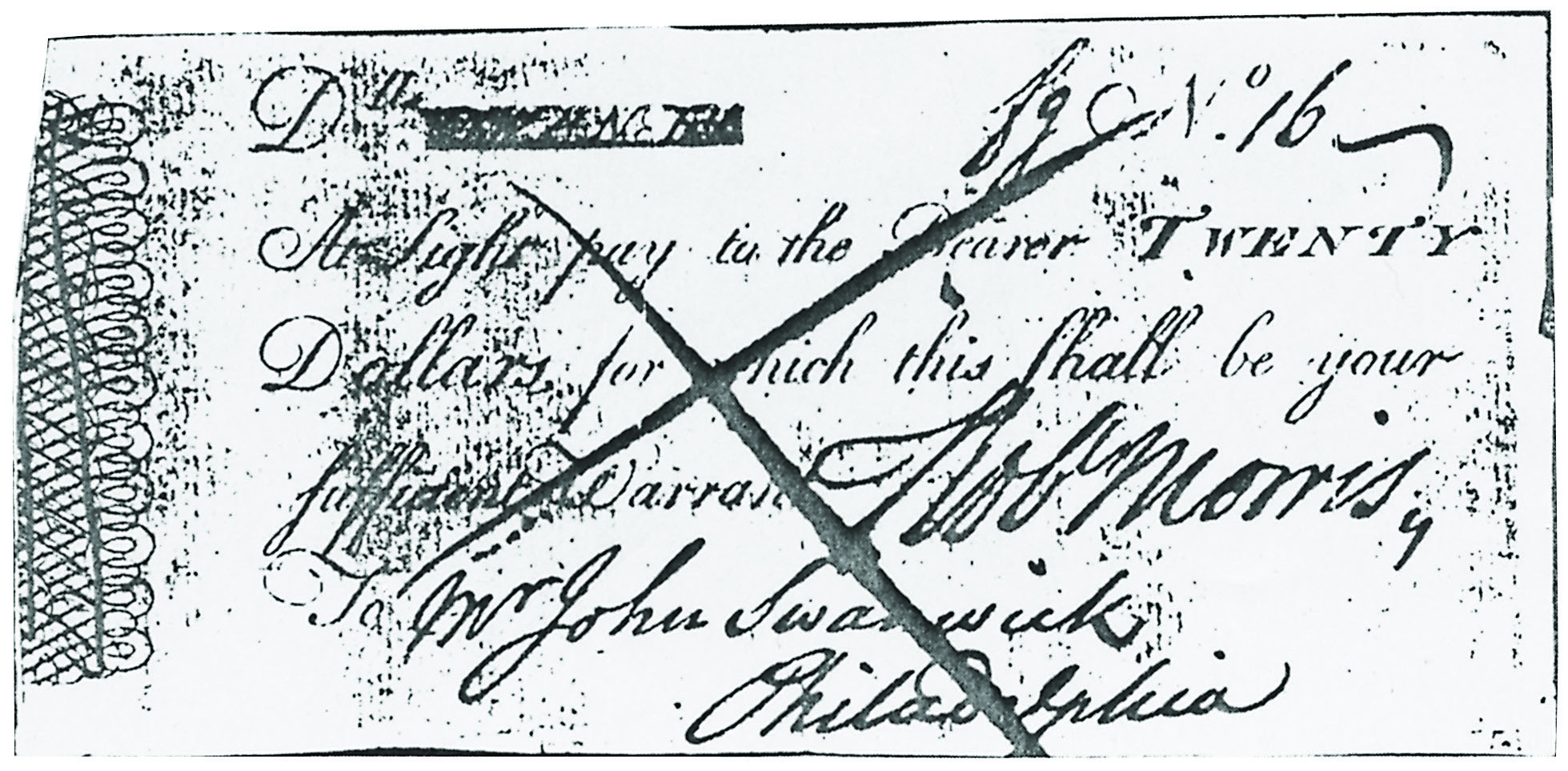
Congress also appointed Morris Superintendent of Finance in 1781, formalizing his role as a visionary steward. He shrewdly insisted the position wield flexibility, insulating the role from political gridlock to ensure swift decisions. This prescience spared his office from devolving into another futile committee. Concurrently, Morris co-founded the Bank of North America—a private entity under public oversight, crafted to extend credit to Congress. It generated reliable cash flow and pioneered the institutional scaffolding of America’s federal financial system, endowing the young republic with fiscal sophistication rivaling elder powers.
No war effort, past or present, endures without sound financial pillars. This account illuminates the “financier of the Revolution,” Robert Morris—a Founding Father embodying Marine Corps leadership traits like judgment, initiative, unselfishness and courage, while aiding the Corps’ formation.
Morris grasped that vanquishing a global empire demanded equal financial might. His judgment transmuted Congress’s sluggish committee processes into a streamlined engine of resources. Though not the sole affluent patriot, Morris towered among them as a preeminent leader. Instead of choosing comfort and hiding as the war raged around him, he stood up for what he believed in. Other lenders trusted the infant nation’s bonds precisely because Morris guaranteed repayment. At peaks, his sterling reputation eclipsed Congress’ own.
Morris’ Impact on the Marine Corps
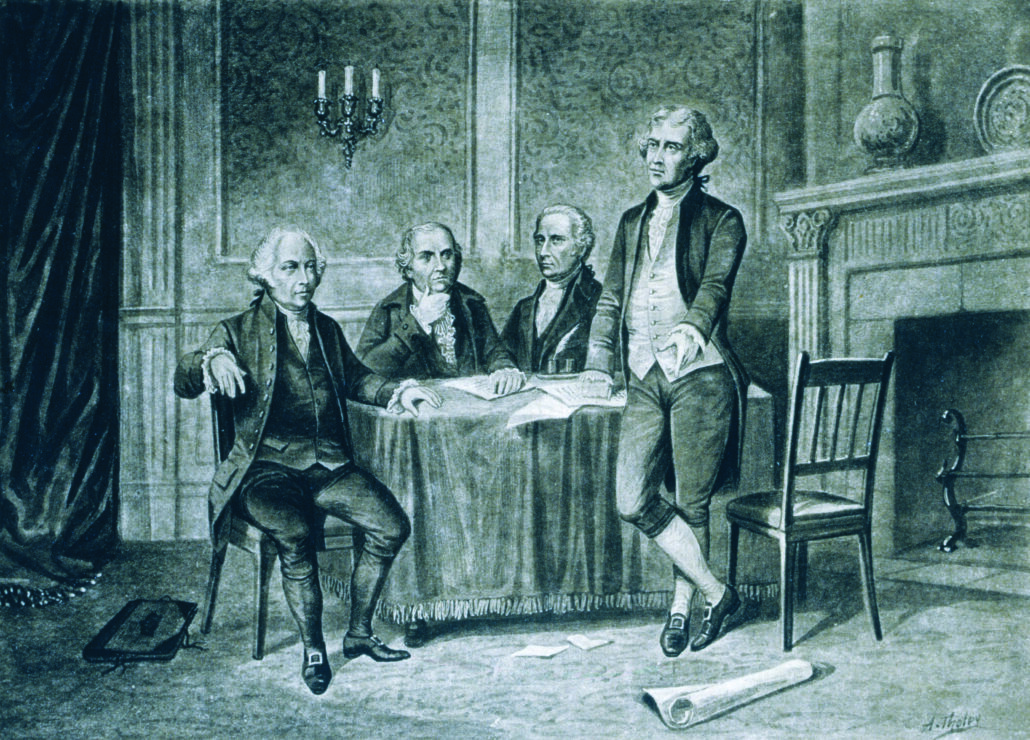
Robert Morris also led the Marine Corps’ inception. From 1781 to 1784, he led the Continental Navy as the unpaid “Agent of Marine,” overseeing all naval affairs. He swayed John Adams and Joseph Hewes to establish the Continental Navy, and, as a Congress delegate, he sat on the Marine Committee, directing Continental Marines. He further championed Captain Samuel Nicholas—now hailed as the Corps’ first Commandant—for a clandestine mission ferrying a massive French loan from Boston, Mass., to Philadelphia through British-held terrain.
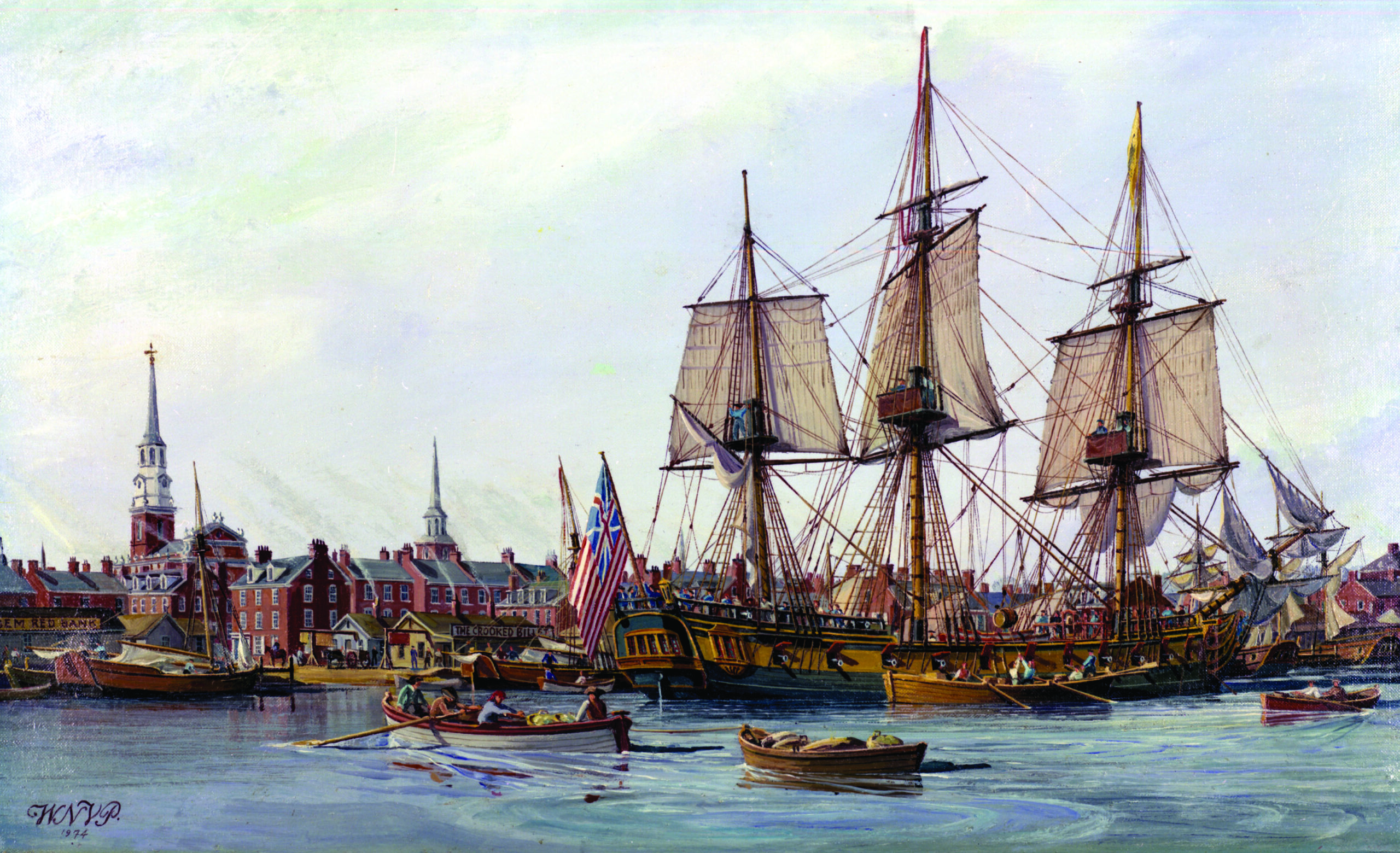
Morris provided three vessels from his merchant fleet to the Continental Navy: Black Prince (renamed Alfred), Sally (renamed Columbus) and Molly (renamed Reprisal). These ships aug-mented naval strength and powered America’s pioneering amphibious assaults. Refitted as a 24-gun frigate, USS Alfred spearheaded the Battle of Nassau, the Corps’ first amphibious raid. USS Columbus, likewise a 24-gun frigate, also joined the fray. USS Reprisal, an 18-gun brig, notched victories en route to Martinique and conveyed Benjamin Franklin—newly tapped as envoy to France—across the Atlantic, marking the first Continental ship in European waters.
Morris the Man
Morris stands with Roger Sherman as the only two figures to sign the Declaration of Independence, Articles of Confederation and Constitution. After the war, he continued to make an impact by advancing federal fiscal reforms.
Morris epitomized action: a beacon of dedication worthy of emulation. Amid civilians, he exceeded bounds as the exemplar of unselfishness and dependability among Revolution-backing elites. He seized the moment, recognizing that even flawless strategy crumbles without prompt funding. On top of helping to create the Corps, he embodied attributes that would become pillars of the famous Marine leadership traits.
The Corps prizes teamwork in combat, understanding that war transcends tactics and involves a plethora of actors. Like myriad warriors, Morris toiled offstage, his fiscal savvy amplifying British pressure and turning the dream of the Revolution into a reality. While certainly not the most famous founding father, Robert Morris should be appreciated for his incredible commitment to the establishment of this nation.
Lessons for Readers and the Corps
There is a lot to be learned from Morris by our modern Corps and warfighters.
• Seize ownership of your role and amplify others’ roles. Morris exceeded every mandate, aiding procurement and beyond. He didn’t just do the bare minimum; he took great care to go above and beyond every role.
• Act decisively amid turmoil—reject hesitation and deliver solutions. Don’t get caught up in paralysis. Though debate and argumentation will lead to better results by bringing out the best ideas, there does come a point when deadlines will be missed because of deadlock.
• Master your craft. Morris built upon his personal financial knowledge to shape the federal financial system.
These principles will sharpen the Corps against emerging threats, sustaining lethal prowess. May this inspire all ranks to weave Morris’ traits into their command, fostering adaptability and ingenuity.
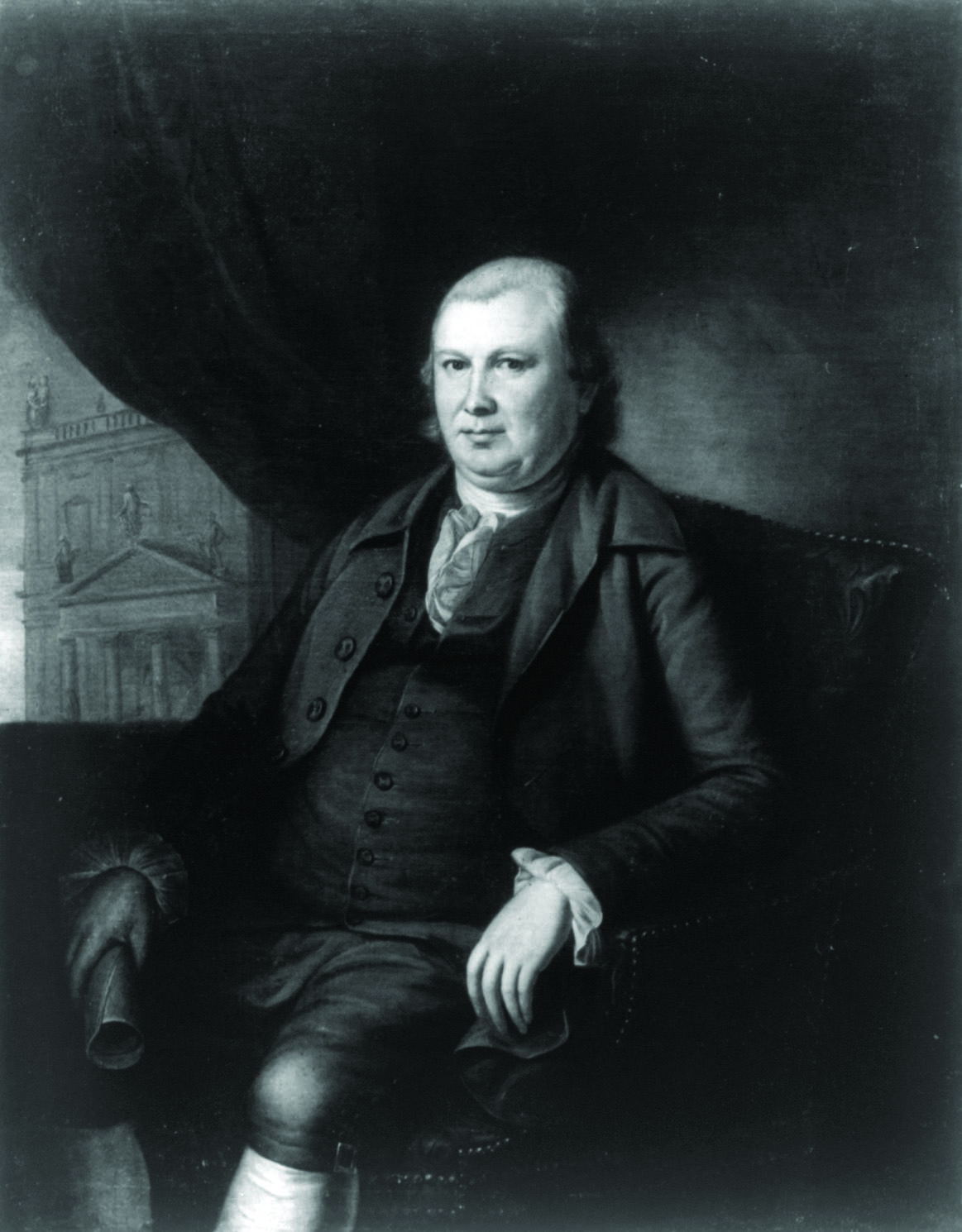
Featured Photo (Top): Portrait of Robert Morris (Courtesy of Library of Congress)
About the Author
Corporal Alistair Watson is a Chinese Mandarin linguist assigned to 1st Radio Battalion in Camp Pendleton, Calif. With no prior experience with the language, Cpl Watson graduated from the Defense Language Institute with the class’ highest award: the Commandant’s award.
Enjoy this article?
Check out these similar Leatherneck and Scuttlebutt features:
Father Of The Navy, Godfather Of The Marines: John Adams’ Legacy Of Expeditionary Courage
Leatherneck
July 2026
By: MSgt Christopher A. Mendez
Love And Leadership
Leatherneck
October 2024
By: Cpl Damon Gossett
Tribute to a Vietnam War Marine
Leatherneck
September 2024
By: Capt James P. Coan