

The Last Flight of Uncle Rudy: Sixty Years Later, Nephews Adopted By the Brotherhood
By: Kyle WattsPosted on October 15, 2026
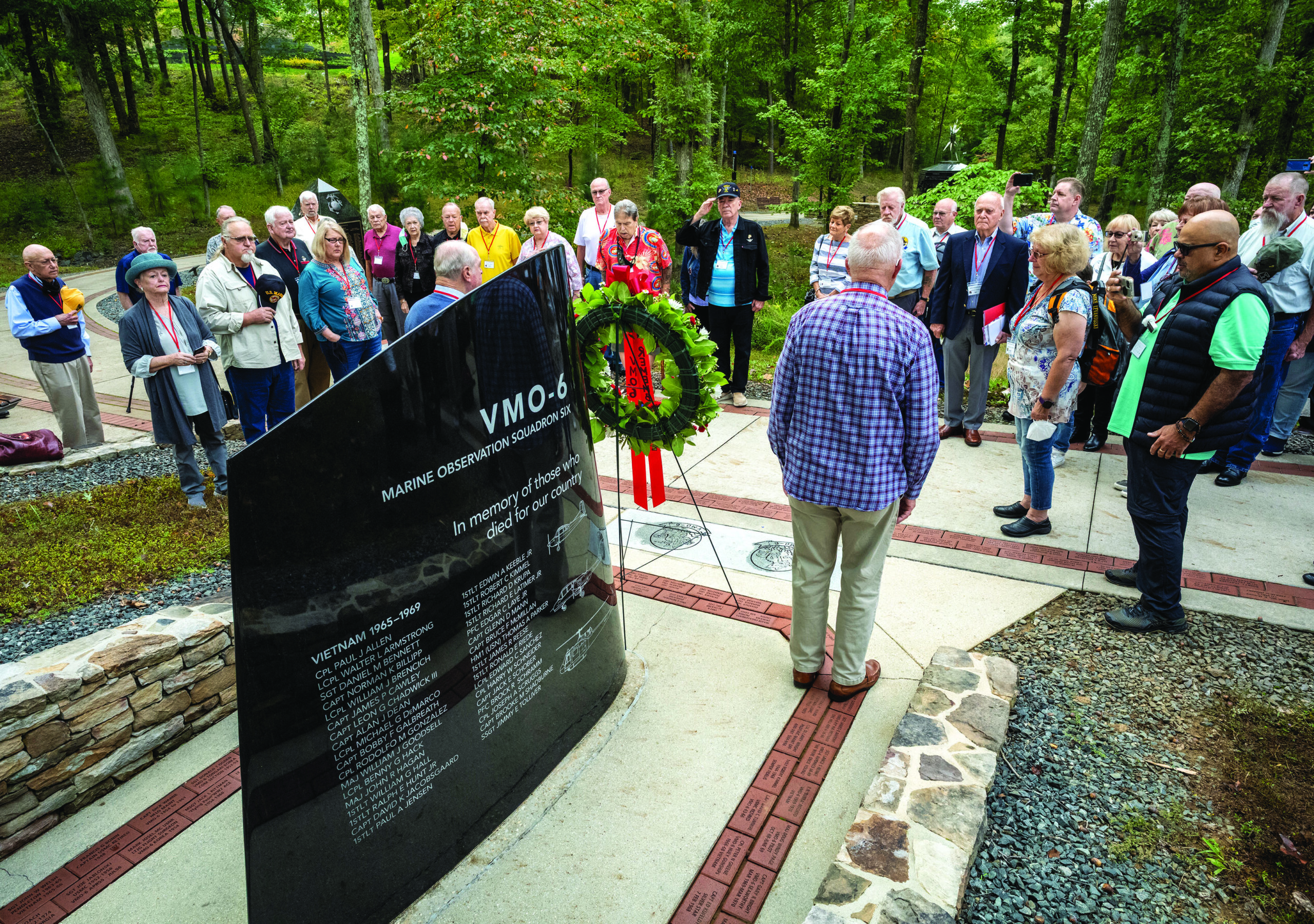
In October 2021, brothers Gerry and Rudy Gonzalez stood watching in rapt attention the men surrounding them. Many years younger than the rest, the brothers captured the moment on film as the Vietnam War veterans solemnly performed a ceremony of remembrance around a granite memorial located outside the National Museum of the Marine Corps. Unlike the others, Gerry and Rudy held no service record or prior connection to the military. The gap in age and experience notwithstanding, the reunion group welcomed the pair as immediate family.
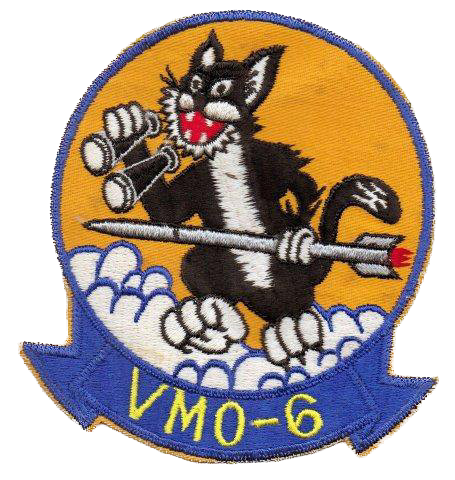
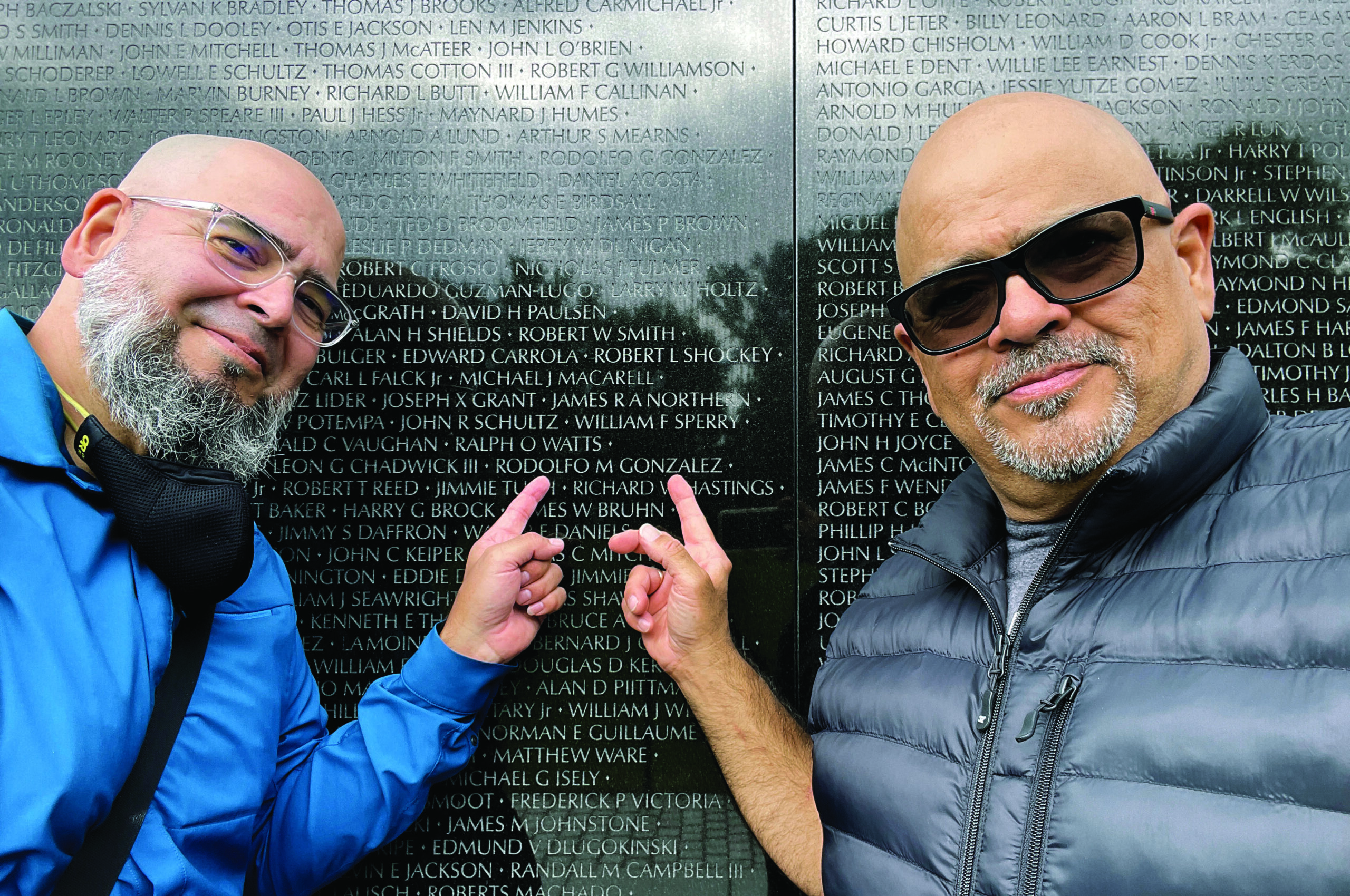
The bond uniting them centered around one of the 35 names etched into the memorial. Nearly six decades after his death, Corporal Rodolfo M. “Rudy” Gonzalez reached through time to bring them all together. To the Marines observing the ceremony, Rudy was a beloved squadron mate from Marine Observation Squadron (VMO) 6, killed in action on a rescue mission over The Republic of Vietnam. To the brothers, he was a beloved uncle and namesake, taken too soon before they ever got to know him. They travelled to the reunion desperate for information to fill in their knowledge gaps. What little they did know served as the catalyst for their journey—their uncle died in the service of a country in which he was not a citizen.
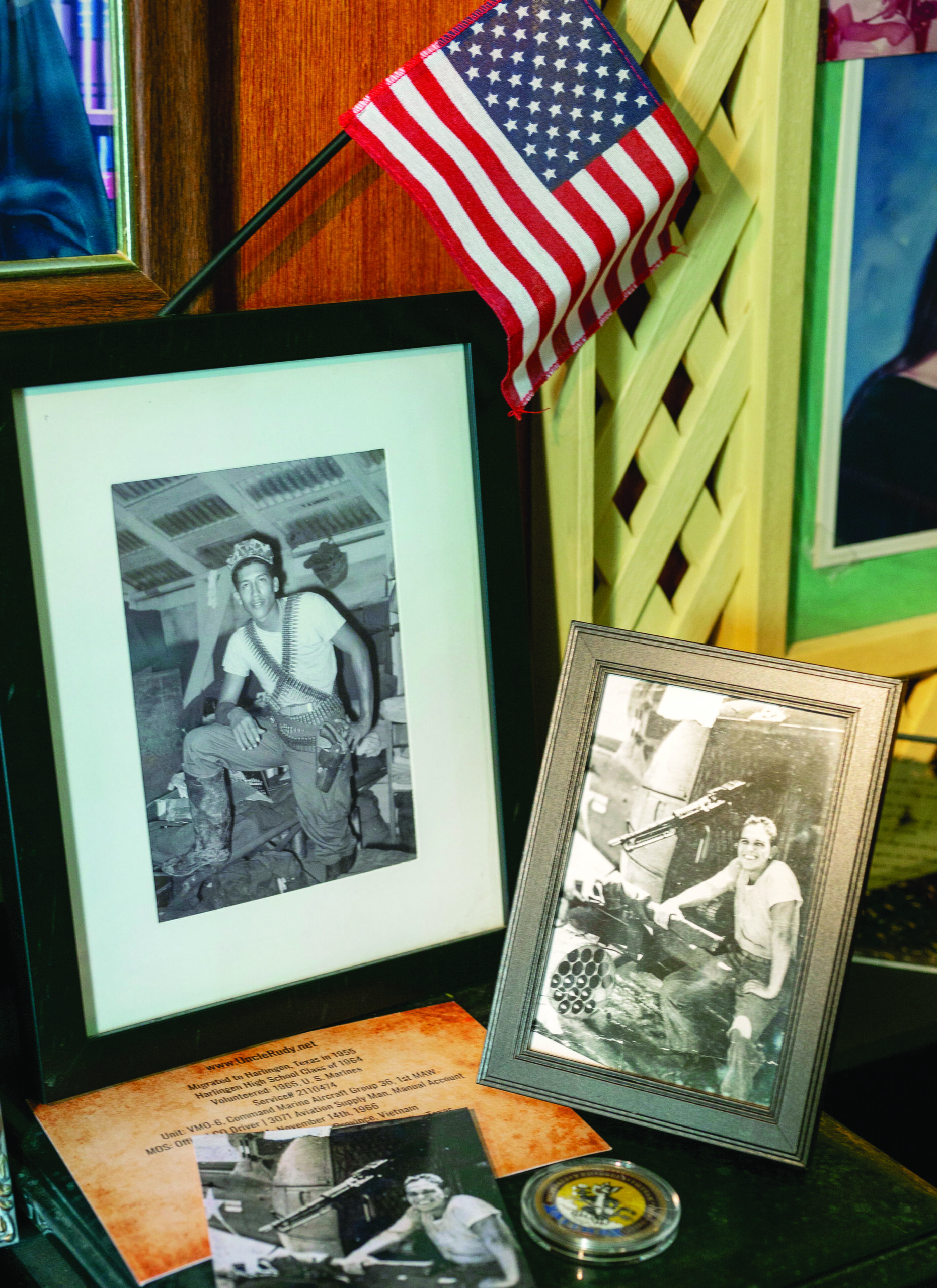
Rudy immigrated to the United States at the age of 9 with his mother and four siblings. His father preceded the rest of the family north from Mexico after a fire destroyed their home in Monterrey. An American in Harlingen, Texas, sponsored the elder Gonzalez to come to America and work as a master milliner, or hat maker. Once he was established, the rest of the family followed in 1955. Rudy worked through high school as a teenager helping support the family. By the time he graduated in 1964, his plans for the future solidified into a single pathway. He wanted to go to college. He wanted to become a naturalized U.S. citizen. To accomplish these goals, military service seemed the best option to simultaneously pursue both.
Rudy enlisted in the Marine Corps shortly after graduation and deployed to Vietnam. He served as a 3071 Aviation Supply Specialist with VMO-6. Back home in Texas, 4-year-old Gerry watched his uncle go off to war.
“I remember as a kid watching the war on the news trying to find my uncle in all of the clips they showed from Vietnam,” Gerry said. “I remember the day it was announced the he had been killed and all of the emotion. The family was just devastated. Even as a kid, I absorbed a lot of that. It was embedded in my DNA for many years.”
The end of Rudy’s tour in Vietnam imminently approached by the beginning of November 1966. Despite spending most of his tour in supply or as a driver for the squadron’s commanding officer, he volunteered repeatedly to fly as a door gunner. He survived numerous missions over the Vietnamese jungles, exposed behind the machine gun in a Huey’s open side door. His time in country finally became so short that he packed his personal belongings and shipped them home to his parents. He attended a going-home celebration for a fellow Marine who sailed to Vietnam on the same ship, also departing the country in just a couple days. His sense of duty to his squadron mates endured to the very end. Despite admonition from his buddies to prioritize his own self-interest and safety, Rudy continued volunteering to man the door gunner’s seat as missions arose.
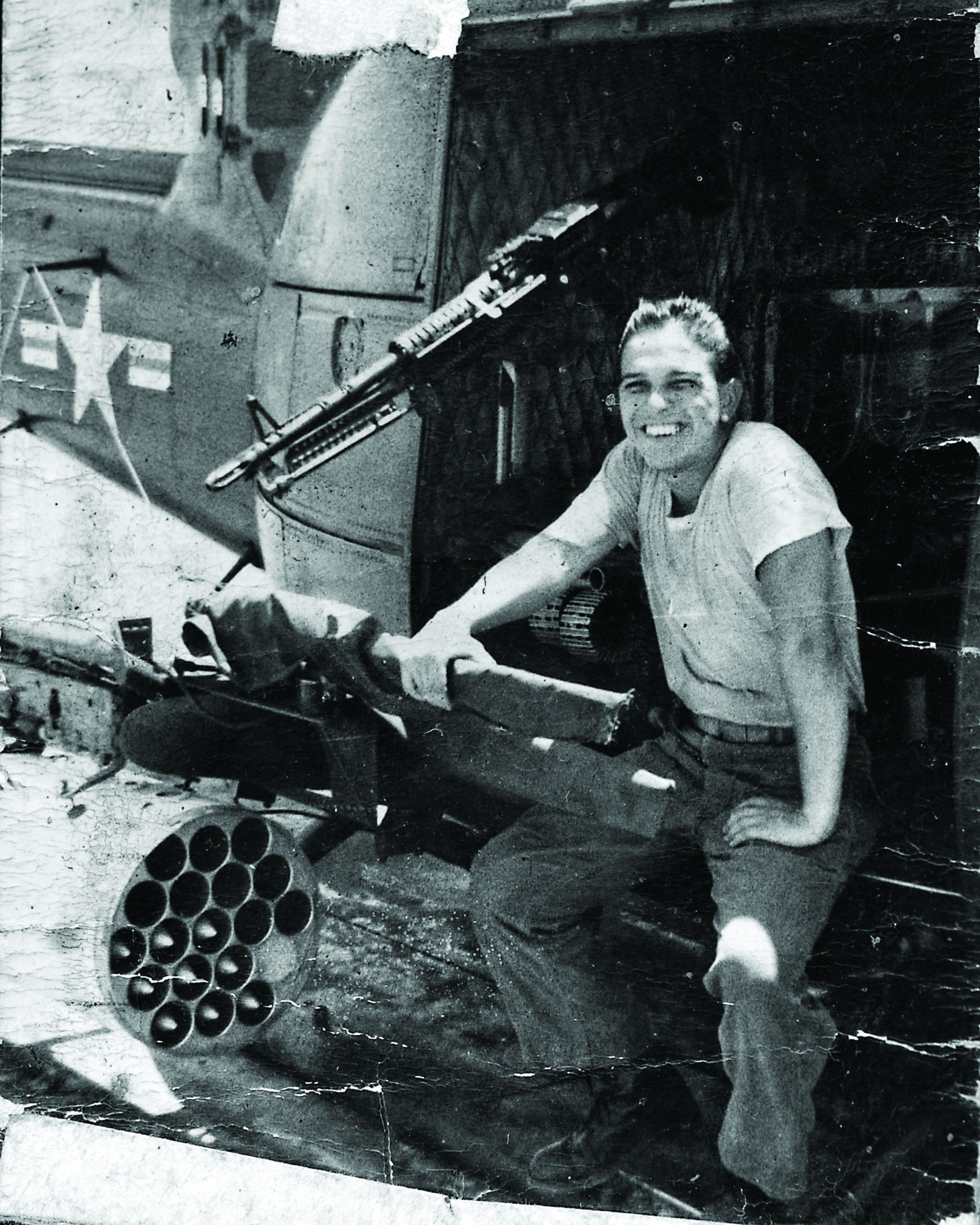
On Nov. 14, an urgent call came down for VMO-6’s Hueys. Marines on the ground 9 miles southwest of Danang encountered heavy enemy contact and called for a medical evacuation of their casualties. An H-34 helicopter from Marine Medium Helicopter Squadron (HMM) 263 descended into intense enemy fire and was shot down before the medevac could be accomplished. VMO-6 joined in to provide air support as a second H-34 suffered through the onslaught to extract the surviving crew members. A third chopper endured the gauntlet once again to finally pull out the original medevac casualties.
By the time Rudy’s Huey was airborne, a fourth H-34 joined them heading toward the crash site. The VMO-6 birds were tasked with securing the area while maintenance Marines recovered or destroyed the sensitive equipment stranded on the ground. Captain Leon Chadwick III piloted the Huey with Rudy serving as door gunner and Sergeant Daniel Bennett as crew chief. Serving as copilot for the mission was Colonel Kenneth L. Reusser, a highly decorated three-war veteran and the commanding officer of Marine Aircraft Group 16. As they approached the crash site, Rudy waved to a Marine looking his way from the H-34 alongside them and flashed a thumbs up as the Huey peeled off for a strafing run. The Marine, a maintainer from HMM-263 named Leonard Martinez, would be the last person to see Rudy alive.
Capt Chadwick piloted the Huey low over the ground. Machine-gun rounds and rockets exploded from the chopper, lighting up the jungle below. Enemy fire increased as the helicopter shot overhead. Bullets tore through the cockpit, killing Chadwick as he sat behind the controls. The Huey careened out of control and burst into flames amongst the trees. Rudy and Bennett died in the back of the Huey, either from the savage enemy attack or the raging fire. Miraculously, Reusser escaped the helicopter alive, though horridly burned over much of his body.
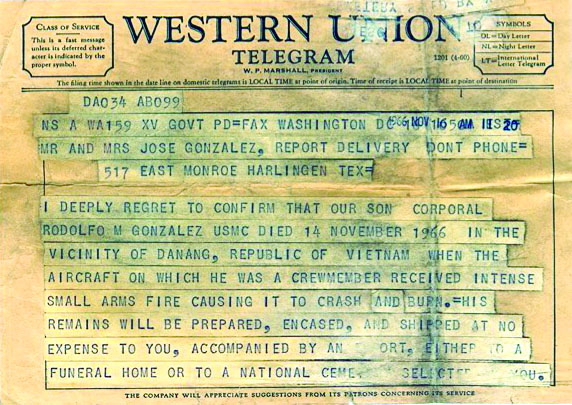
Rudy’s body was recovered along with the remainder of his slain aircrew. Burned beyond recognition, he was sealed in a closed casket to be shipped home, just like his belongings he’d packed and shipped a few days earlier. His parents in Texas received the personal effects and eagerly awaited the arrival of their 22-year-old son. Instead, a solemn-looking stranger in a Marine uniform appeared on their doorstep with a Western Union telegram.
The news of Rudy’s death proved so completely earth shattering to his parents that they could not believe it. His belongings survived the war and journey home. Surely, he was soon to follow. They refused to accept that the body contained within the sealed casket belonged to their son. For the rest of their lives they waited, excited and tortured by every knock on the door or sound of someone in the driveway.
By 2012, Gerry Gonzalez was a well-travelled and established professional news cameraman, a career inspired by his time as a youth watching the Vietnam War on television and dreaming about the men behind the camera filming such epic events. Rudy, born after their uncle’s death and named in his honor, was now a Pulitzer Prize-winning photojournalist. The pair covered numerous military events over their careers, inspiring interest in their uncle and his Marine Corps experience. That year, Gerry returned to Texas to interview his aunt, the sole surviving sibling of his uncle Rudy.
“I was wrapping up a segment for ABC News in Houston, so I decided to go to my aunt’s house and ask her to talk about my uncle Rudy. I had all my equipment with me and wanted to record an interview. Over the course of the conversation, she says, ‘oh, by the way, he never got his citizenship.’ I was shocked. She said my grandparents were just so devastated by his loss that they never believed he was dead. They never actually saw his body and there was no closure. All his things had come home, he was coming home, and now all of the sudden he’s in a box? They couldn’t reconcile it. They were tormented with this the rest of their lives. They had two years to apply for posthumous citizenship but never did.”
The revelation about their uncle fueled the brothers’ curiosity and drive to honor him. They used their connections in Texas to see Memorial Day tributes and blog posts published about him. Eventually, these publications led them to Marines who served alongside Rudy in Vietnam. They connected with Leonard Martinez, who shared his vivid memories of waving to Rudy through the space aloft between their helicopters and watching him peel off towards his death. They met Jesse Mendez, the Marine who sailed to war with Rudy and who celebrated his own going-home party just a day or two before Rudy died. They connected with more Marines, eventually receiving the invitation to join VMO-6 members at their reunion in Washington, D.C.
“Instantly, when we arrived, we were welcomed like family,” said Rudy. “For me, it was the first real connection with my uncle. As they shared stories with me, it felt like I was hearing my uncle’s voice for the first time. I had finally met him by meeting VMO-6. The power of that was just something that had always been missing. Being named after my uncle is an incredible honor that I really didn’t have the ability to process until meeting them for the first time. That made me a part of VMO-6 and a part of my uncle.”
Through these veterans, Gerry and Rudy gained a glimpse into the brotherhood that embodied their uncle’s time in Vietnam and the character traits that defined him. They learned of his choice to volunteer as a door gunner, a choice rooted in his desire to earn additional hazard pay in order to send the extra money home to his family. They learned of his bravery demonstrated over numerous combat missions, earning four Air Medals and a Purple Heart. Most significantly, they discovered an entire community they never knew existed, forged through their experience in combat and bound by the sacrifices they endured—a sacrifice shared by the Gonzalez family. As long as these Marines gathered, laughed and shared their memories, Uncle Rudy lived. The brothers vowed to do their part to keep those memories alive.
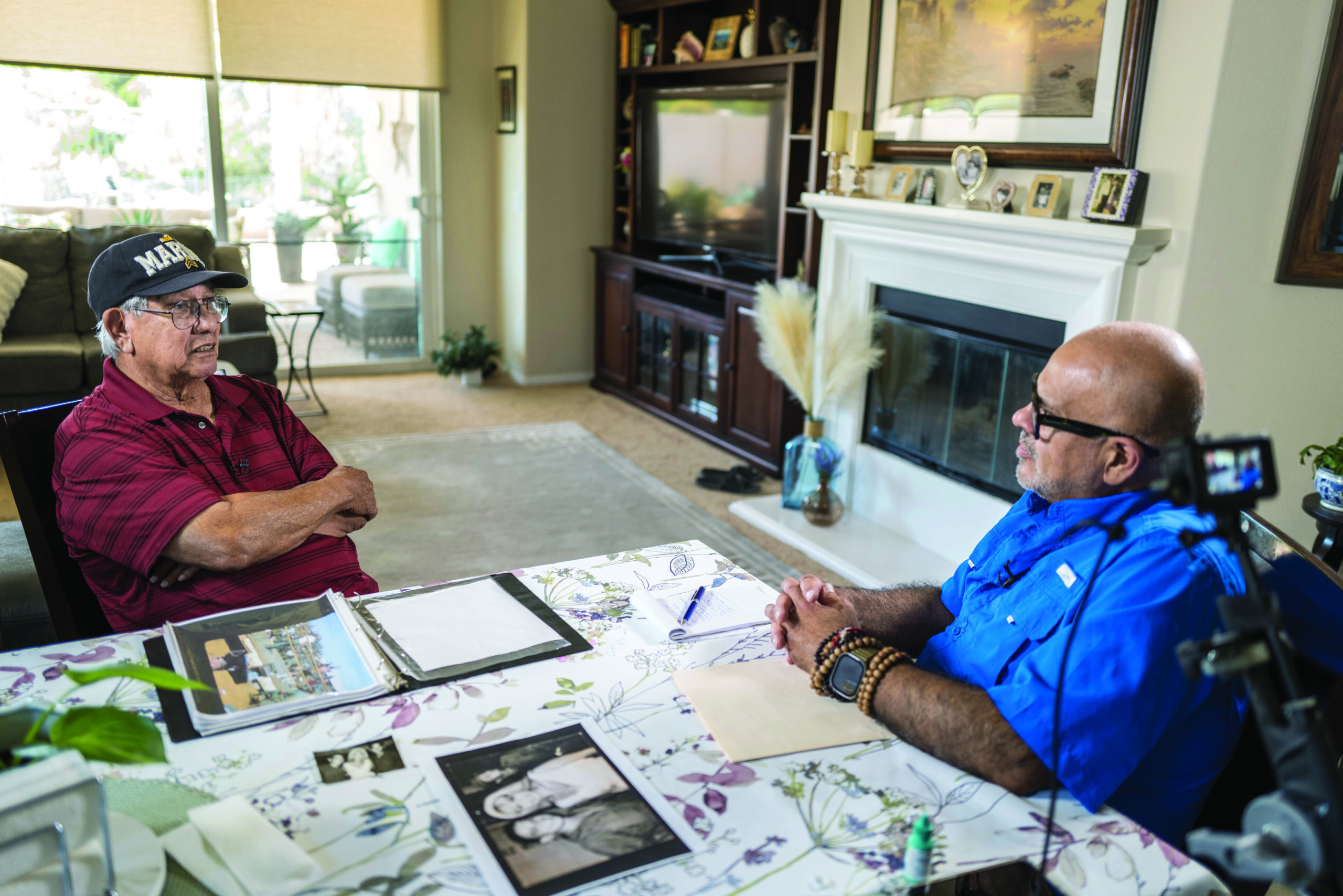
Today, 60 years after his death, Rudy Gonzalez is still not an American citizen. Correcting this has become the great passion project of his nephews. Gerry and Rudy continue working through every channel they can find to advocate for their uncle’s posthumous citizenship.
“To us, citizenship completes our uncle,” Rudy stated. “It’s why he joined the Marines; it’s the story of his love for country and his dream to get an education when he returned. For us, it’s closure.”
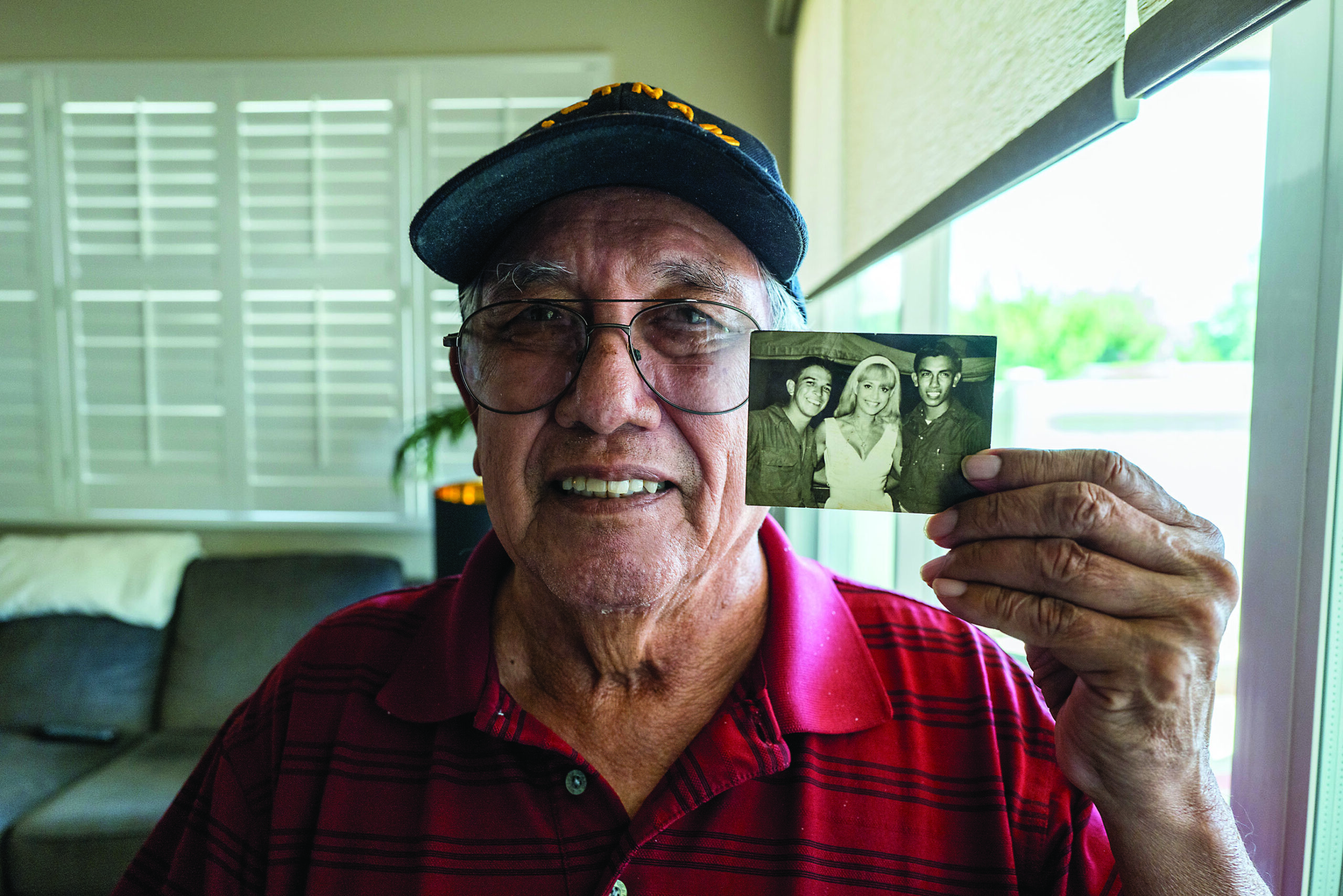
“It’s the ability to say he died for ‘his’ country,” Gerry echoed. “We want to be able to say that, and there is never a compromise in making someone whole.”
It began as an effort to discover and document their uncle’s life and service, but in the years since meeting the Marines of VMO-6, their efforts have expanded. The brothers have put their skills and experience as journalists to work, traveling across the country to meet and record interviews with the Marines, helping preserve not just the story of their uncle, but the memories of them all.
“Meeting the Marines from VMO-6 filled in a lot of the void in my imagination. It reaffirmed who I thought, who I hoped, my uncle was,” said Rudy. “They were able to piece together a much more tangible version of who he was. They know firsthand the sacrifice, because they lived it and survived it. Their friends who didn’t survive, they mourn. We have received from them brotherhood, family and love, in the same way that they gave it to Uncle Rudy. That’s an incredible gift they gave us and our family. It’s also an incredible story to tell. I look at the story of Uncle Rudy, and I realize it’s not just about Uncle Rudy, it’s about VMO-6. It’s not just about VMO-6, it’s about the Marines. It’s not just about the Marines, it’s every servicemember. Every servicemember that has to sacrifice and be away from family and be at risk, they are all worthy of honor.”
Each revelation they experience about the Marine Corps and the men who served with Uncle Rudy reveals another piece of him. Each piece they learn about their uncle enables them to more fully understand what it means to earn the Eagle, Globe and Anchor. In many ways, the story of one is the story of them all.
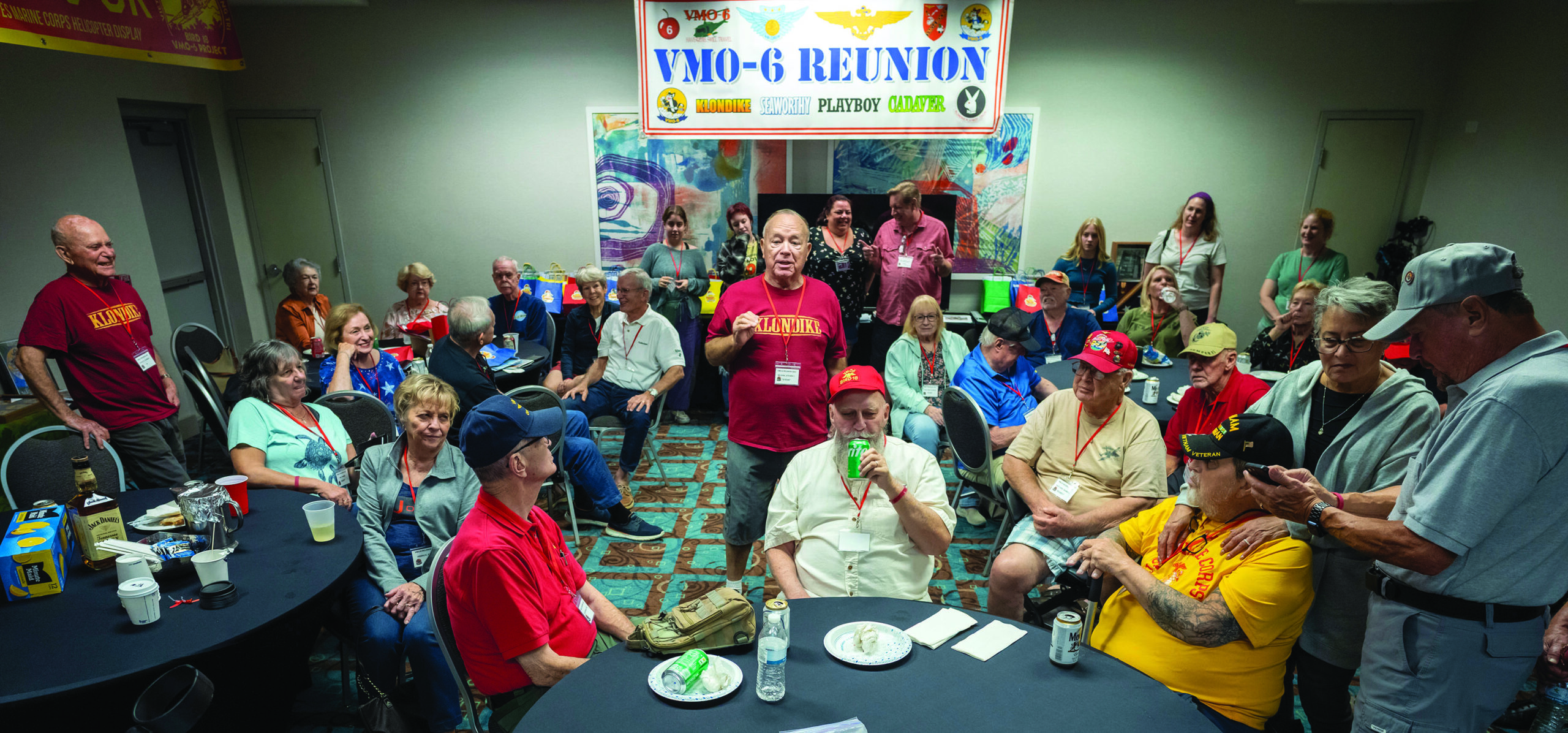
“Watching these guys come together, most of them are in their 80s with physical limitations, but when they get together they transform into 20-year-olds like they’re back in Vietnam,” Gerry reflected. “They drink beer and tell stories and laugh the way they laughed back then. It was an amazing experience for us. I asked them, ‘how often do you guys talk about this stuff?’ And they said, ‘Never. Outside this room, we never talk about these things. These are the only guys who understand.’”
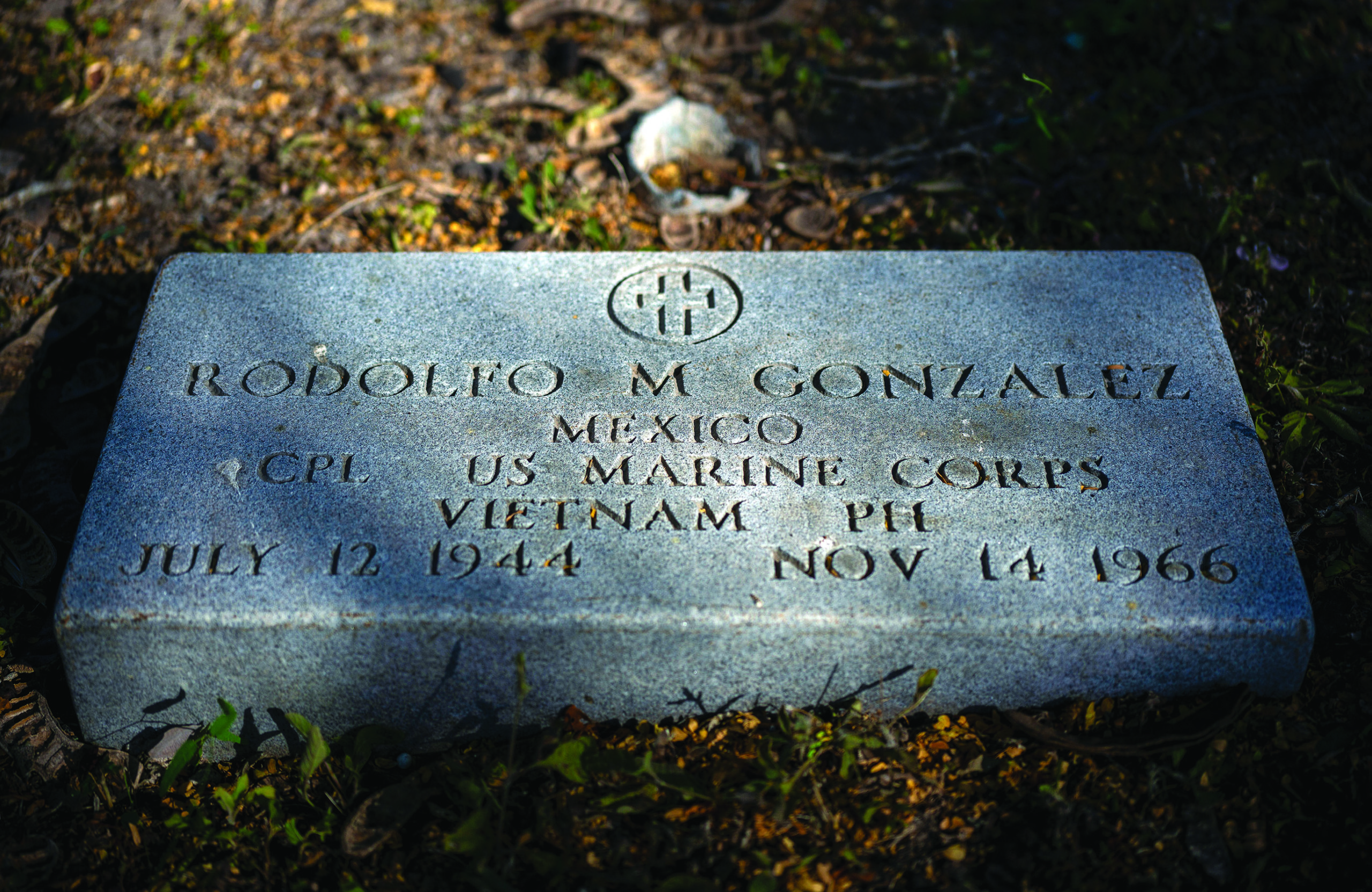
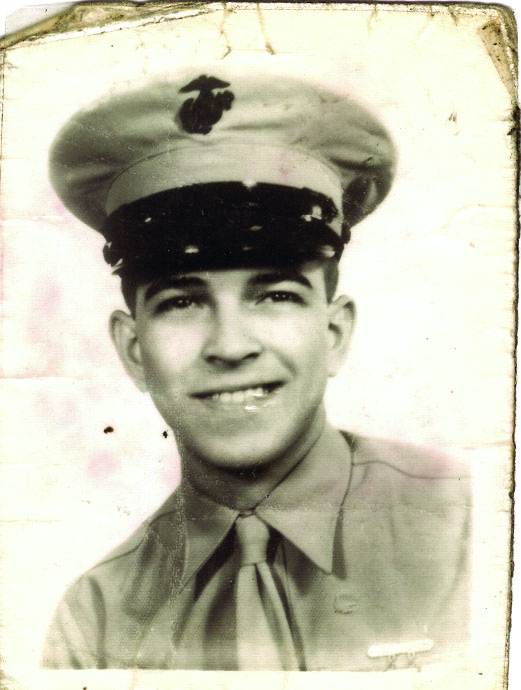
Featured Photo (Top): Service photo of Cpl Rodolfo M. Gonzalez (Courtesy of Gerry Gonzalez)
About the Author
Kyle Watts is the staff writer for Leatherneck. He served on active duty in the Marine Corps as a communications officer from 2009-13. He is the 2019 winner of the Colonel Robert Debs Heinl Jr. Award for Marine Corps History. He lives in Richmond, Va., with his wife and three children.
Enjoy this article?
Check out these similar Leatherneck and Scuttlebutt features:
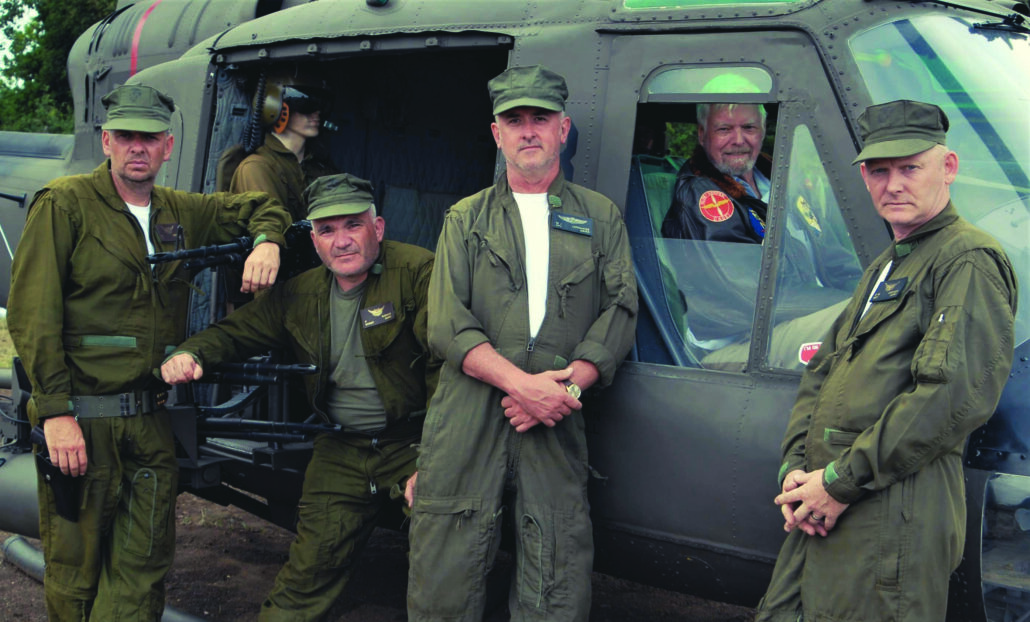
Putting History Back Together: Telling The Story Of A Marine Helicopter Squadron Through A Rebuilt Huey
Leatherneck
August 2024
By: Nancy S. Lichtman
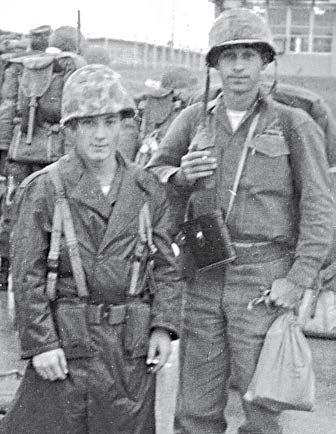
A Brother’s Journey: Five Decades To The Story Of A Lifetime
Leatherneck
April 2023
By: Kyle Watts
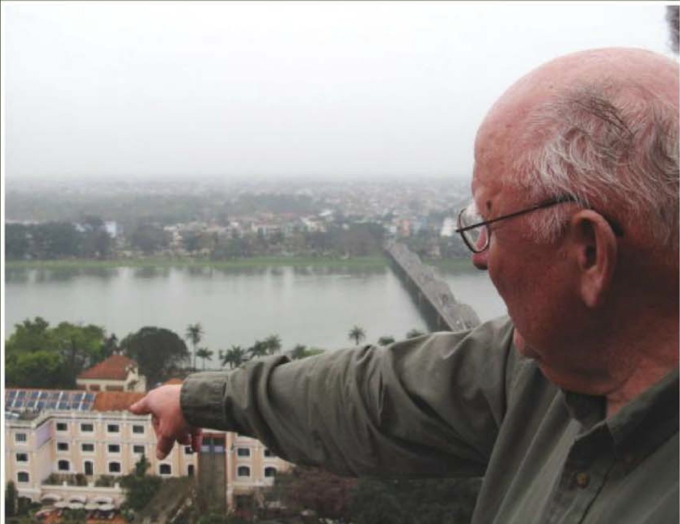
Return to Vietnam: Set Offensive and Battle of Hue City
Leatherneck
January 2013
By: Colin Colbourn