

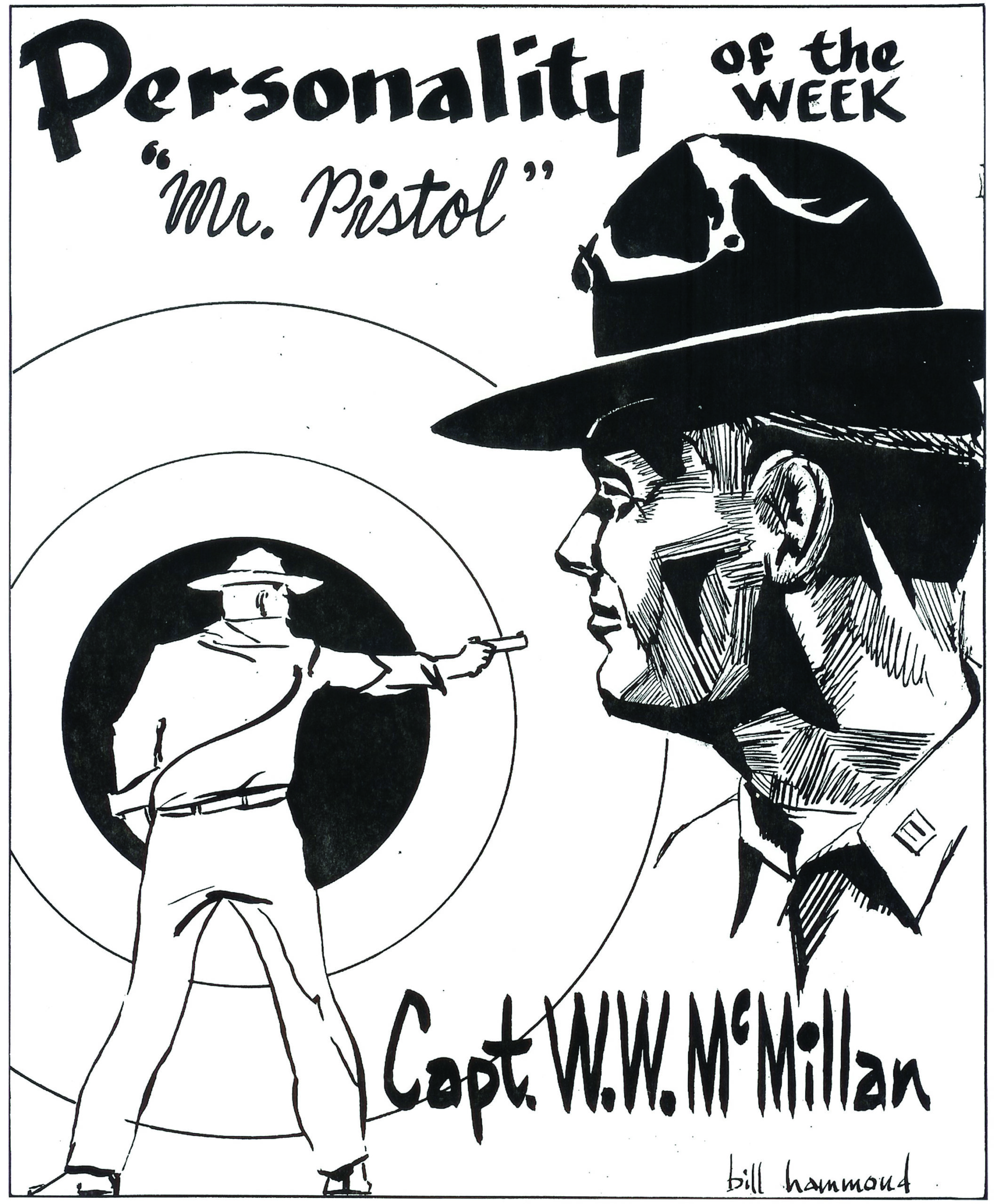
“Mr. Pistol”: The Marine Behind the Legendary Sports Shooter
By: Kyle WattsPosted on May 15, 2026
The world of shooting sports has celebrated the accomplishments of “Mr. Pistol,” William W. McMillan Jr. for more than 75 years. Even in the quarter century since his death in 2000, premier organizations such as USA Shooting and the Civilian Marksmanship Program annually award trophies named in his honor. The list of accolades McMillan accumulated throughout his life is impressive and remains unrivaled in numerous areas. Often overshadowed, however, is his 27-year Marine Corps career that served as the foundation of his international success. A mustang officer, visionary educator and decorated veteran of two wars, McMillan’s distinguished service equipped him with the tools and experience needed to succeed in competition and leave an enduring legacy on Marines today.
Given his modern reputation as one of the preeminent pistol marksmen in history, much of McMillan’s origin story as a Marine is peak irony. He enlisted in the spring of 1946 at the age of 17.
“Westinghouse was the major employer in Dad’s hometown at that time, so everybody trained to be a machinist in high school,” said Matt McMillan, the elder McMillan’s youngest son. “When it came to getting a job, he hated working indoors, so Dad and a few of his friends decided to join the military. They originally wanted to go to the U.S. Army Air Corps, but they were closed on Sunday. Well, guess what, the Marine Corps was open.”
The timing of world events undermined McMillan’s ambitions. Too young and too late for World War II, he ended up an aviation machinist at Marine Corps Air Station Cherry Point, N.C.
“He really wanted to be a ball turret gunner, but the war was over,” Matt said. “He still wanted to be involved in aviation. With the machinist skills he had, the Corps put him there at Cherry Point, and he just hated it. So, he asked for a discharge.”
McMillan left the Marines as a private first class with an honorable discharge in May 1947, less than a year after enlisting. He returned home to Turtle Creek, Pa., near Pittsburgh. Boredom overwhelmed the teen, however, and he reenlisted a year later. This time, McMillan enlisted as an 0311 rifleman.
Nothing about McMillan’s background or childhood suggested he would become a renowned pistol marksman who dominated the international stage for decades. He enlisted with little more knowledge of firearms than what the Corps taught him at boot camp. He’d never fired a pistol. He joined the Marine barracks stationed at Brooklyn Navy Yard as a security guard. The officers responsible for assigning sentry duties were dismayed to learn that their newest PFC arrived with nothing more than a basic rifle qualification. He glaringly lacked qualification with the M1911 service pistol required for Marines on guard duty. The shortcoming left him as the lone Marine at the barracks who couldn’t fire the pistol and relegated him to a single post on one of the piers where the sentry was required to carry a rifle.
By 1949, McMillan qualified with both weapons and entered his first shooting competition. Marine Corps Base Quantico, Va., hosted the Eastern Division matches that year. The Marine barracks in Brooklyn formed a team for the rifle match, including McMillan. His inaugural performance proved lackluster at best. The team performed well overall, finishing second place behind the Quantico Marines. For the individual rifle competition, though, McMillan placed an abysmal 95th. The rifle matches concluded and the second half of the day kicked off the pistol shooting events. Even after his poor performance that morning, McMillan entered the individual pistol competition. His motivation stemmed not from a desire to test his abilities or reclaim some part of his reputation on the team, but to skillfully evade a working party the rest of his fellow junior Marines were stuck with.
The officers responsible for assigning sentry duties were dismayed to learn that their newest PFC arrived with nothing more than a basic rifle qualification.
“It was either fire the pistol in the afternoon or pick up brass,” McMillan told a Leatherneck reporter in October 1957.
Despite bringing nothing to the table but two basic pistol quals, the 20-year-old handily surpassed many more senior and experienced Marines, ending the competition in an impressive seventh place. The performance netted him the first of three required legs towards recognition as a Distinguished Shooter and cemented his name in the world of competition pistol shooting. Just one year and two competition matches later, McMillan earned the Distinguished Pistol Shot badge.
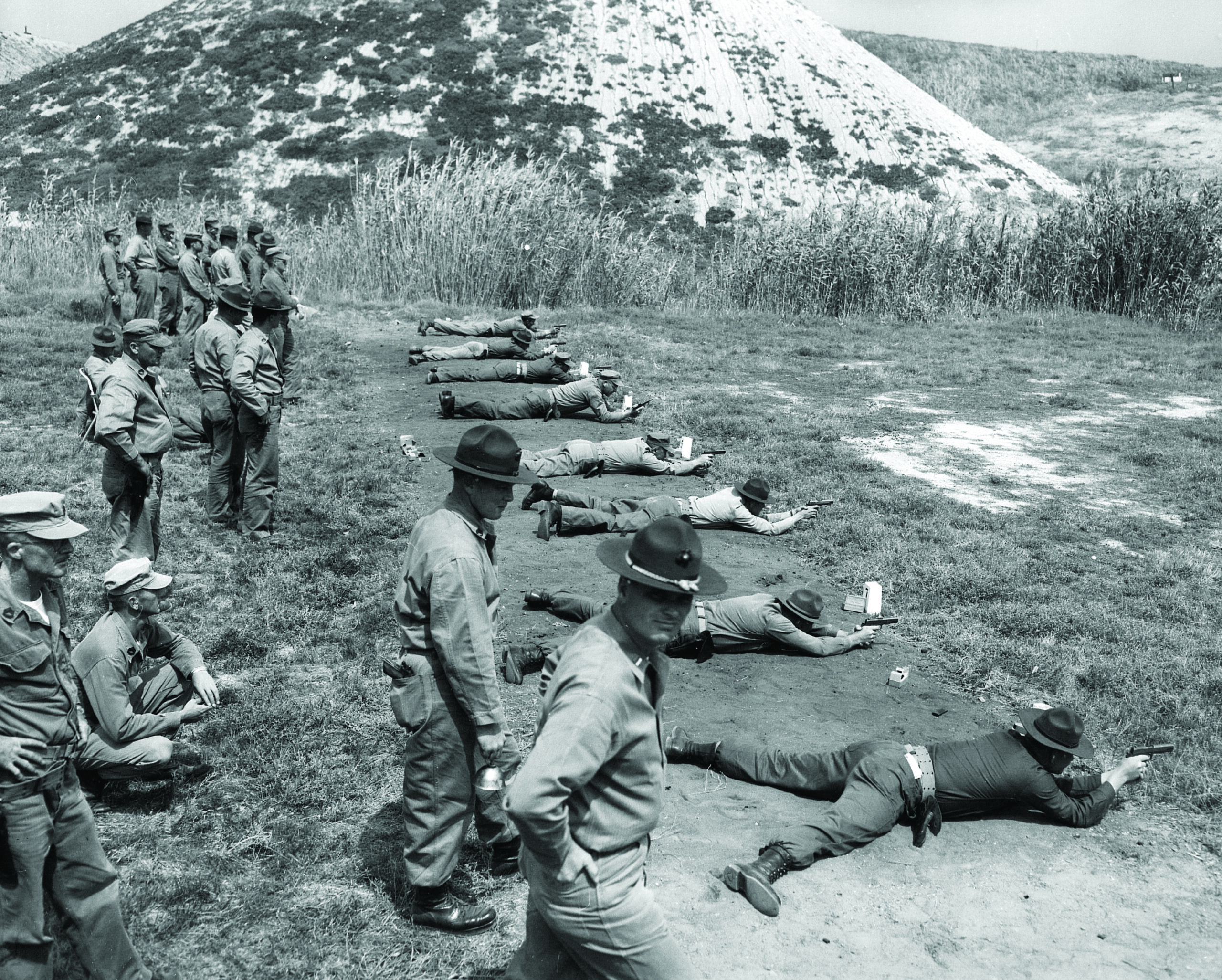
His meteoric rise and marked natural ability did not go underappreciated. The Corps transferred McMillan to Quantico’s Marksmanship Training Unit (MTU) to work as an instructor. From there, he moved into a similar role working out of Camp Pendleton, Calif., training recruits in San Diego and Marines deploying to the conflict brewing in Korea. Meanwhile, McMillan’s fame grew outside the military.
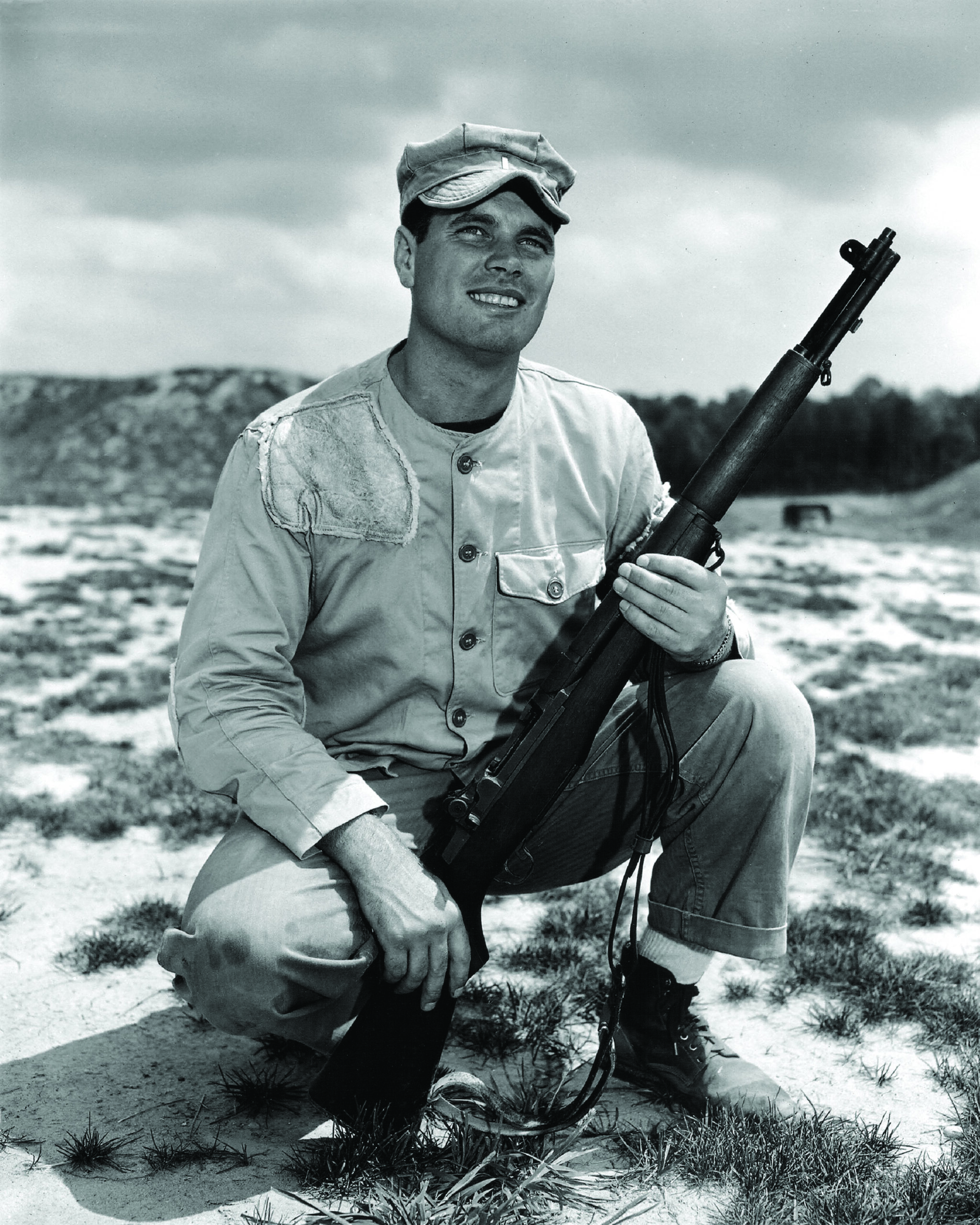
He made his international debut in June 1952. By then already a staff sergeant, only five years into his career and barely three years after holding a pistol for the first time, McMillan joined the team of American pistol shooters competing in the 35th World Shooting Championships, hosted by the International Shooting Union in Oslo, Norway. The team estab-lished a new world record score in the center-fire pistol match to take home the victor’s trophy. Individually, McMillan placed fourth.
While most members of the World Championships team flew home, McMillan and two others boarded a plane bound for Helsinki, Finland, where an even greater challenge awaited. The three men won the right to represent the United States Olympic Shooting Team in the 1952 Summer Olympics. Alongside McMillan stood civilian sport-shooting legend Harry Reeves and the world-renowned U.S. Army Master Sergeant Huelet “Joe” Benner. Benner set the stage early in the first event, firing 60 near-perfect shots to take home the gold medal in the 50 Meter Free Pistol event. McMillan’s turn followed, competing alongside Benner in the second event, the 25 Meter Rapid-Fire.
The two-day match started off bitter-sweet for the Americans. Uncharacteristically, Benner completely missed the silhouette target with one shot, virtually eliminating him from the remainder of the competition. All eyes and pressure now lay on the first-time Olympian Marine, who closed out the first day of competition in first place. Despite a strong performance again on day two, McMillan lagged behind. The level of performance was unlike anything McMillan had pre-viously experienced. One legendary Hungarian shooter named Karoly Takacs vaulted to the top. Takacs had impressed the world with his right-handed shooting ability until 1938 when a grenade explosion during army training blew off most of his right hand. Undeterred, Takacs taught himself to shoot left-handed and went on to win gold in the 1948 Olympic Games in London. He repeated the feat in 1952, winning gold over McMillan. At the end of the competition, McMillan placed seventh.
He returned home from Europe and immediately began preparations for a deployment of a completely different sort. He shipped out to Korea in January 1953 as an infantry unit leader with 1st Battalion, 7th Marines. Assigned to Weapons Company, McMillan served as a section leader of the antitank assault platoon hauling 75 mm recoilless rifles around the battlefield. Few specifics of his experience in Korea are known, other than that his battalion defended the hills surrounding the city of Panmunjom, where officials from both sides negotiated the terms of the armistice. Situated immediately south of the 38th parallel in the area eventually established as the Demilitarized Zone (DMZ), the battalion encountered heavy fighting from its trenches and defensive positions, and more than its fair share of Chinese soldiers and artillery.
For unclear reasons, the Marine Corps brought McMillan back from combat after just three months, only another four months before the armistice ended the war as a whole. What is known is that McMillan immediately received a commission as a second lieutenant upon his return to the States and enrolled in The Basic School in Quantico by that April. McMillan’s combat experience with demonstrated leadership on the front lines combined perfectly with his authority on firearms to position him as a mustang officer.
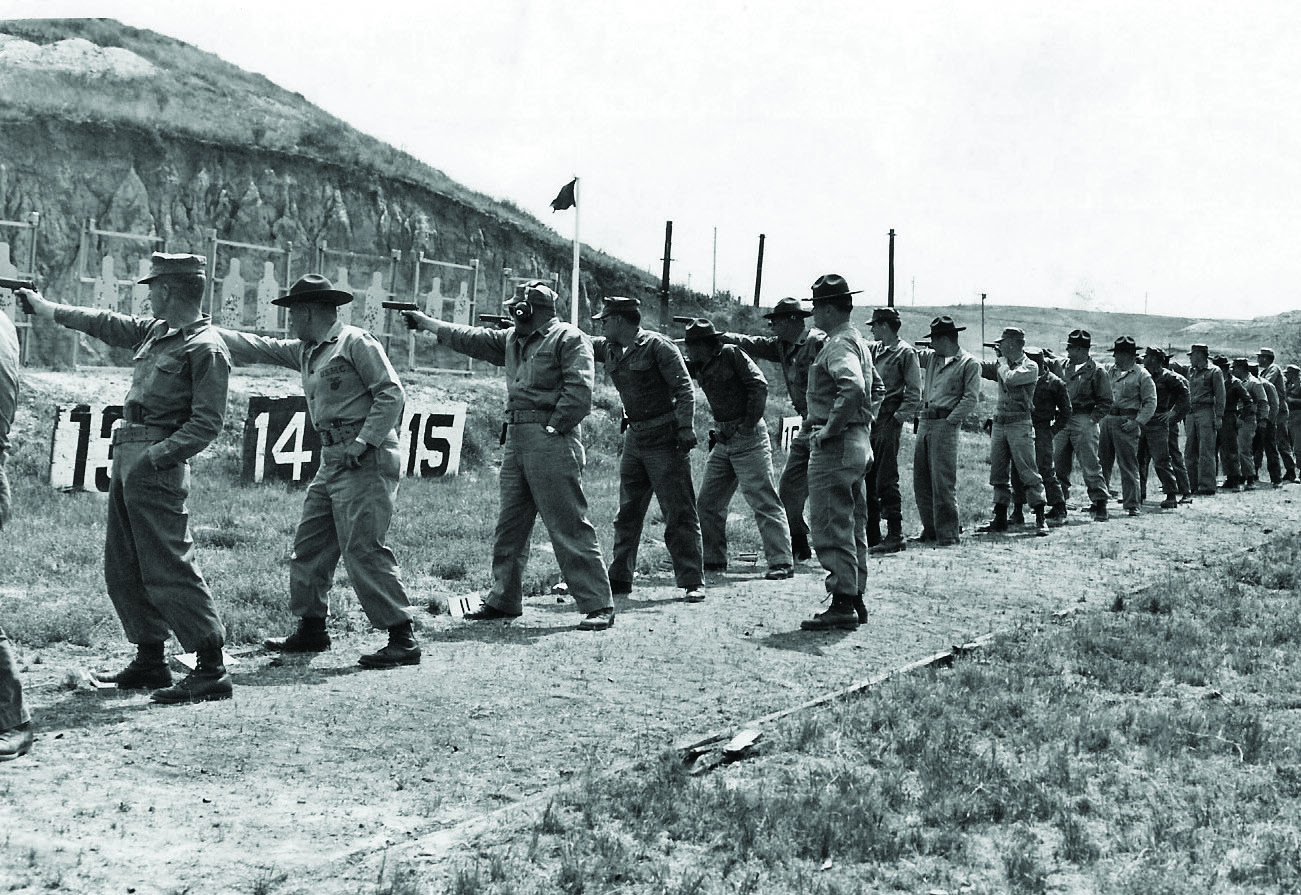
McMillan entered the next phase of his career following basic officer training—nearly a decade defined by marksmanship instruction and competition shooting. He began with Weapons Training Battalion at Marine Corps Recruit Depot (MCRD) Parris Island, S.C. He then transitioned to the MTU at Camp Matthews, near La Jolla, Calif., to once again work with recruits coming out of MCRD San Diego. McMillan was hand-selected for this assignment to help establish this new West Coast MTU, modeled after the existing organization in Quantico. As he progressed through rank, McMillan adopted an increasing responsibility in administering the training programs, while simultaneously presenting one of the finest examples of Marine shooting ability the recruits had ever seen.
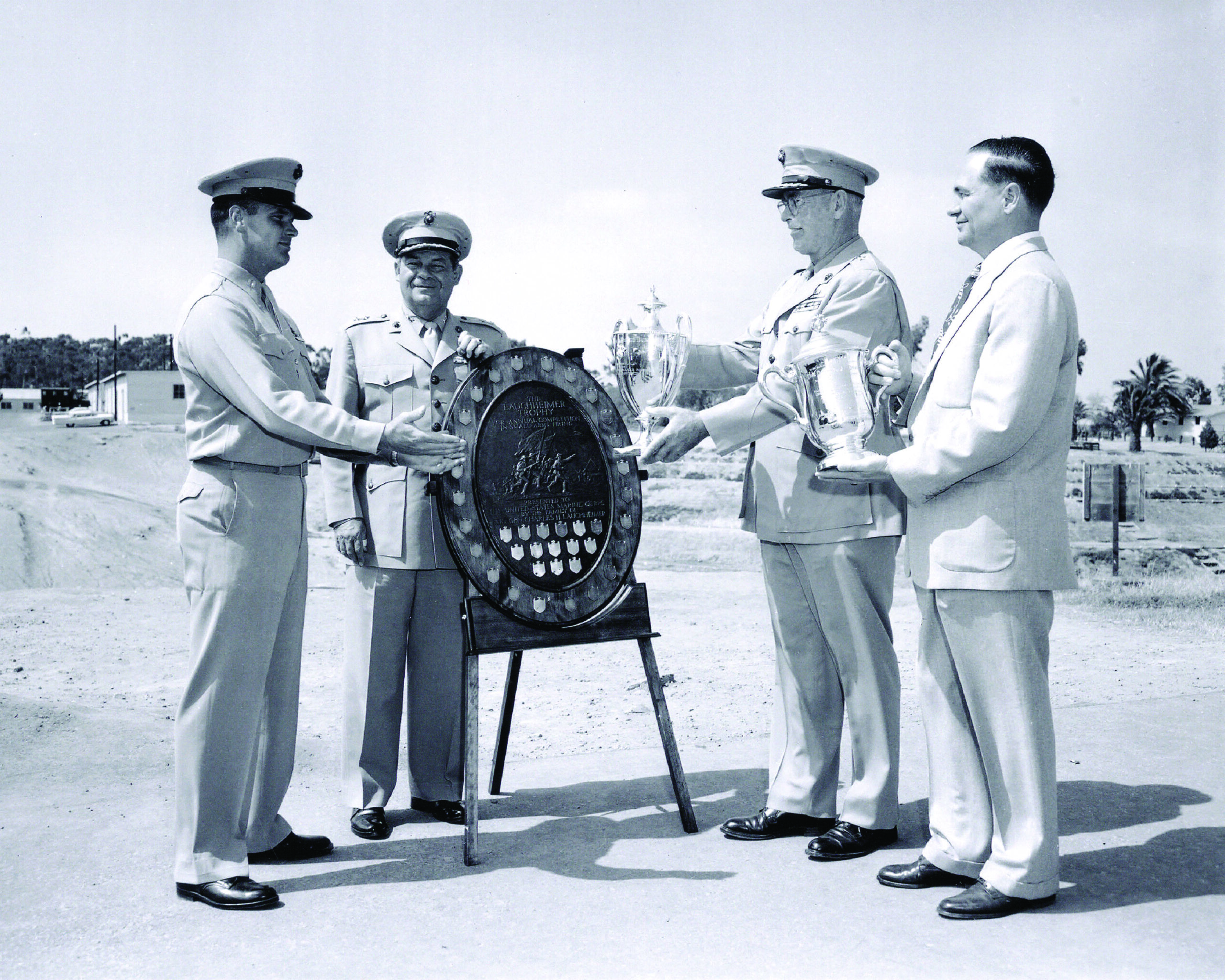
During this time, he competed in numerous U.S.-based shooting contests and international competitions. His rifle scores improved rapidly and exponentially over his early years in Brooklyn, achiev-ing the badge of a Distinguished Marks-man in 1954. The next year, McMillan topped the list of Marine Corps rifle marks-men to bring home the coveted McDougal Trophy at the All Marine Corps Rifle and Pistol matches. Though he finished second in the pistol competi-tion, his aggregate scores also netted him the Lauchheimer Trophy. He would not be outdone for long, however. In 1959, McMillan accomplished one of his most jaw-dropping feats, winning the rifle, pistol, and aggregate Lauchheimer awards. He was the first Marine in history to sweep all three major awards. His performance would not be repeated until 2025, when Staff Sergeant Payton Garcia brought home all three.
1960 proved to be one of the most pivotal years in McMillan’s career, both as a Marine and as a competition shooter. He once again earned a spot in the Olympics, traveling to Rome that September to represent the nation as a pistol shooter in the same rapid-fire pistol event he fired in 1952. Karoly Takacs no longer competed, but a reputable team of Russians was expected to dominate the competition.
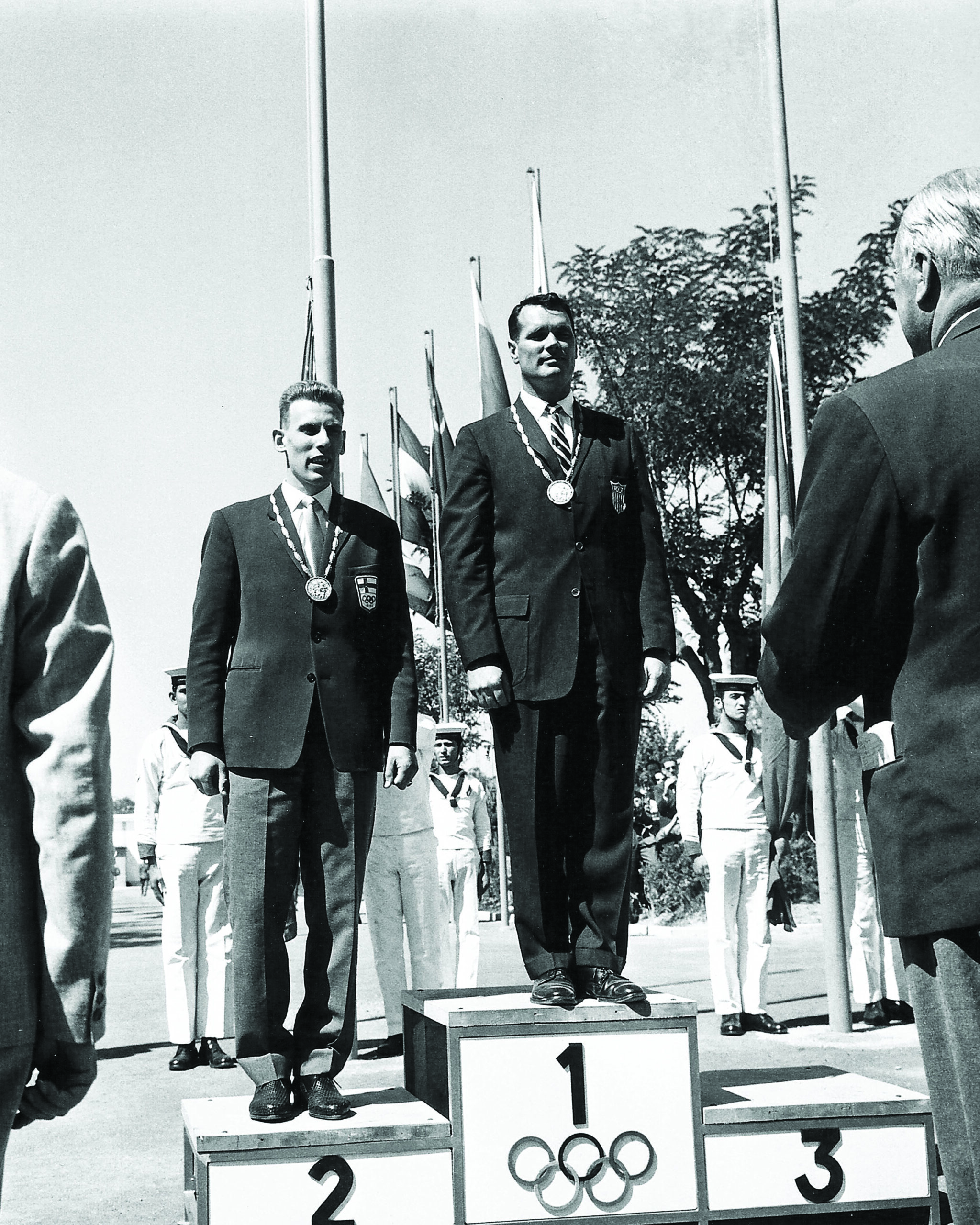
McMillan remained a staple of the competition shooting community. He competed in a total of six Olympic Games, one of a very small handful to ever represent the U.S. that many times.
Dominate they did, winning two gold, two silver, and three bronze medals across six shooting events. McMillan was undeterred. He finished the competition in a three-way tie for first place, forcing the match into a shoot-off between him, a Russian and a Finnish shooter. In the end, McMillan triumphed, earning the sole gold medal for the American team. The feat endured, perhaps, as his greatest competition shooting achievement.
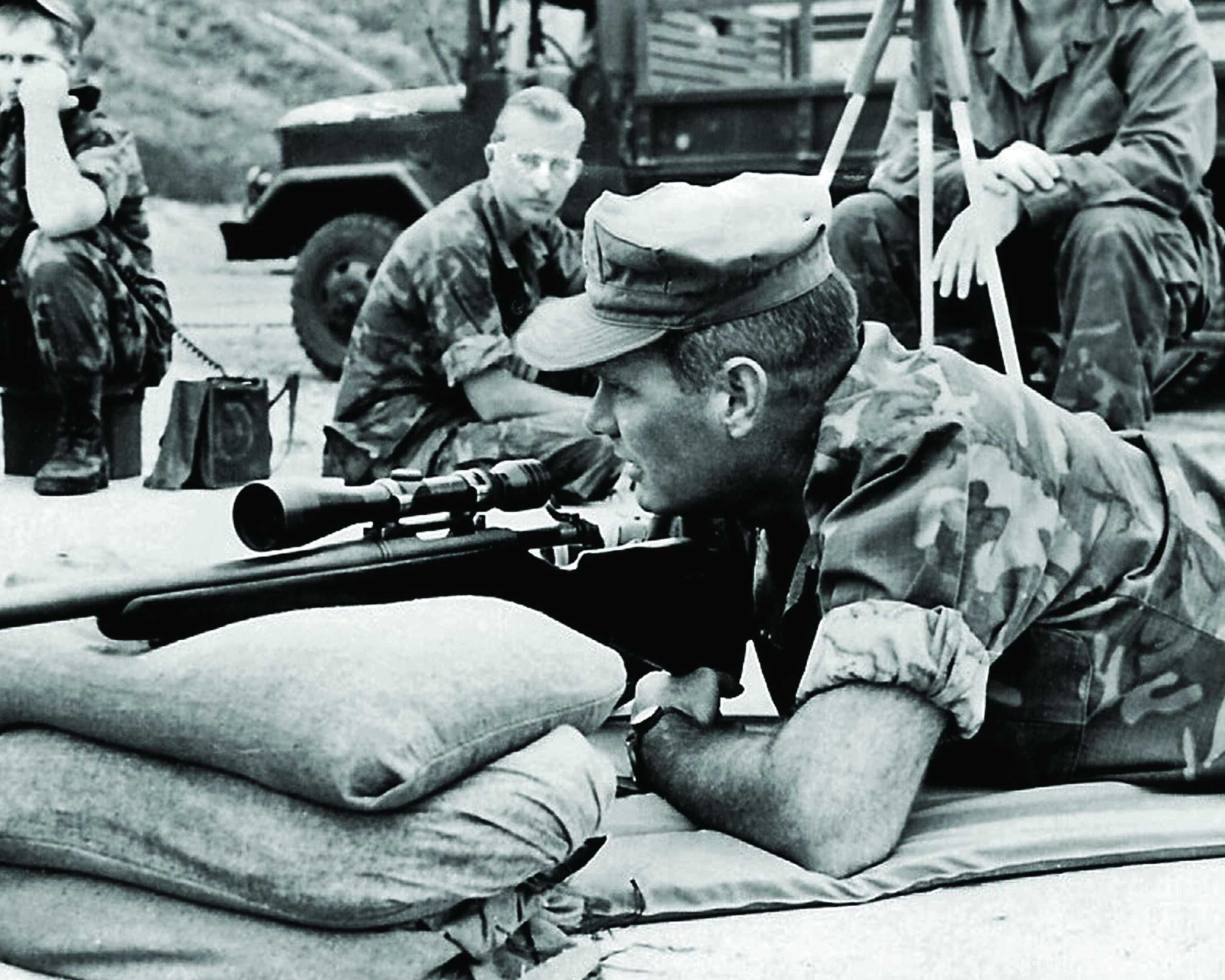
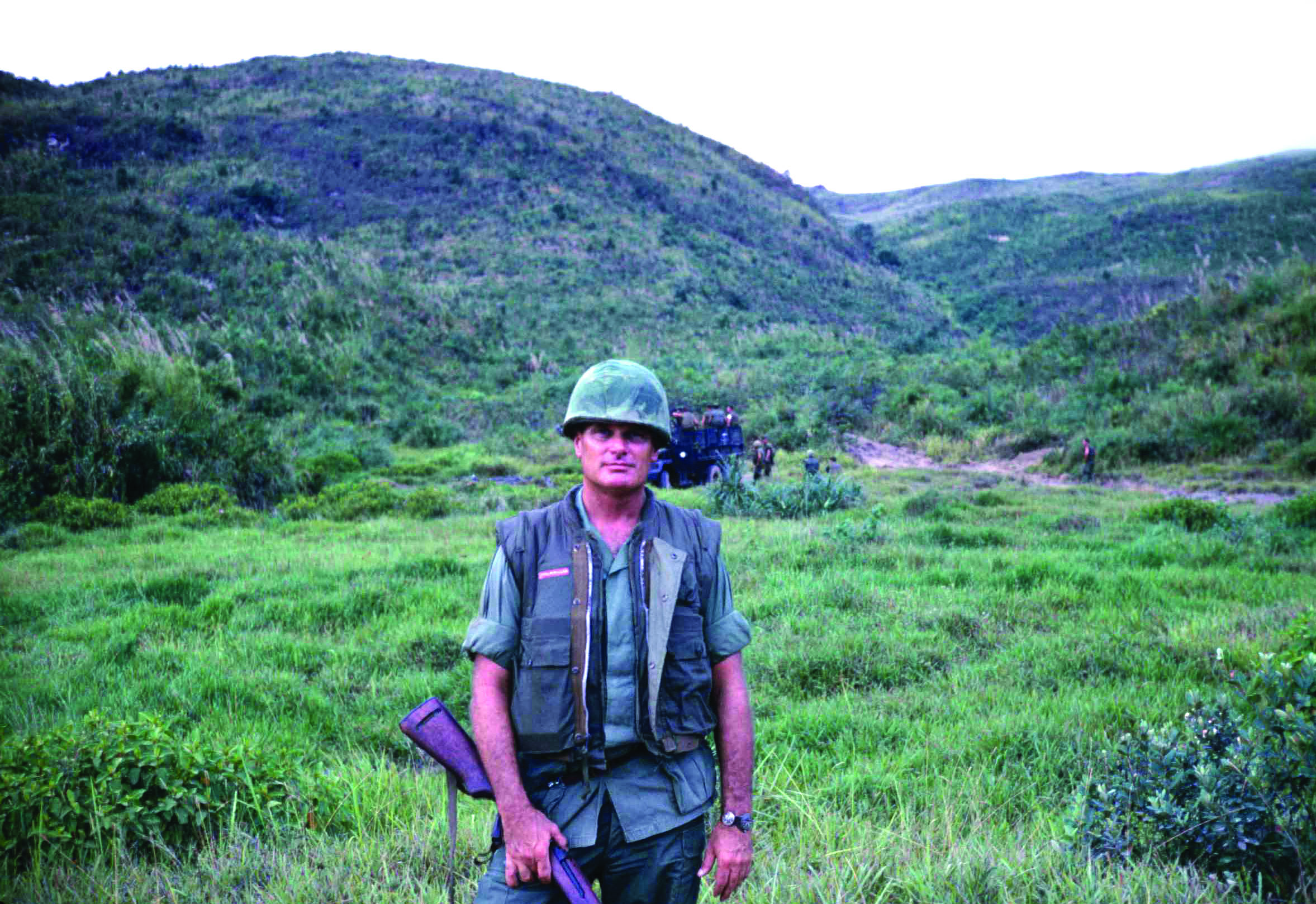
Prior to winning his gold medal, McMillan spent the first six months of that year back at Quantico to attend schooling required to classify him as an ordnance officer. Now responsible for the maintenance, storage and deployment of weaponry, ammo, and explosives, McMillan officially dedicated his career to administering Marine Corps ranges and working with weapons training battalions. He initially returned to the MTU at Camp Matthews in California before taking assignments again in Quantico and Okinawa. In July 1965, McMillan briefly deployed to South Vietnam to work with the community of Marine Corps snipers in country. By 1968, he assumed the rank of lieutenant colonel and assignment as the assistant force ordnance officer for III Marine Amphibious Force, headquartered in Da Nang, Republic of Vietnam. He deployed forward that November to assume his duties in the second war of his career.
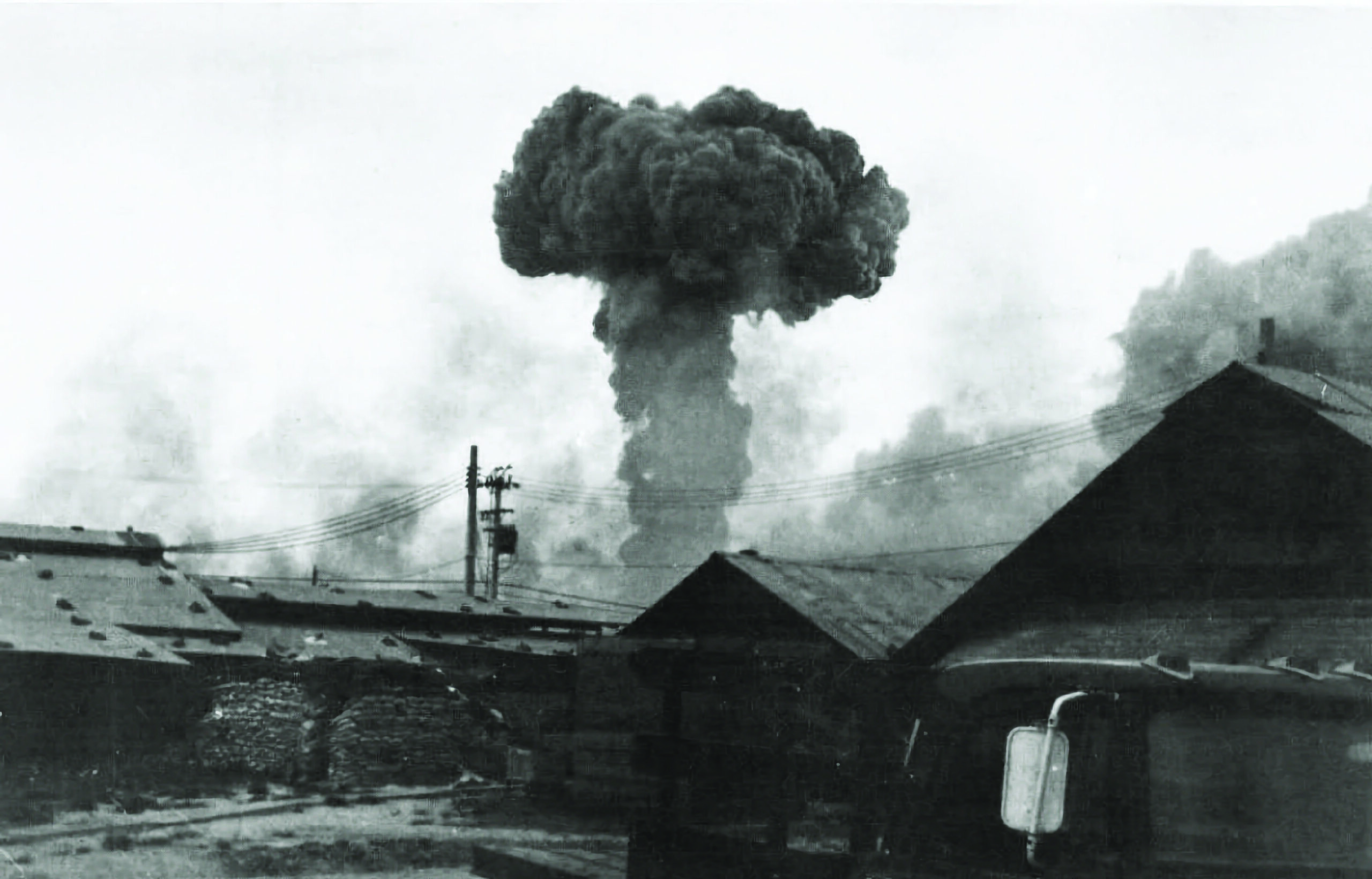
On April 27, 1969, a strong gust of wind pushed debris from a burning trash pile into a grassy field outside the primary ammo supply point near Da Nang Air Base. The vegetation lit off and the wind pushed the fire inside the wire. Before Marines could react, ordnance of every sort imaginable began cooking off. Grenades, mortar rounds, artillery rounds, napalm and 100-pound bombs all combined in a raucous display demolishing the supply point and shattering windows in downtown Da Nang nearly 3 miles away. One eyewitness
described two blasts in particular, resembling “small nuclear explosions, complete with shock waves which could be seen moving out in a circular pattern through the smoke and haze.” Marine truck drivers and military police encountered an apocalyptic scene, driving and running through a fiery hail of burning debris beneath a blackened sky, as they rushed to evacuate military personnel and civilians from the immediate area. One American and one Vietnamese were killed, and 65 wounded. Some 1,500 civilians in a nearby village were left homeless in the wake of fire and explosions. Approximately 38,000 tons of ground and air ordnance went up in the catastrophe, roughly 40 percent of Marine ammo on hand throughout all of I Corps.
Simmering munitions spewed fire into the sky for more than 15 hours after the initial blast. Even as the supply point continued burning, McMillan coordinated a wide effort to bring the disaster under control. He led all explosive ordnance disposal (EOD) personnel from the Marine Corps, Army and Air Force, and the Army of the Republic of Vietnam. With munitions of every sort sprinkled throughout the area, with varying degrees of damage or exposure to fire, blowing anything in place was not an option lest the conflagration be ignited once again. McMillan remained on-site coordinating the operation and supervising the efforts as EOD cleaned up every bit by explosive bit until the supply point returned to full operational status.
McMillan returned home from Vietnam in November 1969. For his outstanding work throughout the I Corps area, and most notably during the ammo supply point incident that April, McMillan received a Bronze Star with “V.” He assumed command of the MTU at Quantico and resumed his role as an educator and competition shooter. In 1973 he transferred back to California for his final year in uniform. He retired in 1974.
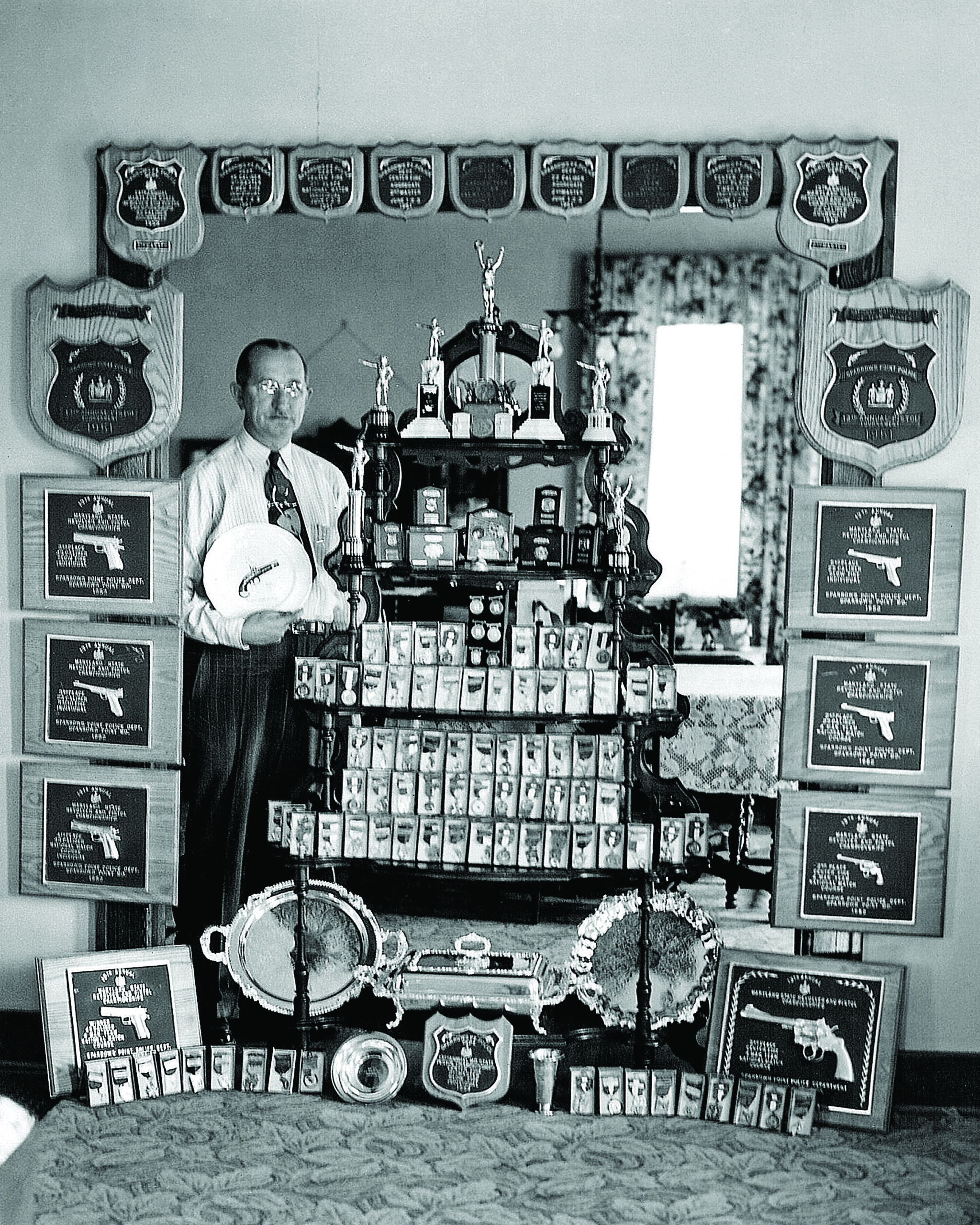
Through the remainder of his career and into his retirement, McMillan remained a staple of the competition shooting community. He competed in a total of six Olympic Games, one of a very small handful to ever represent the United States that many times. His final shot at gold came in Montreal in 1976. At age 47, McMillan was the oldest American competitor in any sport. He was unable to ever repeat his Olympic medal performance from 1960. The list of medals, trophies and awards he accumulated in competitions around the nation and world is mind-boggling to place in time with his Marine Corps career. For Marine-specific shooting accolades, McMillan was a five-time winner of the Lauchheimer Trophy, two-time winner of the Marine Corps Pistol Trophy and two-time winner of the McDougal Trophy. Taken altogether, as stated in his Legion of Merit award recommendation at the end of his career, McMillan can truly be regarded as “the most proficient marksman in Marine Corps history.”
In the same year he retired, McMillan joined the San Diego County Sheriff’s Office as range master and weapons training coordinator. For six years, he taught handgun combat training to sheriff’s deputies and SWAT organizations. He developed counter-sniper tactics and designed the county’s tactical training facility. Tragically, his second career and competition shooting career both came to an abrupt and accidental end in May 1980.
As sheriff’s deputies conducted a live-fire, “shoot, no shoot” drill, McMillan stood behind them outside the front door of the target building. He worked a switchboard controlling the moveable targets that appeared along each deputy’s path as they advanced through the structure. When one trainee exited the back of the building, he spotted a “shoot” target on the wall behind him. Regrettably, the target had malfunctioned while the deputy moved through the building, failing to flip around to face inside the building through a window and present him with a “shoot” target earlier in the drill. The deputy fired two shots from his .357 magnum revolver. Both bullets tore through the target, the back and front walls of the structure, a window in McMillan’s control booth and into McMillan’s chest.
McMillan endured more than four hours of surgery. He survived, despite substantial blood loss. The wounds, however, deeply affected the right side of his torso and right arm. Already feeling the deficit of aging eyesight, with the permanent impact of his new injuries, McMillan’s shooting career was over.
McMillan remained in California for the remaining 20 years of his life. He died in June 2000 at the age of 71. His impact on the world of competition shooting remains hard to rival. He was inducted into the U.S. International Shooting Hall of Fame in 1994 and the Marine Corps Sports Hall of Fame in 2011.
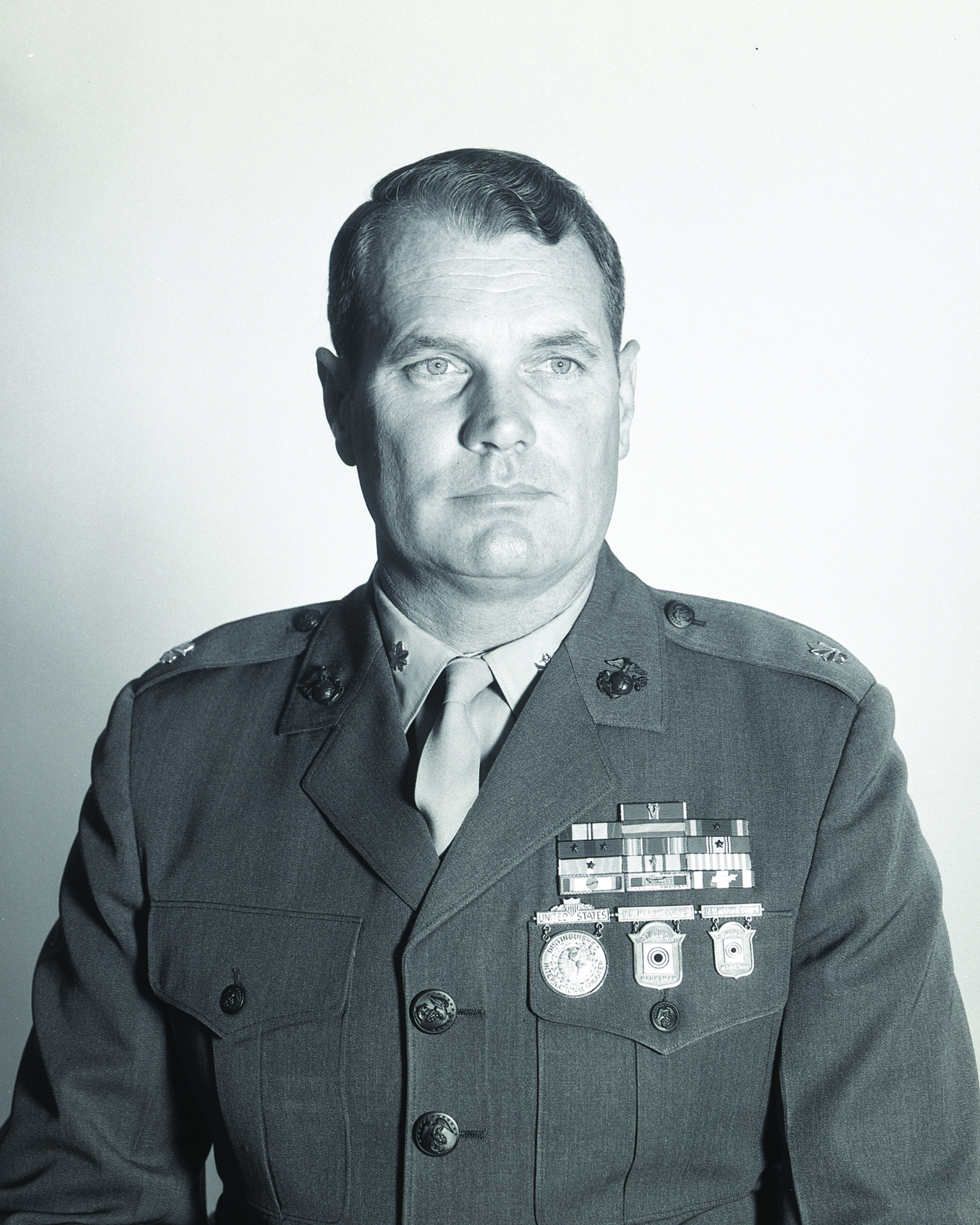
His impact on the status and caliber of Marine Corps marksmanship remains even more relevant to Marines today—an impact defined by his natural shooting ability and his experience across his 27-year career. His technical expertise led to the development of improved ordnance equipment and training of thousands of Marines. He helped rewrite the publications on marksmanship and revise the techniques and courses of fire for evaluating Marines’ shooting proficiency.
“LtCol McMillan’s far-sighted and imaginative improvements to marksmanship training are just being felt within the Marine Corps,” stated Brigadier General Maurice C. Ashley, the director of the Training and Education Division at the time of McMillan’s retirement. “The full impact of his contributions to enhancing combat marksmanship proficiency is difficult to measure tangibly but will be present for so long as Marines carry individual small arms into combat.”
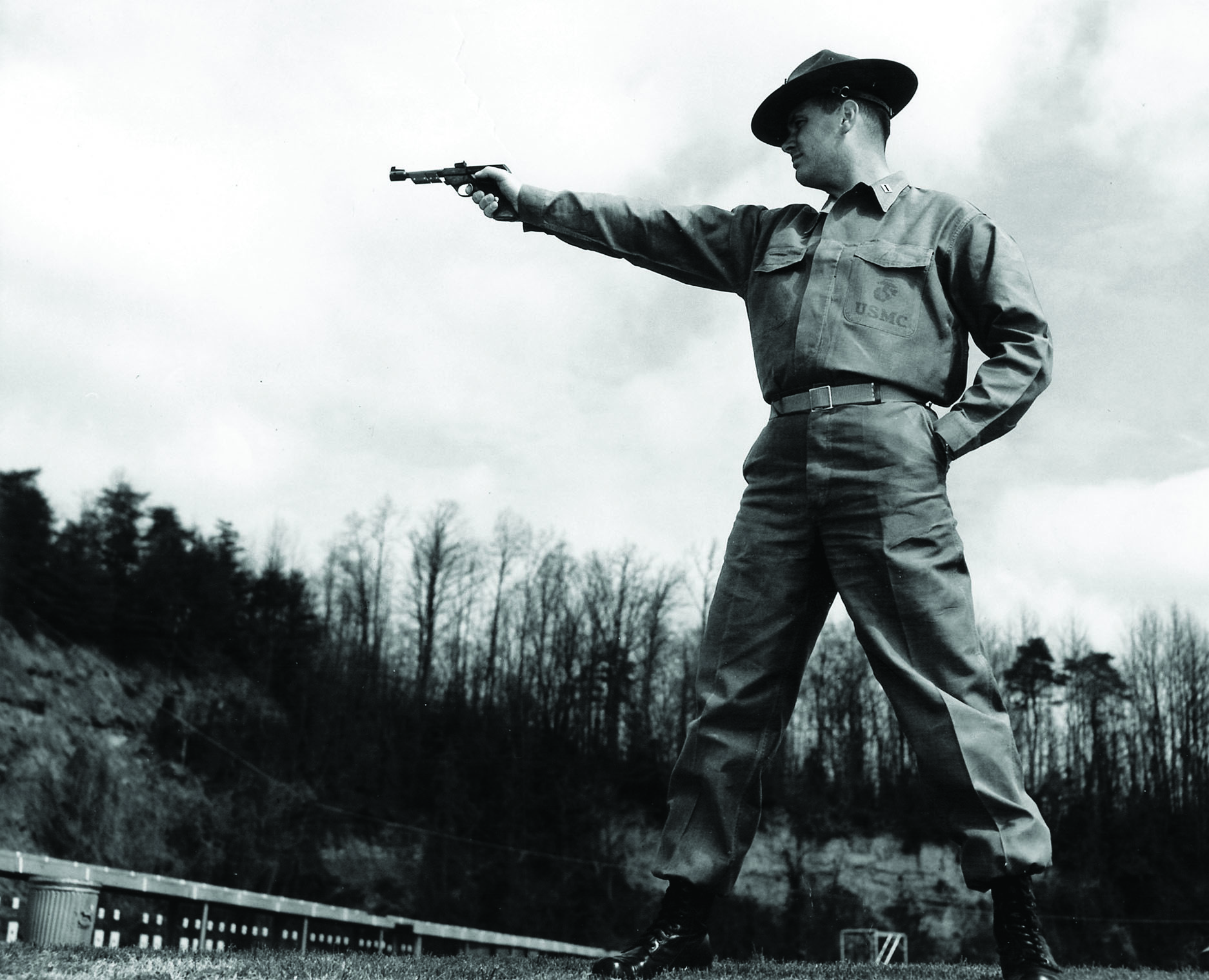
Featured Photo (Top): Capt William W. McMillan Jr. demonstrates his classic shooting stance in 1961. By then an internationally recognized marksman, McMillan used his natural abilities to train thousands of Marines on the firing line.
Note: The Photos within this article are courtesy of Matthew McMillan.
About the Author

Kyle Watts is the staff writer for Leatherneck. He served on active duty in the Marine Corps as a communications officer from 2009-13. He is the 2019 winner of the Colonel Robert Debs Heinl Jr. Award for Marine Corps History. He lives in Richmond, Va., with his wife and three children.
Enjoy this article?

Precision Weapons Section: Keeping the Marine Corps Competitive on the Range and on the Battlefield
Leatherneck
April 2026
By: Sam Lichtman

Winthrop Range: The Cradle Of Marine Corps Marksmanship
Leatherneck
March 2025
By: Col Dwight Sullivan, USMCR (Ret)

The Life Of Lauchheimer: The Man Behind The Corps’ Top Shooting Trophy
Leatherneck
April 2024
By: Col Dwight Sullivan