


How To Navigate the Enlisted Assignments Process: Communicate, Communicate, Communicate
By: Jenna BiterPosted on November 15, 2026
If assignments leadership could share only one piece of advice with enlisted Marines, it would be: Communicate with your monitor early and often.
Manpower Management Enlisted Assignments (MMEA) branch head Colonel Matthew Markham said communication is necessary for everything his organization does. “Simply speaking, MMEA’s role and responsibility is to retain and assign the right person at the right time to the right billet,” Col Markham said.
MMEA staff can’t do that well if they’re only aware of what the Corps needs—that’s just one side of the conversation. Marines must communicate their career goals, location preferences and life changes early enough to be considered during the assignments process. “Communication is the key to solving 99% of the issues we have, and if we do it early, then we have the room and decision space to help people get to where they want to be,” said Markham.
Utilities Management and Technical Support monitor, Master Sergeant Jon Howard, recommended that Marines speak with their monitor at least six to eight months before the end of their first assignment. Ideally, communication occurs even more frequently, so the monitor knows when there are changes to goals, preferences and personal circumstances like marital status or a family member’s health. If a Marine has a short list of desires, it’s important they inform their monitor to prioritize in case all asks can’t be accommodated. When that happens, monitors let the Marine know what is available and present options that will benefit their personal life and career progression while meeting the needs of the Corps.
“The biggest thing is they need to call us and actually speak to us, have a conversation,” Howard said. “Don’t be afraid to contact the monitor. We want to hear from them. We’re here for a reason. We’re hand-selected to come up here and actually make sure we are taking care of the Marines as well [as] taking care of the institution.”
It’s also important that junior Marines keep their senior enlisted leaders informed of their plans and desires, so they can advocate to the monitor on behalf of the Marine, too.
“The biggest myth is that we don’t care,” Howard said. “We do care about the Marines. We care about the institution as well. We try to meet both needs and wants.” But monitors can’t do that if they don’t know what the needs and wants are.
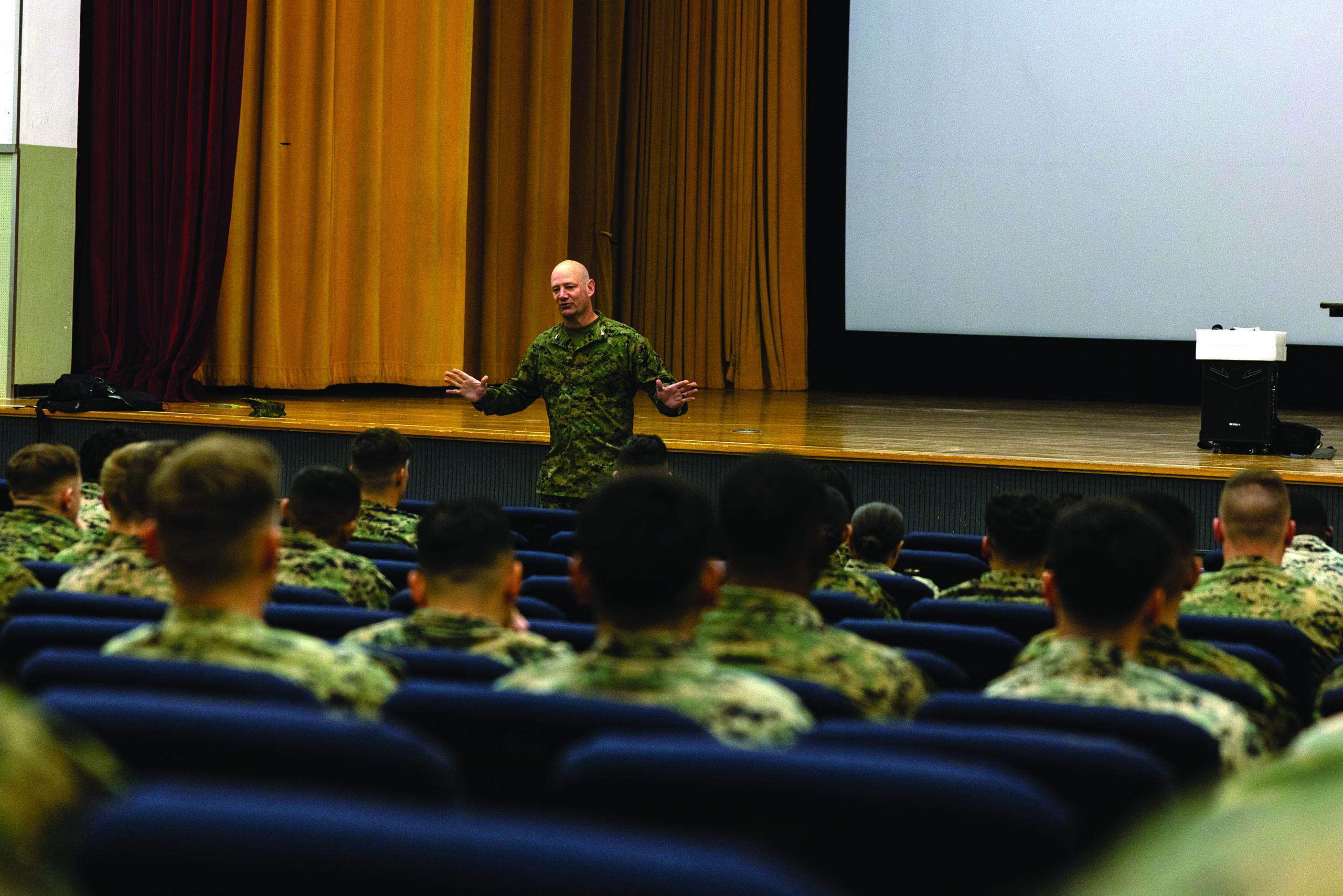
MMEA Branch Head Col Matthew Markham briefs Marines about special duty assignments during a roadshow at Camp Foster, Okinawa, Japan, on Jan. 29, 2025. (LCpl Brody Robertson, USMC)
Today, a smooth and successful assignments process calls for open dialogue with individual Marines, but it wasn’t always that way. Assistant Retention Operations Chief MSgt Jason Piliaris said the mindset was different when he joined the Marine Corps more than two decades ago. “Back in the day, it was kind of, ‘They’re called orders, maverick, you’re going to go wherever we put on there,’” Piliaris said. “The last five years, we’ve really tried to change the culture of MMEA. I shouldn’t say try to change. We have changed it. We really try to get to yes for those individuals to get them where they want to be and meet the needs of the service, as well.”
Markham shared a similar sentiment. “I had a monitor, who, the first time he ever spoke to the monitor was when he became the monitor,” Markham said. “That was shocking to me. That’s not the environment that we’re in anymore. The junior Marines can talk to their monitors.”
“The biggest thing is they need to call us and actually speak to us, have a conversation. Don’t be afraid to contact the monitor. We want to hear from them. We’re here for a reason.”
-MSgt Jon Howard, USMC
Marines can communicate with their monitor by email, on the phone or a video call, and, most importantly, in person.
MMEA staff engage with Marines throughout the year via special duty assignment outreach, monitor visits, and follow-on roadshow activity for those who missed earlier opportunities. The roadshow visits major Marine Corps installations near the end of each fiscal year, providing Marines with the opportunity to learn about assignments, discuss career opportunities and sit down with their monitor.
These face-to-face interactions yield results that don’t come as easily in an email or on a phone call. “When you get on the roadshow, and you’re sitting kneecap to kneecap, you can see how that individual is reacting to the things that you’re saying. You can see whether they understand or don’t understand,” Markham said. “And that’s a two-way street, right? That’s as much for the monitor as the Marine.”
For dual-military families, MMEA has found it useful for both Marines to sit down with their monitors in the same place, at the same time. The face-to-face can help sift through career goals and untangle complicated movements without phone tag or a never-ending email chain. Transparency is also more easily achieved on the roadshow than from afar. Monitors can flip their computer screens around and show a Marine what’s available, what isn’t, what might become available and what won’t.
“Talent management and desire management are two different things,” Markham said, although they are related. “Certainly, if somebody desires to do
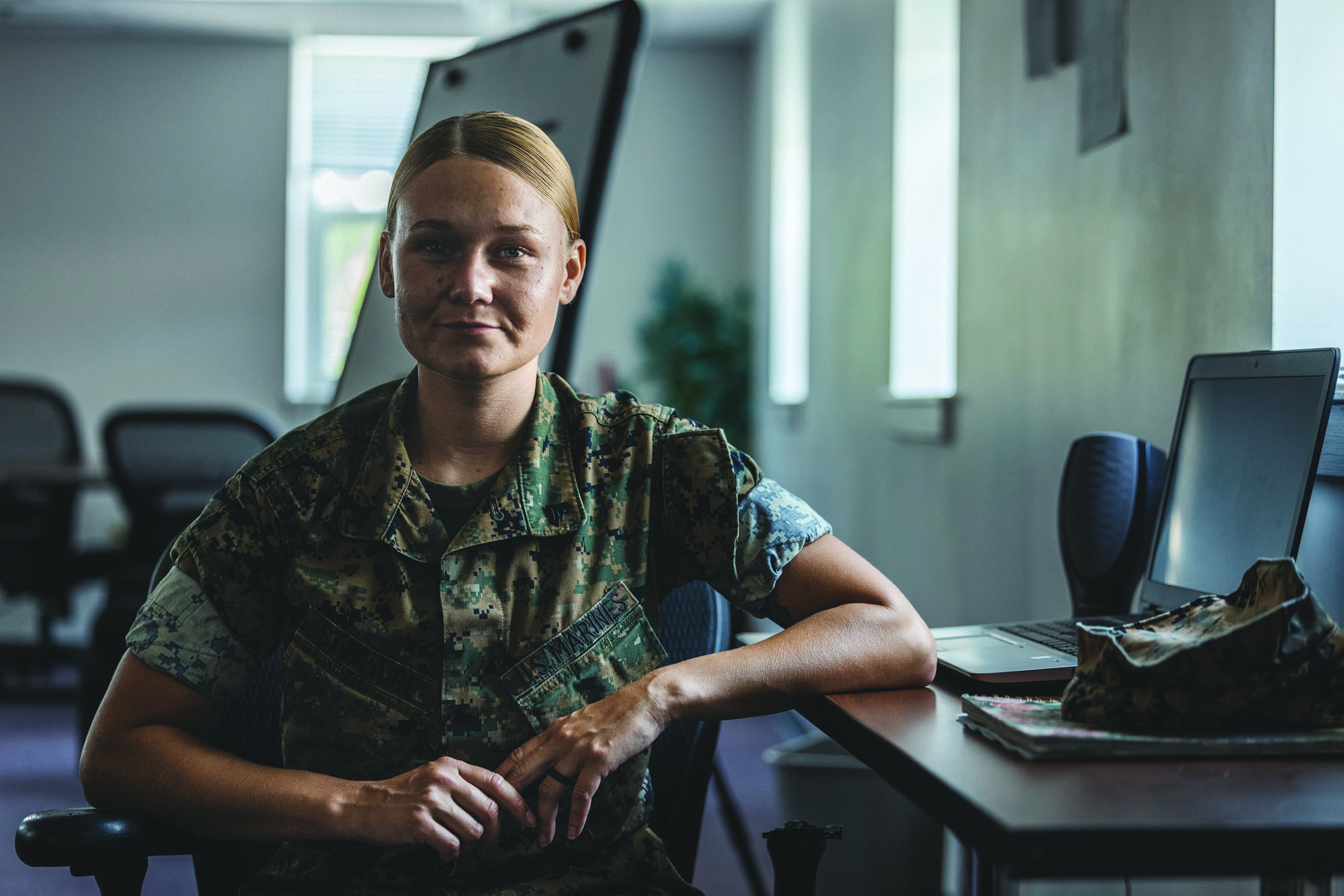
In June 2023, finance technician Cpl Audra St. Hilaire was selected for the Commandant’s Retention Program, which grants top first-term Marines priority duty station preferences and a streamlined reenlistment process. (Cpl Meshaq Hylton, USMC)
something, they tend to be a little bit more successful. So, if we can align their desires with the things that are going to make them grow as Marines and put them in units that we need them in, then that is a win across the board.” But sometimes what a Marine wants won’t develop their talents and help them to promote. Monitors try to assign Marines where they want to go and where they’ll progress, which is what ultimately leads to long-term retention.
Marines with I Marine Expeditionary Force wait to meet with their monitors at an MMEA roadshow at MCAS Camp Pendleton on March 25, 2025. (Cpl Simon Saravia, USMC)
Retention and assignments are more intertwined than ever before. “The biggest thing we’ve been telling our general officers, all the commands in the fleet, all the career counselors, is do not wait to submit [for reenlistment],” Piliaris said. “We have been hitting our retention goals faster than we ever have in our entire history.” If a Marine waits to submit, there may still be a spot for them, but they may not be assigned to their preferred duty station. “Be competitive and submit early, so you have your best shot at getting the location you want,” said Piliaris.
That advice is particularly relevant at the end of the calendar year, with the Commandant’s Retention Program making way for the start of retention season. The CRP identifies the top 2,000 or so first-term enlisted Marines, who receive an enhanced duty station incentive. The program works like this: High-performing Marines are selected to rank their five preferred duty stations, submit reenlistment packages early through a streamlined process and receive expedited results. Volunteering for special duty assignments is also encouraged heading into the New Year. If too few Marines volunteer for SDAs, eligible Marines will be screened for and fill the openings before other billets are filled.
“We’re a warfighting force, so we need to make sure that we retain our readiness, so we are able to respond to our nation’s call,” Markham said. “Now, success for me is, hey, if we can do that and align our Marines to jobs that both they want, will grow their talents, or prepare them for future challenges, then that’s success for me.”
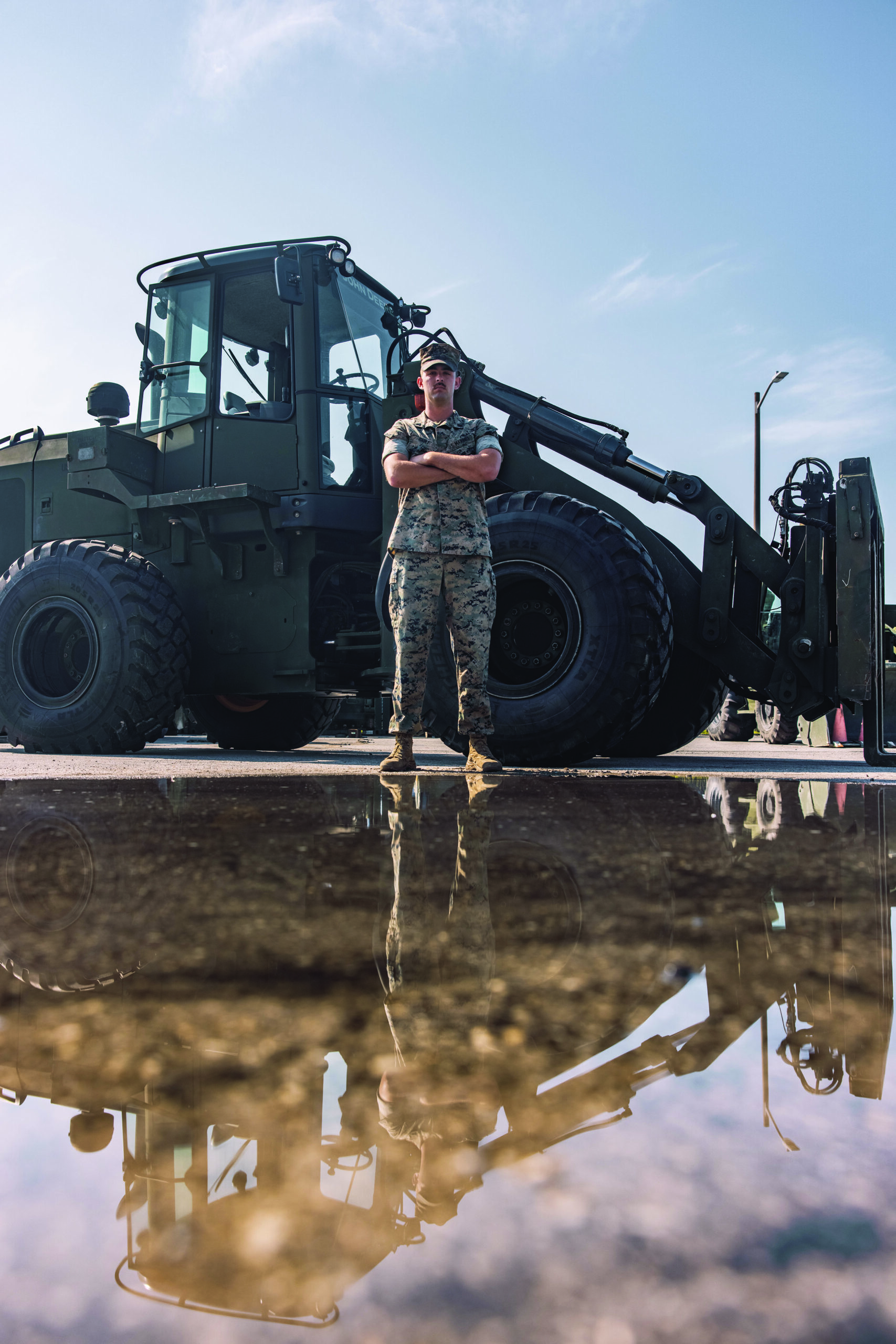
Engineer equipment mechanic Cpl Kellen L. Gault was selected for the Commandant’s Retention Program at Camp Lejeune. (Cpl Meshaq Hylton, USMC)
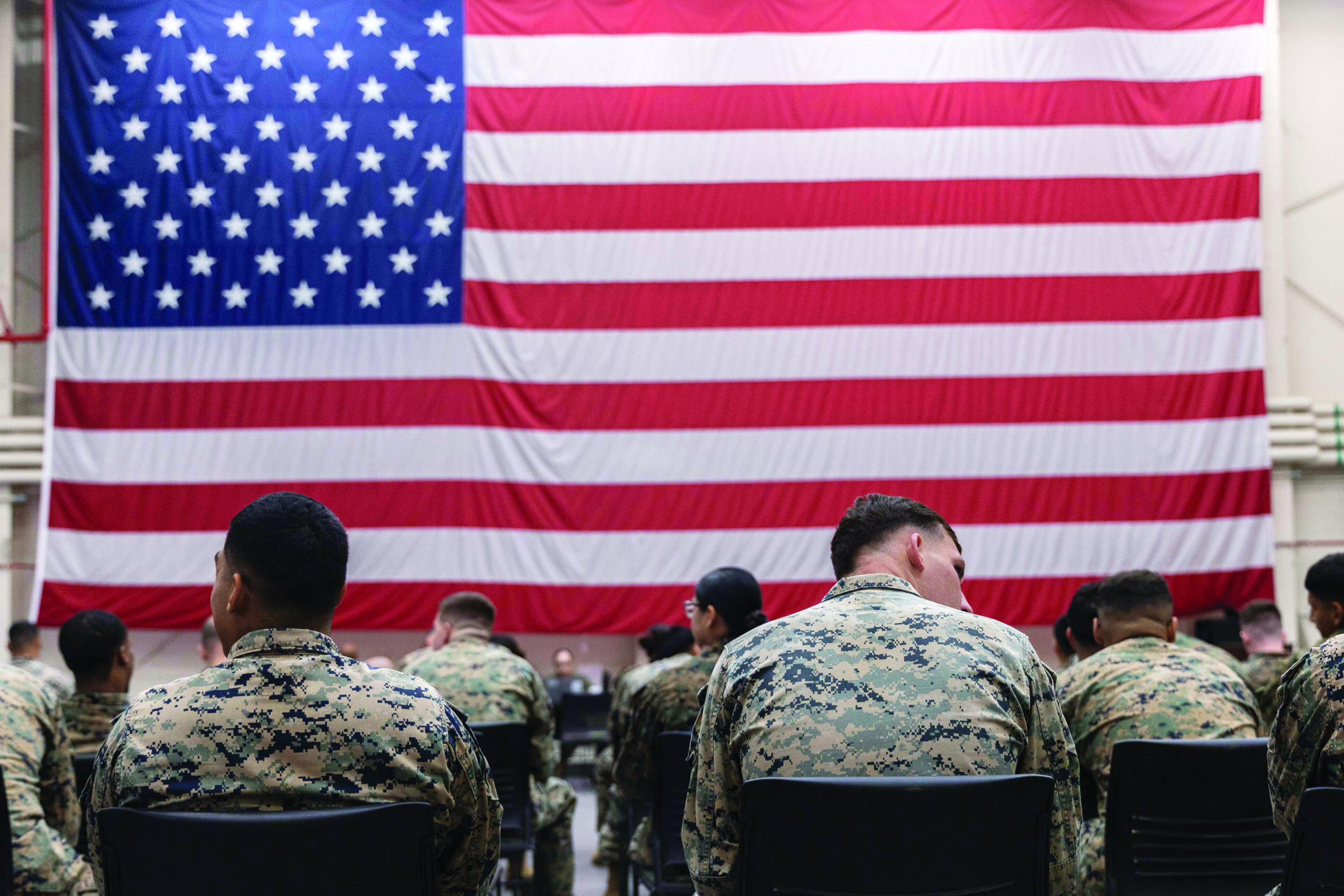
Featured Photo (Top): Direct Affiliation Program Retention Chief at Manpower Management Enlisted Assignment (MMEA) Branch Sgt Courtney Razzaq talks with Marines during an MMEA roadshow at MCAS Camp Pendleton, Calif., on March 5, 2025. (Cpl Simon Saravia, USMC)
About the Author
Jenna Biter is a proud military spouse and writer with a master’s degree in national security. Her writing has appeared in Reserve + National Guard, Military Families, Coffee or Die Magazine, The National Interest, and more.
Enjoy this article?
Check out these similar Leatherneck and Scuttlebutt features:
Office of Naval Research: Preparing the Marine Corps for Battlefields of the Future
Leatherneck
July 2023
By: Sam Lichtman
Monitors: “Engage early and often”
Leatherneck
June 2017
By: Sara Bock
Marine Corps Combat Service Support Schools: Solidifying the Transformation
Leatherneck
February 2014
By: Randy Gaddo