Hey, Scuttlebutt listeners. Thank you for joining us and for your continued support. This is an episode that we wanted to do when we first thought up the idea of hosting a podcast, but never really thought we would actually get to do it. This week, it is an honor to welcome the 39th Commandant of the Marine Corps, Gen Eric Smith, and the 20th Sergeant Major of the Marine Corps, SgtMaj Carlos Ruiz to the scuttlebutt. The Commandant and Sergeant Major talk to us about prioritizing the amphibious ready group and MEUs, their thoughts on what a MEU should like look and the demand signal from the combatant commanders for this capability, how important the quality of life improvement initiatives are to them, their focus on suicide prevention, and the impact seven years of force design has had on the Marine Corps’ role in the Joint Force.
Also, a huge shout-out to Maj Nick Cline and GySgt Jordan Gilbert for their hard work in making this happen.
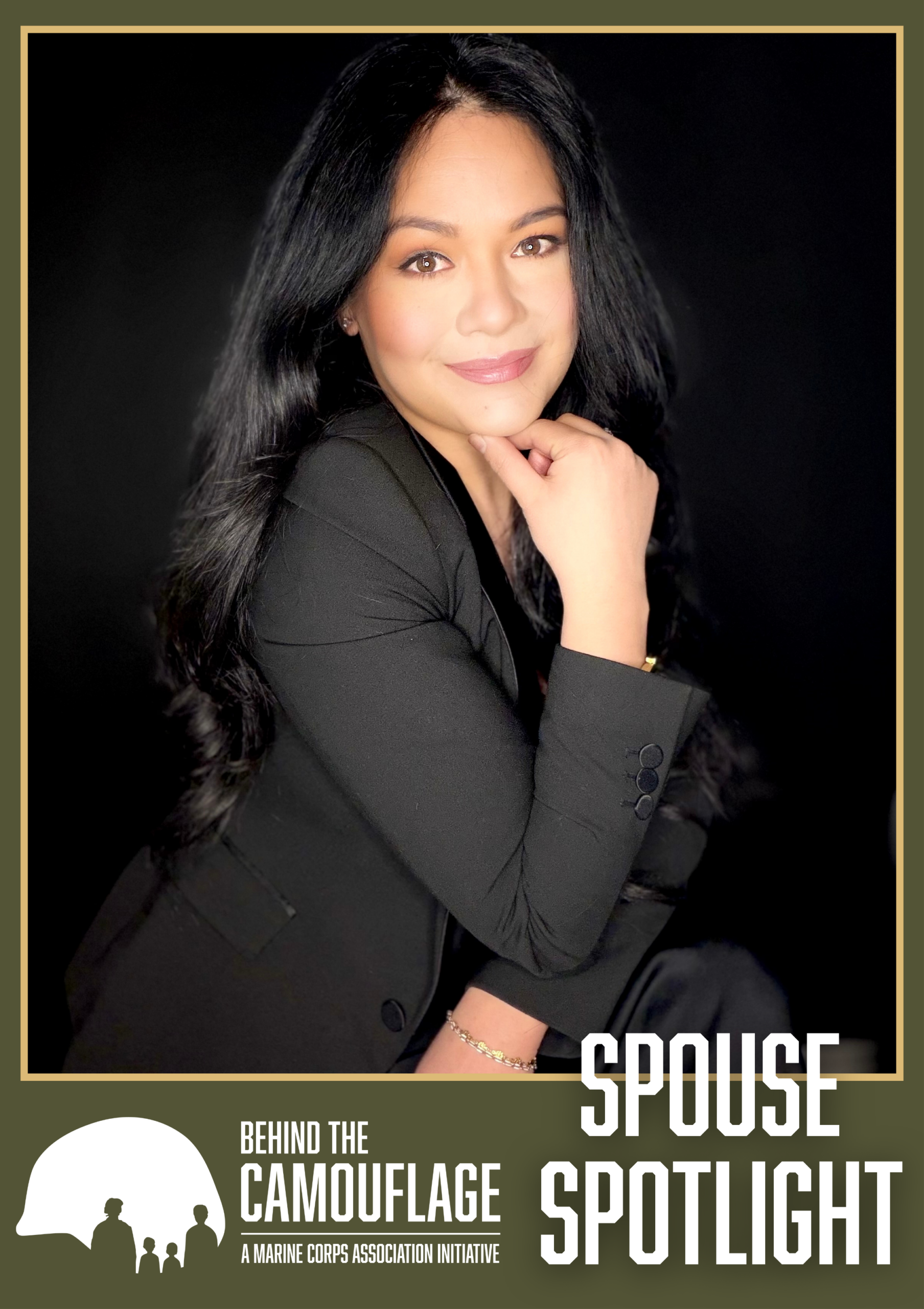
Meet Melanie Brown, a Marine spouse of over 26 years whose life and leadership are deeply rooted in service, resilience, and community. From battalion and regiment roles at MCRD Parris Island to leadership at Marine Corps Base Quantico NCR, Melanie has dedicated herself to supporting families through some of the most demanding seasons of Marine Corps life. As Co-Lead for the Cornerstone Spouses Workshop Committee, she helps equip spouses entering command leadership with tools, networks, and trusted support, becoming the steady presence she once needed herself. Whether through volunteer leadership or her work as a professional hairstylist, Melanie’s mission is consistent: to uplift, empower, and create spaces where others feel seen, supported, and strong. Melanie is currently living in Quantico, VA while her Marine is unaccompanied to the Combined Joint Task Force – Horn of Africa.
Do you have a Spouse you want to submit for a Spouse Spotlight?
Email Heather at [email protected] with the name and contact information of your spouse spotlight!
Hey, hey, hey listeners! It’s time for another In the Box episode, and this week we’re diving into some of those relatable situations that military spouses at every stage of life have probably experienced.
In this episode, the BTC team talks about navigating uncomfortable situations with senior spouses and how to handle those moments with confidence and grace. We also unpack the big feelings that can come up around wanting spouse get-togethers without children — and why that can feel more complicated than it should.
And finally, we have an honest conversation about the expectations we place on our spouses to be fully present when they’re home — and the tension that can surface when reality doesn’t quite match the hope.
If you’ve ever wrestled with boundaries, belonging, or balancing expectations in military life, this one will hit home.
So grab your coffee and join the BTC team for another real, relatable conversation you won’t want to miss. Give a listen!
Hey, Scuttlebutt listeners. Thank you for joining us and for your continued support. This week, we welcome Mike LeBlanc to the scuttlebutt. Mike is a veteran Marine ground intelligence officer who is now the co-founder of Foundation, a company that specializes in robotics. He is also the author of the book, What If Anger is the Answer?, due out in June of this year, that touches on the transformational aspects of anger and aggression. Mike talks to us about his journey as Marine ground intel bubba, how he navigated transitioning out of the Marine Corps, and how the lessons and attributes he learned in the Corps have helped him succeed in a world that, on its surface, has nothing to do with the Marine Corps, especially Marine operators. Mike insists that the leadership training he learned in the Marine Corps, especially the way Marines cultivate an aggressive attitude, has made him successful. Mike is all about helping Marines, so please feel free to reach out to him. His email is below.
In this week’s episode of Behind the Camouflage, we sit down with Carolyn Crissman, Chief Executive Officer of the Council for Military Spouse Clubs (CMSC), to talk about the evolving role of spouse clubs in today’s military community.
Carolyn shares her own military spouse journey and how she became involved in spouse clubs, eventually stepping into national leadership with CMSC. We discuss what the Council for Military Spouse Clubs is, the support it provides to local clubs and installation leaders, and why these organizations continue to play such an important role in building connection, leadership, and philanthropy in our communities.
We also explore how spouse clubs have evolved over the years, the benefits they bring that often go unrecognized, and the important census and survey initiative currently underway to better understand and strengthen spouse clubs around the world.
Whether you’ve been part of a spouse club for years or are just curious about what they offer, this conversation highlights the impact, evolution, and future of these cornerstone organizations. Give a listen!
Hey, Scuttlebutt listeners. Thank you for joining us at the scuttlebutt. This week, we welcome retired Master Gunnery Sergeant Adam Walker back to the show. Adam is on deck to talk with us about the Marine Corps’ new E-8 Redesignation pilot program, which gives master sergeants and first sergeants a one-time option to “lat move” between the E-8 designations. Adam helps us understand the career progression for senior enlisted Marines, namely what happens when a gunnery sergeant is promoted, the differences between a first sergeant and master sergeant, how the Marine Corps views its E-8s differently from the other Services, and the significance of this policy change. Talking with Adam is always a lot of fun and super informative. This is a unique opportunity to see behind the curtain on how Marines are promoted and how this program addresses two of the primary things Marines are opposed to: how things are and change.
You can also catch more of Adam’s wit and insight in his recurring segment, Lessons from the Smoke Pit, in Leatherneck magazine. Shameless plug, but it’s definitely worth checking out.
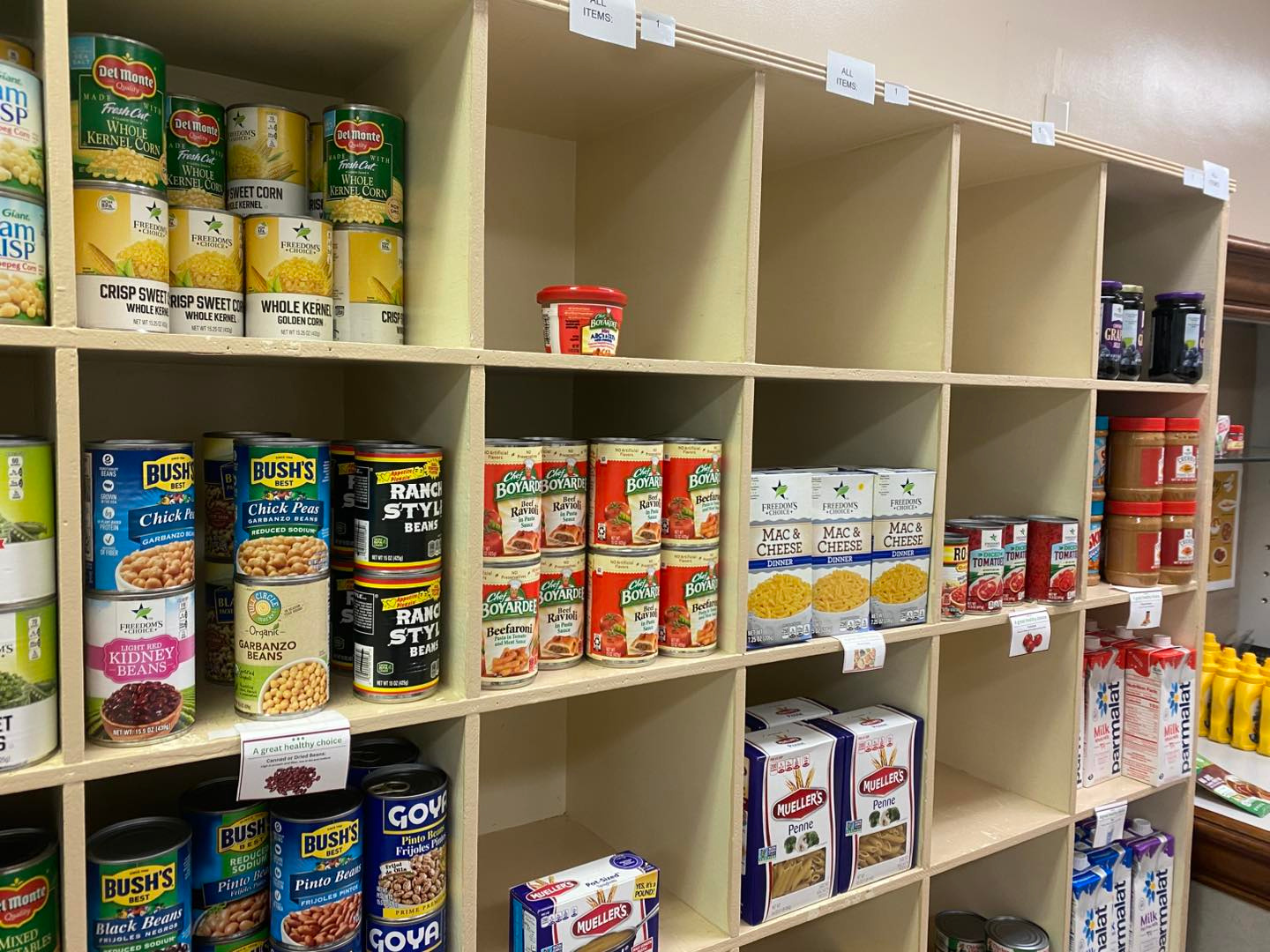
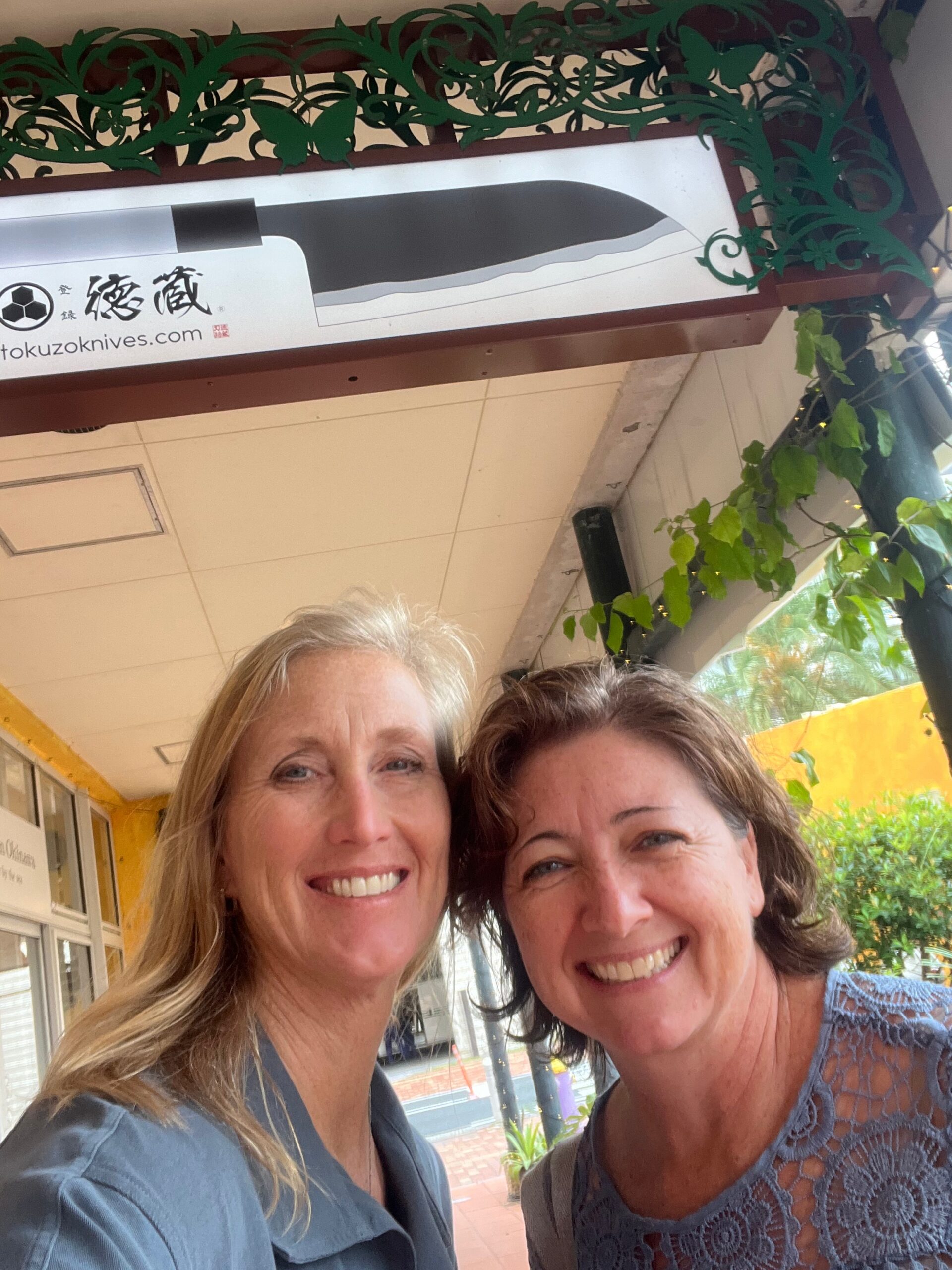
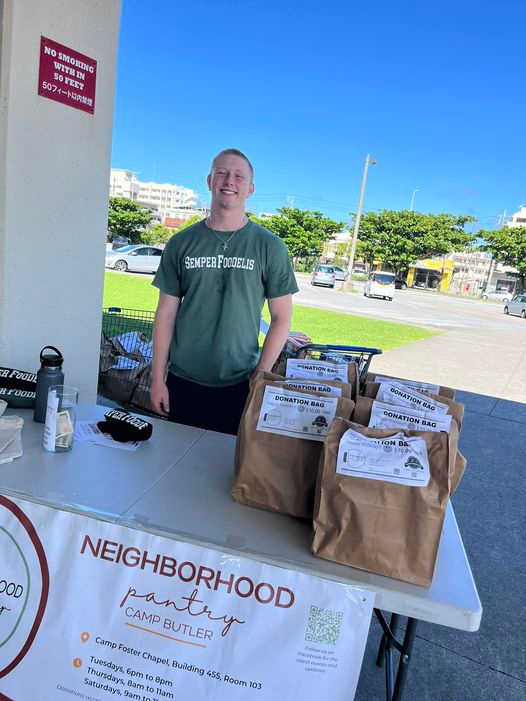
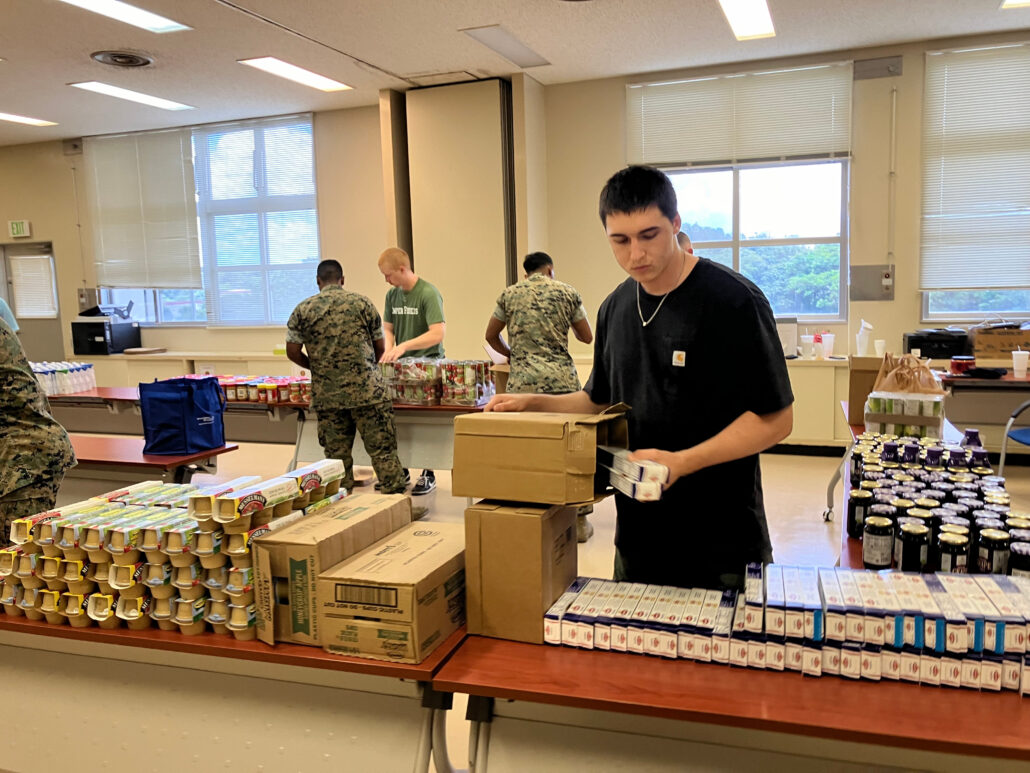
If you know anything about me, you know I love talking about Neighborhood Pantry–Camp Butler. Neighborhood Pantry–Camp Butler is a no-cost food resource serving military families across Okinawa, Japan. When my friend and I first became aware of the need on the island, we linked arms and began what turned into a long, challenging, and deeply meaningful journey to support our military community.When we opened our doors in the fall of 2023, we had no idea how far that impact would reach—across the island and throughout the Pacific. Since then, Neighborhood Pantry–Camp Butler has served more than 10,000 people and distributed over 74,000 pounds of food. What began as an idea quickly became a lifeline for so many families.
This journey has been deeply personal for me. I often say it has been the best and hardest thing I’ve done as a military spouse—and I wouldn’t change a single moment of it.
Volunteering with Neighborhood Pantry–Camp Butler taught me the power of showing up. Simple, consistent service creates real change. Families come through our pantry quietly and humbly, and every interaction is a reminder that food support isn’t about charity—it’s about community. Neighbors helping neighbors. In many ways, this is the heart of military life.
I also learned that when a need is visible, people respond. Our community stepped forward—leaders, volunteers, and donors alike—bringing food, time, and encouragement. Because of them, no family has had to face hunger alone.
On a personal level, this experience transformed me. When we started, I had no background in nonprofit work or running an organization like this. What I did have was a willingness to learn and a belief in the mission. Through this process, I discovered that passion fuels growth—and that we are capable of far more than we realize when we fully commit.
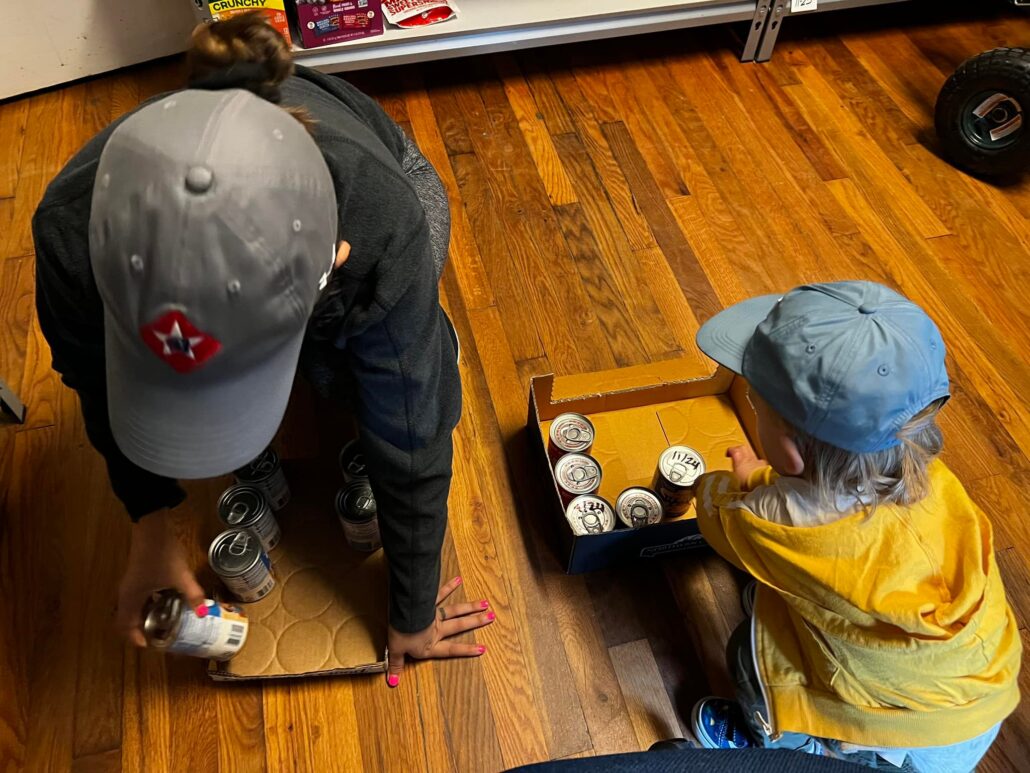
My roles at Neighborhood Pantry–Camp Butler allowed me to serve in many ways. I used my background in public relations to support administrative operations as the organization’s Secretary, helped draft foundational documents, and assisted with distributions. But my most meaningful moments came from simply being present—standing alongside families, listening to their stories, and offering support in whatever way was needed.Sometimes that meant stocking shelves. Sometimes it meant loading food into a car. And sometimes it meant simply listening. Those moments mattered. They always do. I learned that no task is too small, and that service—done with care—creates connection and dignity.
What makes Neighborhood Pantry–Camp Butler thrive is its people. The consistency of our volunteers, the strength of our teamwork, and our shared commitment to treating every guest with respect allow us to serve efficiently while leading with compassion. Small acts—kind words, patience, reassurance—create a ripple effect that reaches far beyond our doors.
For any military spouse who wants to make a difference but isn’t sure where to begin, my advice is simple: just start. Start small. Be brave enough to try—and if you’re unsure, find that friend to link arms with you. You don’t need special skills or unlimited time, just a willingness to help and a heart open to learning. Choose something you care about, because when passion leads the way, service becomes sustainable. And finally, let it change you. Volunteering gives back in ways you never expect—perspective, connection, and purpose. I have been forever changed by this experience and am deeply grateful for it. I’ve gained lifelong friendships along the way. Military communities don’t just survive because of service—they thrive when we turn compassion into action and show up for one another.
Jenn Hall is a dedicated advocate for military families on Okinawa and co-founder of the Okinawa Food Pantry. What began as a grassroots effort to address food insecurity has grown into a sustainable, island-wide resource serving hundreds of families each year, including expanded access through a hybrid distribution model and a second location at Camp Kinser.
Known for her calm leadership and servant heart, Jenn has also supported families through crisis response efforts, including typhoon preparedness initiatives. Through empathy, innovation, and collaboration, she has built lasting systems of support that continue to strengthen the military community.
Jen was recognized as the 2025 MCA Community Change Maker of the Year – Pacific Region.
Hey, hey, hey listeners! It’s time for another In the Box episode, and this one dives into some of the honest questions that many military spouses think… but don’t always say out loud.
In this episode, the BTC team talks about what it feels like when your spouse’s career is automatically treated as more important than your own — and whether wanting both careers to matter puts you “in the box.” We also unpack the age-old question about duty stations: Do we really have zero choice… or is that just where the conversation stops?
And finally, we get real about post-deployment emotions — the joy of having your spouse home mixed with resentment, exhaustion, and a nervous system that hasn’t quite caught up yet.
If you’ve ever loved your spouse deeply while also wrestling with frustration, questions, or complicated feelings, this episode is for you.
So grab your coffee and join the BTC team for a candid, validating conversation you won’t want to miss. Give a listen!
Hey, Scuttlebutt listeners. Thank you for tuning in and your continued support. This week, we bring you another installment of Semper Cinema in reviewing the documentary, The Last 600 Meters, detailing the battles of Fallujah and Najaf during Operation Iraqi Freedom. Released last year, The Last 600 Meters chronicles the two deadliest battles of the Iraq War, Najaf in the south against the Shi’a Madhi Militia and Fallujah in the west against Sunni insurgents. Both battles occurred in 2004 and the interviews for this documentary were recorded in 2007. Due to internal issues at PBS, many of which have been revealed to be political, it was shelved until last year. We mention this dynamic in our review, but mainly focus on the specifics of the film, such as the narrative style and cinematic art, and how well the filmmakers used these tools to tell the story. Another controversy surrounding the release of the film is its use of graphic combat footage, including the deaths of US service members, so we also dive into the ethics of depicting graphic imagery and the moral decisions that go into it when trying to be authentic in illustrating the savagery of war.
In this week’s episode of Behind the Camouflage, we sit down with Megan Fahy, School Liaison Officer aboard Camp Lejeune, to talk about college readiness and admissions for military-connected students.
Megan shares what inspired her to create the College Readiness and Admissions Navigation Program and the gaps she saw military families struggling to navigate amid frequent PCS moves, changing schools, and unpredictable timelines. We discuss the unique challenges military-connected students face in the college planning process, what families can expect from her workshops, and the practical steps parents and students can take to feel more confident and prepared.
From common misconceptions about military students to highlighting strengths on college applications, this conversation offers clarity, encouragement, and actionable guidance for families who want to move from reacting to planning.
If college feels overwhelming—or just plain confusing—this episode is one you won’t want to miss. Give a listen!
I didn’t set out to be a leader or an advocate. Like many military spouses, I became involved in my community out of necessity, not ambition. I was navigating frequent transitions, learning how the Marine Corps community functioned, and trying to find stability in a life that often felt anything but stable. What I didn’t realize at the time was that simply showing up, asking questions, listening, and saying yes before I felt ready was quietly shaping my leadership journey.
My introduction to leadership development came through the Family Readiness Program. At first, I viewed it as a support system: a place to get information, understand resources, and connect with other spouses who “got it.” But over time, I began to see something deeper. Family Readiness wasn’t just about disseminating information; it was about building trust, creating connection, and empowering spouses to support one another. It was leadership in its most practical and human form.
What I observed in the community was a mix of resilience and quiet struggle. Military families are incredibly capable, but that capability is often mistaken for a lack of need for support. I saw spouses juggling deployments, careers, parenting, and constant relocation, often without complaint or connection. Many didn’t know where to turn, while others believed their challenges weren’t significant enough to ask for help. I also noticed something else: spouses who wanted to contribute but didn’t see themselves as leaders because they didn’t hold a title or formal position.
That realization shifted my perspective. Leadership is not about authority or visibility but about awareness and community impact. It means noticing gaps, asking questions, and stepping up when needed. My Family Readiness involvement evolved from communication support to mentoring new spouses. This experience taught me: true leadership develops through community, not isolation. What I did wasn’t extraordinary. I showed up, listened before acting, and worked to create spaces where people felt welcomed and valued. Sometimes that meant connecting someone to a resource or helping them navigate a system. Other times, it meant encouraging a spouse to step into a role they didn’t think they were qualified for. Again, I saw the same pattern: when people feel trusted and supported, they step into leadership in powerful ways.
As my leadership roles expanded beyond Family Readiness, into nonprofit work, board service, and community advocacy, the same principles applied. What worked was building teams, sharing ownership, and developing others. Sustainable impact comes from collective effort, clear communication, and mutual respect.
Leadership development requires intentionality. Burnout is real, especially in volunteer-driven spaces. I learned the importance of setting boundaries, defining clear roles, and building systems that support people rather than exhaust them. When leadership is shared and expectations are clear, people stay engaged longer and contribute more meaningfully. Community thrives when individuals are empowered, not overextended.
One lasting lesson stands out: building community creates leaders. Strong communities don’t happen by accident; they grow from people investing in relationships and listening to each other. Every time I nurtured someone’s development, the whole community became stronger, as did my own leadership.
Personal growth has been inseparable from my leadership journey. Leadership challenged me to confront my own limitations, communication habits, and assumptions. I had to learn how to give and receive feedback, lead through collaboration rather than control, and trust others with responsibility. Confidence wasn’t something I waited for; it was something I built by taking action, reflecting, and adjusting along the way. Growth came steadily because I stayed committed to learning.
For military spouses who want to make a difference but aren’t sure where to start, my advice is simple: you don’t need permission to lead. Start where you are. Pay attention to what your community needs. Ask how you can help and be open to learning as you go. Leadership doesn’t require a title or years of experience. It requires willingness, consistency, and care.
You don’t have to fix everything, and you shouldn’t try to. Focus on one area where you can make a meaningful contribution. Build relationships before building programs. Trust that small, intentional actions add up over time. Community building is reciprocal; you will grow just as much as the people you support.
Looking back, the journey was never about titles or ladders. True leadership means creating opportunities, investing in others, and building communities. By doing this, we not only address needs but also develop future leaders who will carry the work forward.
This is a lasting impact and why building community always matters: leaders grow and thrive together.
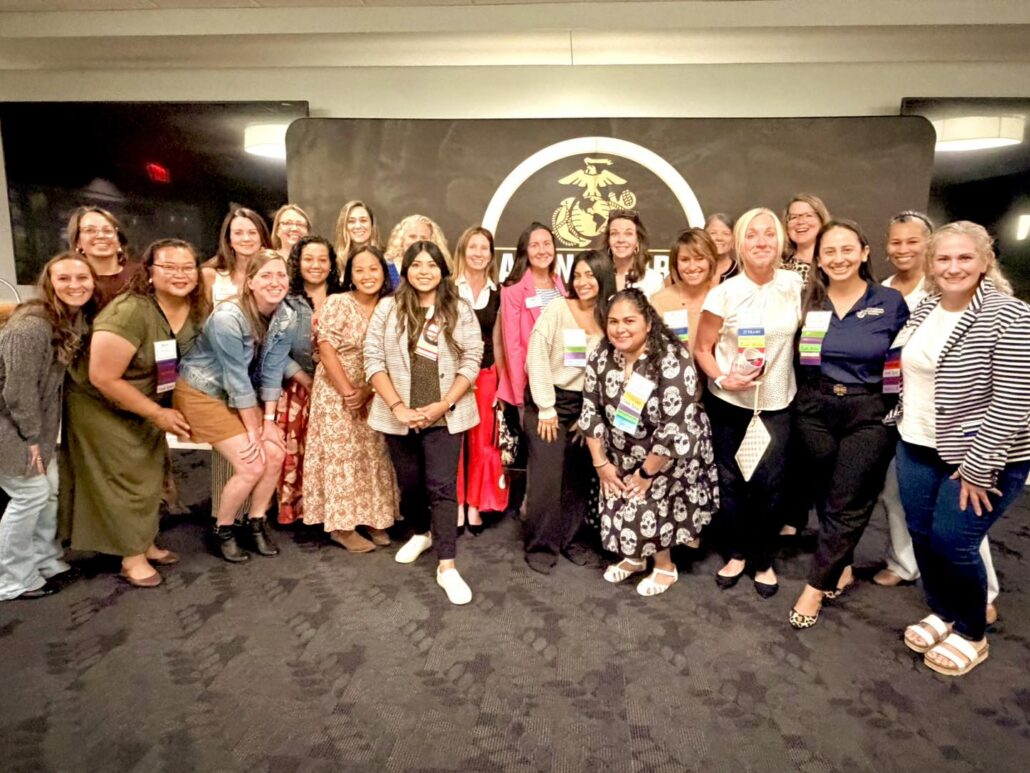
Berlinda Castillo is a dedicated advocate, leader, and mentor within the Marine Corps community, committed to strengthening and uplifting military families. She currently serves as President of the Camp Lejeune Leadership Seminar (CLLS), a highly sought-after program that empowers military spouses with the tools, confidence, and connections needed to thrive in military life.
Through her extensive volunteer service with Family Readiness programs, Berlinda creates inclusive, engaging spaces where spouses and families feel welcomed, supported, and valued. Known for her empathy, vision, and commitment to equity, she champions mentorship, leadership development, and culturally inclusive programming that reflects the diversity of the Marine Corps community.
Her impact has been recognized locally, nationally, and regionally. Berlinda was named MCA 2025 Community Catalyst of the Year for the East Region, along with honors such as Mighty MilSpouse – Camp Lejeune (2025), Armed Forces Insurance Military Spouse of the Year – Camp Lejeune (2023), multiple Presidential Volunteer Service Awards, and the United Way of Onslow Lightkeepers Award. Whether leading programs or working behind the scenes, Berlinda is a true community catalyst who brings people together and leaves every space stronger than she found it.