

Why do we have a Military Spouse Appreciation Day?
Posted on: May 08,2026We have a day for everything now.
National Bagel Day is January 15, apparently. (Google it.)
So this year, when Military Spouse Appreciation Day showed up on the calendar, I asked: “why is this a thing?”
As it turns out, this day did not show up out of thin air.
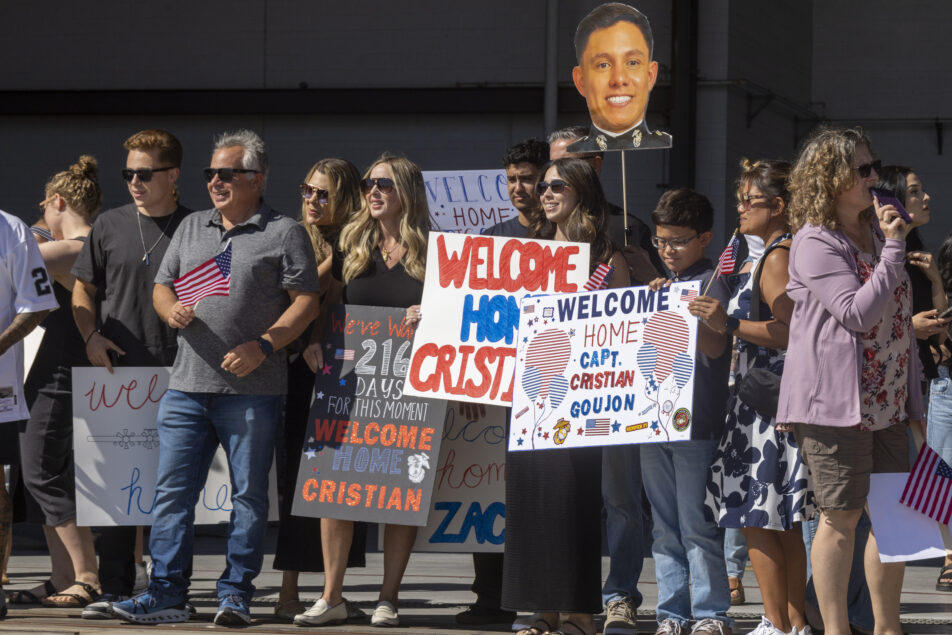
Military Spouse Appreciation Day began in 1984, when President Ronald Reagan issued Proclamation 5184 declaring May 23, 1984, as Military Spouse Day. In that proclamation, he recognized the “profound importance” of spousecommitment to the readiness and well-being of service members and to the security of the nation. The observance was later set as the Friday before Mother’s Day, and it is now recognized as part of National Military Appreciation Month. (Reagan Library)
What I noticed is that the original recognition was not only about sacrifice or hardship. It was about contribution.
We aren’t bystanders. We’re part of the larger readiness picture. The Department of Defense’s military family readiness framework exists because family well-being, resilience, and quality of life all support combat readiness. Marine Corps family readiness guidance is even more direct stating “personal and family readiness increases unit readiness.”(Military OneSource)
It means this day isn’t just about saying thank you for “embracing the suck.” It’s about recognizing that we make military life work. We create stability in an unstable lifestyle. We keep families moving through deployments, PCS seasons, school transitions,
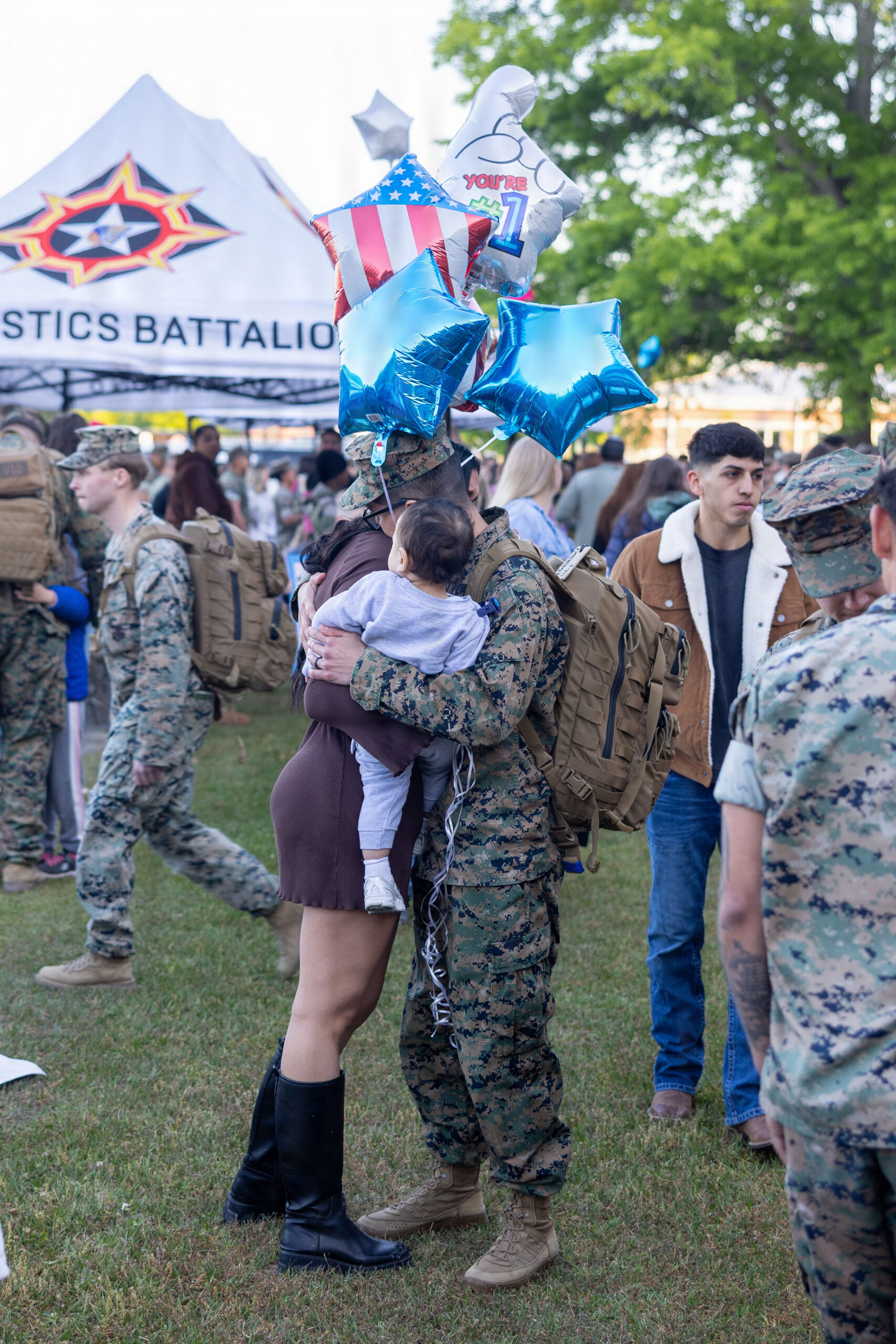
and all the everyday logistics that come with this life. And yes, in very real ways, that helps our Marines stay focused, ready, and able to do their jobs. Marine Corps family readiness programs explicitly say the goal is to help Marines focus on the mission knowing their families are supported.
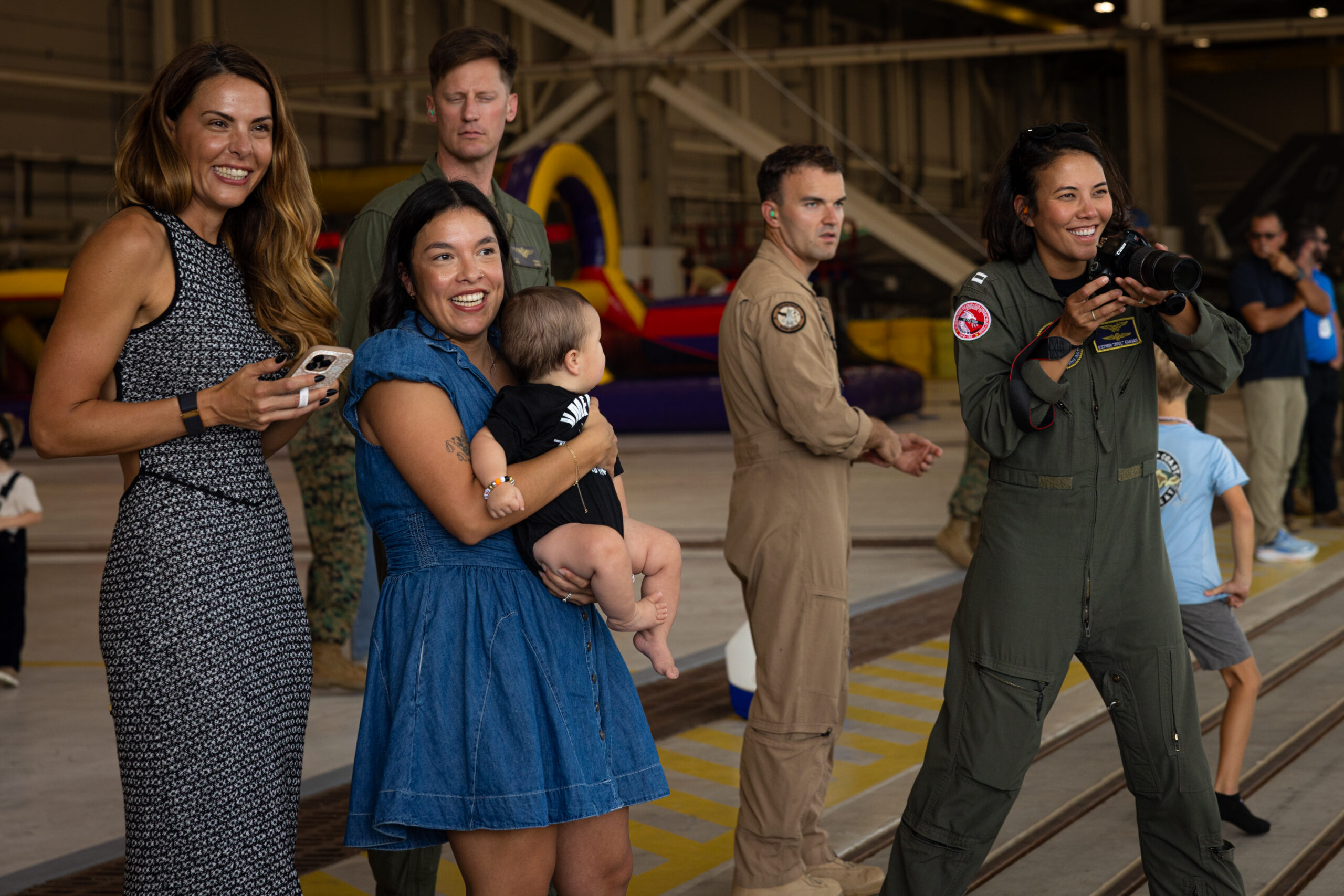
Spouses are often the ones creating the welcome event, organizing the meal train, answering the PCS question, checking on the new spouse, building the group chat, sharing the resource, volunteering at the school, sitting on the committee, and supporting fellow spouses.
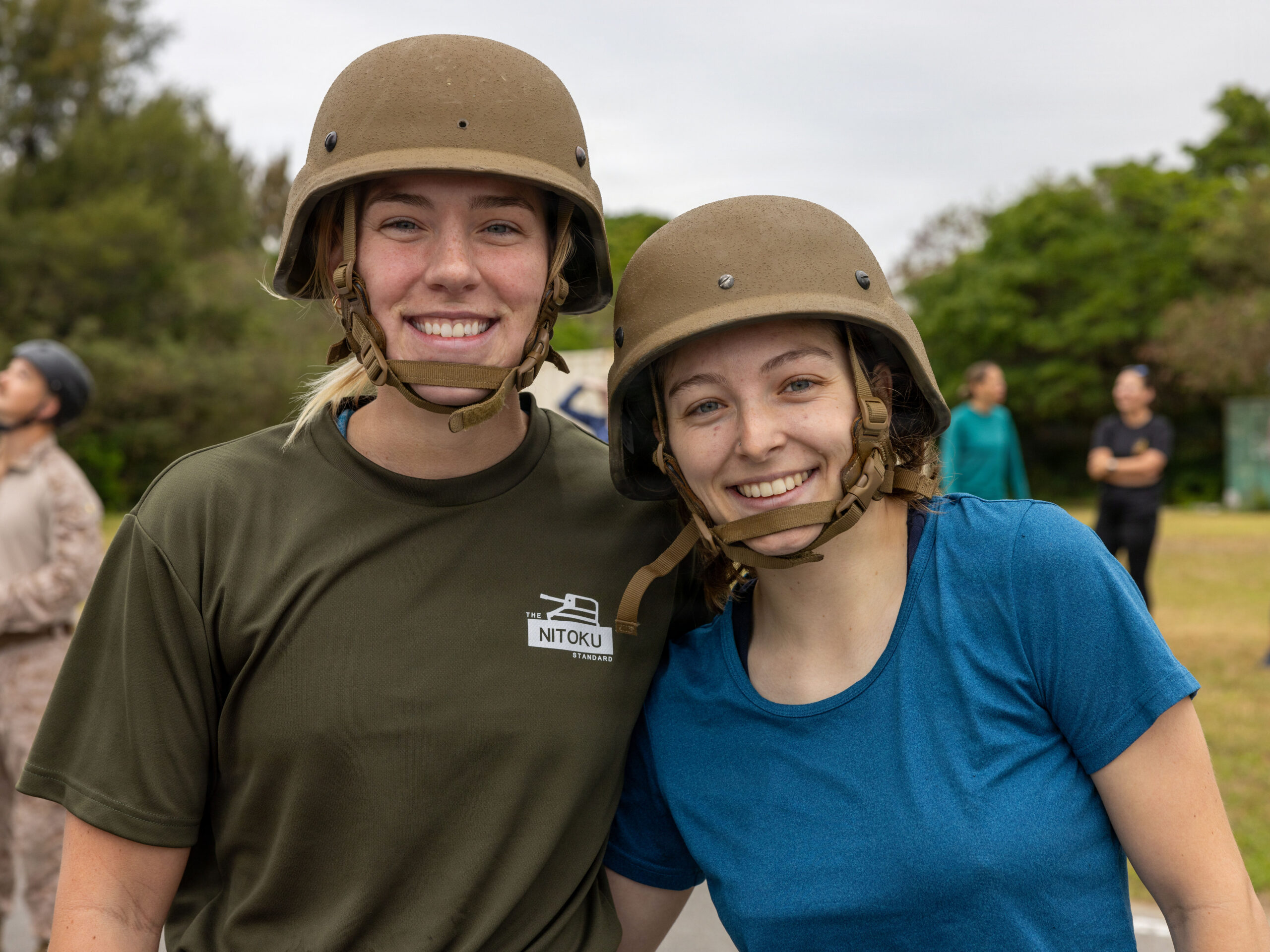
That work does not come with rank or ribbons, but it matters. It strengthens families. It strengthens community. And strong families and healthy communities support readiness.
Appreciation is important, but appreciation without connection is incomplete.
So, Happy Military Spouse Appreciation Day to all of you.
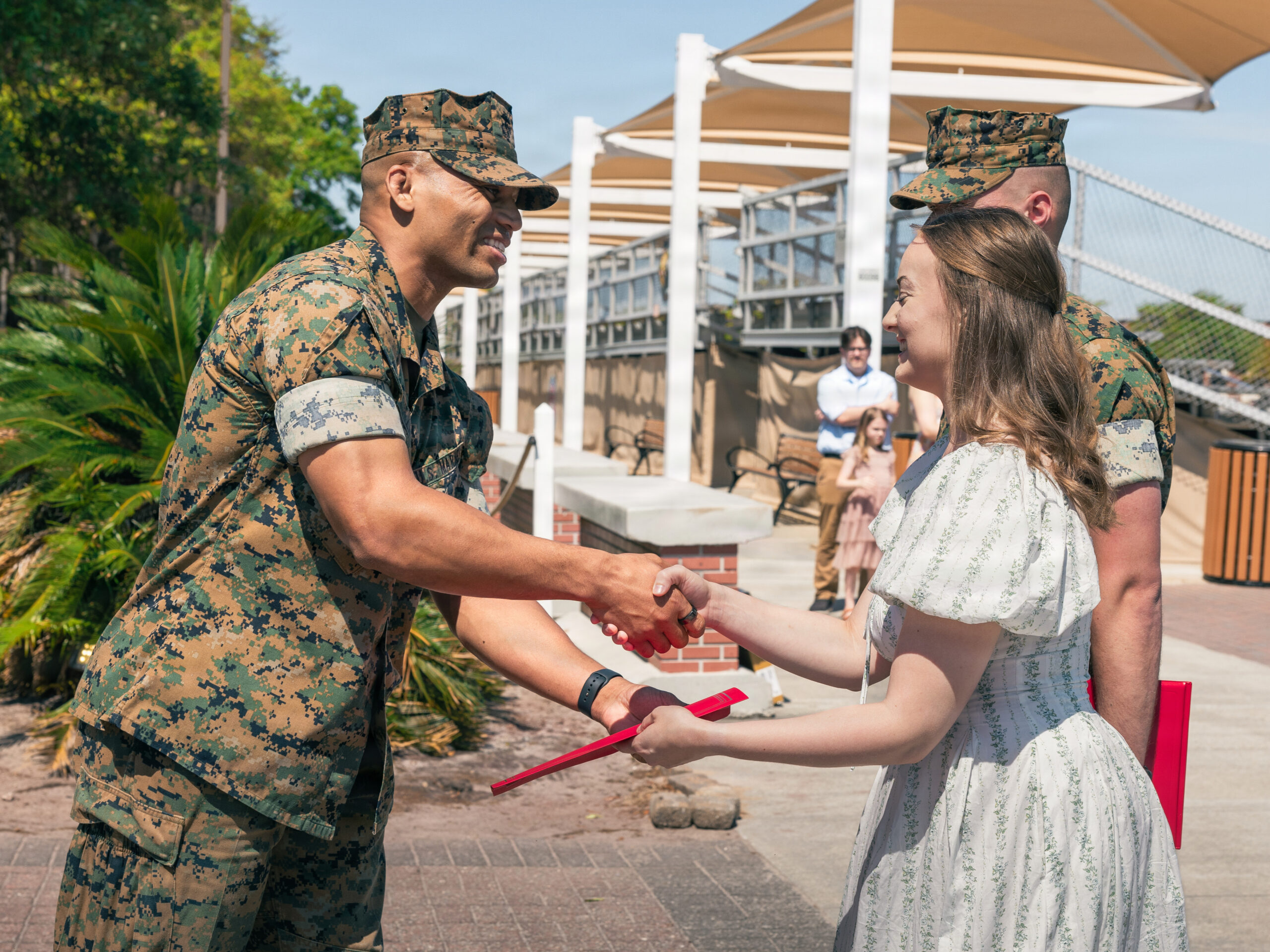
We celebrate you because, behind the camouflage, you are the glue, the rock, and the force holding so much together. The readiness you build is not found in training plans or command briefings. It is built in homes, routines, school drop-offs, hard conversations, community, and in the everyday work of keeping families steady through a life that is anything but predictable. ~ And a lot of you are doing all of that while working full time, too.
Cheers! Happy Military Spouse Appreciation Day!
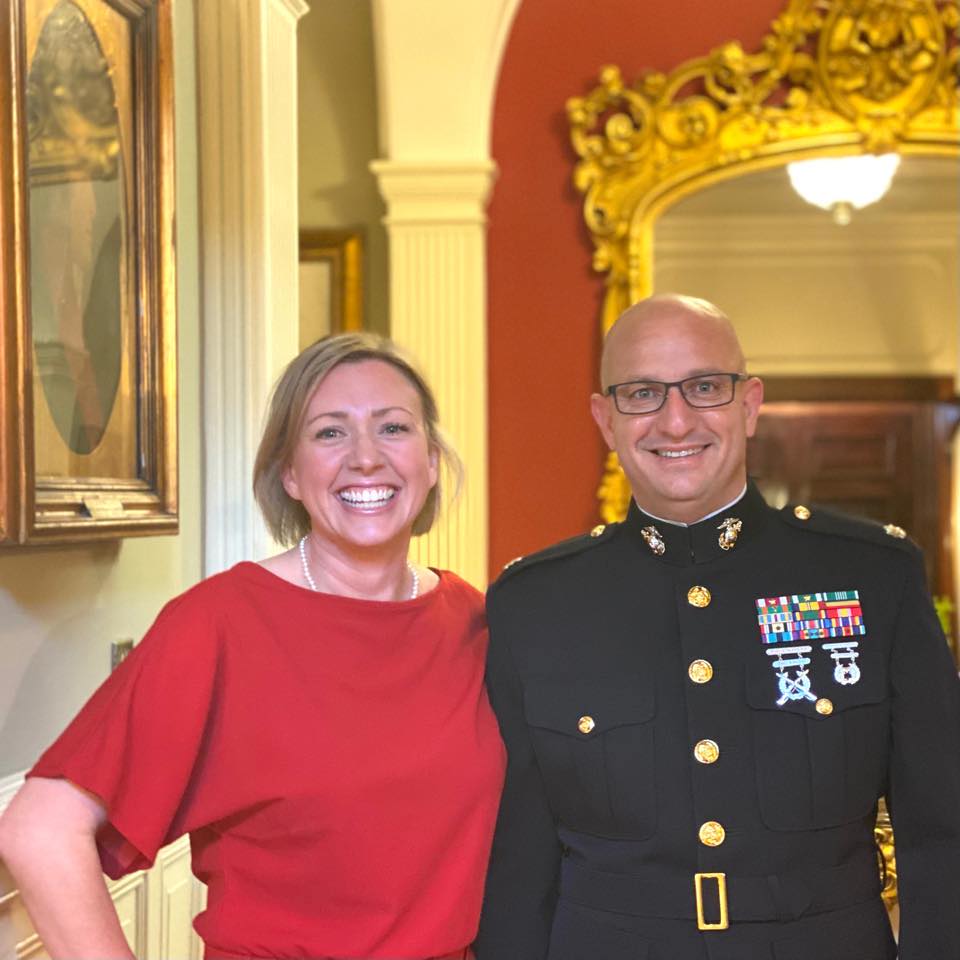
Krista Ickles is the Program Coordinator for the Marine Corps Association’s Behind the Camouflage program, where she is dedicated to supporting and empowering Marine Corps spouses by fostering community connections and providing resources to enhance their personal and professional growth. In this role, she works to ensure that Marine Corps spouses have access to opportunities that strengthen their sense of belonging and engagement within the military community.
Throughout her journey, she has focused on advocacy, operations management, and military family support. Prior to her current role, she served as Operations Manager for AtEase, an online platform providing government-approved lodging for military families during PCS moves. Before that, she was theHeadquarters Lead Advocate for the USMC PCS Advocacy Council, where she worked to improve relocation experiences for Marine families by engaging with senior leadership and driving policy discussions.
In addition to her professional experience, Krista is a mother of four and has been a proud Marine Corps spouse for over 25 years. Her deep connection to the military community fuels her passion for advocating for military families, enhancing spouse networks, and building strong support systems.