

There is a distinct gravity that commands the air around a U.S. Marine Corps memorial.
Time seems to slow its heavy march. Voices drop to a murmur, and strangers fall into a kind of synchronized silence. Some stand still before the structures, their eyes tracing the lines of a cast bronze face or reading the name of a battle. Others stay around at the edges, watching as a veteran rests a hand against cold stone, lost in a private conversation spanning across the decades. A child tugs quietly at a parent’s sleeve, sensing the seriousness there.
Whether it is a statue of Marines raising the flag above the Virginia skyline or a small, solitary marker tucked beside an American Legion post, these structures give us momentary pause and demand we bear witness to the history and individuals behind it.
Yet it takes more than just a glance to uncover the full story behind each memorial; every etched slab of granite and bronze can carry the weight of political battles, backbreaking labor—and a unifying refusal to let any Marine fade into history.
The Reality of National Memorials
When imagining a Marine Corps memorial, a few “gold-standard” standouts may jump to mind, such as the Marine Corps War Memorial in Arlington, Va., or Semper Fidelis Memorial Park in Triangle, Va.
United by more than just their Marine Corps affiliation, these monuments function as condensed manifestations of military history, honoring pivotal campaigns and entire divisions. Their designs actively stir the esprit de corps, transforming a simple visit into a pilgrimage for shared heritage and reflection.
However, behind a monument’s final, physical form lies a grueling process. Constructing a national memorial is a monumental task that demands far more than imagination; it requires a balance of civil engineering, artistic scrutiny and the ability to rally enduring support across the entire country.
Before a single shovel hits the dirt or a block of stone is carved, a national memorial must survive federal approvals. Sponsors must navigate the Commemorative Works Act, which strictly regulates who can be honored and where, with assistance from the National Capital Memorial Advisory Commission staff. This is a process that can take decades. Memorials additionally require an act of Congress and the President signing the bill into law.
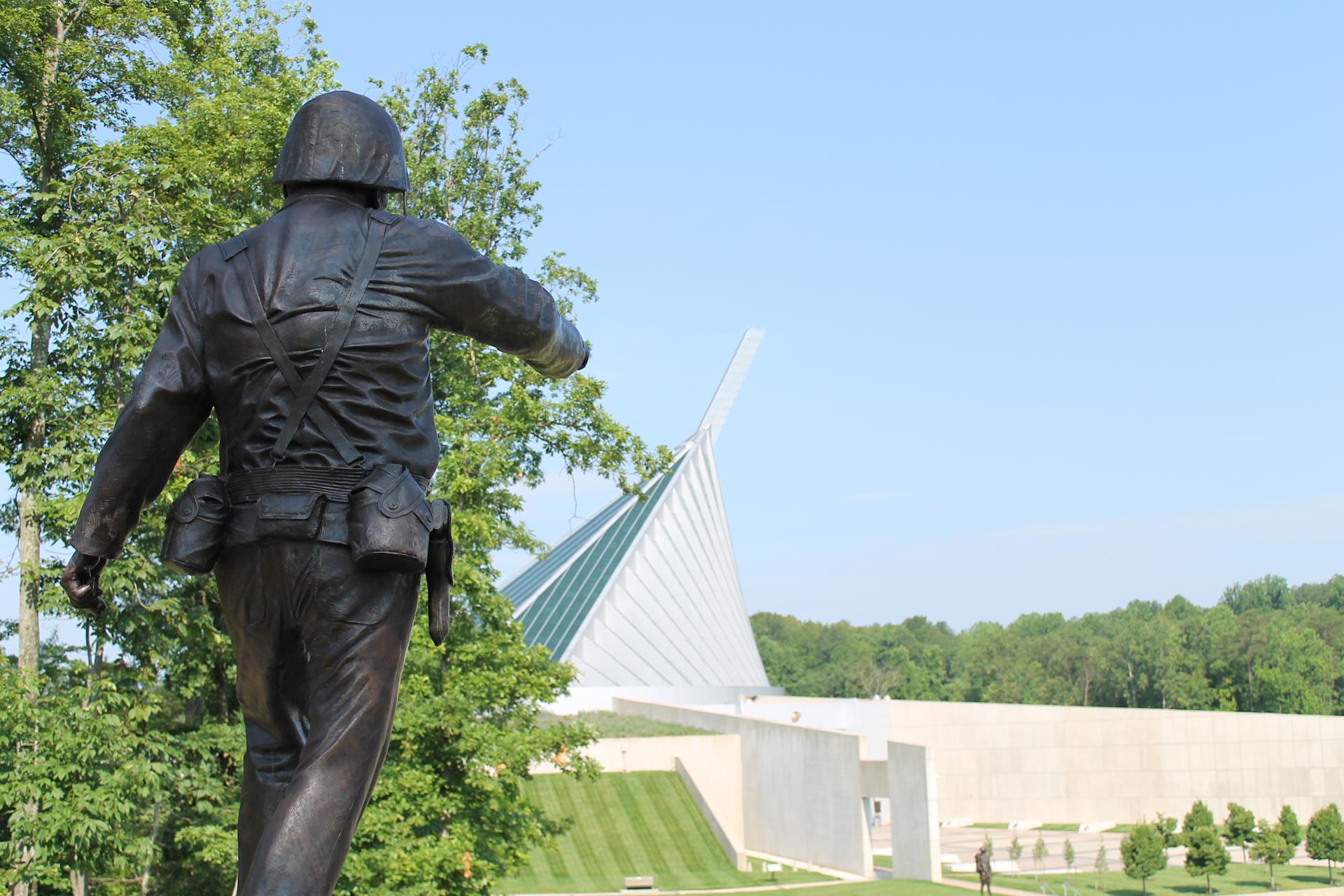
Designs then must be passed through multiple gatekeepers such as the National Park Service, the National Capital Planning Commission, the Commission of Fine Arts and the State Historic Preservation Office. These bodies scrutinize every detail to ensure historical accuracy, environmental preservation and aesthetic harmony with the surrounding national landscape.
And, if a memorial proposal for Washington, D.C., manages to push through and survive, there is a Sisyphean task at the top of Capitol Hill. Under frameworks like the Commemorative Works Act, federal authorization in the capital region isn’t open-ended; sponsors typically face a strict seven-year window from the date of enactment to secure site approval, raise funds and complete design sign-offs or else the authorization expires and the entire legislative battle must restart.
Constructing a national memorial is a monumental task that demands far more than imagination; it requires a balance of civil engineering, artistic scrutiny and the ability to rally enduring support across the entire country.
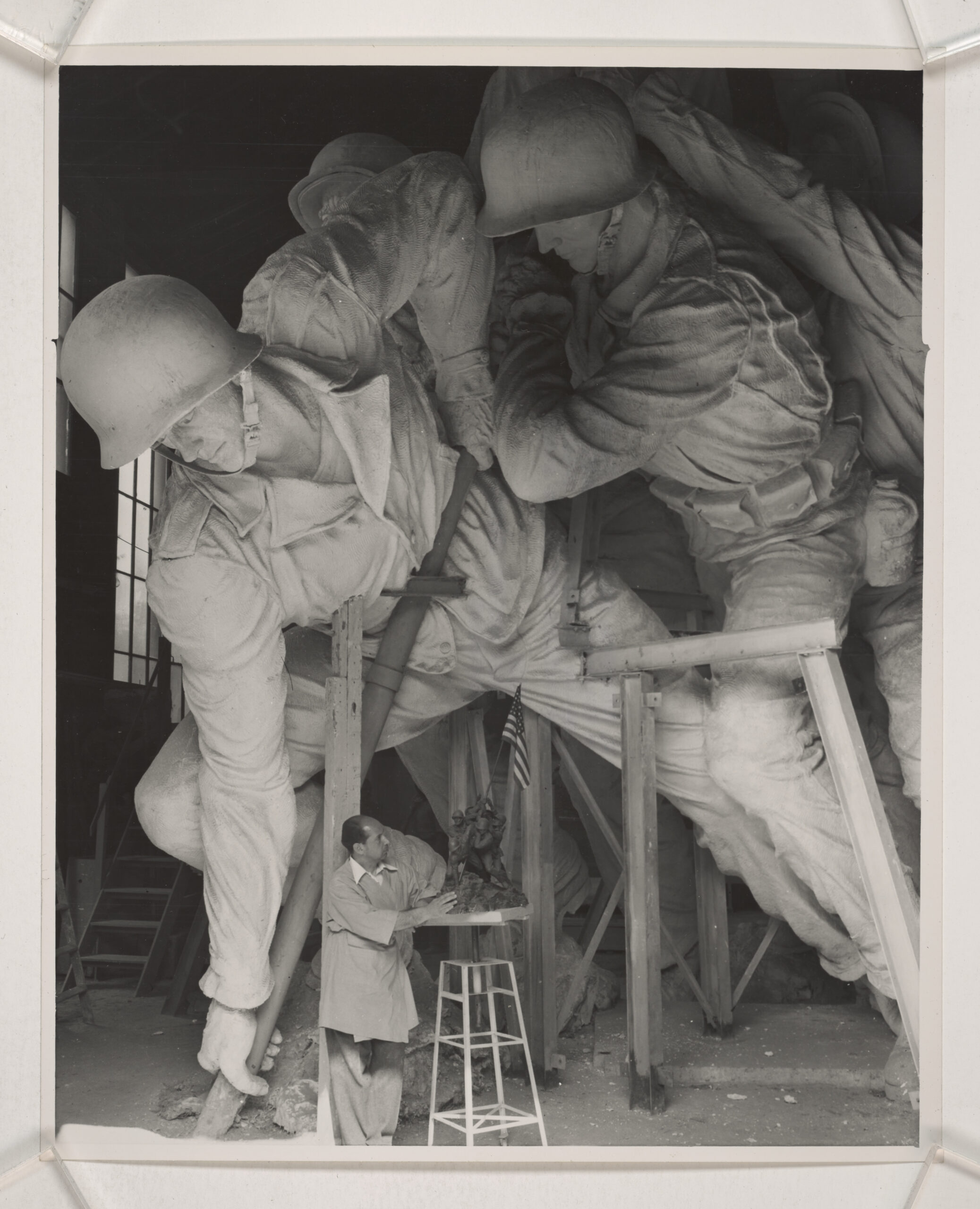
The initial concept of a memorial frequently undergoes radical transformation before becoming reality, and necessarily so. A monument representative of an entire military branch, historic campaign or national tragedy carries an immense emotional weight. Sculptors and designers face intense scrutiny from the public, historians and the very families of those being honored. Every fold of a uniform, weapon type and facial expression must be vetted to avoid controversy or misrepresentation. Overcoming these design hurdles also requires translating that vision into physical stone and bronze, involving specialized founders, stonemasons, welders and riggers—keepers of traditional trades that are increasingly difficult to find and may result in additional limitations to the memorial’s design and budget. Therefore, the final monument often looks different from its blueprint.
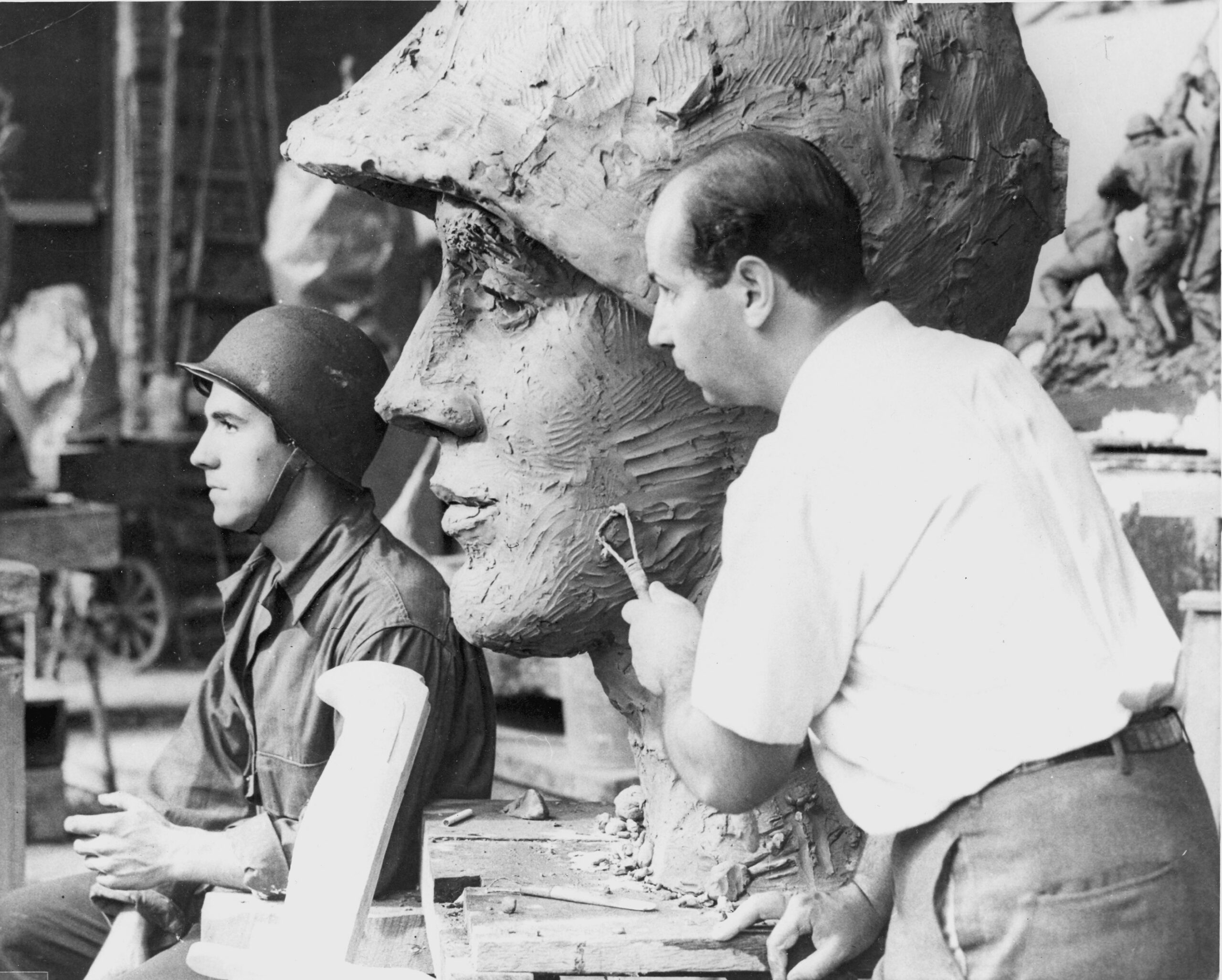
Executive Editor’s note: In 2019, the Bowers Board determined that Gagnon was on Mount Suribachi at the time of the second flag raising, but he was not one of the flag raisers. See “In Fairness to All Parties” in the January 2020 issue of Leatherneck for the full story.
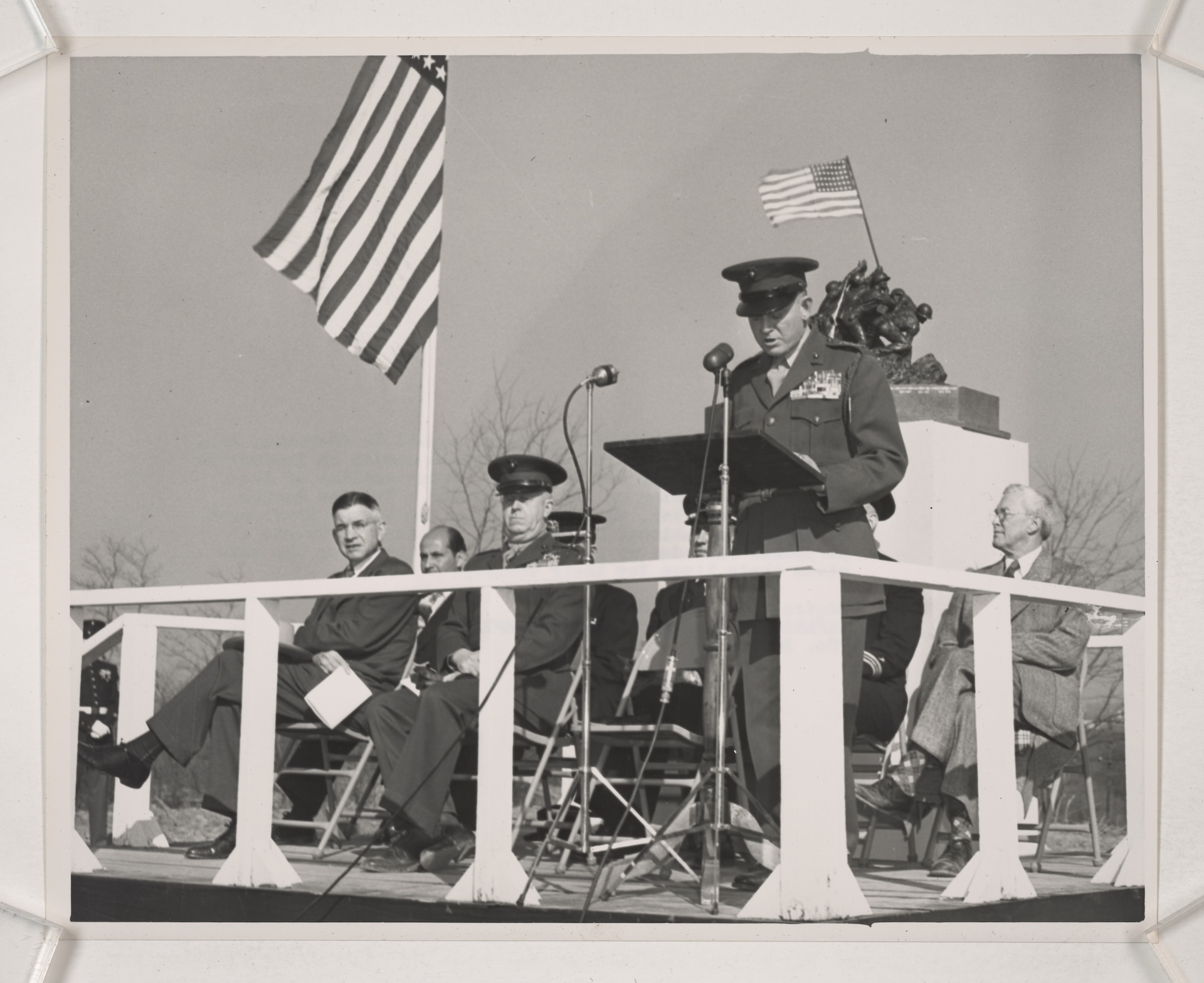
Then comes the financial aspect. A vast majority of national landmarks do not rely on federal funding. Financing them requires strategy, as national tributes often scale into multimillion-dollar undertakings, and most projects rely on forming foundations specifically to spearhead fundraising. These entities must run multiyear, nationwide campaigns appealing to corporate sponsors, veterans’ organizations and individual citizens. Deceptively, the cost of a memorial does not end with its dedication. Organizers must also raise funds for long-term maintenance endowments to ensure that bronze does not corrode, stone does not fracture and groundskeeping is maintained in perpetuity.
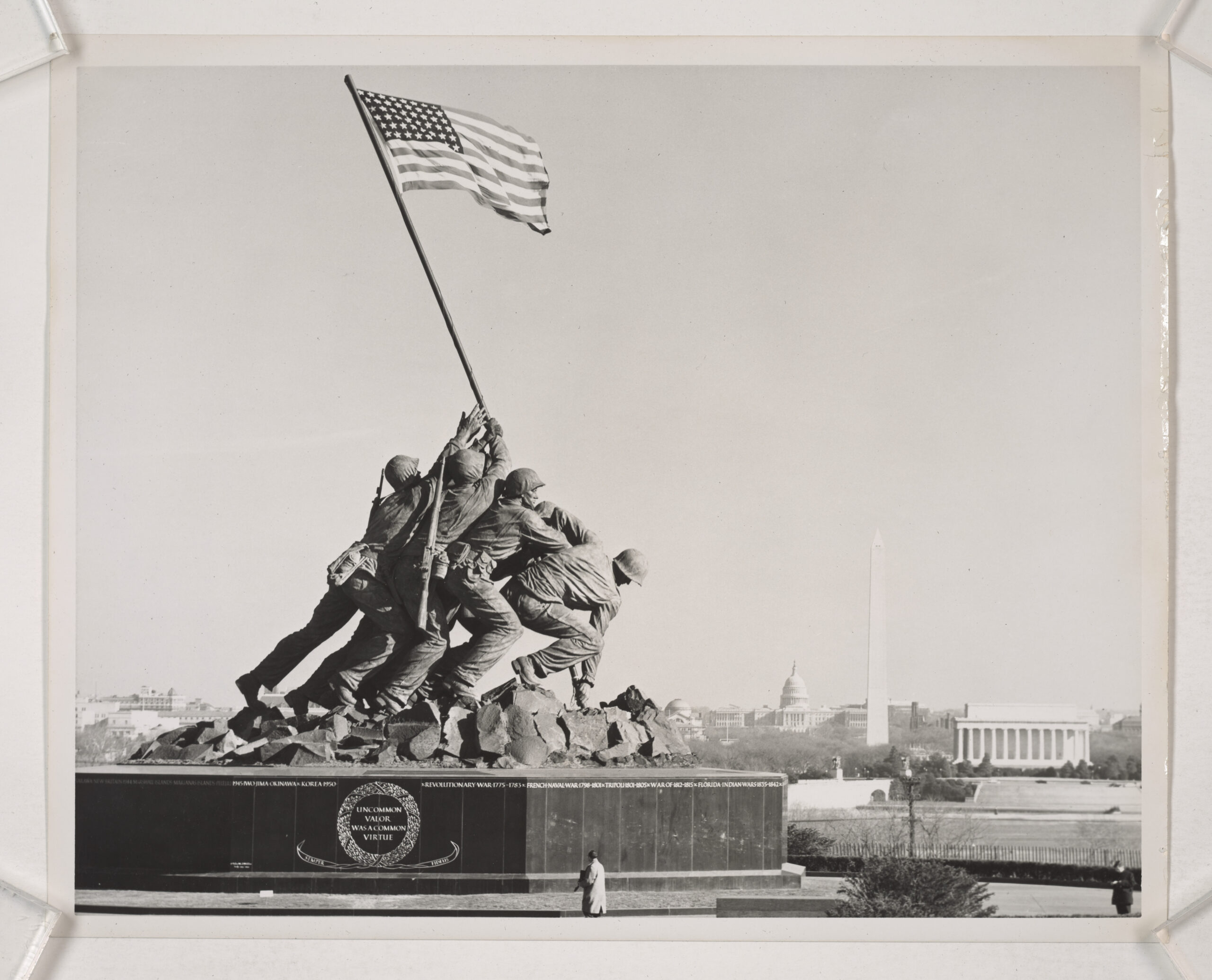
A notorious success story for a national memorial is the Marine Corps War Memorial, inspired by Joe Rosenthal’s iconic Pulitzer Prize-winning photograph of the flag raising on Mount Suribachi during the Battle of Iwo Jima. This monument stands 78 feet tall, anchored by bronze figures and a 60-foot flagpole that flies the American flag 24 hours a day by presidential proclamation.
The initial concept of a memorial frequently undergoes radical transformation before becoming reality, and necessarily so.
Yet behind the memorial is the battle required to bring it to life. Sculptor Felix W. de Weldon—then serving in the U.S. Navy—first saw Rosenthal’s photograph in 1945 and immediately crafted a scale model. What followed was a nine-year crusade. De Weldon brought in three of the men who were believed to be the surviving flag raisers (Ira Hayes, Rene Gagnon and John Bradley) to model their faces in clay, while using photographs to meticulously recreate those who had fallen.
The figures were initially sculpted over a steel skeletal framework and, once perfected in plaster, the colossal masterpiece was disassembled into 108 separate pieces and shipped to the Bedi-Rassy Art Foundry in Brooklyn, N.Y. Over three years, artisans cast, cleaned and chased every section before trucking the components back down to Virginia in a multivehicle convoy for final welding and assembly.
For this project, no public tax dollars were used. The entire $850,000 cost in 1954 was raised entirely through donations from U.S. Marines, veterans, reservists and friends of the Corps. Upon its completion, President Dwight D. Eisenhower celebratorily dedicated the memorial on Nov. 10, 1954, on the 179th birthday of the Marine Corps.
Though de Weldon aimed for historical accuracy, the project exposed that even the most revered monuments are vulnerable not just to bureaucracy but also to human error and flawed early records. Years after its unveiling, official investigations by the Marine Corps revealed that John Bradley and Rene Gagnon were not actually among the six men in Rosenthal’s flag-raising image, cementing an accidental misidentification into bronze and stone.
The Grassroots Fight For Local Memorials
Local memorials often tell the most intimate stories of brotherhood for a community. For local governments and detachments of the Marine Corps League and platoon associations, building a memorial is frequently an underdog campaign. Smaller community veteran markers typically range from local budgets of $10,000 to well over $200,000 for expansive town plazas and commemorative spaces.
If you visit Veterans of Foreign Wars posts, county courthouses and municipal parks across America, you will find brick-paver walkways, small granite stones and bronze plaques bearing the names of local Marines who never came home from Belleau Wood, Chosin, Hue City or the valleys of Helmand Province.
Tributes like these are rarely funded by multimillion-dollar federal endowments; instead, they come to life through spaghetti dinners, charity golf tournaments, car washes and small donations from citizens who want to honor their local Marines.
When a local monument committee commissions a plaque, the margin for error is zero. The Eagle, Globe and Anchor must conform to exact proportions—the rope twists, the placement of the continents, and the spread of the eagle’s wings cannot be left to an artist’s creative jurisdiction. The symbol falls under a trademark and must be licensed for use. If a foundry gets the details wrong, it will be noticed.
Consider the local effort behind projects like the Stafford County Armed Services Memorial in Stafford County, Va. Built to honor generations of local servicemembers, the project was guided by a dedicated commission—including Supervisor Gary Snellings; Lieutenant General Ron Christmas, USMC (Ret); and Supervisor Mark Dudenhefer. True to its community roots, the memorial’s design came from local classrooms. Aaron Brown of North Stafford High School won a $1,500 scholarship for his winning design, and an architect integrated ideas from the top five student submissions into the final plan.
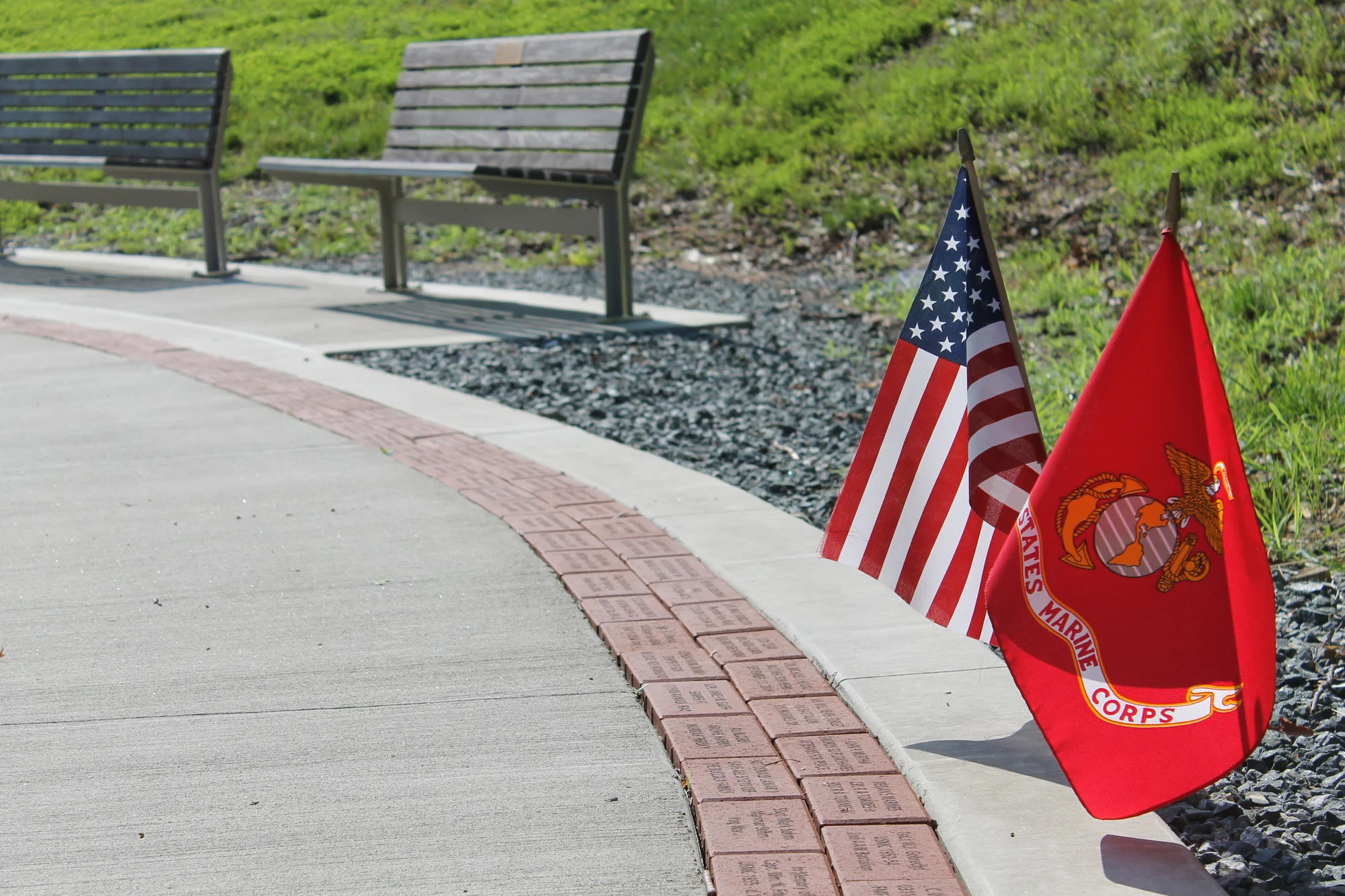
Rather than relying on government windfalls, the committee financed the memorial through community-funded brick pathways and collaborated closely with local businesses, individual donors and civic organizations to raise nearly $835,000 and complete the site on the Stafford government campus.
Living Memorials
Rather than constructing a monument meant solely for passive observation, a living memorial actively serves, educates and sustains the veteran community day in and day out. These memorials range from dedicated park landscapes to historical sites and clubhouses operating across the United States.
The Marines’ Memorial Association’s 1946 charter pioneered a profound evolution for memorials in the States, establishing the Marines’ Memorial Club as the nation’s first “living memorial” on Nov. 10, 1946, marking the 171st anniversary of the founding of the Corps. This 12-story landmark was conceived under the vision of Gen Alexander A. Vandegrift, the 18th Commandant of the Marine Corps who had led the 1st Marine Division through Guadalcanal, alongside a group of returning Pacific war veterans.
As these veterans stepped off into a civilian world that often struggled to comprehend what they had endured, they realized they needed more than a statue. They needed a sanctuary. They pooled their resources with the united goal of securing a building in downtown San Francisco, Calif.
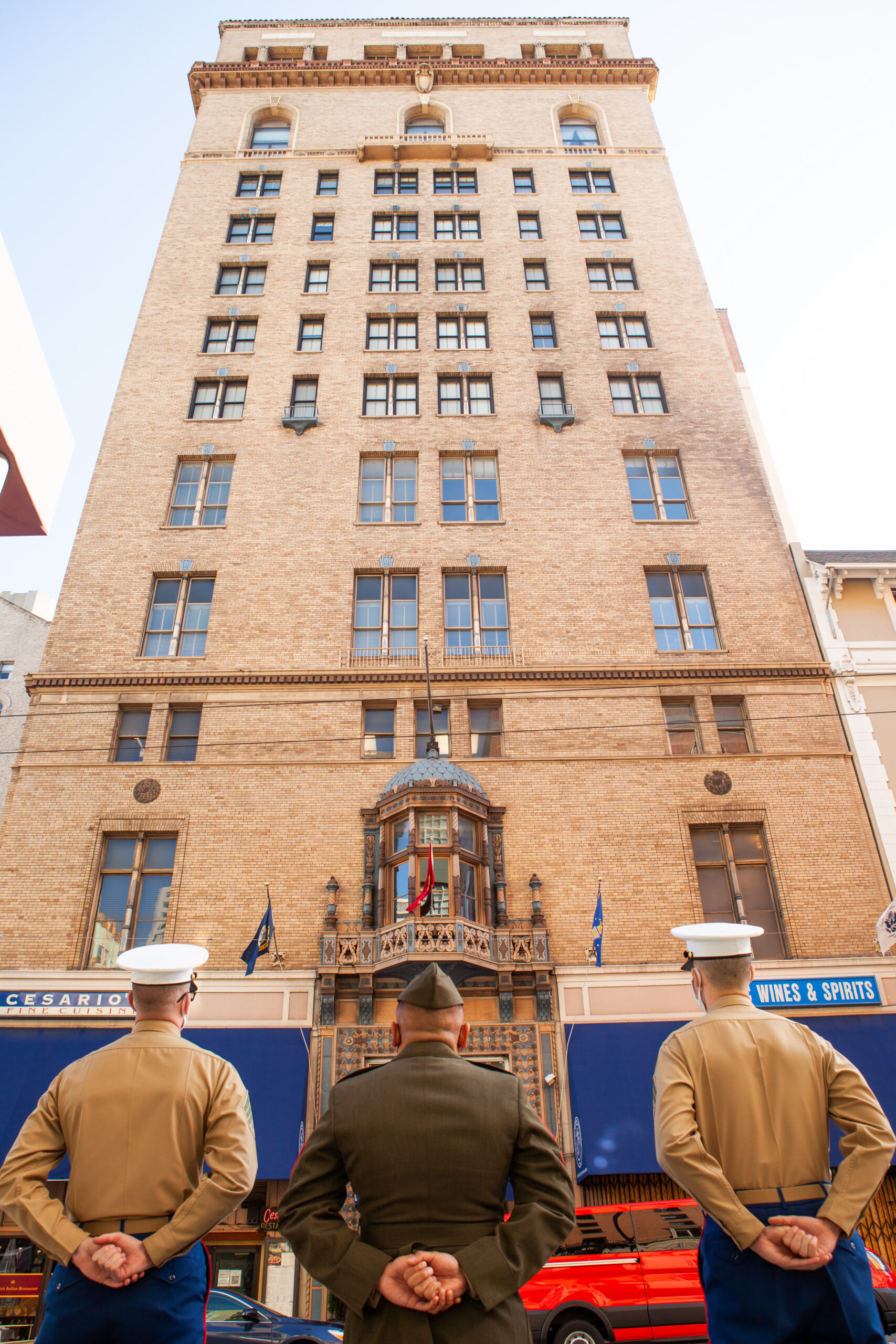
Today, the facility houses a comprehensive military history library and museum preserving rare archives, uniforms and artifacts; the Tribute Memorial Wall, honoring American servicemembers who made the ultimate sacrifice in the global war on terror; and lodging, dining and professional spaces dedicated to active-duty personnel, veterans and their families visiting the area.
To ensure this mission continues across generations, the Marines’ Memorial Association operates alongside the Marines’ Memorial Foundation, a 501(c)(3) public charity dedicated to funding educational programs, historical preservation and active support for military families.
It stands as proof that one of the best ways to honor the memory of a Marine is to take care of a living one.
Private Memorials
While national memorials command the attention of the country and local plazas rally entire towns, there exists an even more intimate tier of remembrance: the private memorial. These deeply personal tributes bypass bureaucracy entirely, finding their quiet homes in backyards, living rooms and private family sanctuaries.
If national memorials speak to the broad, collective history of the Corps, private memorials speak to an individual bond that time cannot touch. Often these spaces are constructed to symbolically bring a Marine home.
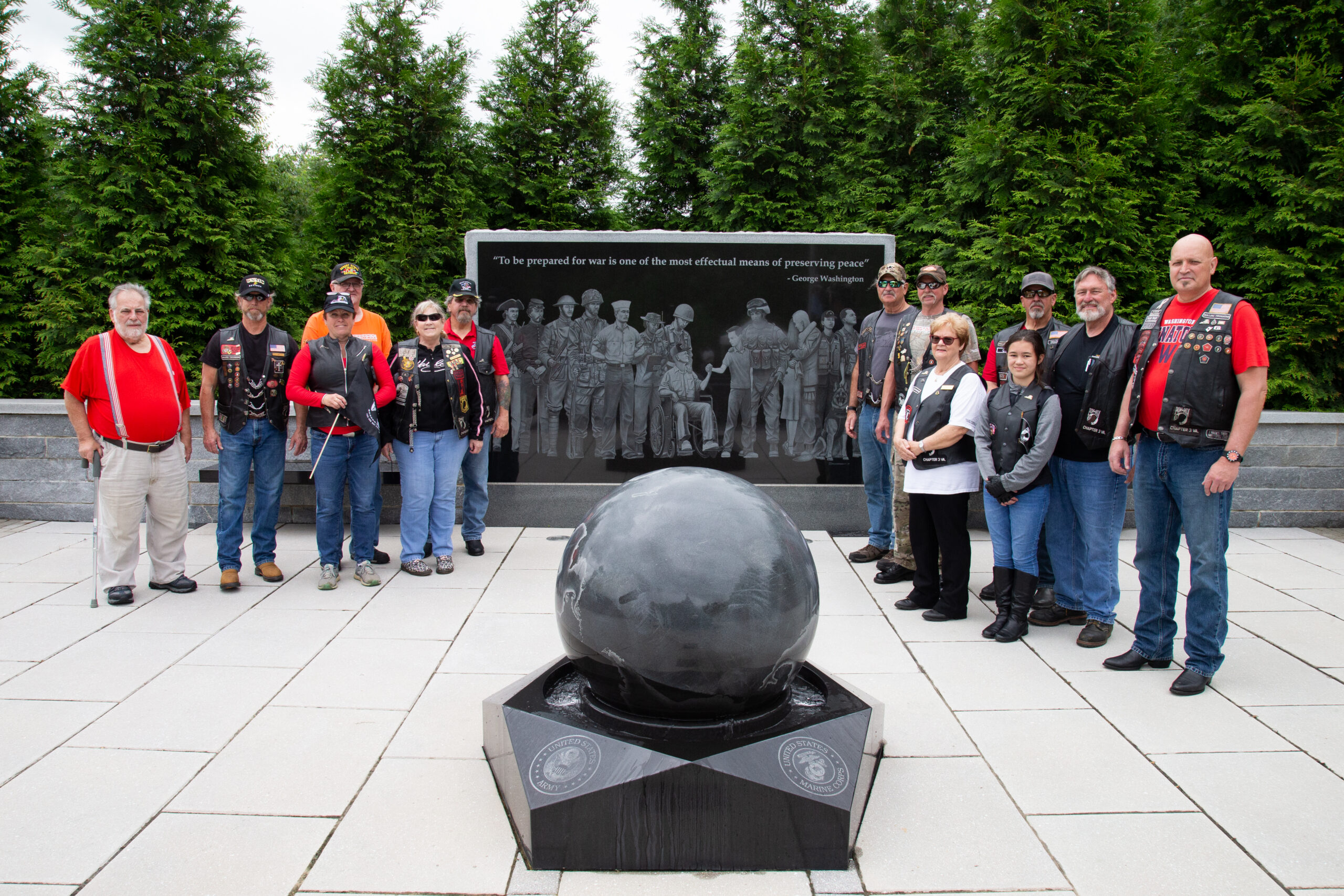
These tributes scale down to what can fit on a fireplace mantel, a garden bench or a corner of a home study. They frequently feature deeply personal artifacts: a folded American flag, a pair of polished combat boots holding a helmet with dog tags draped over the brim or a single engraved river stone placed beneath a shady tree. Devoid of structural permits or public oversight, they rely instead on brass shell casings fired at a final range qualification, dog-eared pocket notebooks or uniform ribbons pinned securely into shadow boxes.
If national memorials speak to the broad, collective history of the Corps, private memorials speak to an individual bond that time cannot touch
These spaces are not meant for public speeches or wreath-laying ceremonies. Instead, they are sanctuaries for a quiet cup of coffee in the morning, a silent toast at sunset or a private conversation. These private memorials remind us that remembrance is not just found in crowds around grand public monuments; it lives intimately in the everyday spaces and lives we inhabit. These are held as the most priceless memorials of all.
The Final Salute
A memorial, no matter its national, local or private scale, is, at its core, a pledge. It is an individual pausing to look at the sacrifice of a Marine and declaring: You are seen. You are remembered. Your watch is relieved, but your name will never fade.
Author’s note: Do you or your local veteran groups have a private memorial or a quiet space dedicated to a Marine? Leatherneck invites you to share your stories, photos and descriptions of these personal tributes by emailing us at [email protected].
Featured Photo (Top): Completed after a nearly decade-long endeavor, the Marine Corps War Memorial in Arlington, Va., stands as a physical testament to the immense dedication and years of labor required to transform an idea into a permanent national landmark.
About the Author

Kayla Workman is the editorial assistant for Leatherneck and a graduate student at the University of Alabama specializing in archival studies. She previously earned her bachelor’s degree in historic preservation from the University of Mary Washington.
Enjoy this article?
Check out these similar Leatherneck, Gazette, and Scuttlebutt features:
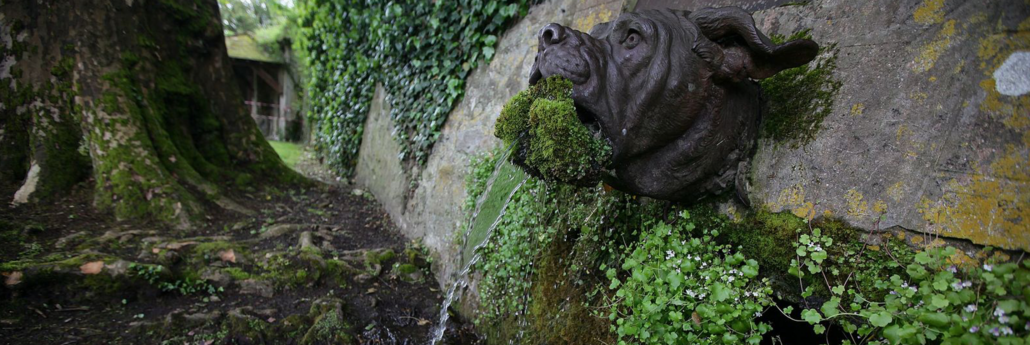
Return With The Elixir: The Psychology Of Pilgrimages To The “Devil Dog” Fountain
Leatherneck
June 2024
By: Heather A. Warfield, Ph.D.
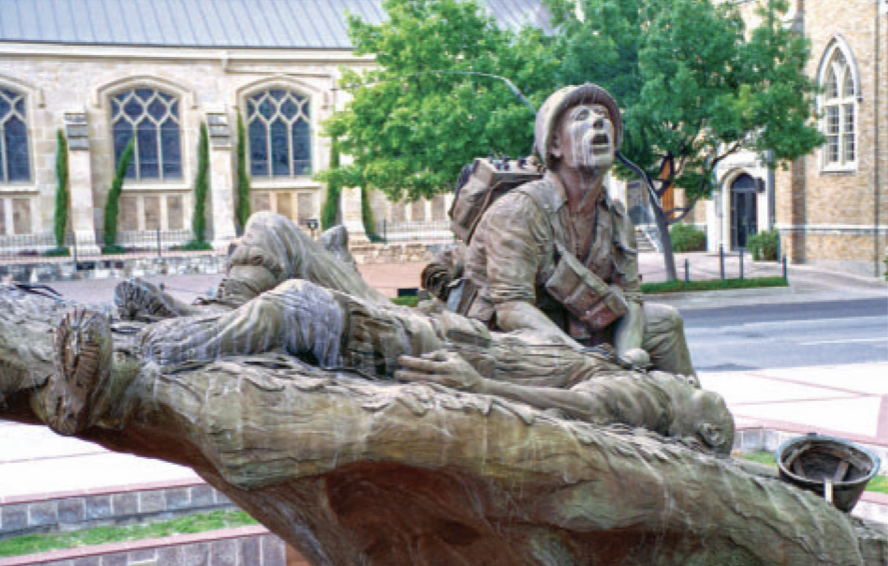
881 South and The Vietnam Veterans Memorial of San Antonio
Leatherneck
August 2012
By: Albert J. Nahas
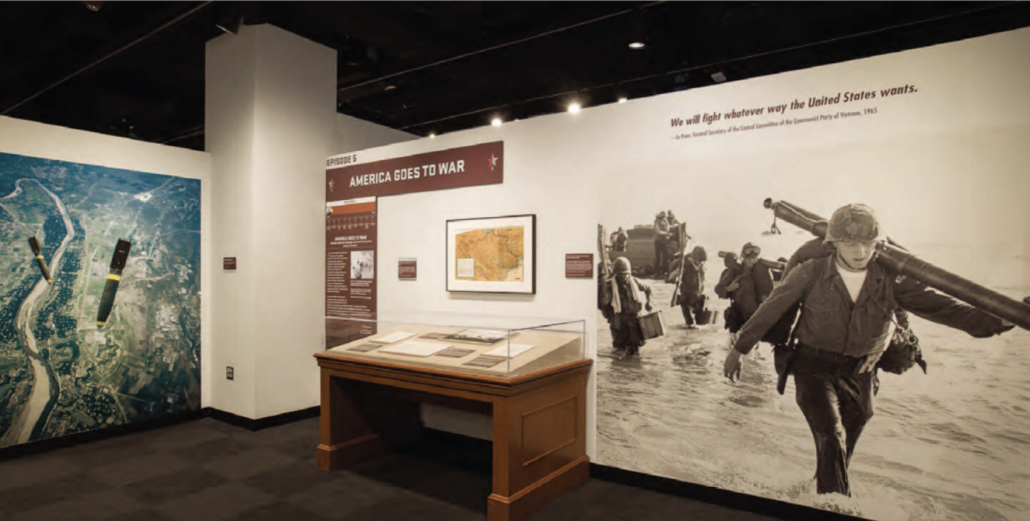
Remembering Vietnam: Honor Flight Veterans Welcomes, Honored at National Archives’ Exhibit Opening
Leatherneck
January 2018
By: Sara W. Bock and Nancy S. Lichtman