


by Maj John F. Schmitt, USMCR
This scenario is the reverse of TDG #91-3, “The Attack on Narrow Pass,” which appeared in MCG, Mar91 and met with controversial response. In that scenario you were a platoon commander assigned the mission of guarding the advancing battalion’s left flank. In the course of events, the battalion struck strong enemy forces defending Narrow Pass while no immediate threat developed on the left flank. Readers were strongly divided between maintaining the flank guard mission despite the lack of a threat there and taking the initiative to help the battalion. Do you think deciding how you would handle the situation if you were in the enemy’s shoes could affect your response to the original scenario?
The Situation
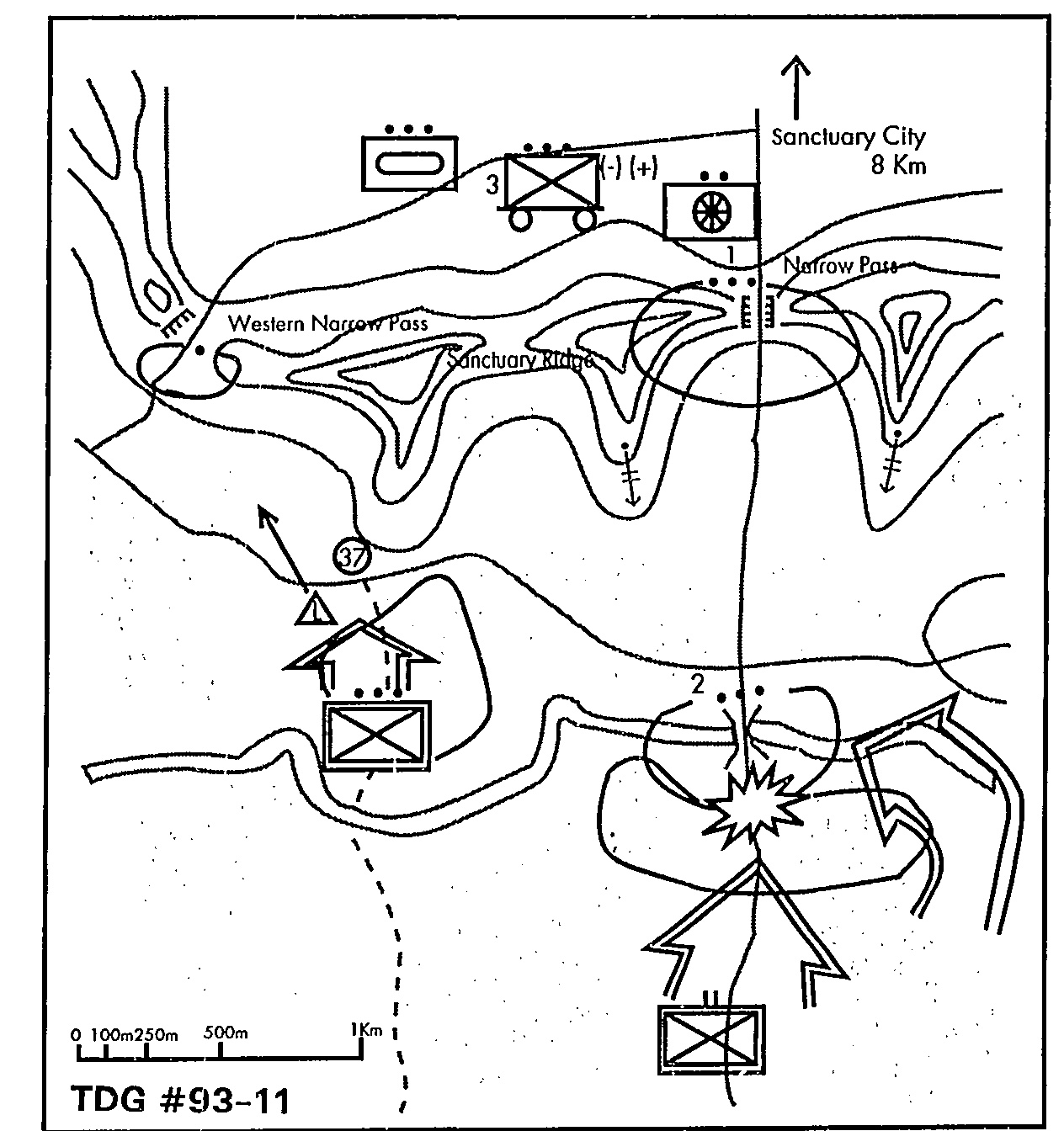
 You are the commander of Company H, 2d Battalion, 4th Marines. You are reinforced with two heavy machinegun squads (each squad consisting of an M2HB caliber .50 machinegun and a Mk19 automatic 40mm grenade launcher), a tank platoon, a section of Dragons (attached to your platoons), and enough trucks to carry your company. The enemy has landed a helicopterborne force at Sanctuary City to the north, which friendly forces have surrounded. The enemy is attacking north with ground forces to link up with its helicopterborne force, whose situation is becoming desperate. Your mission is to halt or delay the enemy relief attack for as long as possible in the vicinity of Narrow Pass. The terrain south of Sanctuary Ridge is generally rugged and undeveloped with thick vegetation and severe relief. The enemy consists of infantry with a limited numbers of tanks.
You have decided to defend Narrow Pass and the spurs to either side with 1st Platoon reinforced with the heavy machineguns. You send 2d Platoon forward as an outpost in the vicinity of the dry gully to the south, with plans to withdraw it through Narrow Pass. The heavy machineguns from the ridge can support your outpost with overhead fires even at night (because you have used field-expedient depression stops on the machineguns). You hold western Narrow Pass with a rifle squad from 3d Platoon reinforced with M60 machineguns. The tank platoon and the rest of 3d Platoon are in reserve north of the ridge, under the command of the tank platoon leader. Your trucks are located north of the ridge.
About 2030, 2d Platoon reports contact with a sizable enemy infantry force moving north toward Narrow Bridge. The platoon commander reports the enemy to be “at least battalion strength. I can hear a few mech vehicles, but I don’t see any yet.” About the same time, one of your listening posts (LPs) gets handled roughly by an enemy platoon in the vicinity of Checkpoint 37. The LP breaks contact and flees back to western Narrow Pass.
2d Platoon is involved in a pretty good skirmish near the bridge, dishing out better than it’s getting. Your heavy machineguns are having an effect. Suddenly, your heavy machinegun position on the spur immediately west of Narrow Pass comes under accurate machinegun fire from the southwest. Meanwhile, 2d Platoon reports a significant enemy force attacking its left (east) flank. The squad at western Narrow Pass is trying to regain contact with the enemy patrol, but as of yet has not succeeded.
What do you do?
Requirement
In a time limit of 5 minutes provide instructions to your units in the form of the fragmentary order you would issue. Include plans for the use of supporting arms. Then give a brief explanation of your rationale. Send your solution, typed doubled spaced, to the Marine Corps Gazette, Tactical Decision Game #93-11, P.O. Box 1775, Quantico, VA 22134.
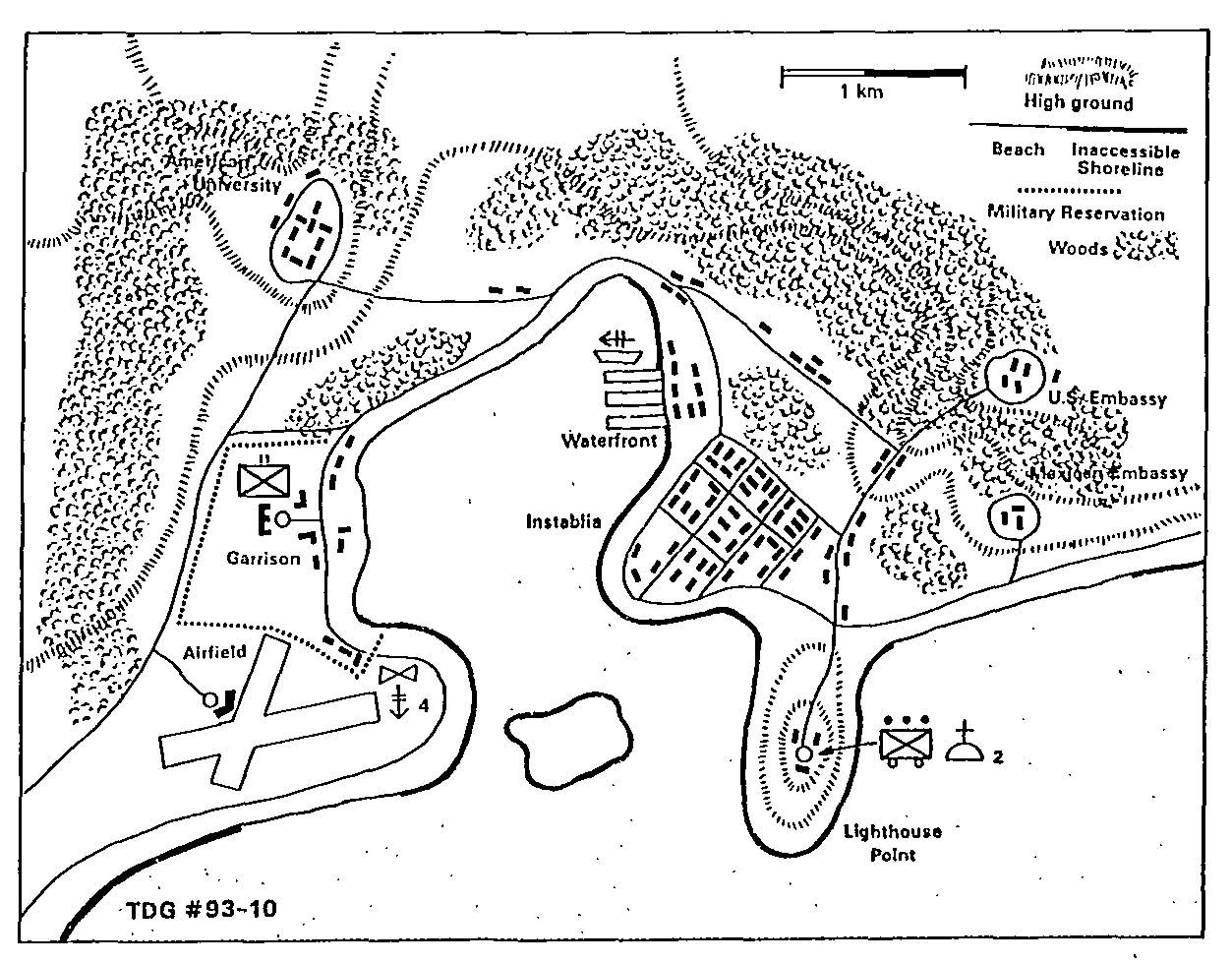
 You are the operations officer of 26th Marine Expeditionary Unit, or 26th MEU(SOC), organized as follows:
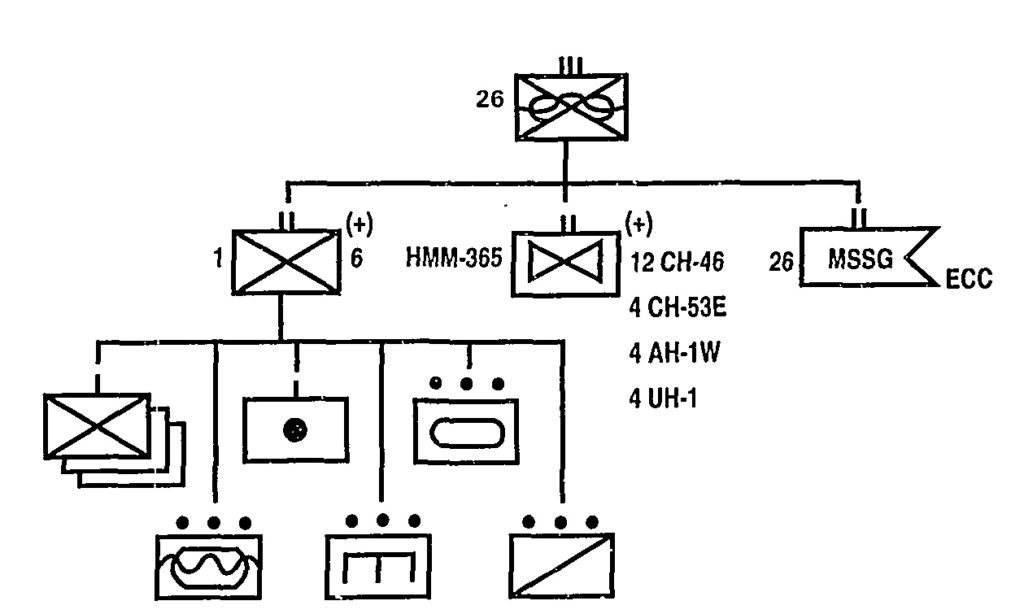 Develop your evacuation plan. It is not necessary to write a complete operations order, but describe your concept of operations, tasks or phases, contingency plans, and coordinating instructions. Provide a sketch of your plan and a brief explanation. Send your solution to Marine Corps Gazette, TDG 93-10, P. O. Box 1775, Quantico. VA 22134.
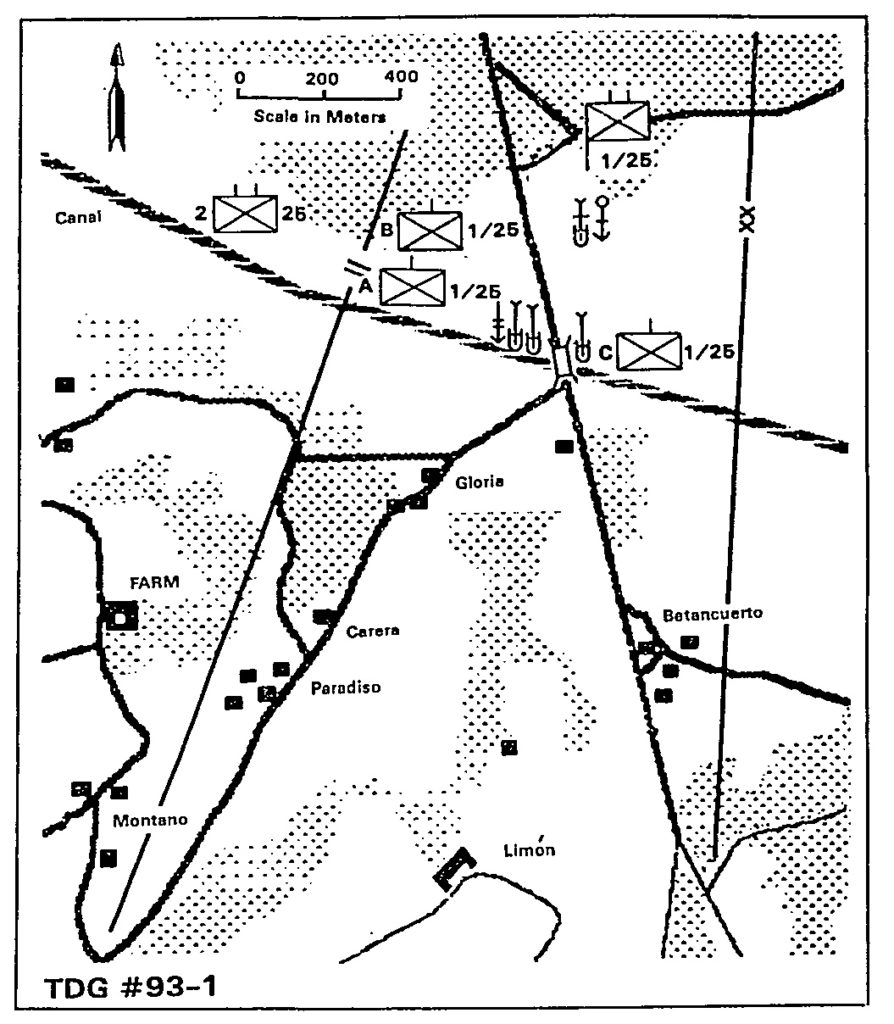
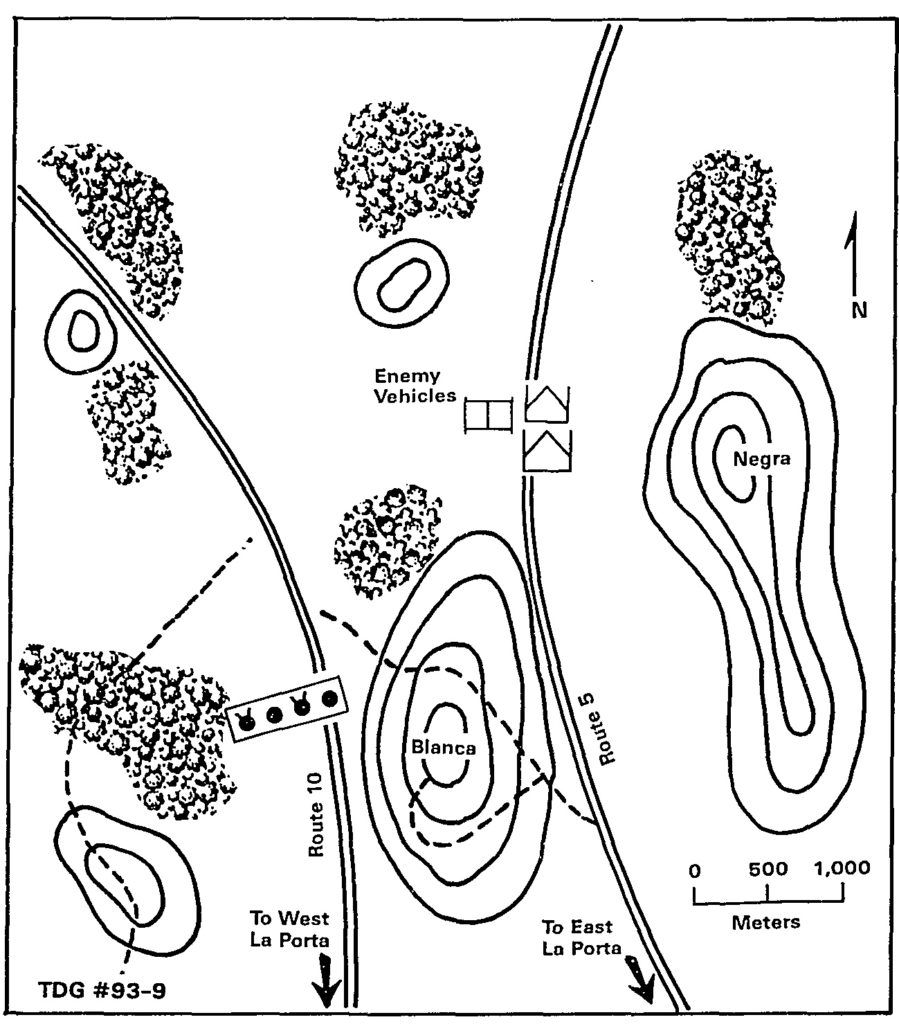 You are the company commander of Company B, 1st Reconnaissance Battalion, (Light Armored). Your company consists of three platoons, each of four LAV-25S, your own LAV-25, your executive officer’s LAV-C2, a section of four LAV-ATs, an attached section of four ATs from Company C. and your company combat trains of a LAVR. three LAV-Ls, and two HMMWVs. A squad of engineers also has been attached. Additionally, you have the platoon of eight LAV-Mortars, equipped with 81mm mortars, in direct support of your company.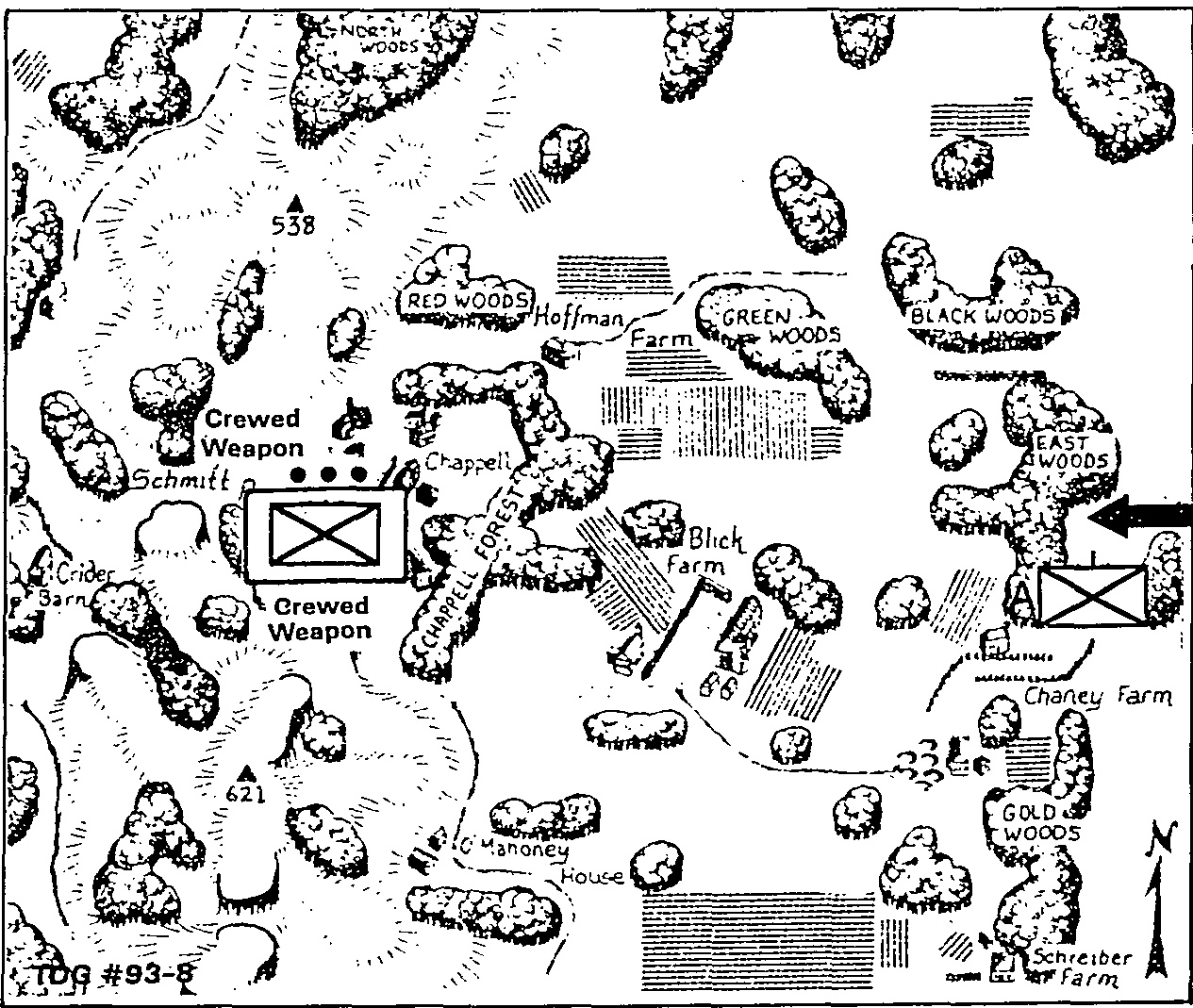
 You are the commander
  In a time limit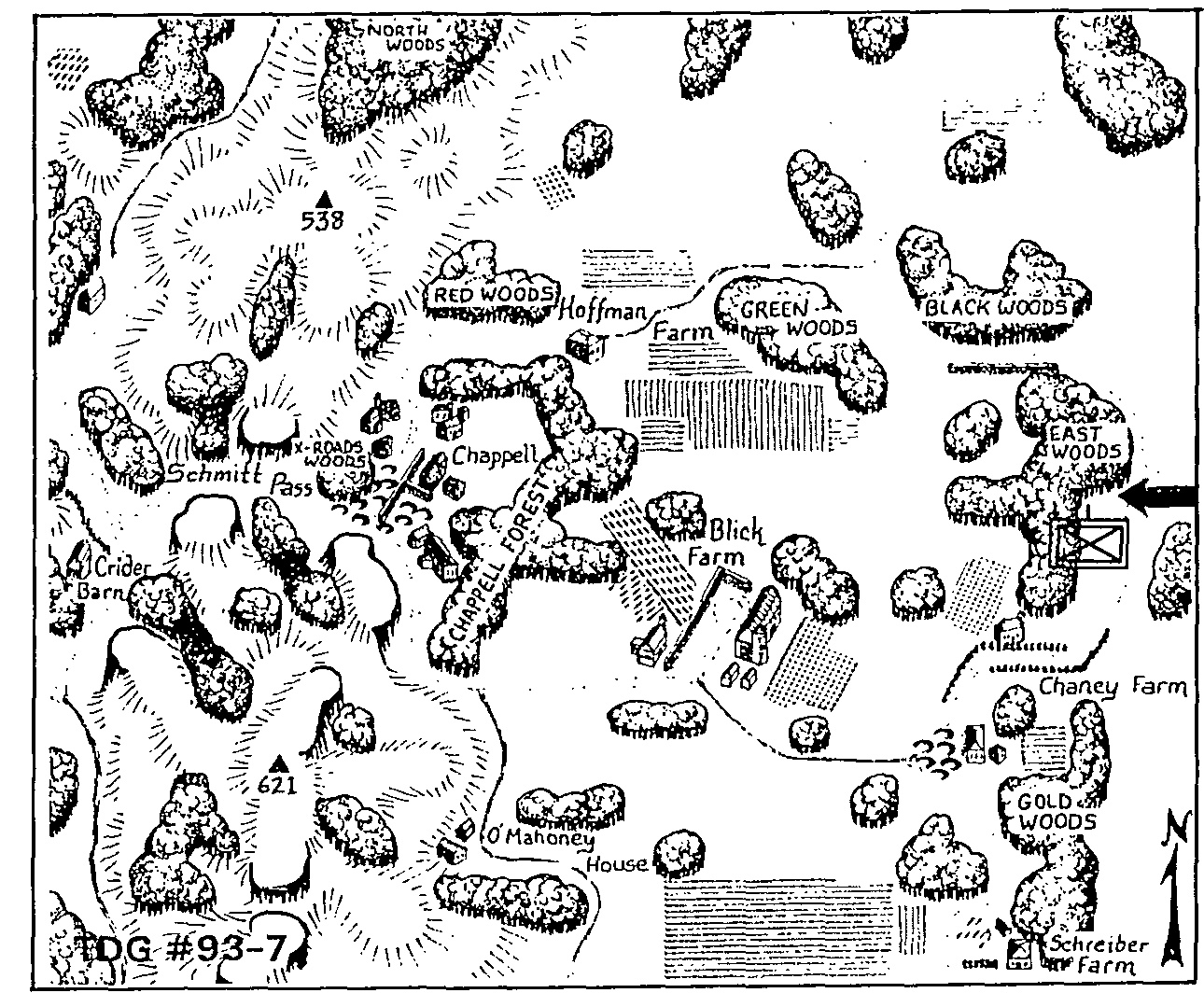
 You are the platoon commander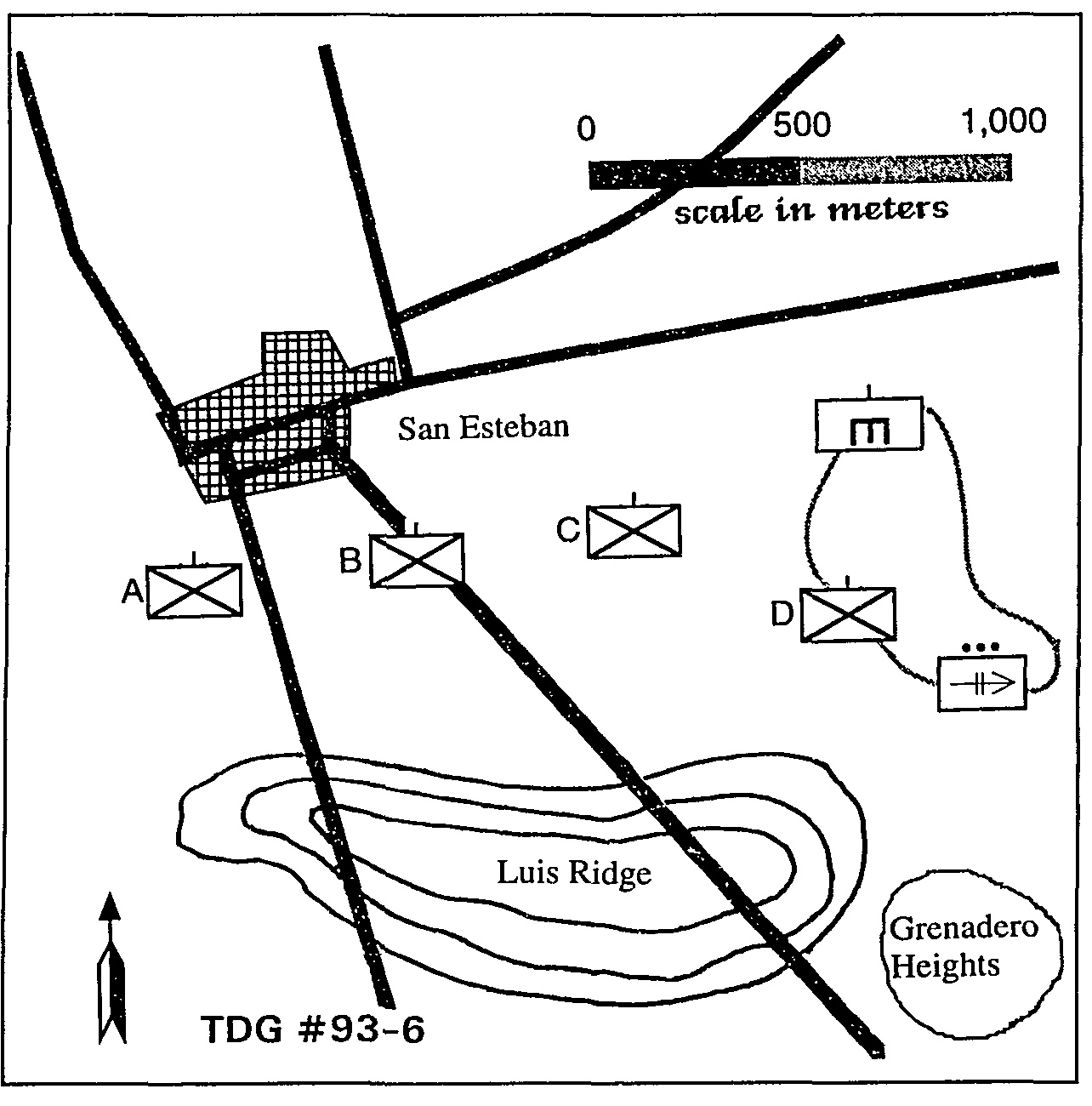
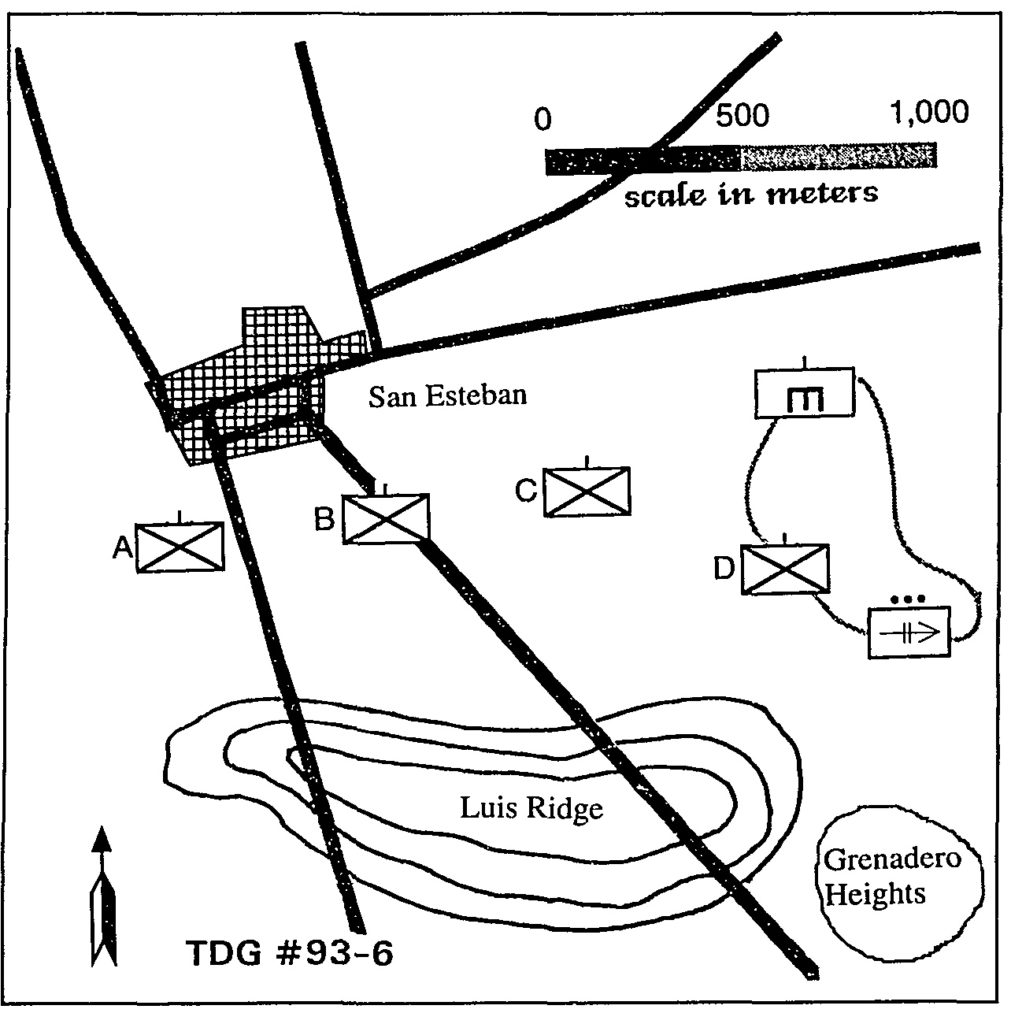 It was the kind of war that nobody, except perhaps a few grizzled veterans of the great conventional wars that had ended more than 50 years before, had ever expected America to fight. We were too civilized, the idealists had claimed. We were too interdependent, the business people argued. And even the hard-headed military thinkers were convinced that modern weapons had made all but the briefest wars impossible.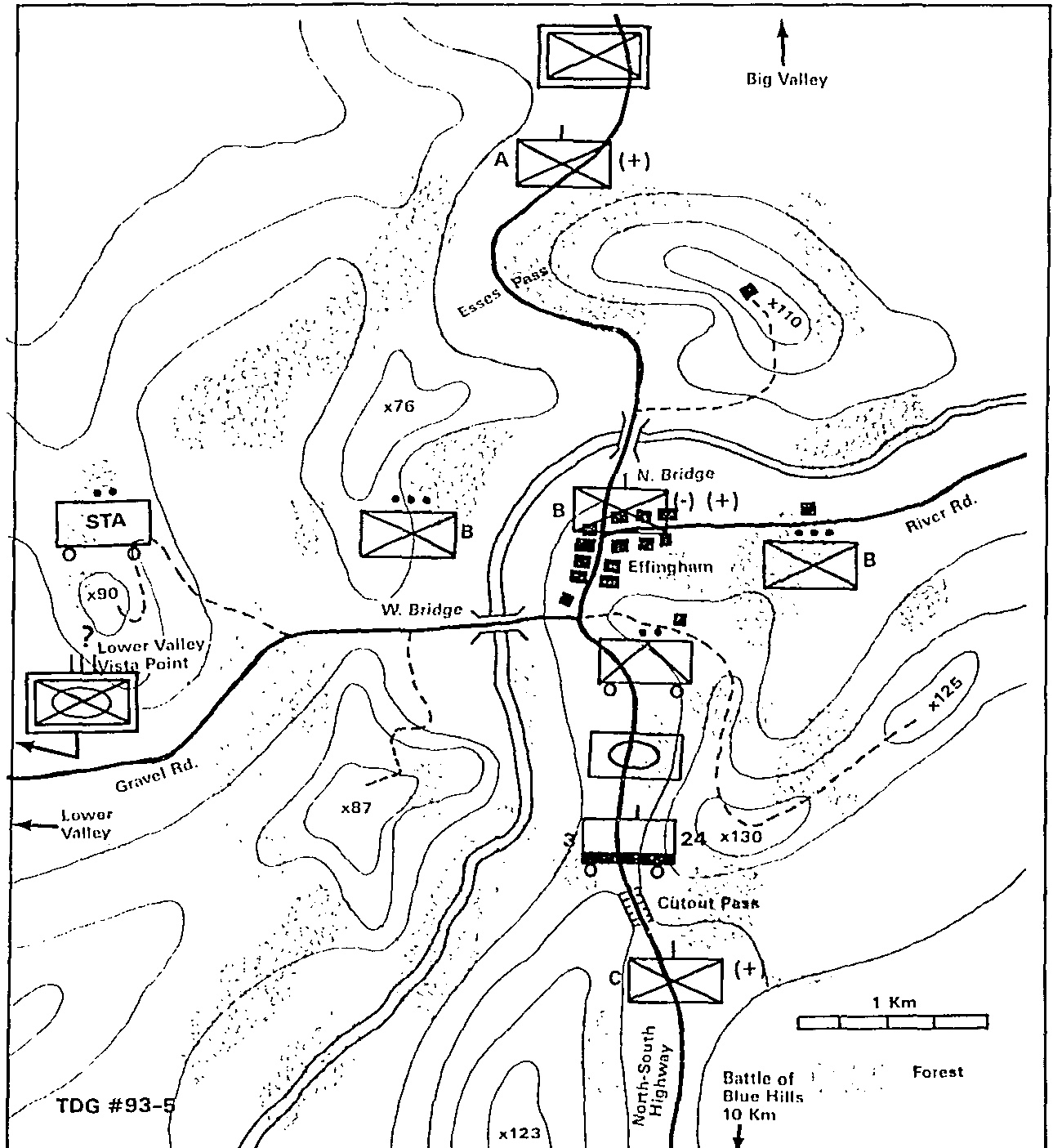
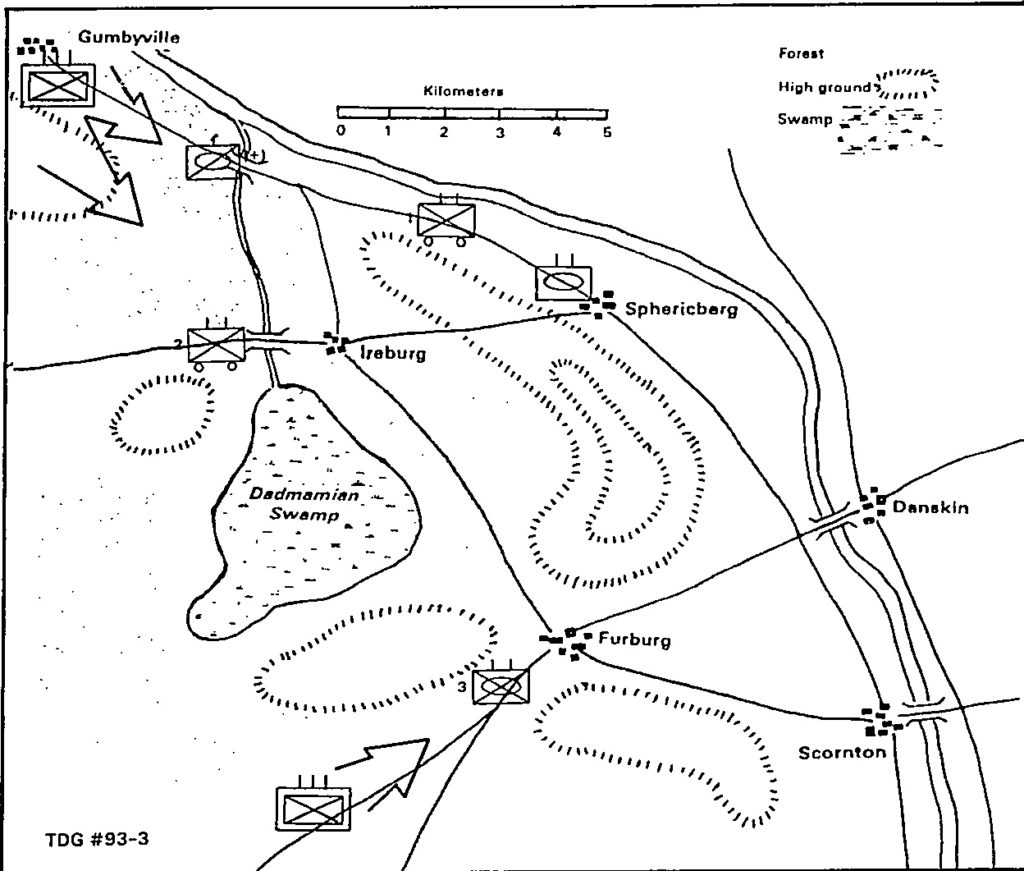
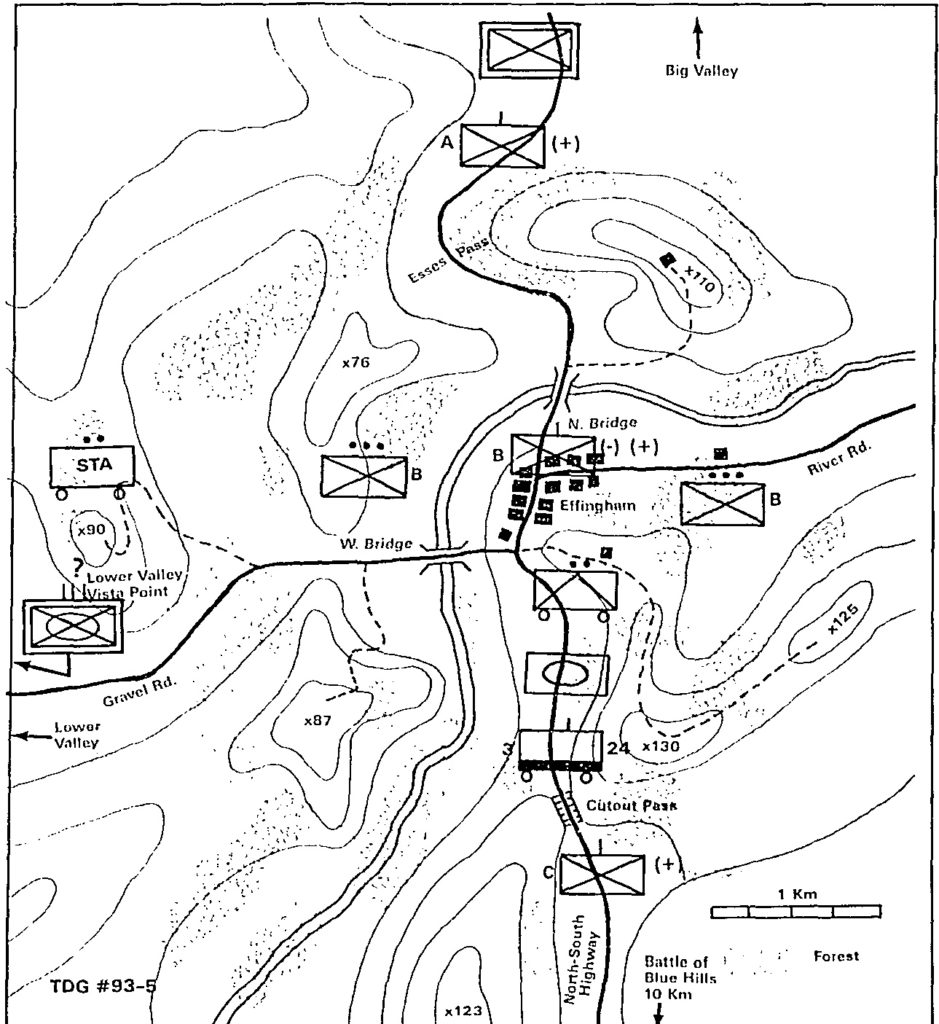 You are the commander of 1st Battalion, 24th Marines. Division has been attacking steadily north against weakening enemy resistance; your regiment has been advancing rapidly on North-South Highway, and 4th Marines are making only slightly less progress on a parallel axis to the west. After battering the enemy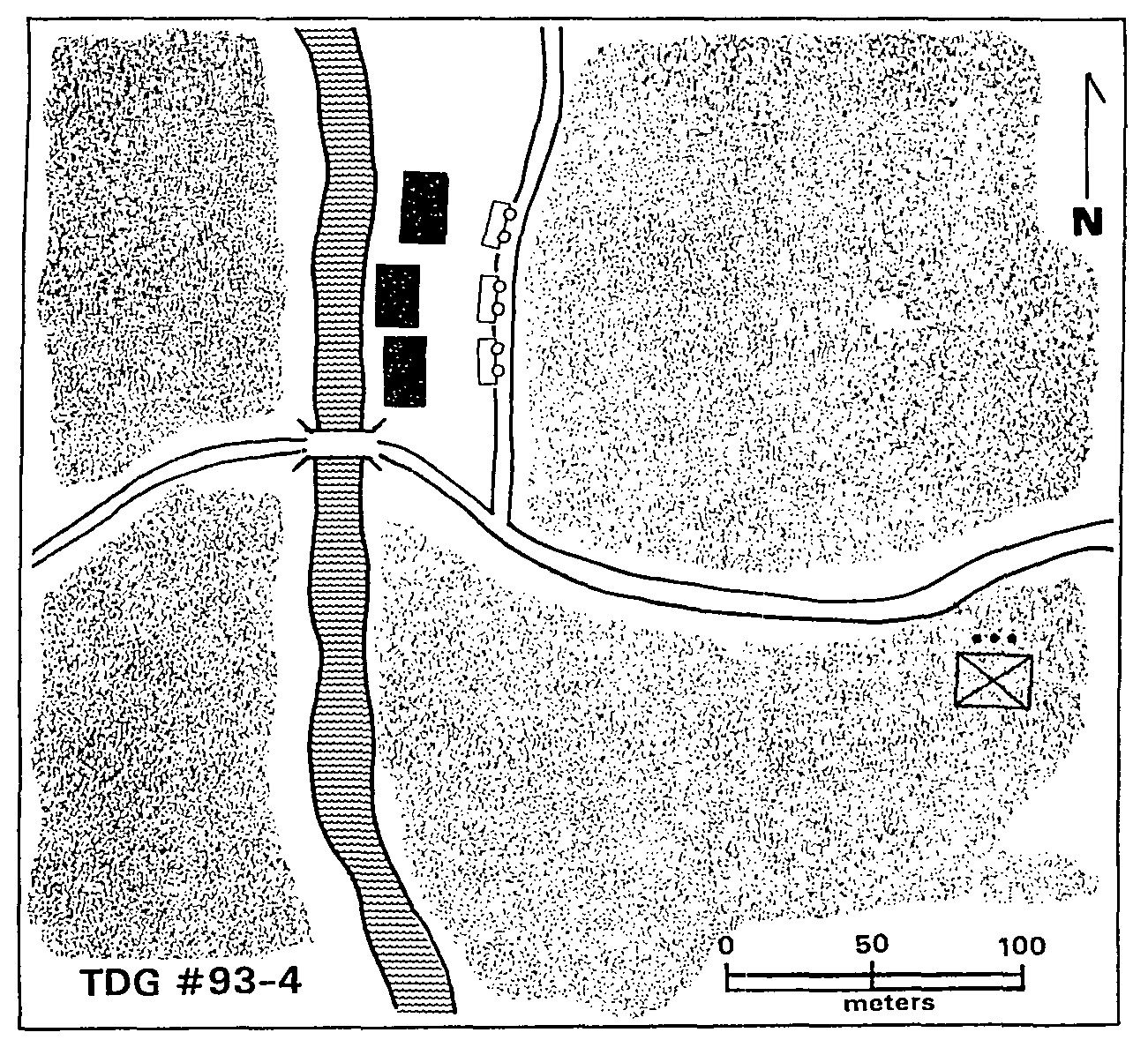
 The
The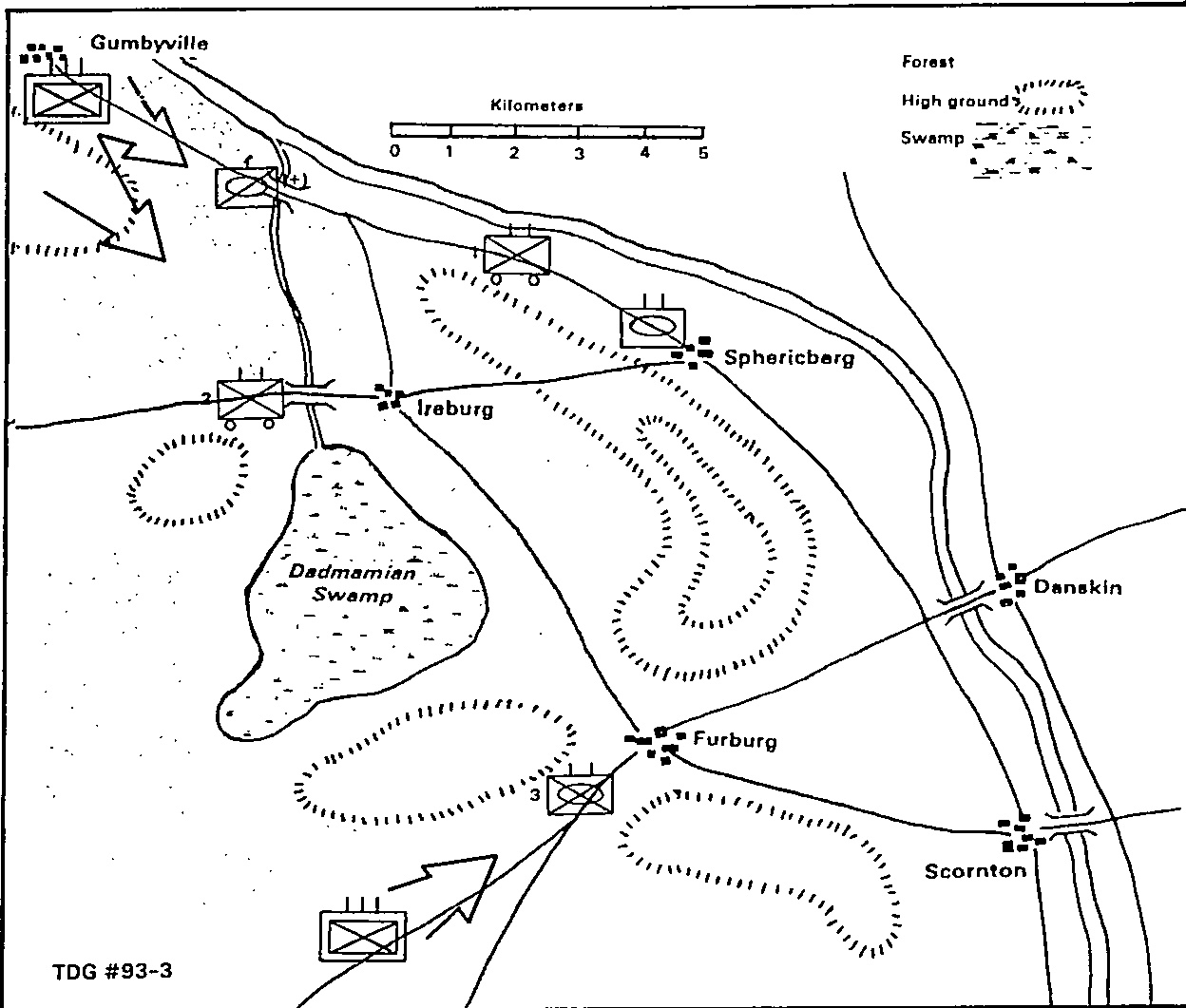
 You are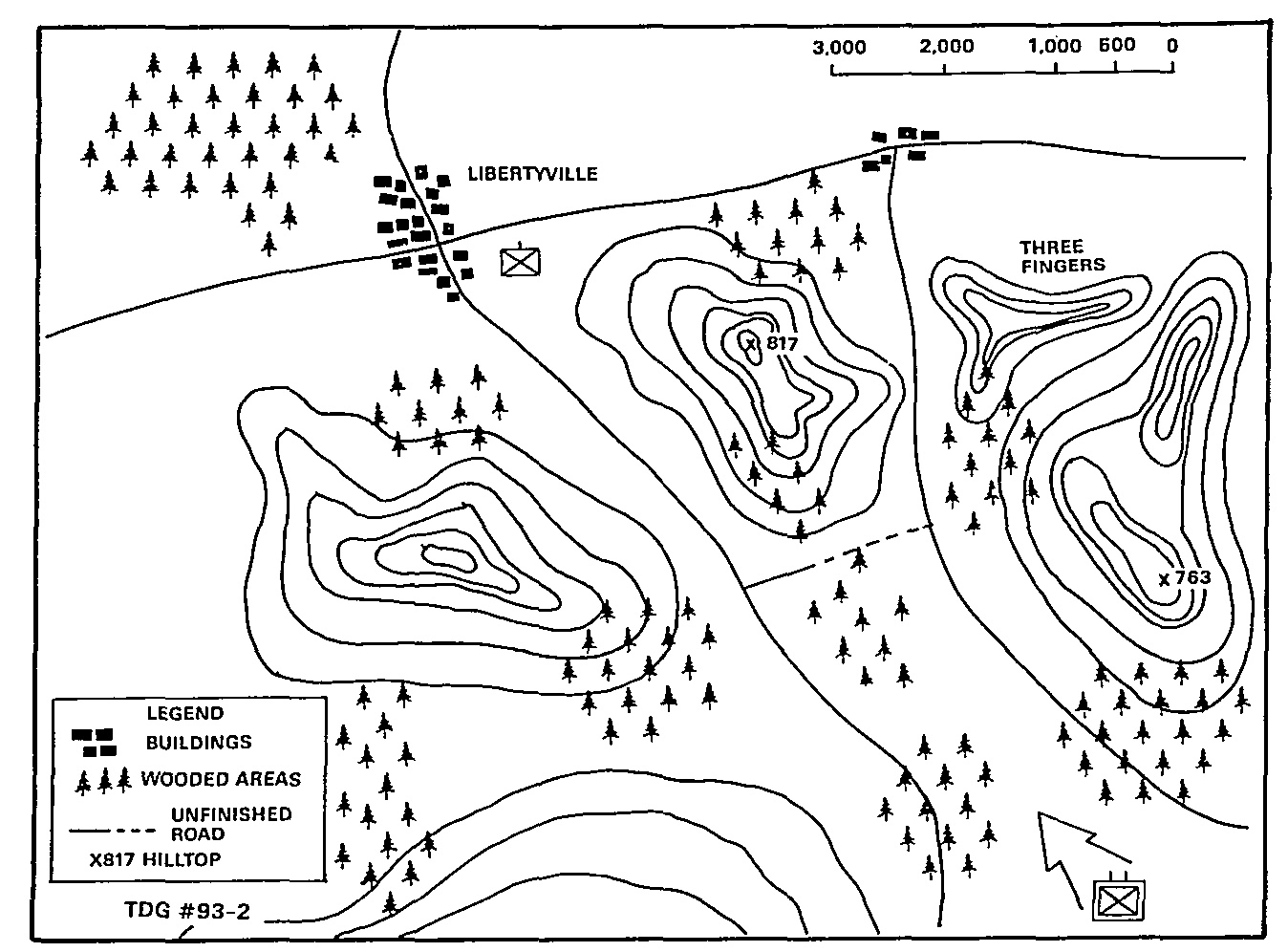
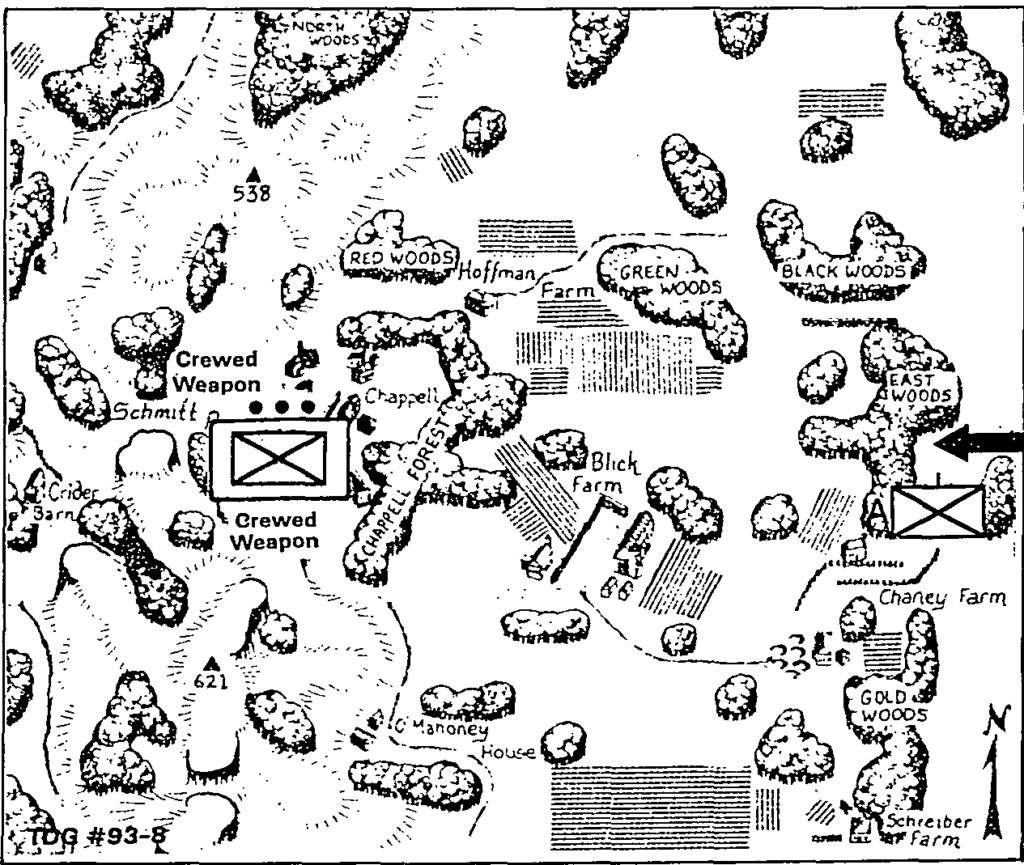
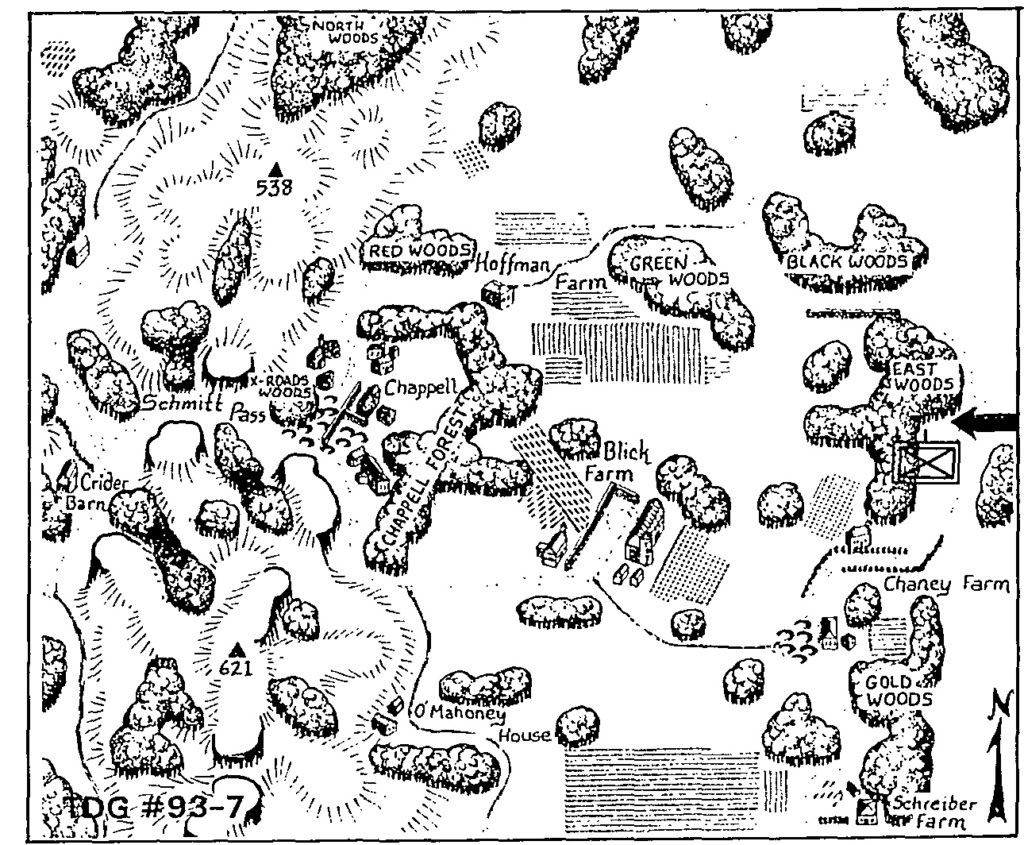
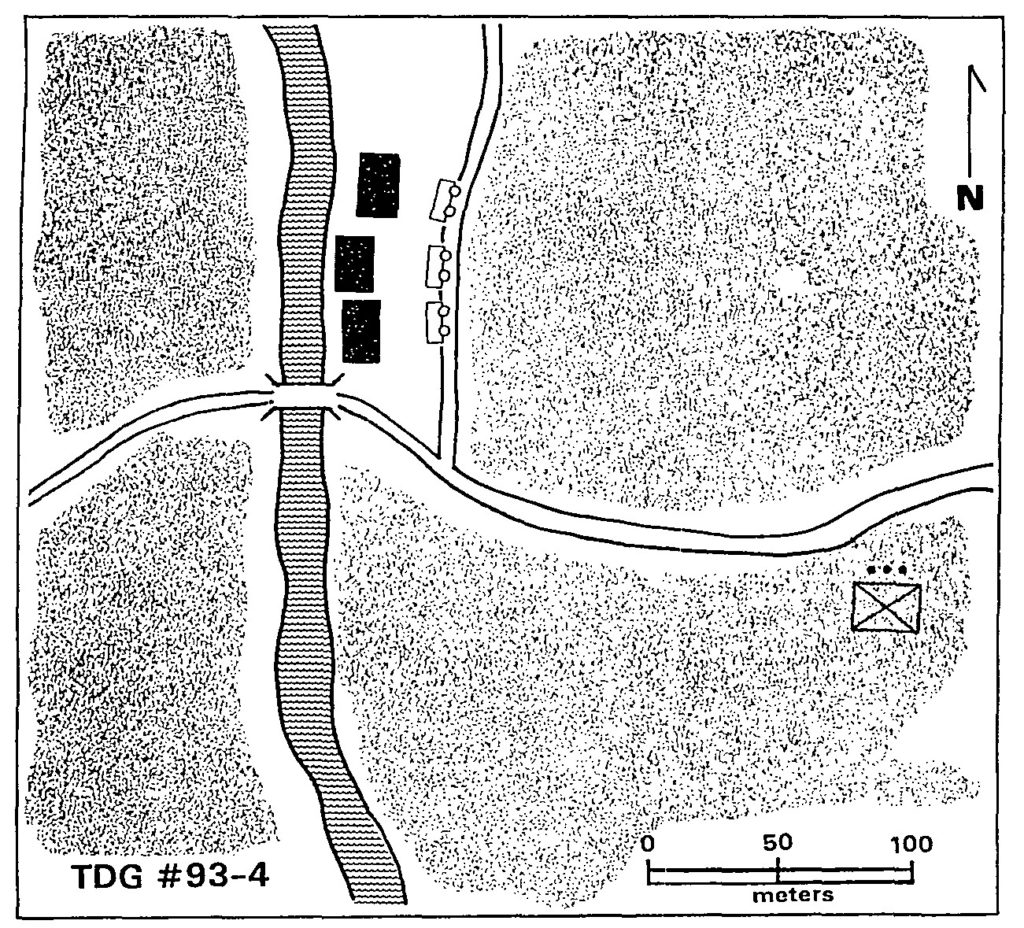
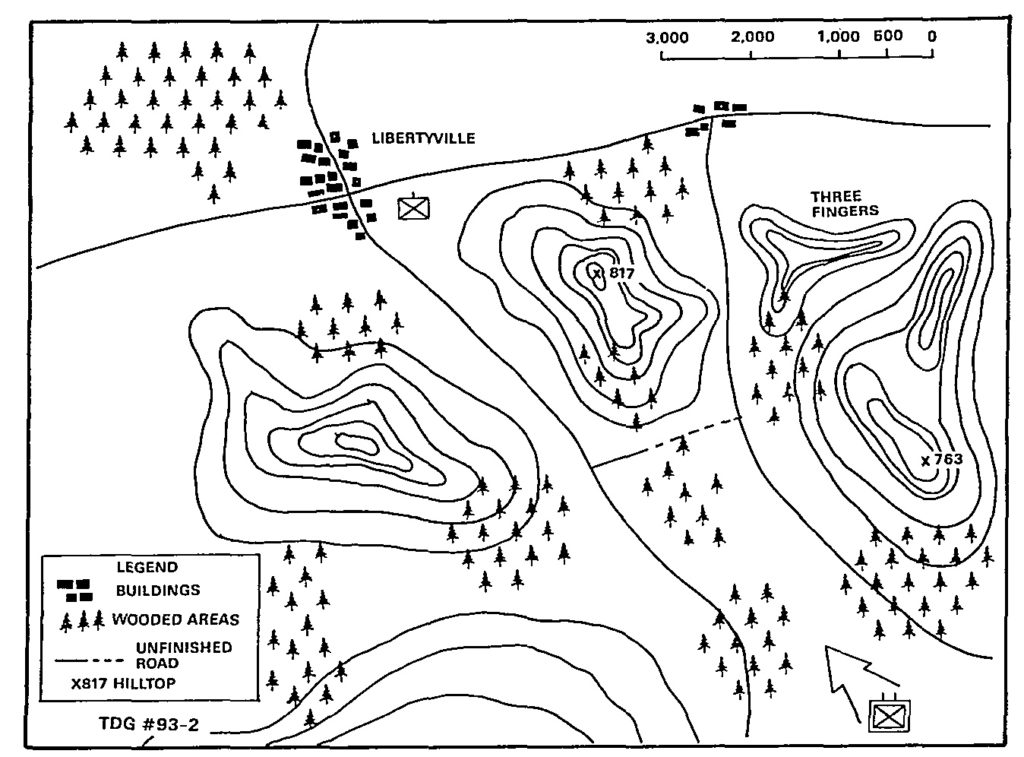 You are the company commander of Company A, 1st Battalion, 2d Marines. Your company consists of three rifle platoons and a weapons platoon mounted on trucks. In addition, you have a tank platoon, two squads of TOWs, and two squads of heavy machineguns on HMMWVs. For the past few days your battalion has taken a pretty good beating from an enemy regiment and has been withdrawing to the north in the face of the enemy advance. Since yesterday, you’ve outrun the majority of the enemy by several miles; however, one of his battalions still doggedly pursues you. It is estimated that this battalion consists of three line companies on trucks, a platoon of tanks, a platoon of BRDM armored reconnaissance vehicles, and a platoon of infantry on BMPs, armored infantry fighting vehicles.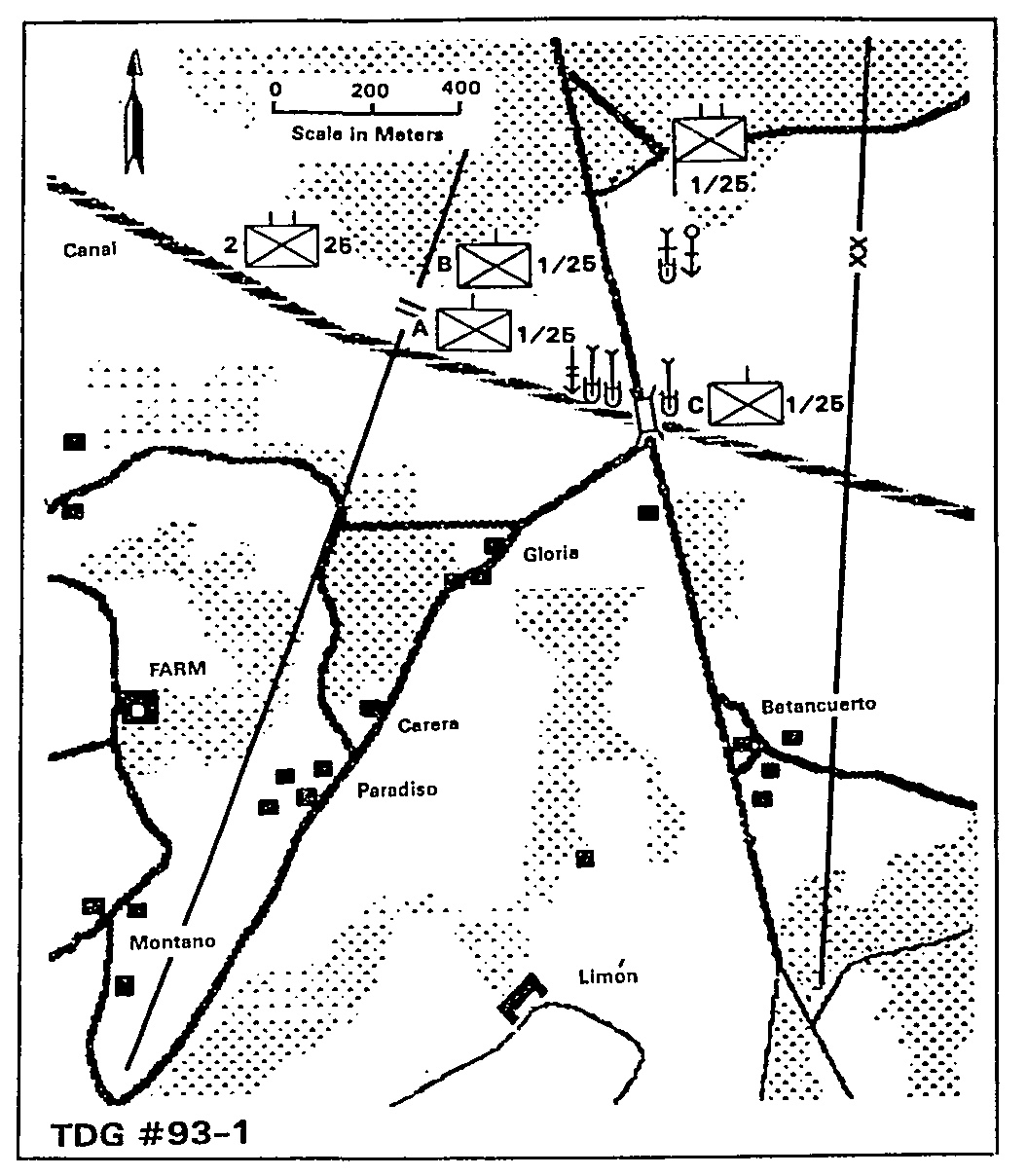
 The
The