

Building Leaders by Building Community
Posted on: February 05,2026I didn’t set out to be a leader or an advocate. Like many military spouses, I became involved in my community out of necessity, not ambition. I was navigating frequent transitions, learning how the Marine Corps community functioned, and trying to find stability in a life that often felt anything but stable. What I didn’t realize at the time was that simply showing up, asking questions, listening, and saying yes before I felt ready was quietly shaping my leadership journey.
My introduction to leadership development came through the Family Readiness Program. At first, I viewed it as a support system: a place to get information, understand resources, and connect with other spouses who “got it.” But over time, I began to see something deeper. Family Readiness wasn’t just about disseminating information; it was about building trust, creating connection, and empowering spouses to support one another. It was leadership in its most practical and human form.
What I observed in the community was a mix of resilience and quiet struggle. Military families are incredibly capable, but that capability is often mistaken for a lack of need for support. I saw spouses juggling deployments, careers, parenting, and constant relocation, often without complaint or connection. Many didn’t know where to turn, while others believed their challenges weren’t significant enough to ask for help. I also noticed something else: spouses who wanted to contribute but didn’t see themselves as leaders because they didn’t hold a title or formal position.

That realization shifted my perspective. Leadership is not about authority or visibility but about awareness and community impact. It means noticing gaps, asking questions, and stepping up when needed. My Family Readiness involvement evolved from communication support to mentoring new spouses. This experience taught me: true leadership develops through community, not isolation.
What I did wasn’t extraordinary. I showed up, listened before acting, and worked to create spaces where people felt welcomed and valued. Sometimes that meant connecting someone to a resource or helping them navigate a system. Other times, it meant encouraging a spouse to step into a role they didn’t think they were qualified for. Again, I saw the same pattern: when people feel trusted and supported, they step into leadership in powerful ways.
As my leadership roles expanded beyond Family Readiness, into nonprofit work, board service, and community advocacy, the same principles applied. What worked was building teams, sharing ownership, and developing others. Sustainable impact comes from collective effort, clear communication, and mutual respect.
Leadership development requires intentionality. Burnout is real, especially in volunteer-driven spaces. I learned the importance of setting boundaries, defining clear roles, and building systems that support people rather than exhaust them. When leadership is shared and expectations are clear, people stay engaged longer and contribute more meaningfully. Community thrives when individuals are empowered, not overextended.
One lasting lesson stands out: building community creates leaders. Strong communities don’t happen by accident; they grow from people investing in relationships and listening to each other. Every time I nurtured someone’s development, the whole community became stronger, as did my own leadership.
Personal growth has been inseparable from my leadership journey. Leadership challenged me to confront my own limitations, communication habits, and assumptions. I had to learn how to give and receive feedback, lead through collaboration rather than control, and trust others with responsibility. Confidence wasn’t something I waited for; it was something I built by taking action, reflecting, and adjusting along the way. Growth came steadily because I stayed committed to learning.
For military spouses who want to make a difference but aren’t sure where to start, my advice is simple: you don’t need permission to lead. Start where you are. Pay attention to what your community needs. Ask how you can help and be open to learning as you go. Leadership doesn’t require a title or years of experience. It requires willingness, consistency, and care.
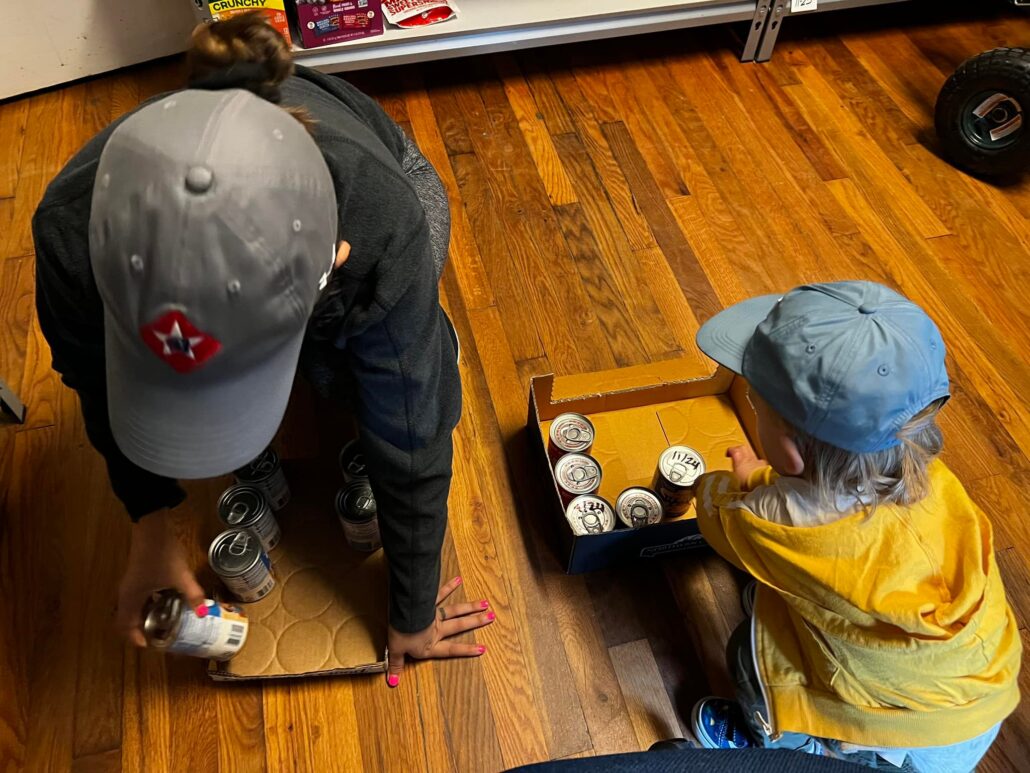
You don’t have to fix everything, and you shouldn’t try to. Focus on one area where you can make a meaningful contribution. Build relationships before building programs. Trust that small, intentional actions add up over time. Community building is reciprocal; you will grow just as much as the people you support.
Looking back, the journey was never about titles or ladders. True leadership means creating opportunities, investing in others, and building communities. By doing this, we not only address needs but also develop future leaders who will carry the work forward.
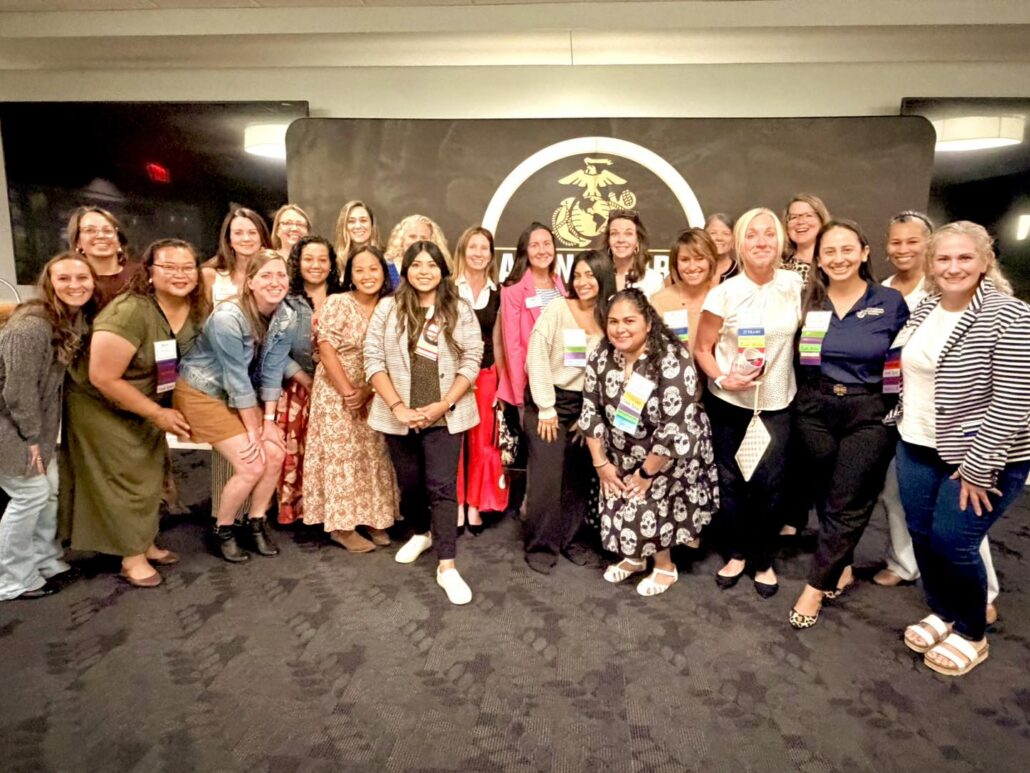
This is a lasting impact and why building community always matters: leaders grow and thrive together.
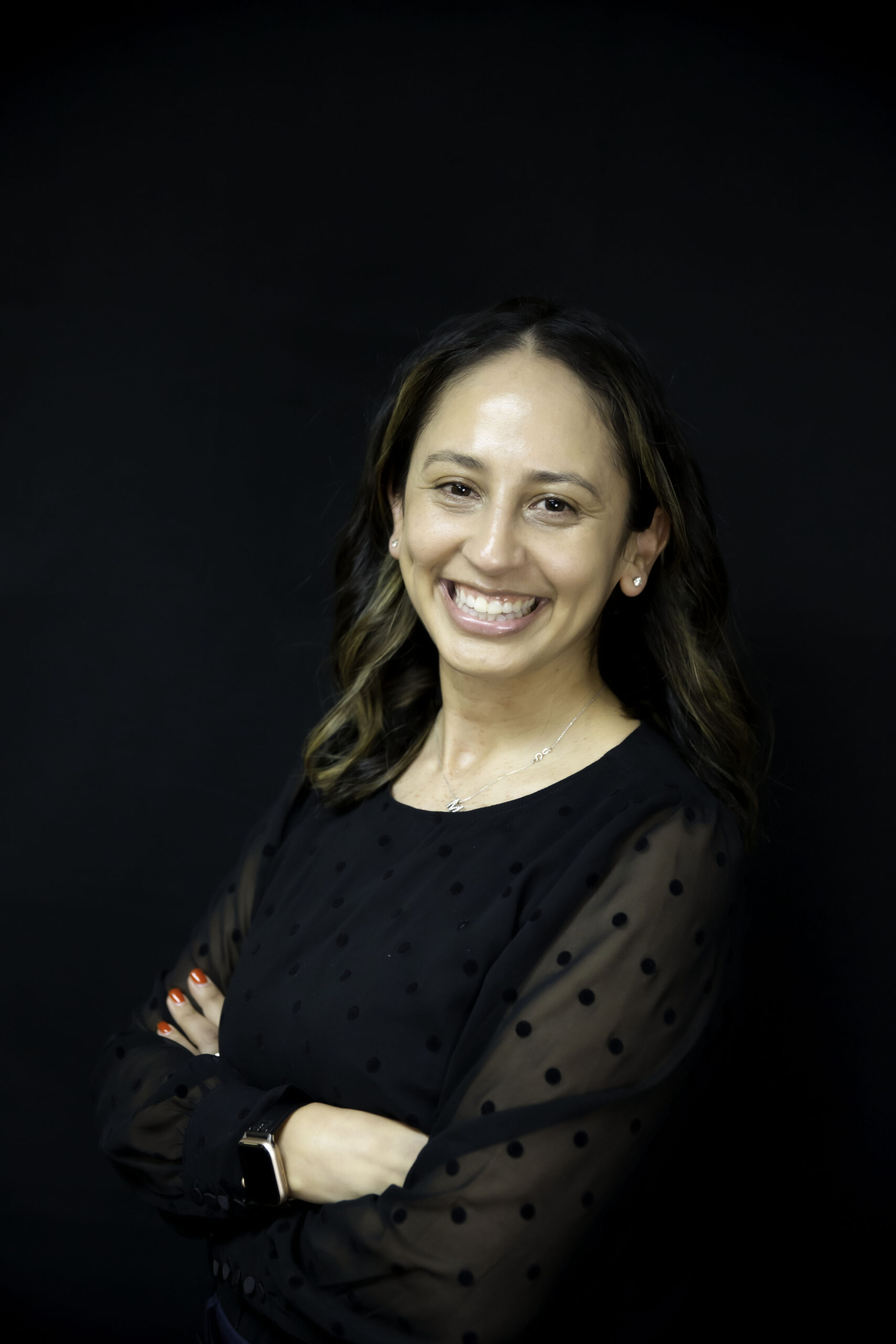
Berlinda Castillo is a dedicated advocate, leader, and mentor within the Marine Corps community, committed to strengthening and uplifting military families. She currently serves as President of the Camp Lejeune Leadership Seminar (CLLS), a highly sought-after program that empowers military spouses with the tools, confidence, and connections needed to thrive in military life.
Through her extensive volunteer service with Family Readiness programs, Berlinda creates inclusive, engaging spaces where spouses and families feel welcomed, supported, and valued. Known for her empathy, vision, and commitment to equity, she champions mentorship, leadership development, and culturally inclusive programming that reflects the diversity of the Marine Corps community.
Her impact has been recognized locally, nationally, and regionally. Berlinda was named MCA 2025 Community Catalyst of the Year for the East Region, along with honors such as Mighty MilSpouse – Camp Lejeune (2025), Armed Forces Insurance Military Spouse of the Year – Camp Lejeune (2023), multiple Presidential Volunteer Service Awards, and the United Way of Onslow Lightkeepers Award. Whether leading programs or working behind the scenes, Berlinda is a true community catalyst who brings people together and leaves every space stronger than she found it.