

 CPRL: LEADERSHIP
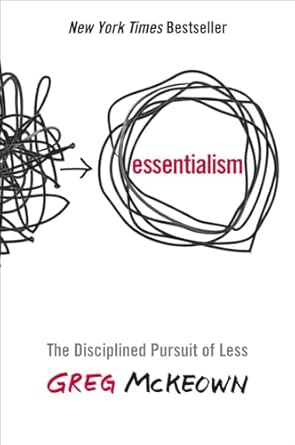
Nimitz at War
by Craig L. Symonds
Only days after the Japanese attacked Pearl Harbor, President Franklin D. Roosevelt tapped Chester W. Nimitz to assume command of the Pacific Fleet. Nimitz was not the most senior candidate available, and some, including his new boss, U.S. Navy Admiral Ernest J. King, considered him a “desk admiral,” more suited to running a bureaucracy than a theater of war. Yet FDR’s selection proved nothing less than inspired. From the precarious early months of the war after December 7th 1941 to the surrender ceremony in Tokyo Bay nearly four years later, Nimitz transformed the devastated and dispirited Pacific fleet into the most powerful and commanding naval force in history.
From the start, the pressures on Nimitz were crushing. Facing demands from Washington to mount an early offensive, he had first to revive the depressed morale of the thousands of sailors, soldiers, and Marines who served under him. He had to corral independent-minded subordinates―including Admiral Bill “Bull” Halsey and General Holland “Howlin’ Mad” Smith―and keep them focused on shared objectives. He had to maintain a sometimes-fraught relationship with his Army counterpart Douglas MacArthur, and cope with his superiors, including the formidably prickly King and the inscrutable FDR. He had to navigate the expectations of a nation impatient for revenge and eventual victory. And of course, he also confronted a formidable and implacable enemy in the Imperial Japanese Navy, which, until the Battle of Midway, had the run of the Pacific.
Purchase Here Audio Book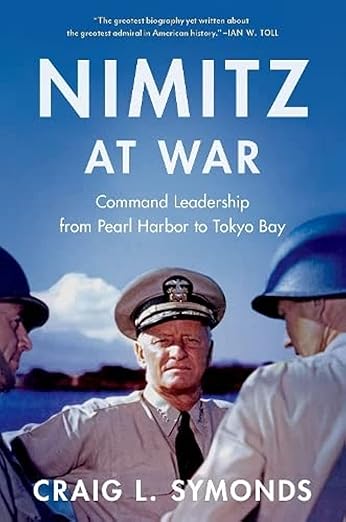
Five Generations at Work: How We Win Together, For Good
by Rebecca Robins and Patrick Dunne
Five Generations at Work: How we win together, for good explores how to maximise the dynamics of our generational diversity to create more collaborative and competitive organisations. An energising and pragmatic read, this book unpacks six years of research and work with organisations and individuals who are taking progressive action to lead from lenses versus labels, evidencing the value of generational diversity.
For the first time in history, we have up to five generations at work. In the context of a world in flux and polycrisis, our diversity is a powerful force multiplier for good, if we debunk the stereotypes and know how to unlock it.
Purchase Here Audio Book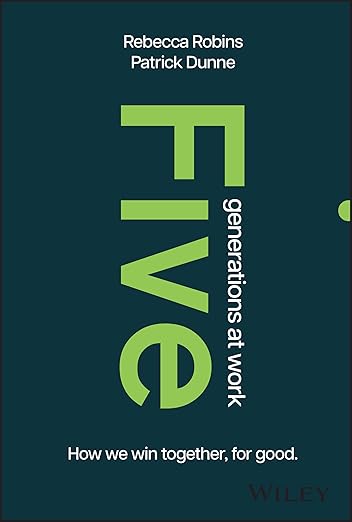
Essentialism: The Disciplined Pursuit of Less
by Greg McKeown
Essentialism is more than a time-management technique. It is a systematic discipline for discerning what is absolutely essential, then eliminating everything that is not, so we can make the highest possible contribution toward the things that really matter.
By forcing us to apply more selective criteria for where to spend our precious time and energy, the disciplined pursuit of less empowers us to reclaim control of our own choices, instead of giving others the implicit permission to choose for us.
Essentialism is not one more thing to do. It’s a whole new way of doing less, but better, in every area of our lives. Join the millions of people who have used Essentialism to change their outlook on the world.
Purchase Here Audio Book