

 CPRL: HERITAGE
LEJEUNE: A MARINE'S LIFE 1867-1942
by Merrill L. Bartlett
Hard-hitting biography of the thirteenth commandant of the U.S. Marine Corps.
Purchase Here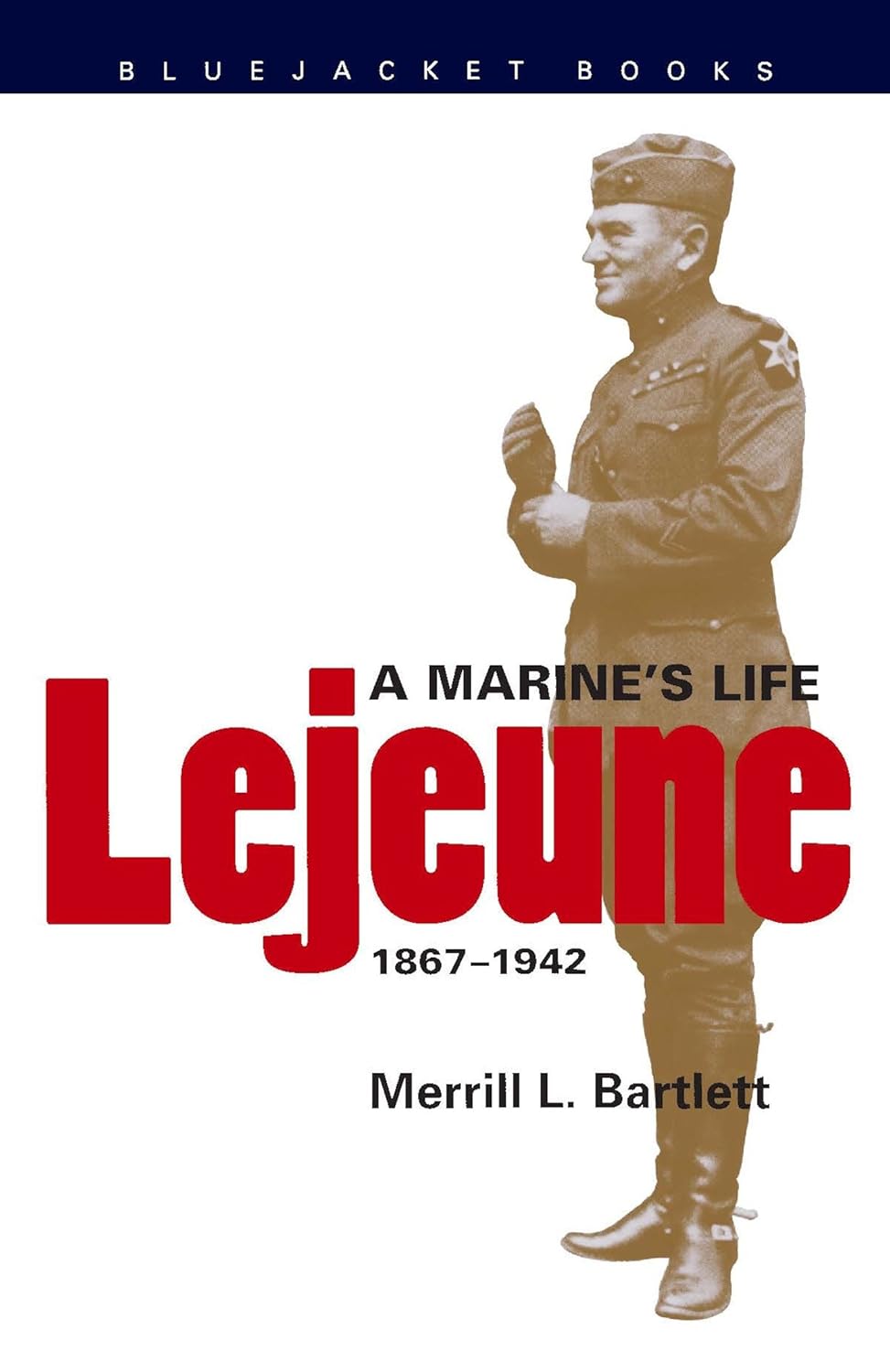
THE MARINES OF MONTFORD POINT: AMERICA'S FIRST BLACK MARINES
by Melton Alonza McLaurin
This book recognizes and honors the pioneering Marines who loyally served their country in three major wars.
Purchase Here Audio Book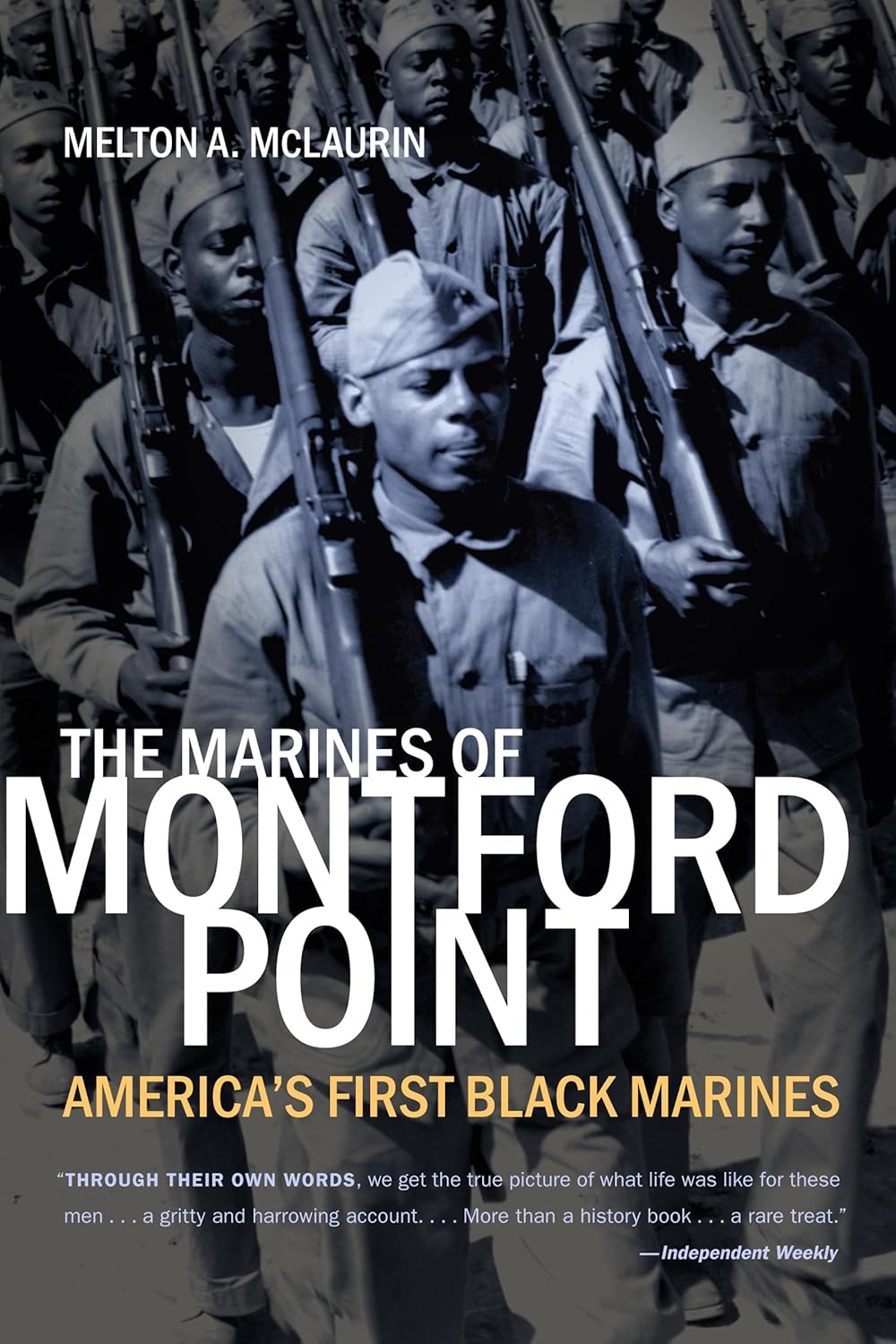
WITH THE OLD BREED AT PELELIU AND OKINAWA
by E. B. Sledge
First-person account of fighting at Peleliu and Okinawa. Eugene Sledge was part of WWII’s famous 1st Marine Division, 3d Battalion, 5th Marines. It is based on notes Sledge secretly kept in a copy of the New Testament and documents what saved, threatened, and changed his life. It is also a story of how Sledge learned to hate and kill–and came to love–his fellow man.
Purchase Here Audio Book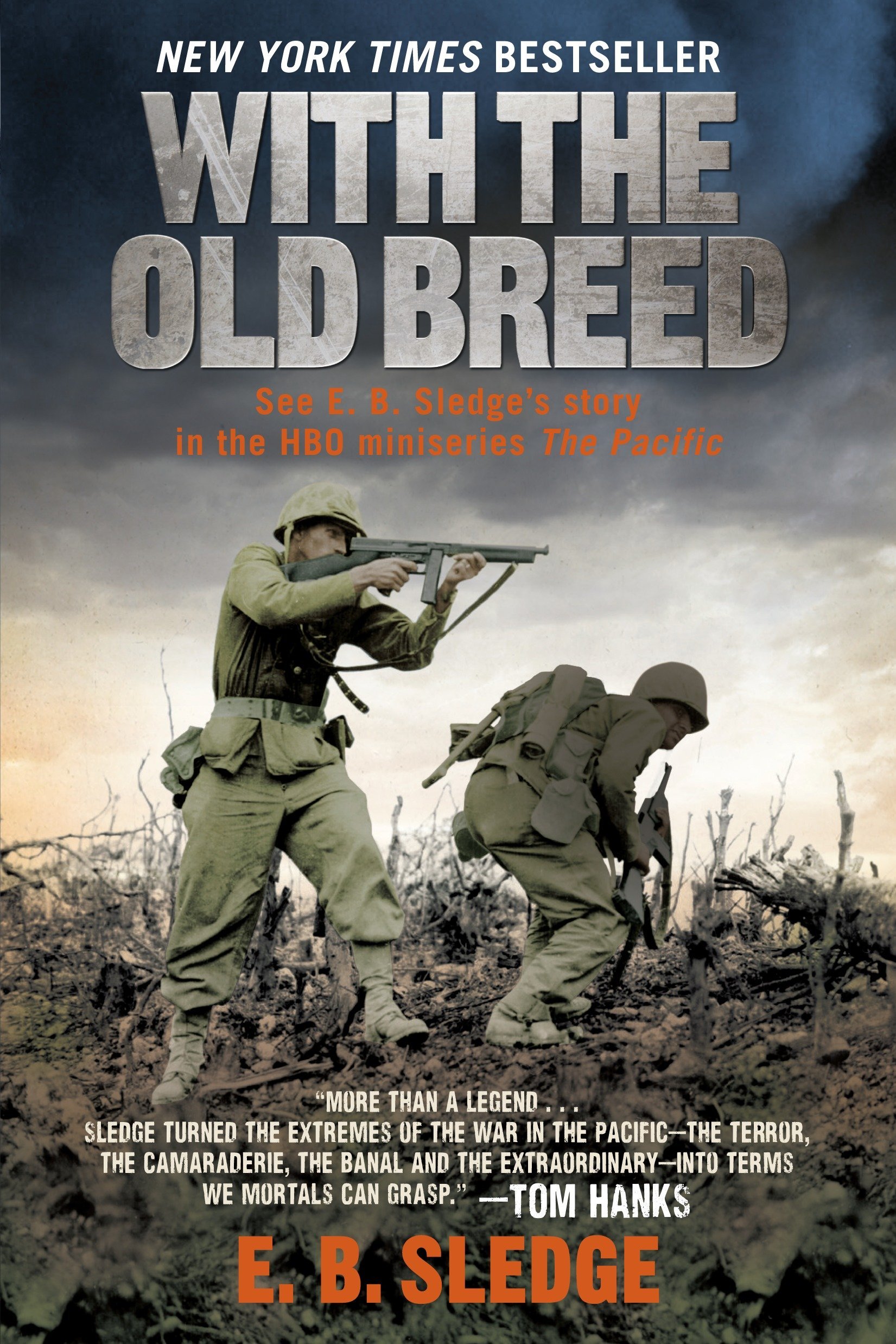
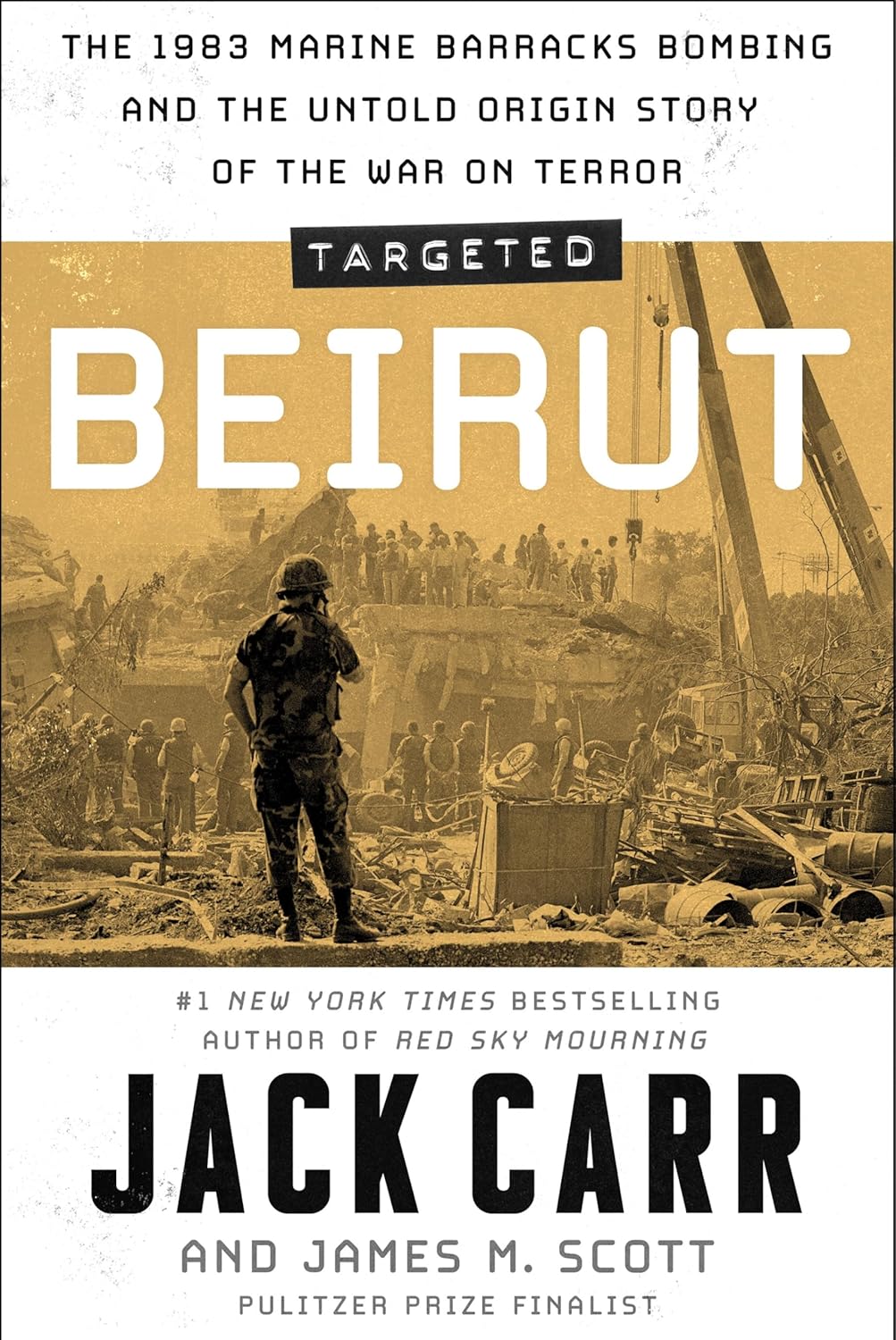
Targeted Beirut: The 1983 Marine Barracks Bombing and the Untold Origin Story of the War on Terror
by Jack Carr and James M. Scott
Targeted Beirut traces the events that led up to the destruction of the Battalion Landing Team Headquarters on October 23, 1983. Jack Carr and James M. Scott present the tactical, operational, and strategic view of the costliest day in Marine Corps history since World War II.
Carr and Scott make use of letters, situational reports, interviews, journals, and other sources to build the tactical picture of what the Marines on the ground faced. With a mission that was not clearly defined, the Marines relied on one another, even as men began to be killed in August 1983. The strategic picture reveals the political struggles in Washington that prevented the operational commander, Col Geraghty, from being provided with a clear end state and handed him a mission that completely relied on his ability to maintain American neutrality. The authors continue to show the interplay between the three levels of warfare as they demonstrate the events that put targets on the backs of the Marines, culminating in the bombing on 23 October.
One of the things that sets Targeted Beirut apart is the humanization of the event through narration. This history is not told through exposition but through the eyes, pens, and mouths of the men who lived it. This makes it extremely personal, easy to follow and very hard to put down. As America and the Marine Corps very publicly pivot to great-power conflict once more, it is important to remember the wisdom that comes through experience, and the experience of the Marines in 1983 was the opening salvo of the War on Terror. Have we already forgotten the lessons that experience gave to us?
- credit to 1stLt Gavin Mattiace, USMC for writing this synopsis
Corps Competency?: III Marine Amphibious Force Headquarters in Vietnam
by Michael F. Morris
The Vietnam War ended nearly fifty years ago but the central paradox of the struggle endures: how did the world’s strongest nation fail to secure freedom for the Republic of Vietnam? Michael F. Morris addresses this vexing question by focusing on the senior Marine headquarters in the conflict’s most dangerous region.
Known as I Corps, the northern five provinces of South Vietnam witnessed the bloodiest fighting of the entire war. I Corps also contained the Viet Cong’s strongest infrastructure, key portions of the Ho Chi Minh Trail, and the important political and economic prizes of Hue and Da Nang. For Americans, it was the site of the first major military operation (Operation STARLITE); the Battles of Hue City and Khe Sanh during the 1968 Tet Offensive; and a military innovation known as the Combined Action Platoon (CAP), a counterinsurgency technique designed to secure the region’s villages. The Marine zone served as Saigon’s “canary in the coal mine”—if the war was to be won, allied action must succeed in its most contested region. With such deep significance, I Corps holds many answers to the lasting questions of the Vietnam War.
Following the Marine Amphibious Force (III MAF)—the primary US tactical command in I Corps from 1965 to 1970—Corps Competency? provides the first composite analysis of the critical role of the senior Marine headquarters and offers a coherence missing in piecemeal accounts. Despite the critical importance of I Corps, relatively little is known about its overall impact on the war due to disconnected and patchy historical study of the region.
In this comprehensive and newly insightful study of the Vietnam War, Michael Morris tells a story that illustrates what can happen when a corps headquarters is not ready for the conflict it encounters and then fights the war it wants to rather than the one it must.
Purchase Here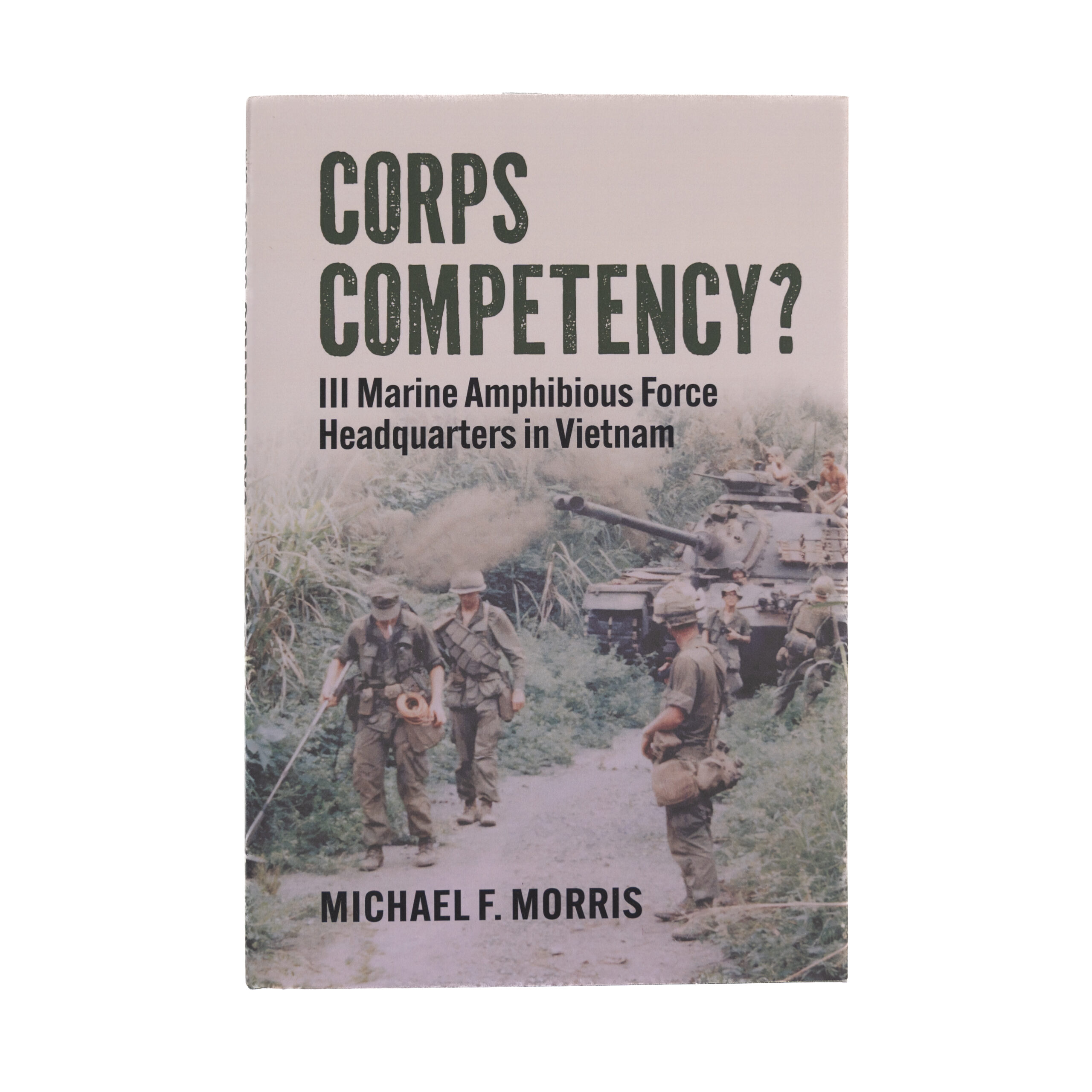
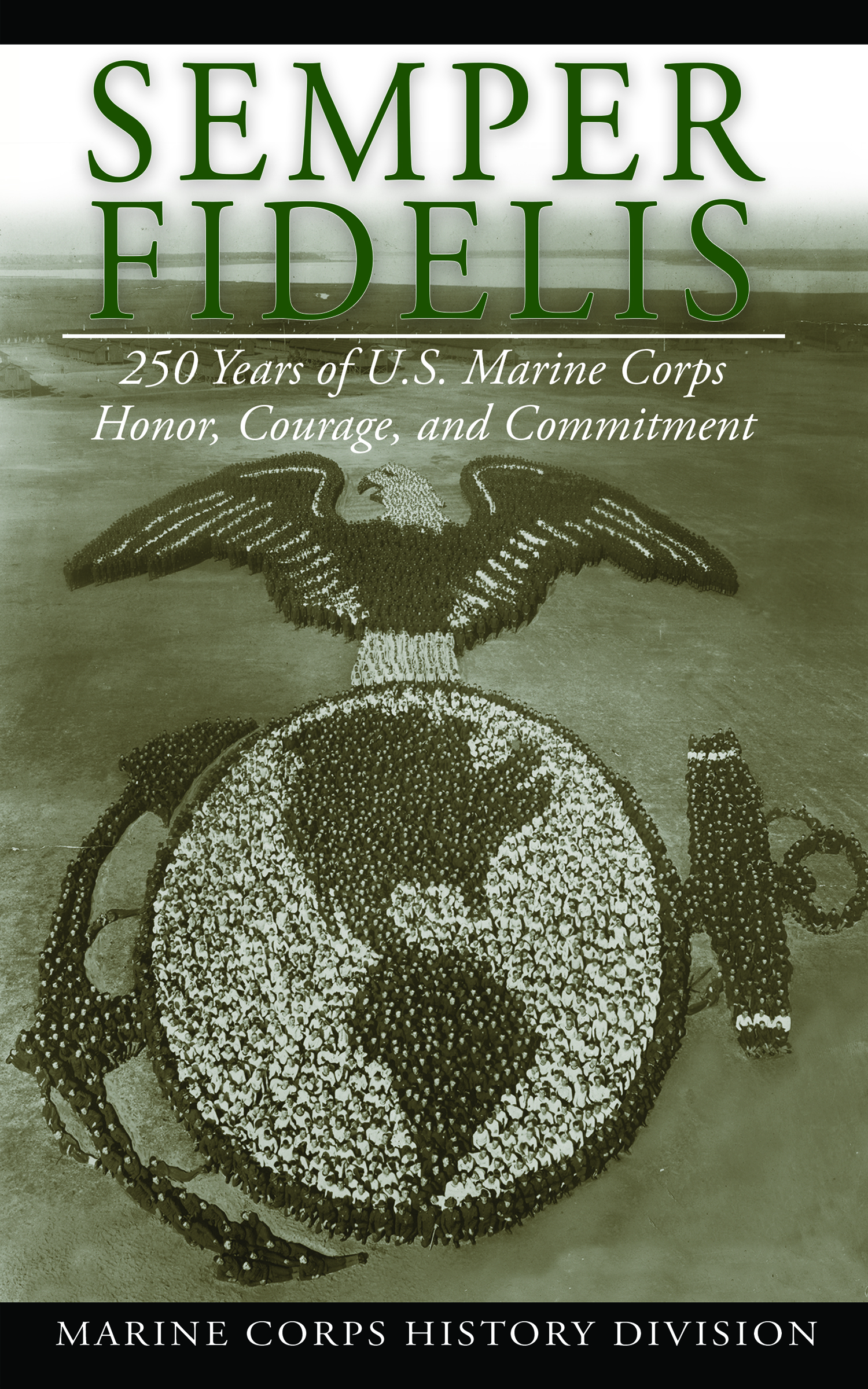
Semper Fidelis: 250 Years of U.S. Marine Corps Honor, Courage, and Commitment
by Marine Corps History Division
The storied history of the United States Marine Corps began 250 years ago. Since then, Marines have fought in every clime and place and remained faithful to the Service’s unique culture and high standards when fighting and winning the nation’s battles. This book is Marine Corps History Division’s feature publication to celebrate the 250th anniversary of the Corps. It serves to inform the American public about its Marine Corps and to inspire all present and future Marines through examples of those who shouldered the burden, won the battles, and created the history that gives meaning to the motto, Semper Fidelis!
Purchase Here