



Raising Kids in Motion
Posted on: April 10,2026April is Month of the Military Child, which feels like a good time to chat about something that often comes up in conversation:
Are we messing up our kids by moving them so much?
Fair question.
Marine Corps families move a lot. We say every three years, but in reality, it often feels more like every two. And then there are seasons where you move every year for three or four years in a row. Our family moved 15 times in 25 years.
It’s often.
New schools. New houses. New routines. New friends. So many goodbyes.
I’m no expert. Let me say that again: I am not an expert.
But I raised four kids in this life, and now all four of them are “adults.” (I use that term loosely because I’m still not convinced an 18 year old is an adult.)
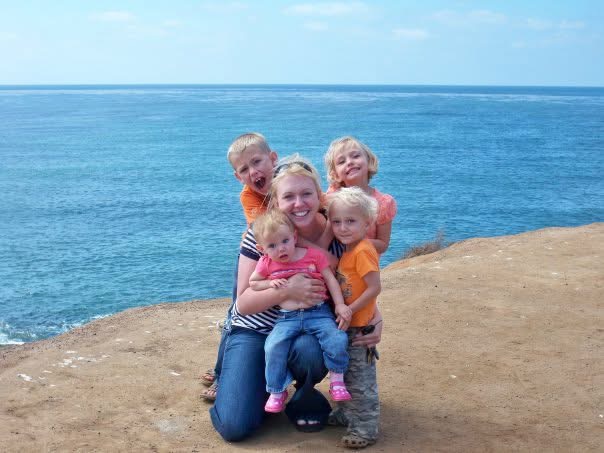
Here’s my take: I do not think this life ruins our kids. I think it shapes them.
Did it make them a little different from the average kid who grew up in one house, in one town, with the same classmates their whole life? Of course. How could it not?
When my oldest son turned 18, he told me he wanted to “settle down for a bit.” I remember thinking that sounded unusual for an 18-year-old boy. I thought they were all supposed to want freedom, chaos, and a questionable amount of bad decision-making. Sheesh.
The truth is, he had already lived a life with a lot of movement, change, and adventure.
As I watched him “settle down, ” I realized that our kids are not just shaped by how often they move. They are also shaped by the kind of life they are moving through.
They learn how to walk into new places and figure it out. They learn how to meet people, start over, and rebuild. They learn early that different is not always bad. Sometimes different is just what’s next. They learn that change is hard, but survivable.
Here’s my other take: It’s a privilege to grow up in a culture of service.
They are watching a parent choose to serve their country. They are growing up in neighborhoods full of service members and spouses who are constantly stepping up, sacrificing, volunteering, and pouring back into their communities. It’s normal to them. They’resurrounded by people who understand that being part of a community means showing up for it and that sacrifice often comes with service.
And I think that matters.
Even if they don’t fully understand it when they’re young, they are absorbing it. They’re learning what commitment looks like. What sacrifice looks like. What it means to be part of something bigger than yourself.
So many of our kids go on to serve in some way themselves. And even if they don’t, they will always understand service and sacrifice differently than much of the civilian population. They have lived close enough to it to see what it costs and why it matters.
Are there hard parts to this life? Absolutely.
I know not every family experiences this life the same way. Every child is different, every family has its own dynamics, and sometimes the right decision looks different than it does for someone else. Most of us are just doing our best to love our kids well and make the best choices we can with the circumstances in front of us.
It’s not always easy to explain to your kids why they have to leave again. It’s never easy to watch them say goodbye, start over, or miss what was familiar. I am not trying to pretend that part is nothing.
But I also think these kids are living exceptional lives.
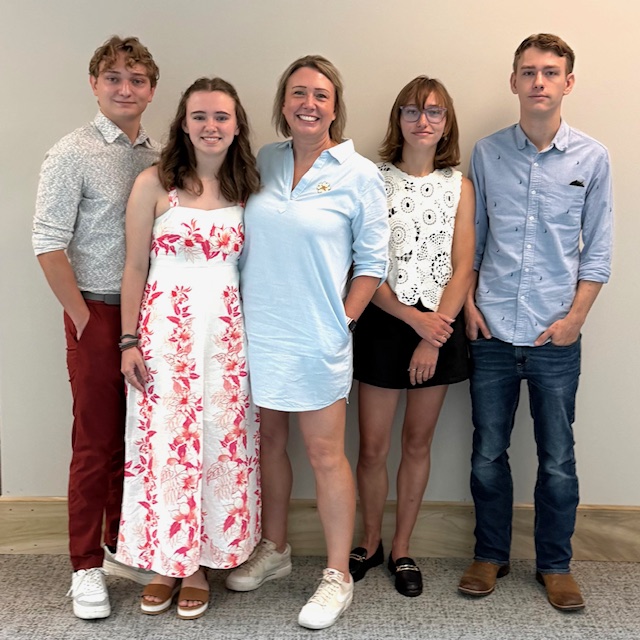
Not easy ones. Not always predictable ones. Not especially conventional ones. But exceptional all the same.
This life asks so much of them, but it also gives them so much in return. A wider view of the world. More comfort with difference. More practice meeting new people. More experience rebuilding when life changes. And a front-row seat to service, sacrifice, and community.
I think it asks so much of them.
I think it shapes them in real ways.
And I think many of them are becoming exceptional because of it.
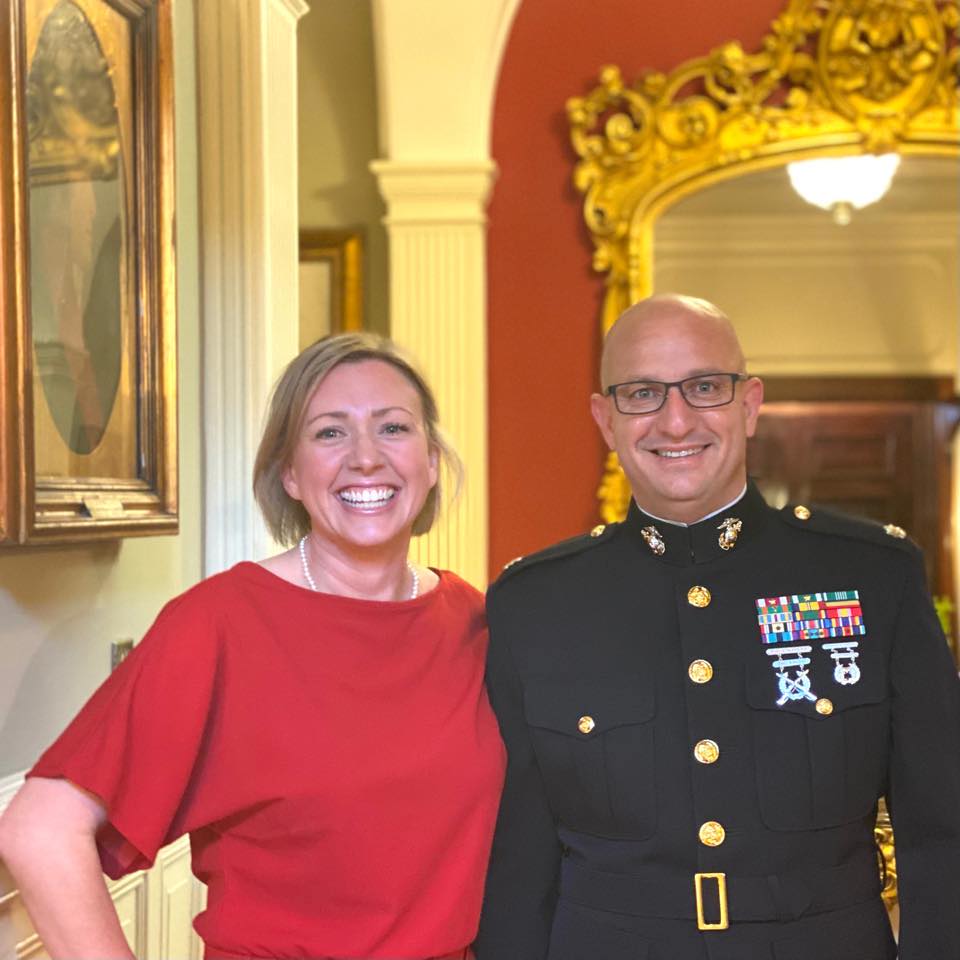
Krista Ickles is the Program Coordinator for the Marine Corps Association’s Behind the Camouflage program, where she is dedicated to supporting and empowering Marine Corps spouses by fostering community connections and providing resources to enhance their personal and professional growth. In this role, she works to ensure that Marine Corps spouses have access to opportunities that strengthen their sense of belonging and engagement within the military community.
Throughout her journey, she has focused on advocacy, operations management, and military family support. Prior to her current role, she served as Operations Manager for AtEase, an online platform providing government-approved lodging for military families during PCS moves. Before that, she was theHeadquarters Lead Advocate for the USMC PCS Advocacy Council, where she worked to improve relocation experiences for Marine families by engaging with senior leadership and driving policy discussions.
In addition to her professional experience, Krista is a mother of four and has been a proud Marine Corps spouse for over 25 years. Her deep connection to the military community fuels her passion for advocating for military families, enhancing spouse networks, and building strong support systems.


