


 CPRL: STRATEGY
CHINESE AMPHIBIOUS WARFARE: PROSPECTS FOR A CROSS-STRAIT INVASION
by Andrew S. Erickson, Conor M. Kennedy, and Ryan D. Martinson
This study explores key questions concerning Beijing’s determined pursuit of the Chinese Communist Party’s ultimate political and strategic prize: How might the PLA attempt to execute a joint island landing campaign to achieve a cross-Strait invasion of Taiwan, what might be its prospects for success, and what must Taiwan — with American support — do urgently to shore up deterrence?
Purchase Here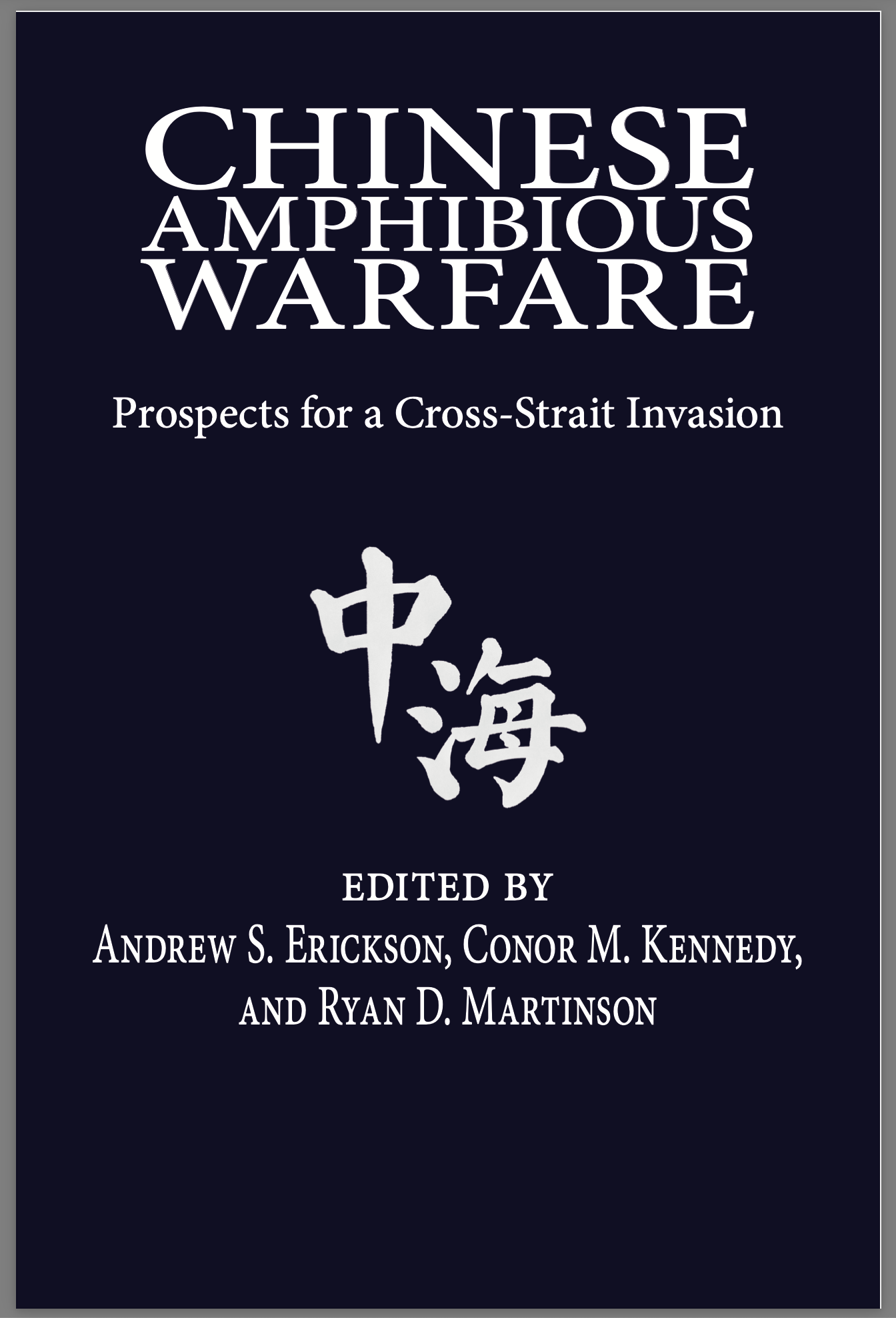
COMMAND: THE POLITICS OF MILITARY OPERATIONS FROM KOREA TO UKRAINE
by Lawrence Freedman
Using examples from a wide variety of conflicts, Lawrence Freedman shows that successful military command depends on the ability not only to use armed forces effectively but also to understand the political context in which they are operating.
Purchase Here Audio Book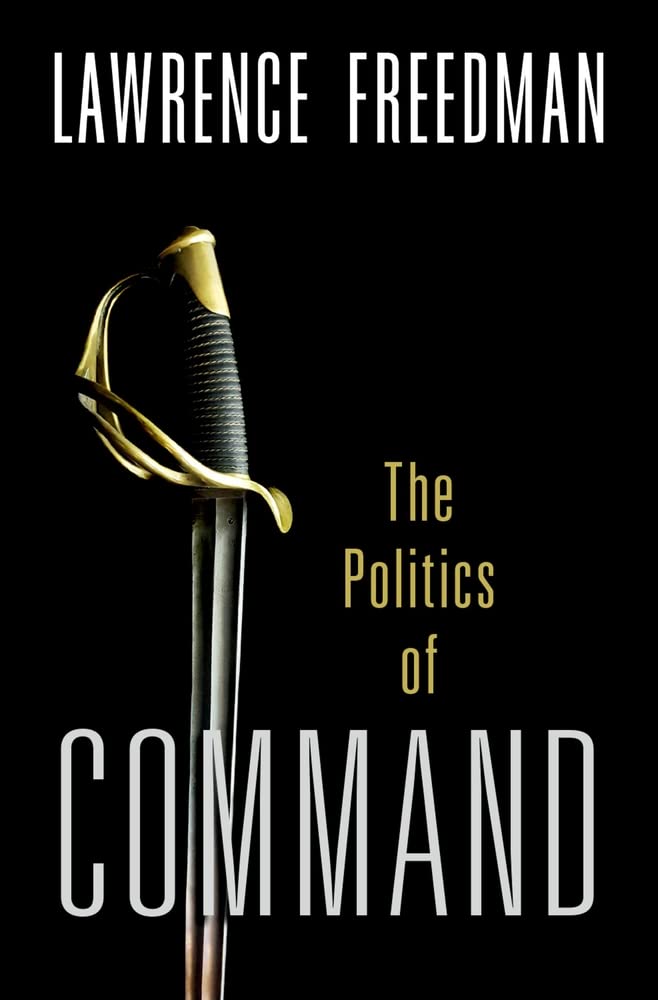
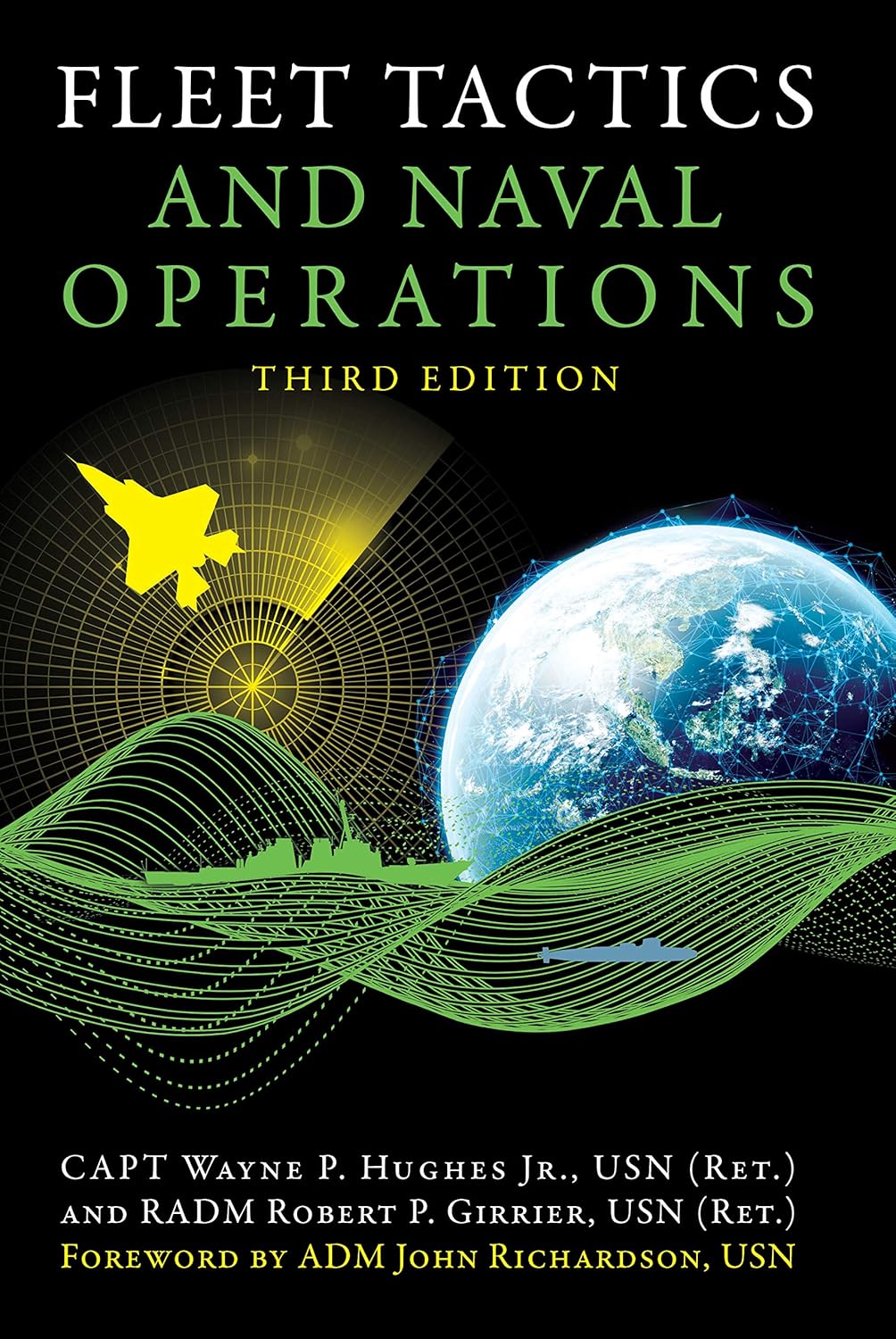
FLEET TACTICS AND NAVAL OPERATIONS
by Wayne P. Hughes and Robert P. Girrier. Forward by John Richardson
The revised edition covers battle tactics at sea from the age of fighting sail to the present, with emphasis on trends constants, and variables. It highlights the current swift advances in unmanned vehicles, artificial intelligence, cyber warfare in peace and war, and other effects of information warfare, and how they are changing the ways battles at sea will be fought and won.
THE NEW MAKERS OF MODERN STRATEGY: FROM THE ANCIENT WORLD TO THE DIGITAL AGE
by Hal Brands (Editor), et al
This edition provides global, comparative perspectives on strategic thought from antiquity to today, surveying both classical and current themes of strategy while devoting greater attention to the Cold War and post-9/11 eras.
Purchase Here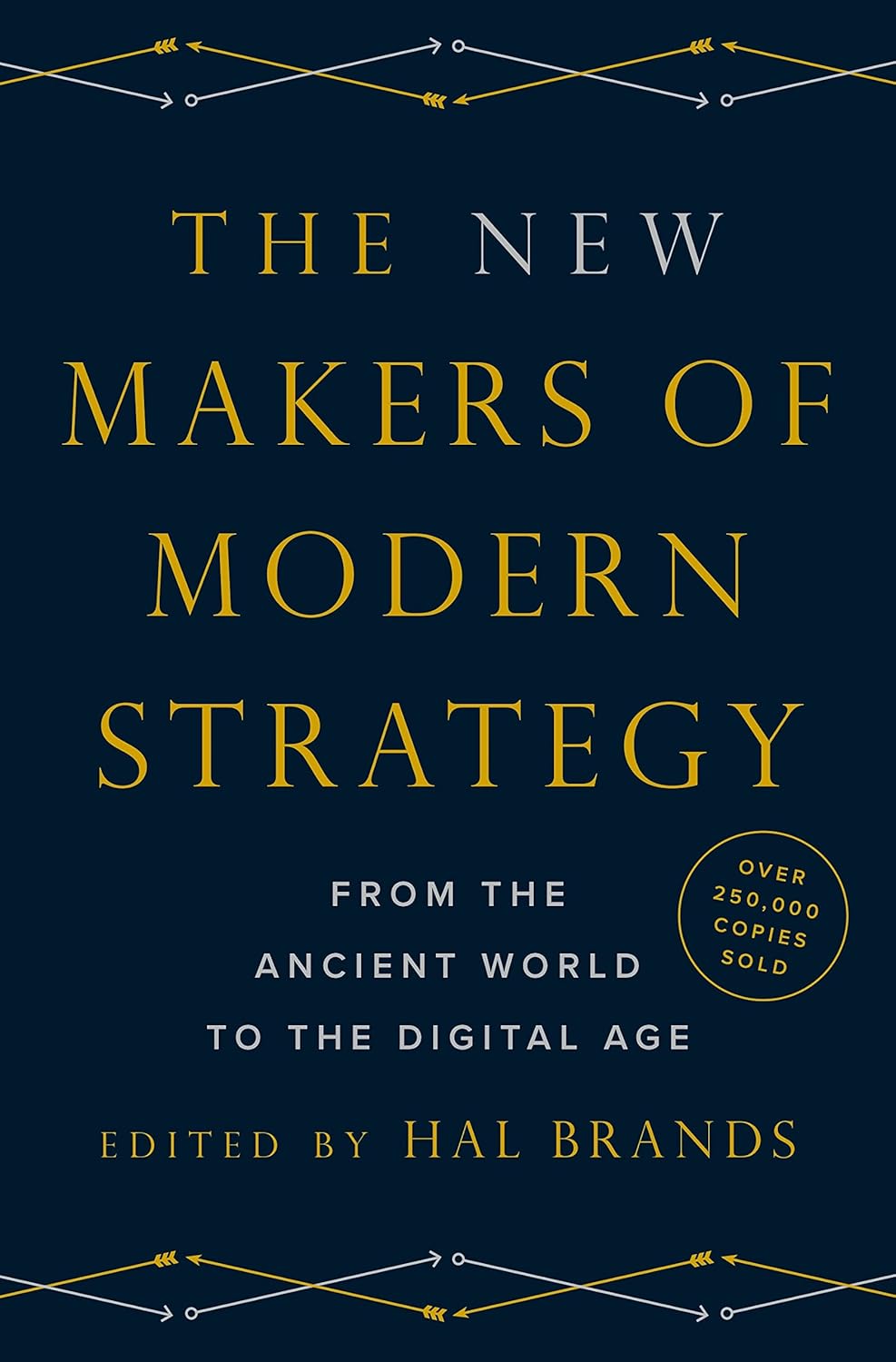
The Closing of the American Mind
by Allan Bloom
In 1987, eminent political philosopher Allan Bloom published The Closing of the American Mind, an appraisal of contemporary America that “hits with the approximate force and effect of electroshock therapy” (The New York Times) and has not only been vindicated, but has also become more urgent today. In clear, spirited prose, Bloom argues that the social and political crises of contemporary America are part of a larger intellectual crisis: the result of a dangerous narrowing of curiosity and exploration by the university elites.
Now, in this twenty-fifth anniversary edition, acclaimed author and journalist Andrew Ferguson contributes a new essay that describes why Bloom’s argument caused such a furor at publication and why our culture so deeply resists its truths today.
Purchase Here
The Defence of Duffer's Drift
by Ernest Dunlop Swinton
The Defence of Duffer’s Drift is a classic military strategy book, first published in 1904 by Major General Ernest Dunlop Swinton, a British Army officer and military historian. The book presents six fictionalized battle scenarios, using a dream sequence format in which the protagonist, Lieutenant Backsight Forethought (B.F.), repeatedly experiences the same combat engagement against Boer forces in South Africa. Each time, he makes tactical errors, learns from them, and then applies his newfound knowledge in the next iteration of the battle, gradually improving his defensive strategy. The book is an educational tool for military leadership and small-unit tactics, designed to teach the fundamental principles of terrain usage, reconnaissance, defensive positioning, supply management, and enemy anticipation. By showing the consequences of poor decision-making and the benefits of adaptation, Swinton provides an engaging and practical guide for junior officers and soldiers. Though written over a century ago, The Defence of Duffer’s Drift remains relevant in modern military training, as its lessons in tactical awareness, strategic planning, and leadership under pressure apply to contemporary warfare. It is widely studied in military academies, officer training programs, and leadership courses around the world, making it an enduring classic in military education.
Purchase Here Audio Book